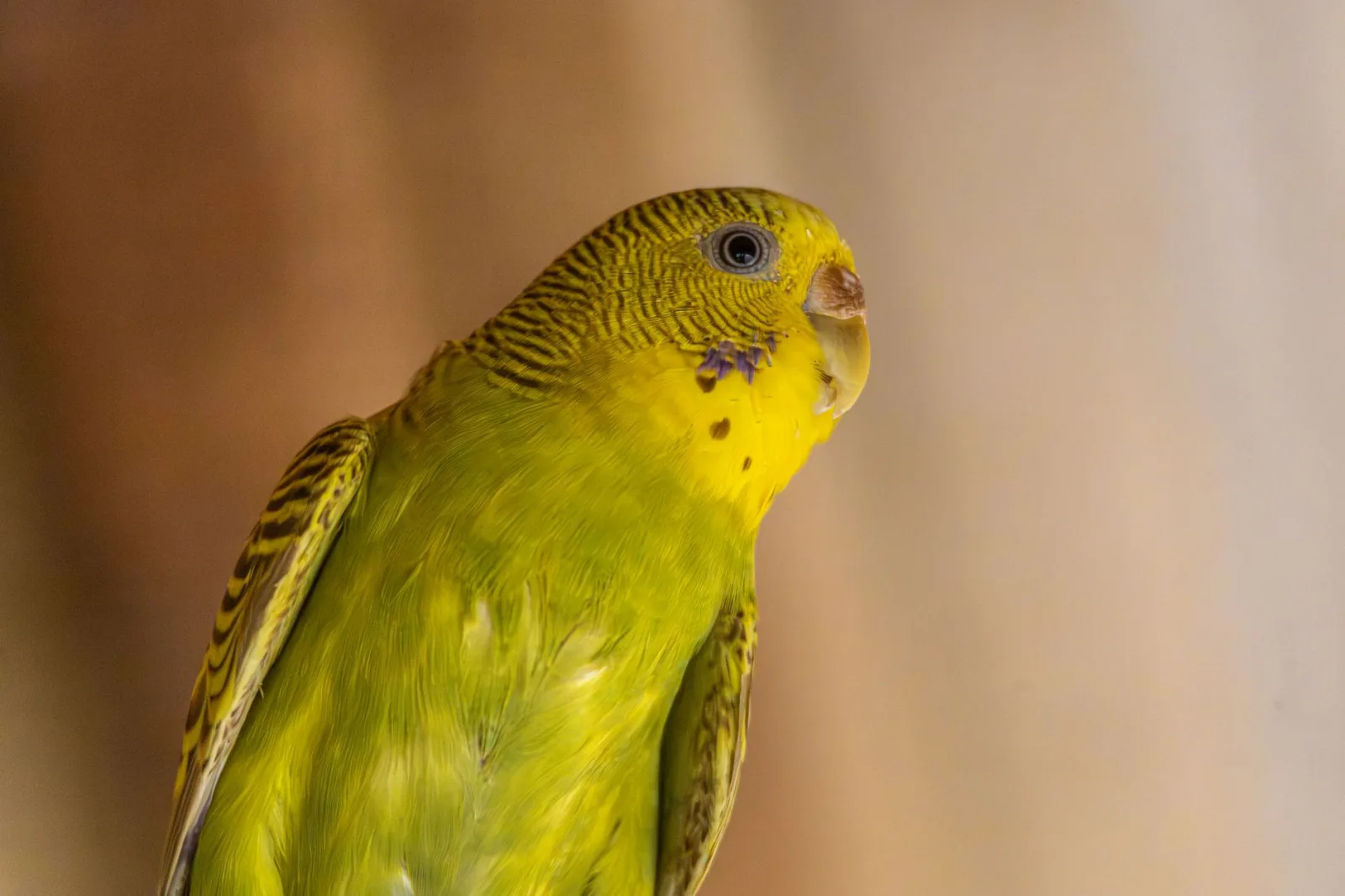
Budgerigars are among the most popular pet birds for good reason — they are charming, affordable and capable of real bonds with their owners. But ‘small and cheap’ does not mean low-maintenance. Budgies are intelligent flock birds with specific needs.
The cage
Bigger is always better; a budgie should be able to fully stretch and flap its wings, and ideally fly between perches. Choose a cage wider than it is tall, with horizontal bars for climbing, and place perches of varying natural-wood diameters to keep feet healthy. Daily out-of-cage time in a bird-safe room is essential.
Diet beyond seed
- An all-seed diet is a leading cause of early death — it is too fatty and lacks nutrients.
- Offer a quality pelleted base, with fresh vegetables and leafy greens daily.
- Provide a cuttlebone or mineral block for calcium.
- Keep seed and millet as occasional treats, not the main food.
Company and enrichment
Budgies are flock animals and can become lonely and depressed alone. Either commit to lots of daily interaction or keep two so they have company. Provide toys, mirrors used sparingly, foraging opportunities and varied perches, and rotate them to prevent boredom. A bored, isolated budgie is an unhappy one.
