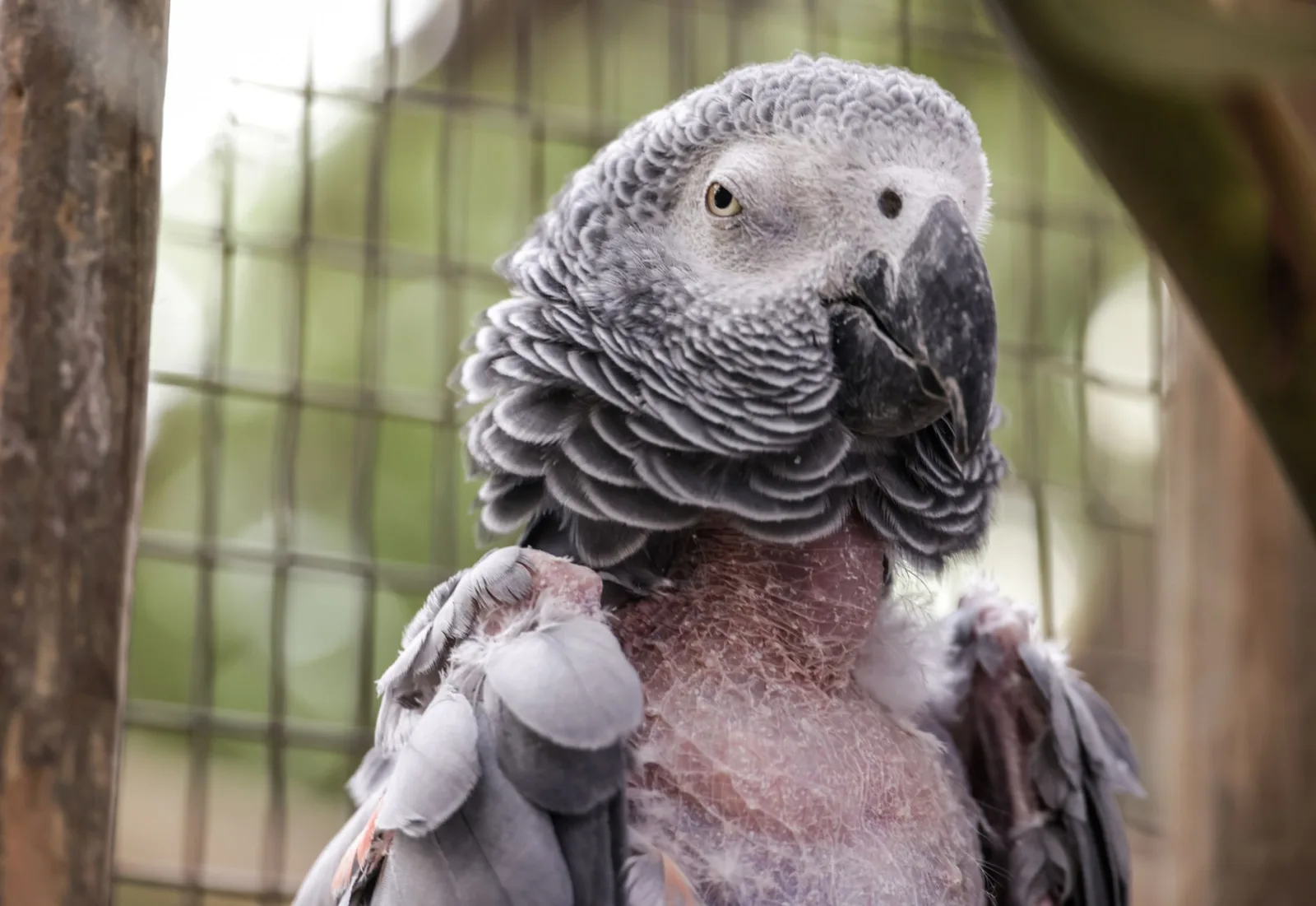
In the wild, a bird that looks sick is a target for predators, so birds evolved to mask illness until they can no longer hide it. For pet owners this means subtle changes matter enormously, and a sick-looking bird is usually an emergency.
Warning signs to watch for
- Sitting fluffed up, lethargic, or sleeping more than usual, often on both feet
- Loss of appetite or changes in droppings
- Laboured breathing, tail-bobbing with each breath, or open-mouth breathing
- Discharge from the eyes, nostrils or beak
- Sitting at the bottom of the cage
- Changes in feather condition, plucking, or a fluffed, unkempt look
Act quickly
If you notice these signs, contact an avian vet promptly — do not wait to see if the bird improves, as birds can decline within hours. Keep the bird warm, quiet and undisturbed while you arrange help, and bring a sample of fresh droppings if you can.
Prevention and baselines
Know your bird's normal weight, droppings and behaviour so you can spot changes early. Weigh your bird regularly, as weight loss is an early warning sign. A balanced diet, a clean smoke- and fume-free environment, and regular avian-vet check-ups prevent many problems before they start.