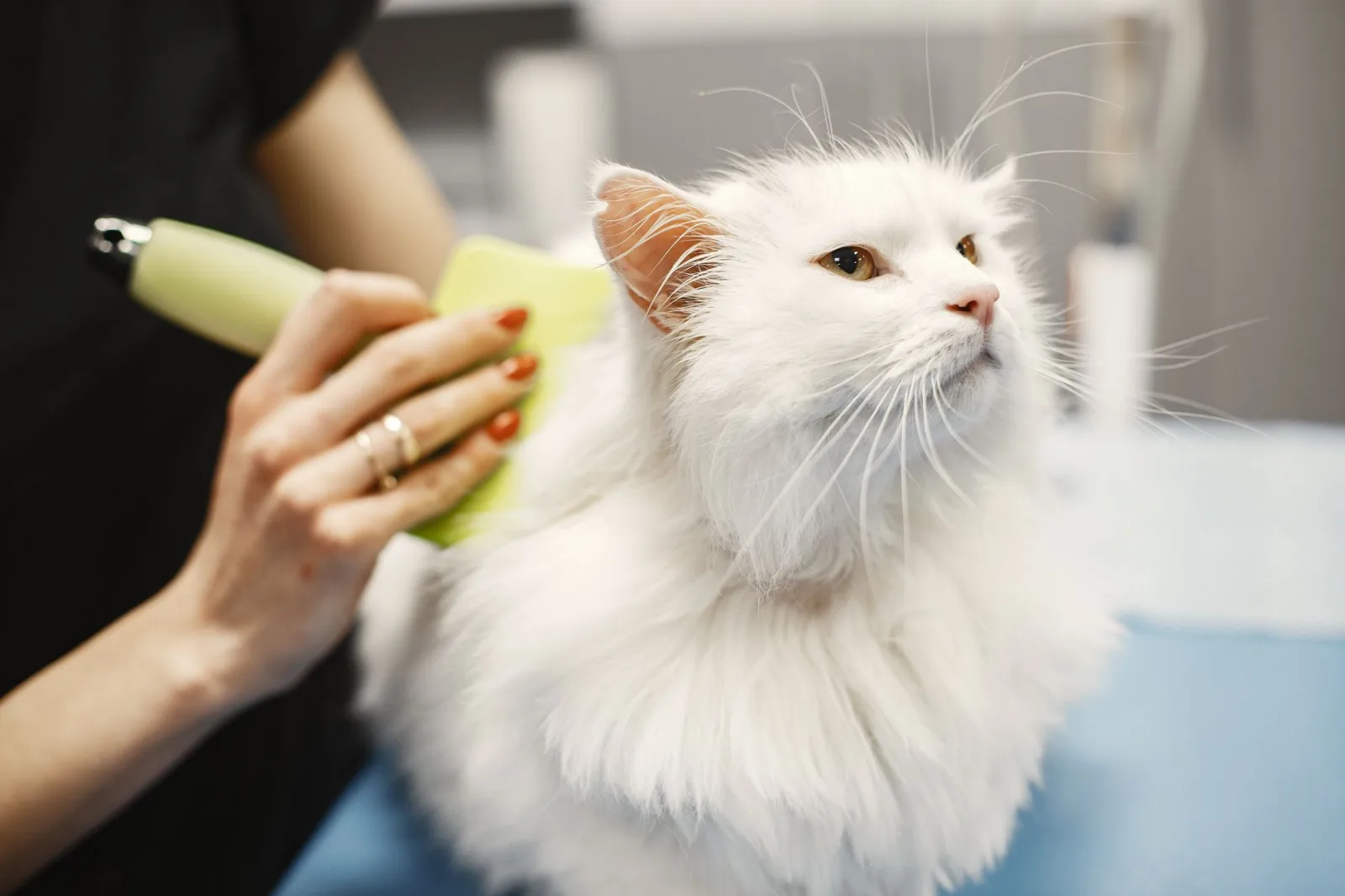
Hairballs are a familiar part of cat ownership: as cats groom, they swallow loose hair, most of which passes through normally, but some forms a wad that is brought back up. An occasional hairball is normal, but frequent ones are worth addressing — and sometimes a sign of a deeper issue.
How to reduce hairballs
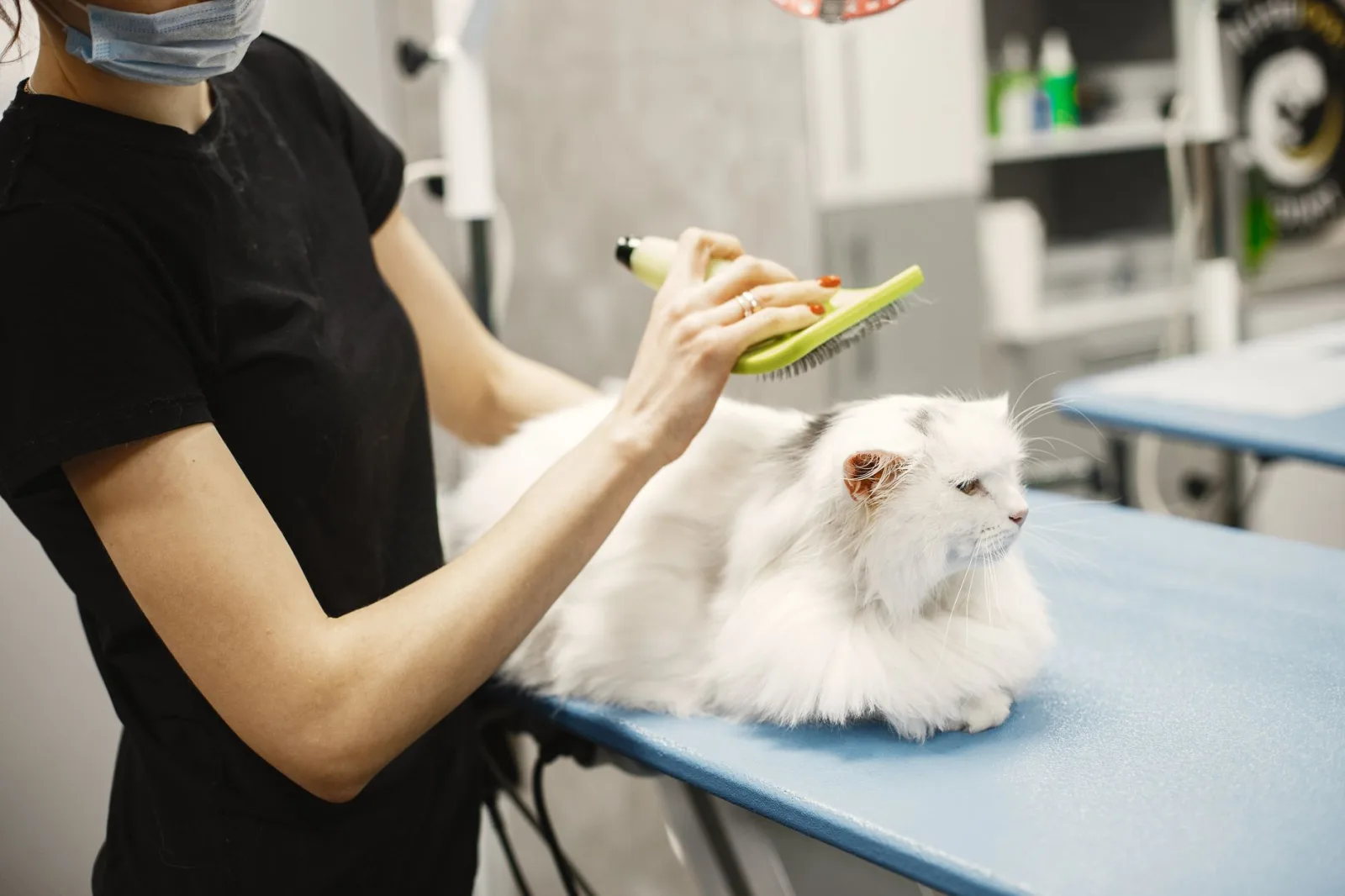
- Brush regularly: removing loose hair before your cat swallows it is the most effective measure, especially for long-haired cats.
- Encourage hydration and good nutrition: a well-functioning gut moves hair through more easily.
- Consider a hairball-control diet or remedy on your vet's advice if hairballs are frequent.
When hairballs signal something more
Frequent hairballs can mean your cat is over-grooming — often due to stress, allergies, skin problems or parasites — rather than simply swallowing too much hair. Excessive grooming and bald patches deserve a closer look.
When to see the vet
Repeated unproductive retching, gagging without producing anything, lethargy, loss of appetite or constipation can indicate a blockage, which is an emergency. If your cat seems to be trying to bring up a hairball without success, or hairballs become very frequent, contact your vet rather than assuming it is routine.