Akita
A powerful Japanese working breed known for dignity, courage, loyalty and strong family devotion.

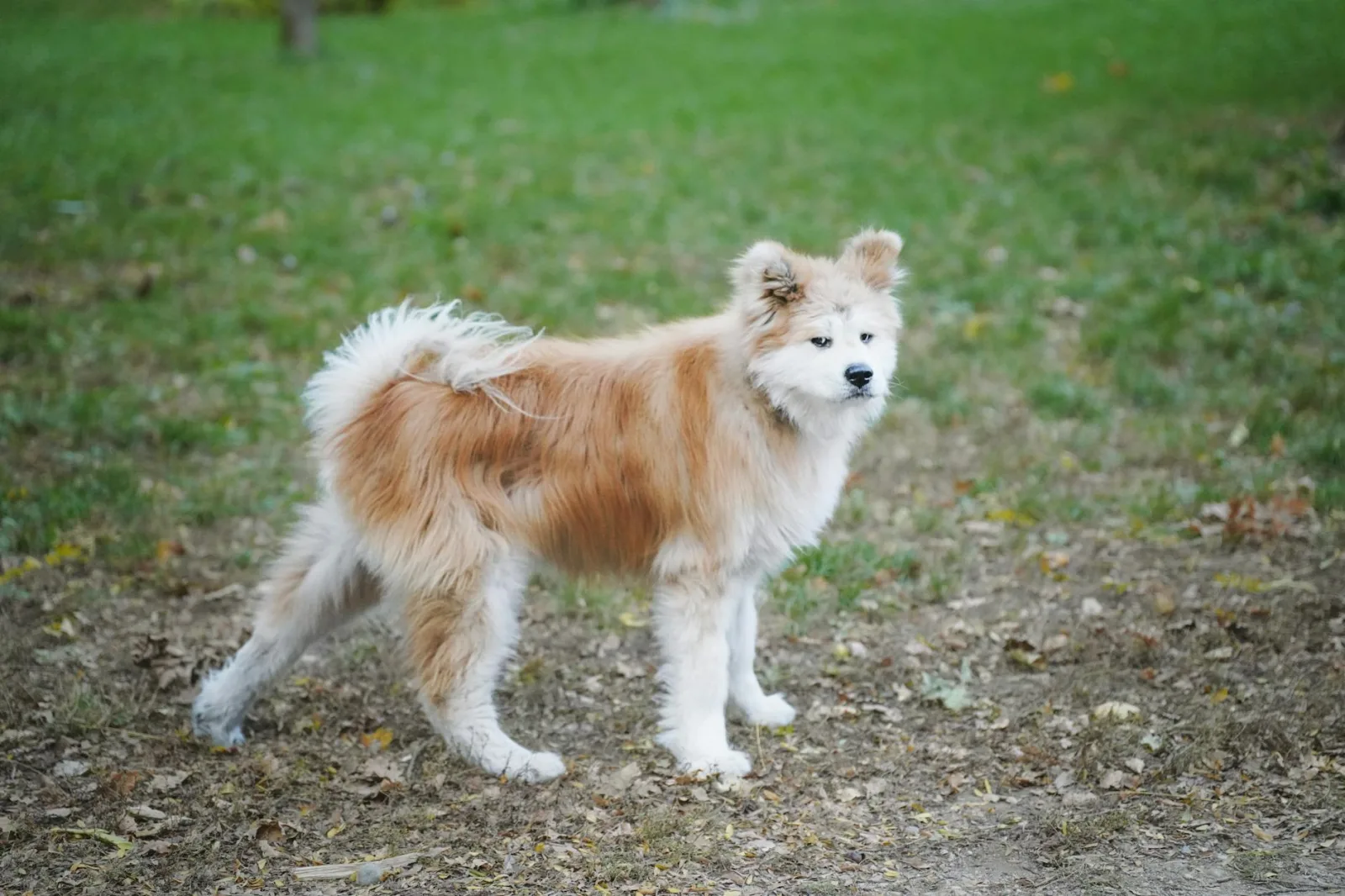
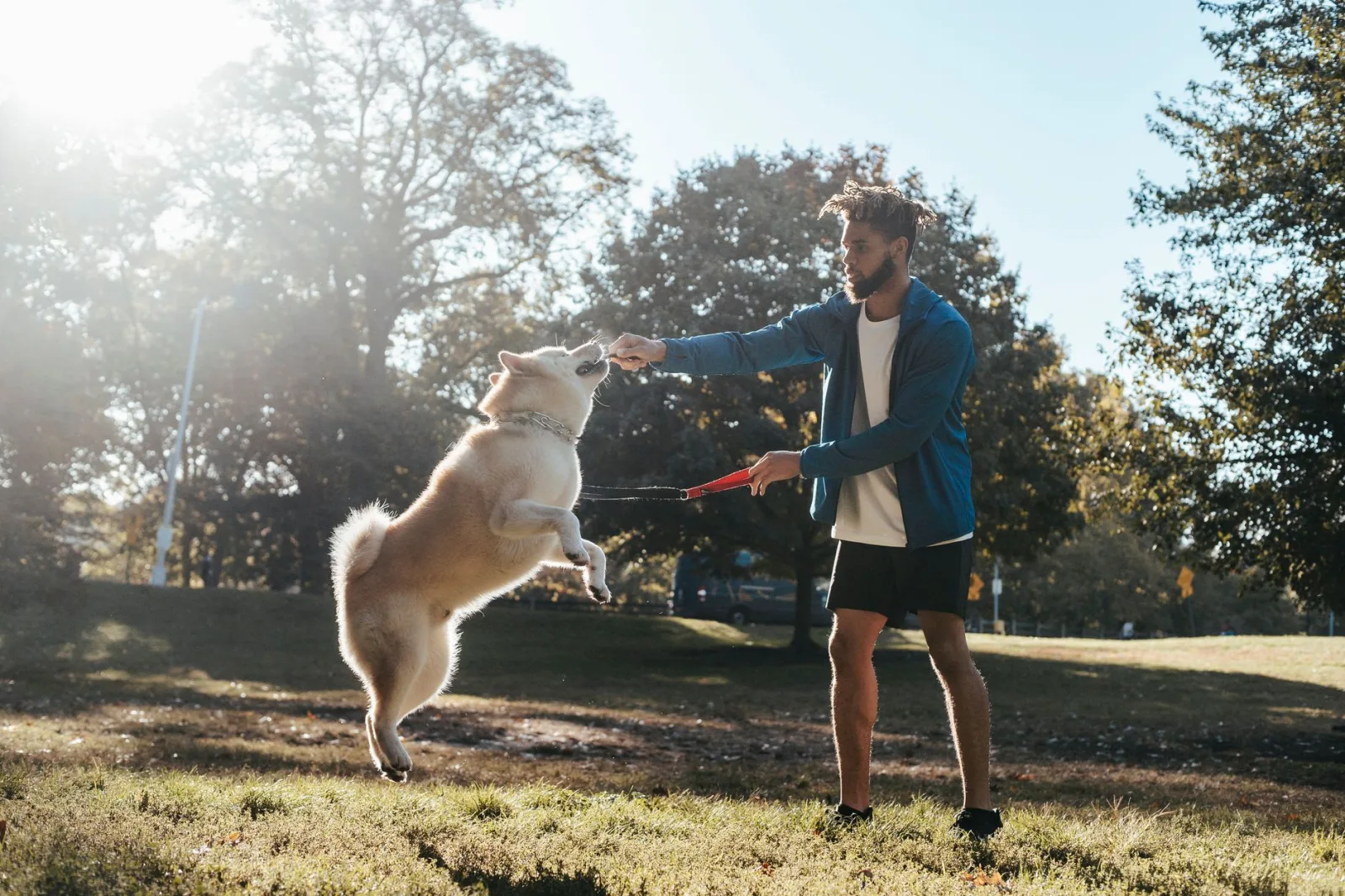
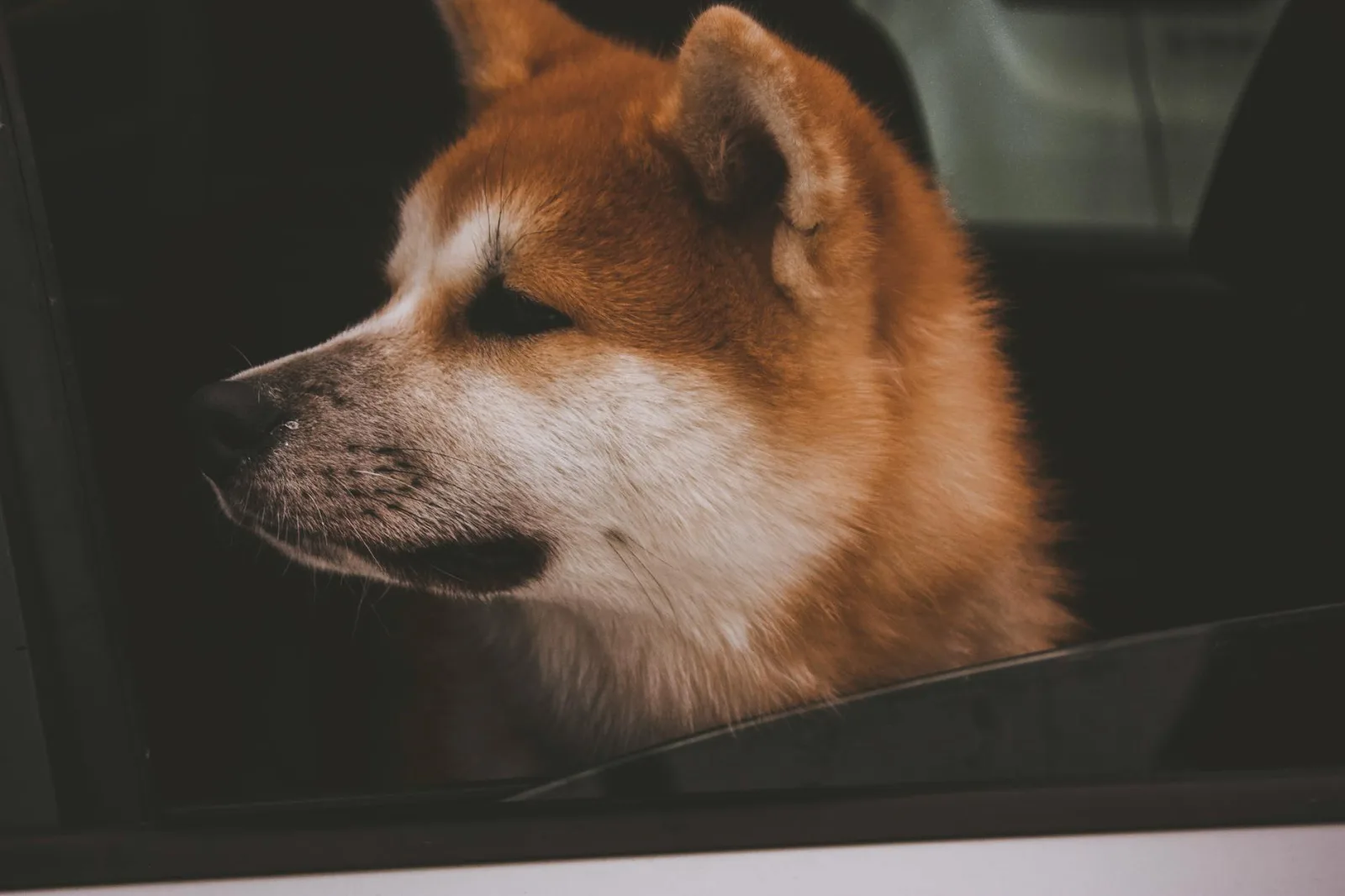

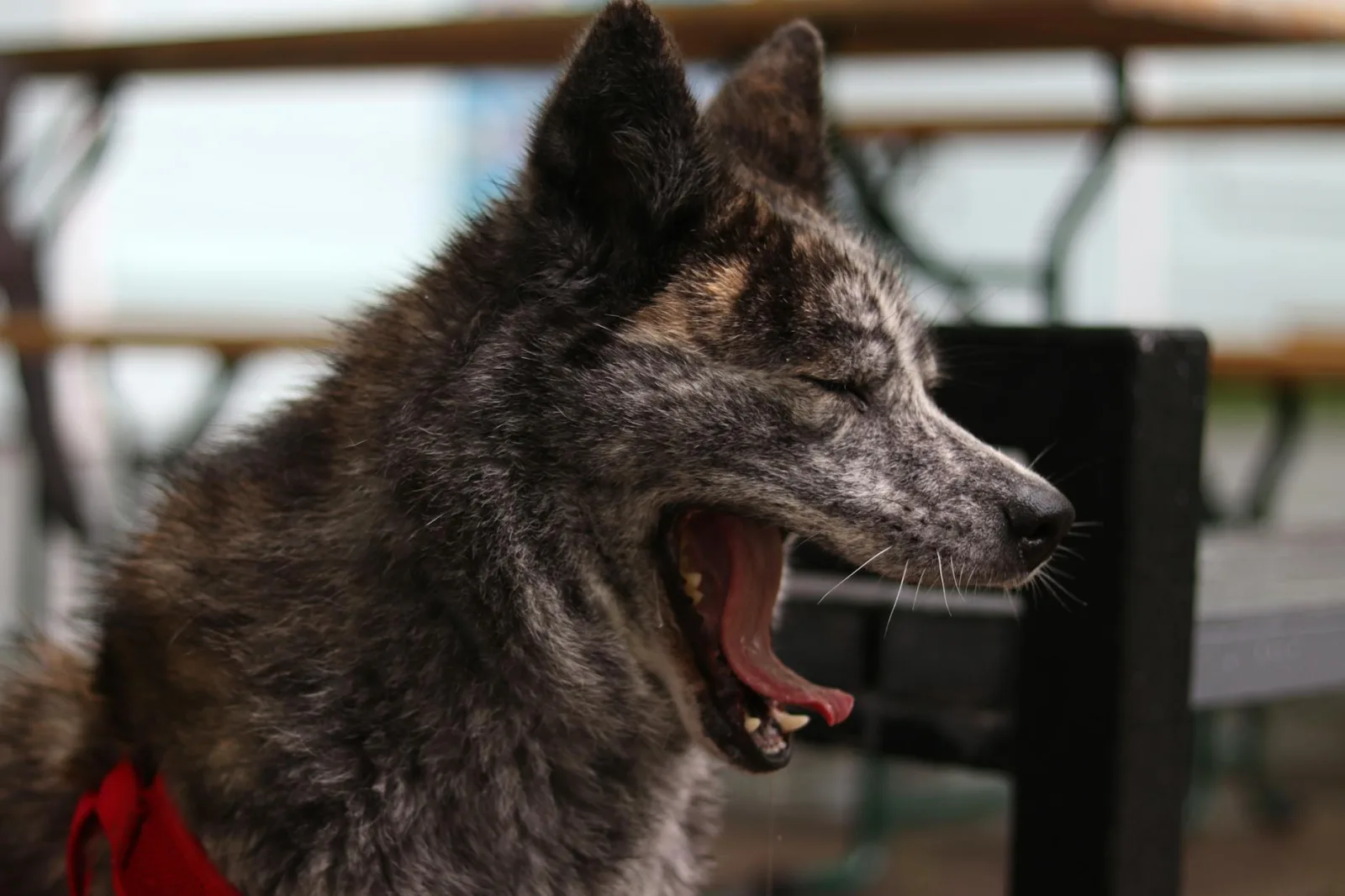
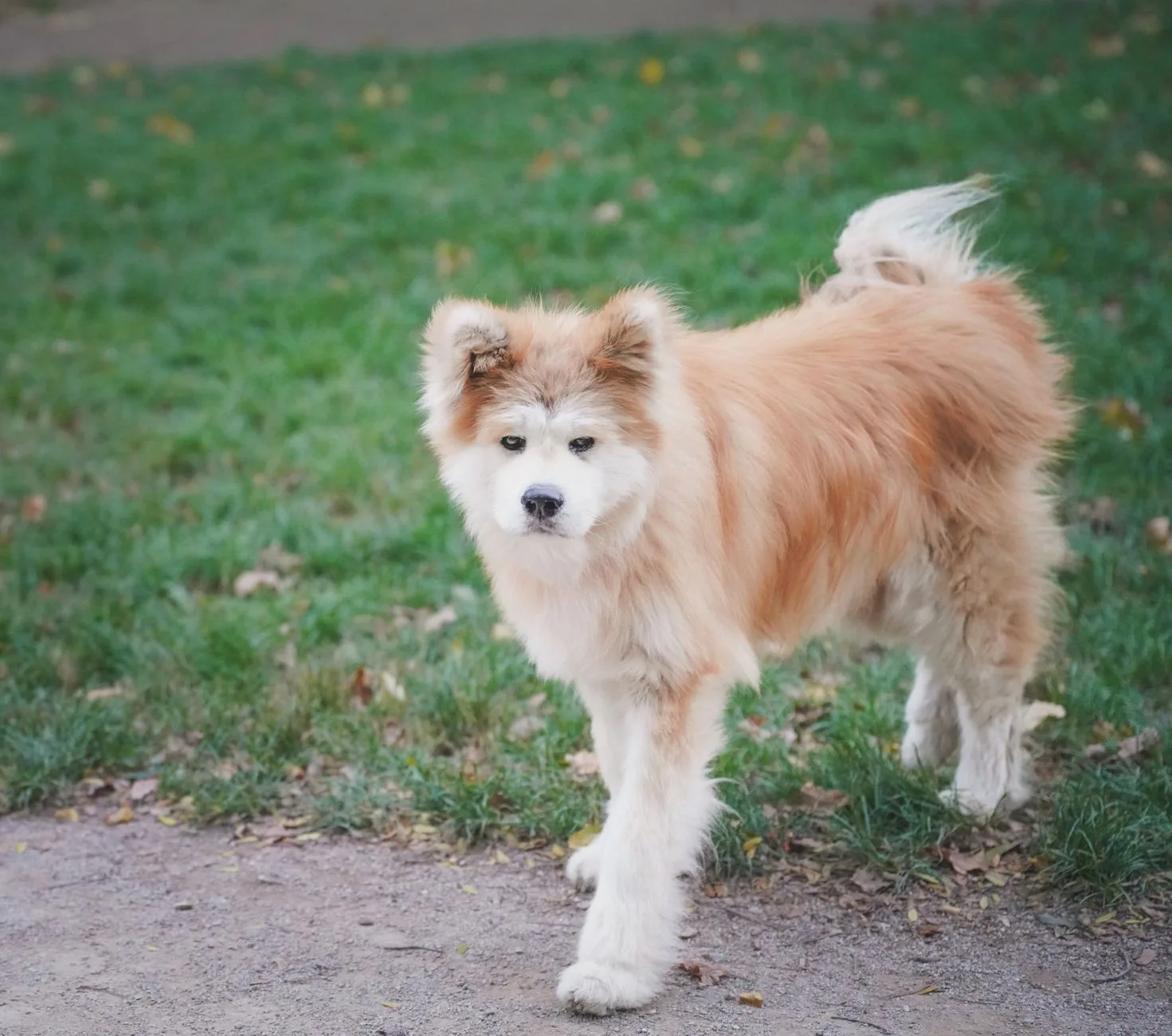
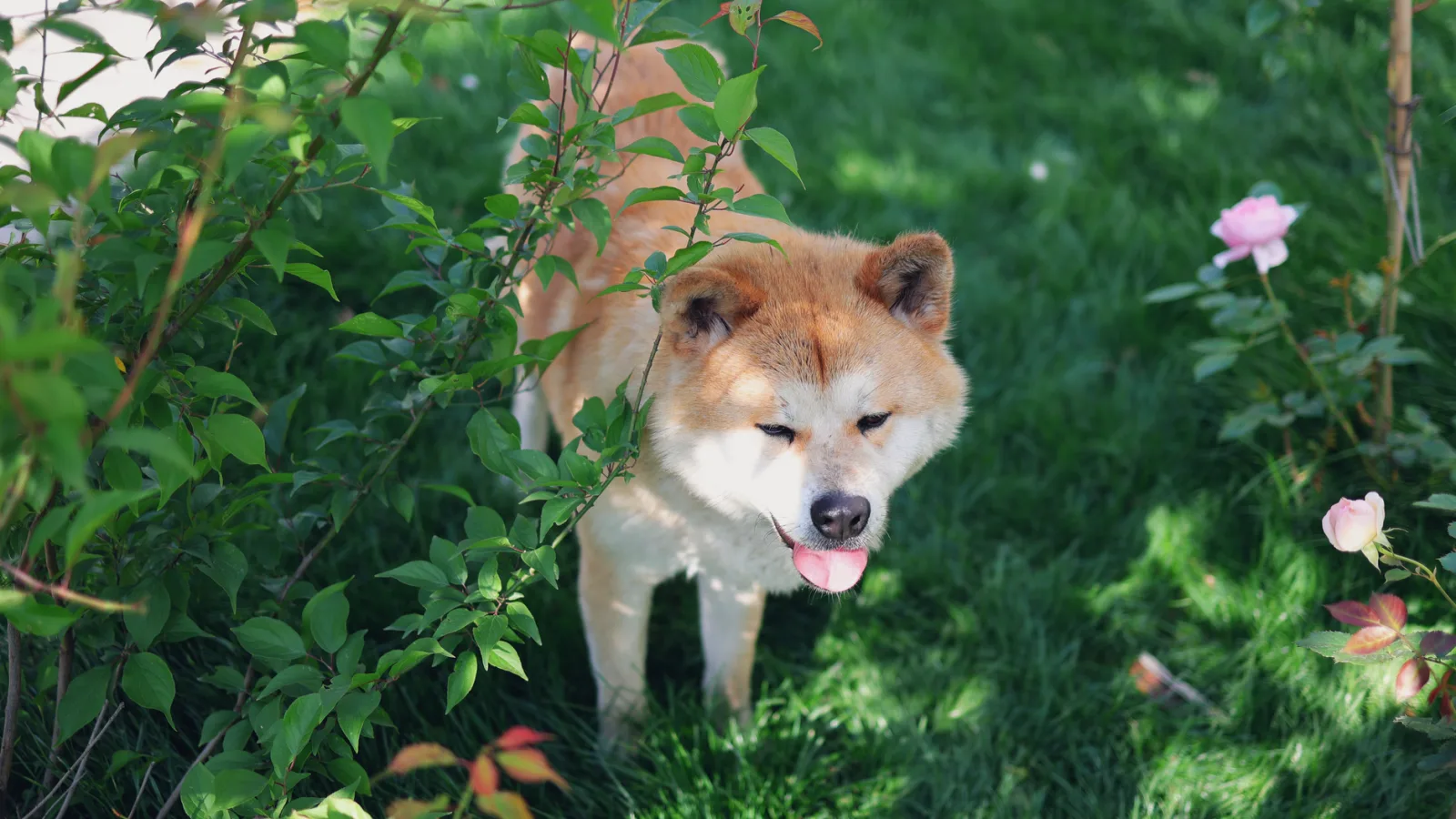
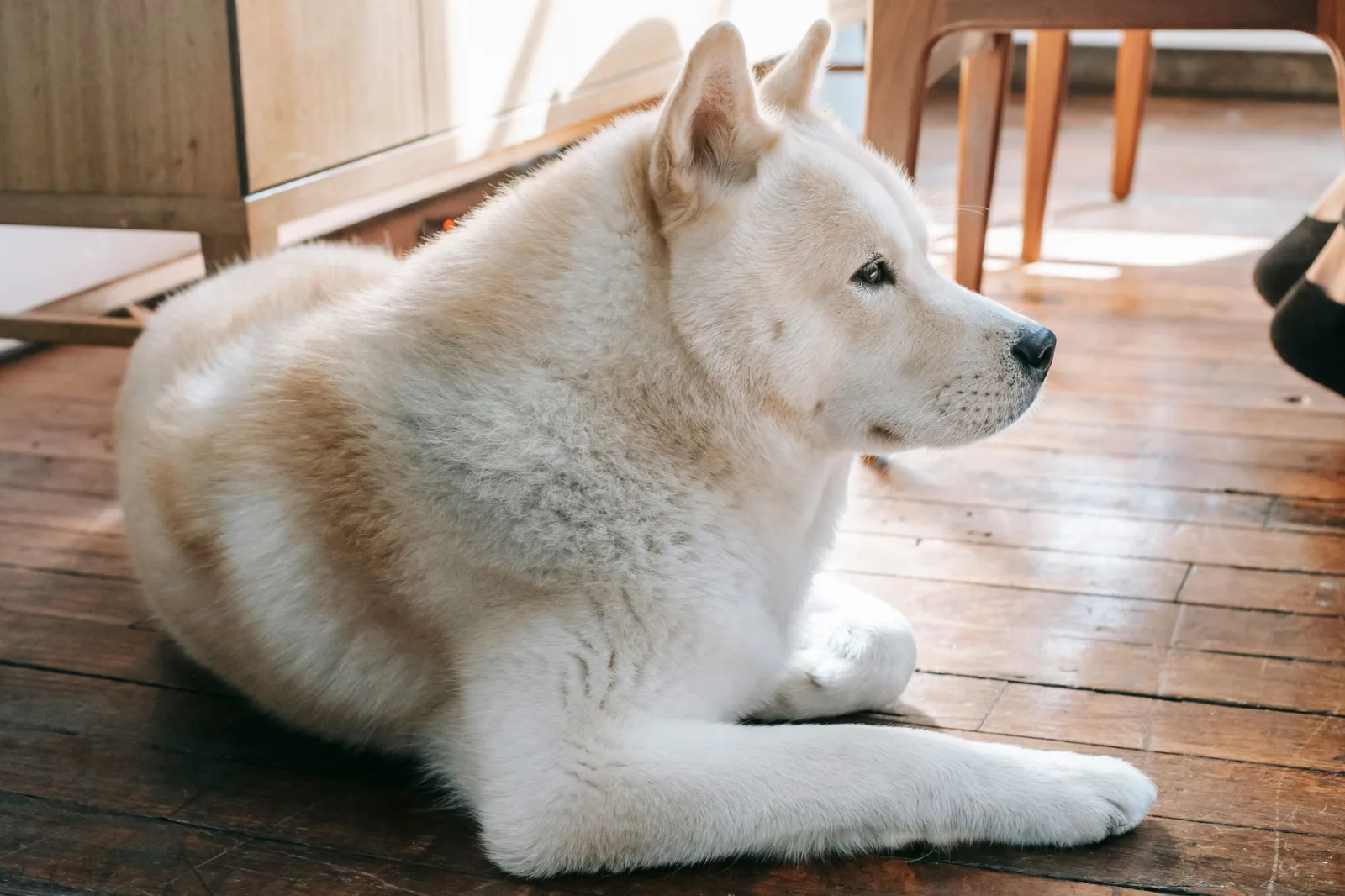
Every Akita profile blends practical care notes, breed traits, and everyday living guidance.
Breed Levels
How well this breed aligns with lifestyle factors.
Characteristics
Key traits that define this breed.
Appearance
Physical traits and distinctive features of this breed.
Individual pets may vary in appearance, temperament and needs. Early training, proper care and socialization help bring out the best in every companion.
Meet the Akita
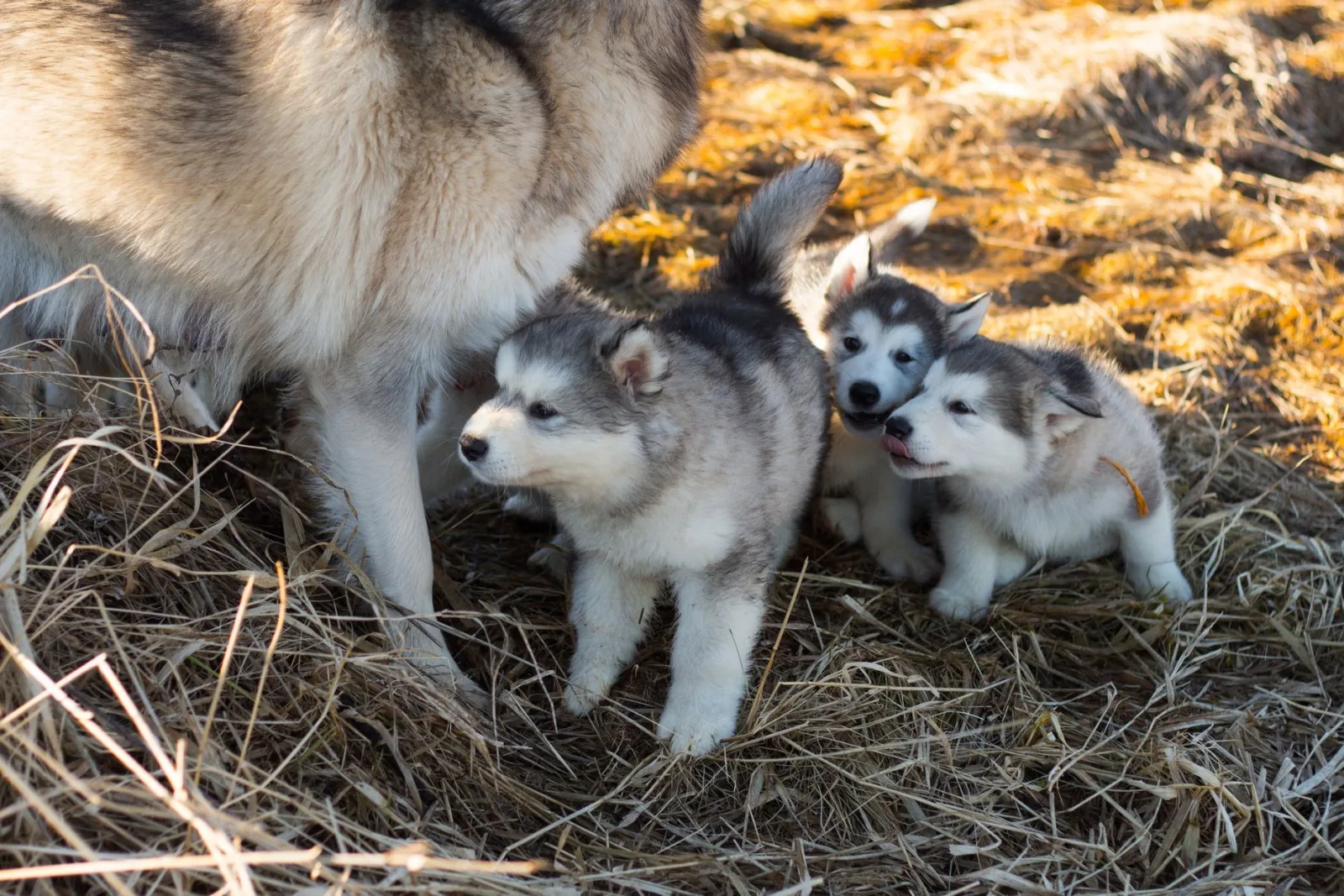
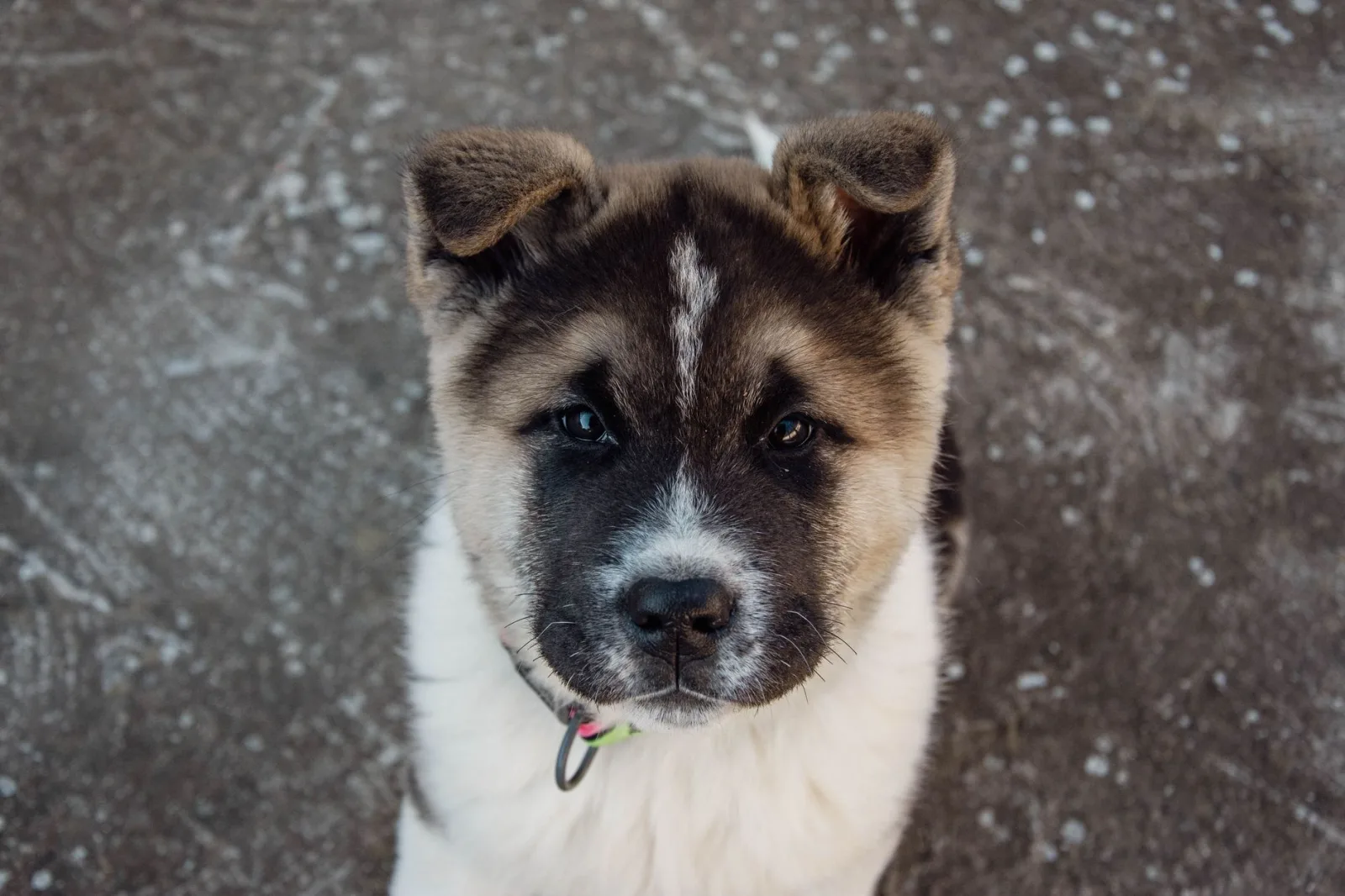
The Akita is a large, dignified spitz-type dog that originated in the mountains of northern Japan, where it was prized as a hunter of big game and later revered as a symbol of good health, loyalty and protection. Powerful and quietly confident, the Akita bonds deeply with its family while remaining aloof and watchful around strangers. Adults typically stand 61 to 71 cm tall, weigh 32 to 59 kg and live around 10 to 14 years.
A Storied Japanese Heritage
Few breeds carry as much cultural weight as the Akita. Declared a national treasure in its homeland, it is best remembered through Hachiko, the devoted Akita who waited at a Tokyo train station every day for his late owner for nearly a decade. That story captures the breed perfectly: an Akita's loyalty is profound and lifelong. The breed exists in two distinct types, the Japanese Akita Inu and the larger, bear-like American Akita.
Temperament and Family Life
With its own people the Akita is affectionate, calm and intensely loyal, often shadowing favourite family members around the house. It is naturally protective and territorial, making early, thorough socialisation essential. Many Akitas are same-sex dog-aggressive and have a strong prey drive, so careful introductions and supervision around other animals are important. This is a thinking, independent breed that responds best to patient, respectful, reward-based training rather than heavy-handed methods.
Exercise and Grooming
Akitas need moderate daily exercise such as brisk walks and secure off-lead play, but they are not built for endless running. Their dense double coat sheds steadily and blows out heavily twice a year, demanding frequent brushing during those seasonal moults and a weekly groom the rest of the time. On the plus side, Akitas are famously clean and almost cat-like in their grooming habits.
Health Considerations
Responsible breeders screen their lines for several conditions seen in the breed:
- Hip dysplasia and other joint issues common to large breeds
- Autoimmune disorders and thyroid problems, which the breed can be prone to
- Bloat (gastric torsion), a serious risk in deep-chested dogs
- Progressive retinal atrophy and other eye conditions
Is an Akita Right for You?
The Akita suits experienced, confident owners who can provide consistent leadership, early socialisation and a secure home. It is devoted, dignified and a superb guardian, but its strength, independence and protective instincts make it a poor match for first-time owners or busy households that cannot commit to training and supervision. For the right person, an Akita is a loyal companion of rare depth.