Australian Shepherd
An energetic American herding breed known for intelligence, athleticism and strong working drive.
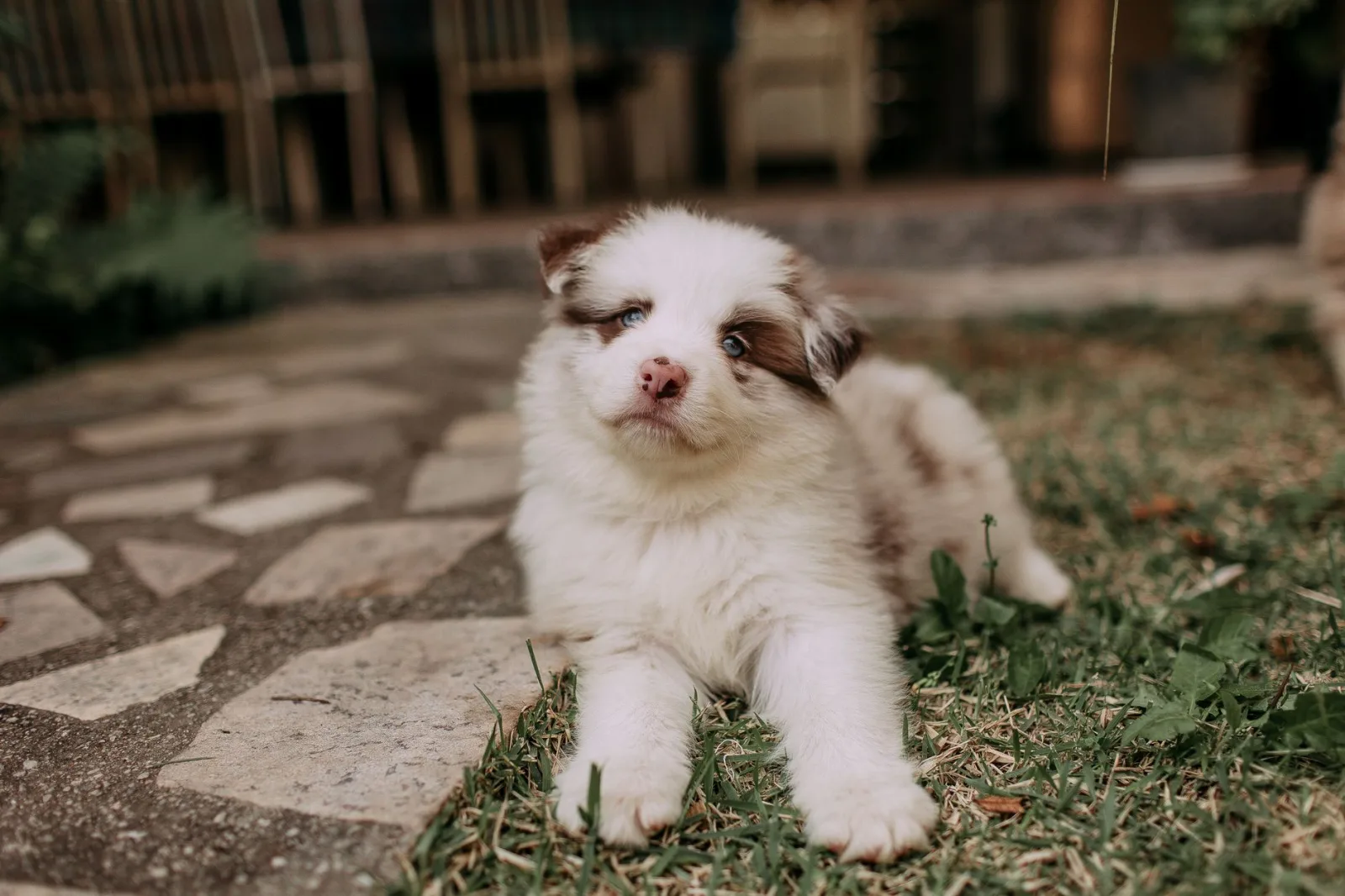
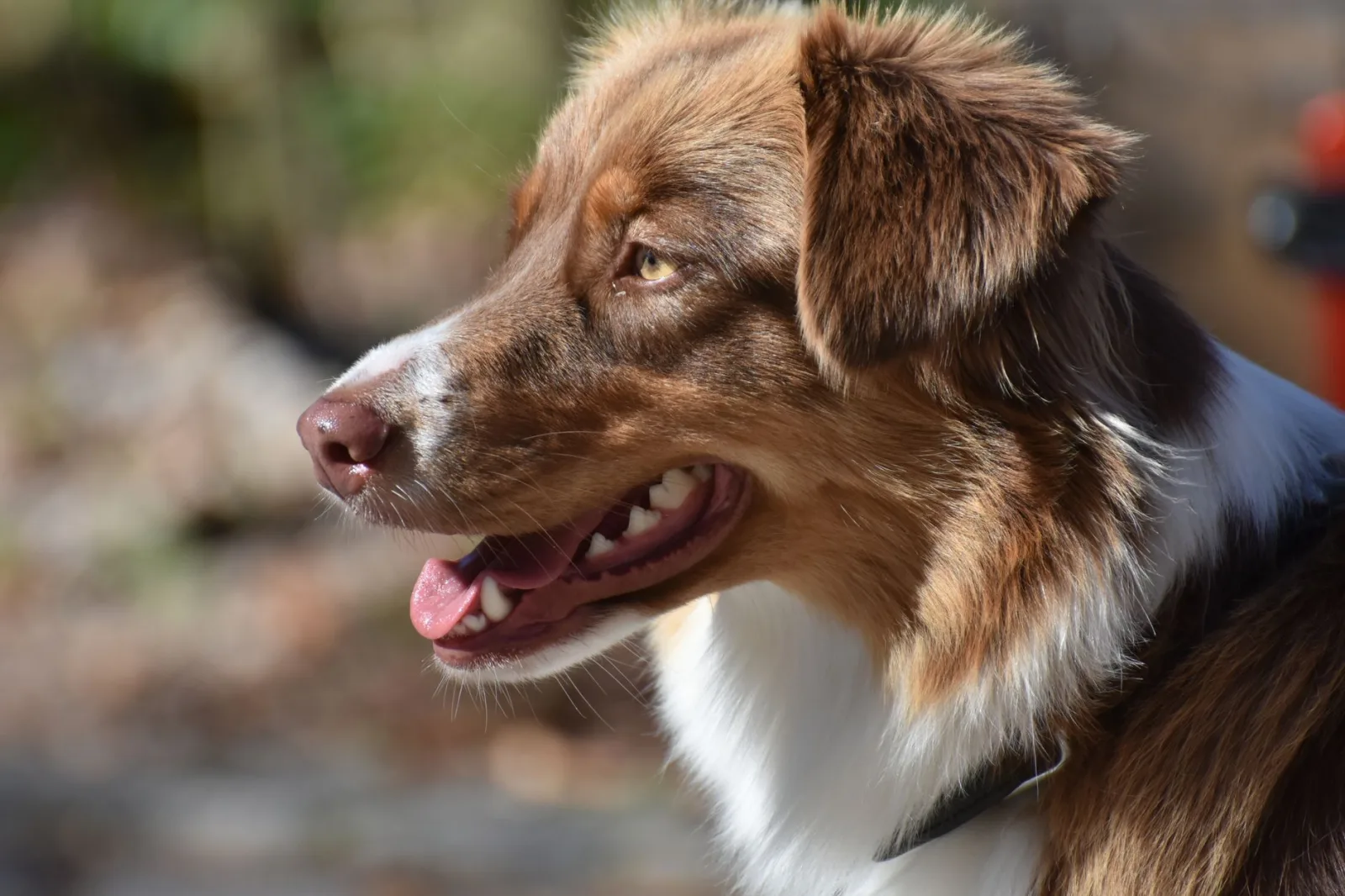
Every Australian Shepherd profile blends practical care notes, breed traits, and everyday living guidance.
Breed Levels
How well this breed aligns with lifestyle factors.
Characteristics
Key traits that define this breed.
Appearance
Physical traits and distinctive features of this breed.
Individual pets may vary in appearance, temperament and needs. Early training, proper care and socialization help bring out the best in every companion.
Australian Shepherd Overview
The Australian Shepherd, affectionately nicknamed the "Aussie," is a medium-sized herding dog built for stamina, agility and constant partnership with its handler. Standing roughly 46-58 cm at the shoulder and weighing in at 16-29 kg, this athletic breed pairs a striking, often multi-coloured coat with a sharp, problem-solving mind. With a typical lifespan of 12-15 years, an Aussie offers more than a decade of energetic companionship to the right household. Their core temperament is best summed up as intelligent, work-oriented, exuberant and loyal, which makes them devoted family members but demanding pets for anyone expecting a calm lapdog.
Origin: Myth versus Fact
The name is one of the most persistent misnomers in the dog world. Despite the label, the breed did not develop in Australia. The Australian Shepherd was shaped and refined in the United States, where it became a fixture on ranches across the American West during the 19th and 20th centuries. The "Australian" tag is thought to trace back to imported herding dogs and Basque shepherds who passed through Australia before arriving in the western states, lending the breed an exotic-sounding name that simply stuck.
What is undeniable is the breed's working pedigree. Aussies earned their reputation moving sheep and cattle across vast, rugged terrain, and that ranching heritage still defines their drive today. Understanding this western-ranch origin helps explain why the modern Aussie is so restless without a genuine purpose.
A Working Mind That Never Switches Off
Few breeds rival the Aussie for raw intelligence and trainability. They read body language, anticipate commands and learn new tasks with remarkable speed, which is why they excel at agility, herding trials, obedience, search-and-rescue and as service dogs. That same brilliance has a flip side: a bored Aussie will invent its own jobs, often herding children, chasing bicycles or developing nuisance habits. Channelling their natural herding drive into structured activities keeps the behaviour constructive rather than chaotic.
Exercise and Mental Stimulation
This is not a breed for the sedentary. The Australian Shepherd carries some of the highest exercise and stimulation requirements of any companion dog, and meeting them is non-negotiable. A short walk around the block will never be enough.
- Plan for one to two hours of vigorous daily activity such as running, fetch, hiking or off-lead play in a secure space.
- Pair physical exercise with mental work like puzzle feeders, scent games, trick training and obedience drills.
- Consider a canine sport such as agility, flyball, rally or herding to give the dog a true outlet.
An under-exercised Aussie commonly turns to barking, digging, pacing and destructive chewing, so consistent stimulation is the single biggest factor in keeping one happy.
The Merle Coat and Grooming
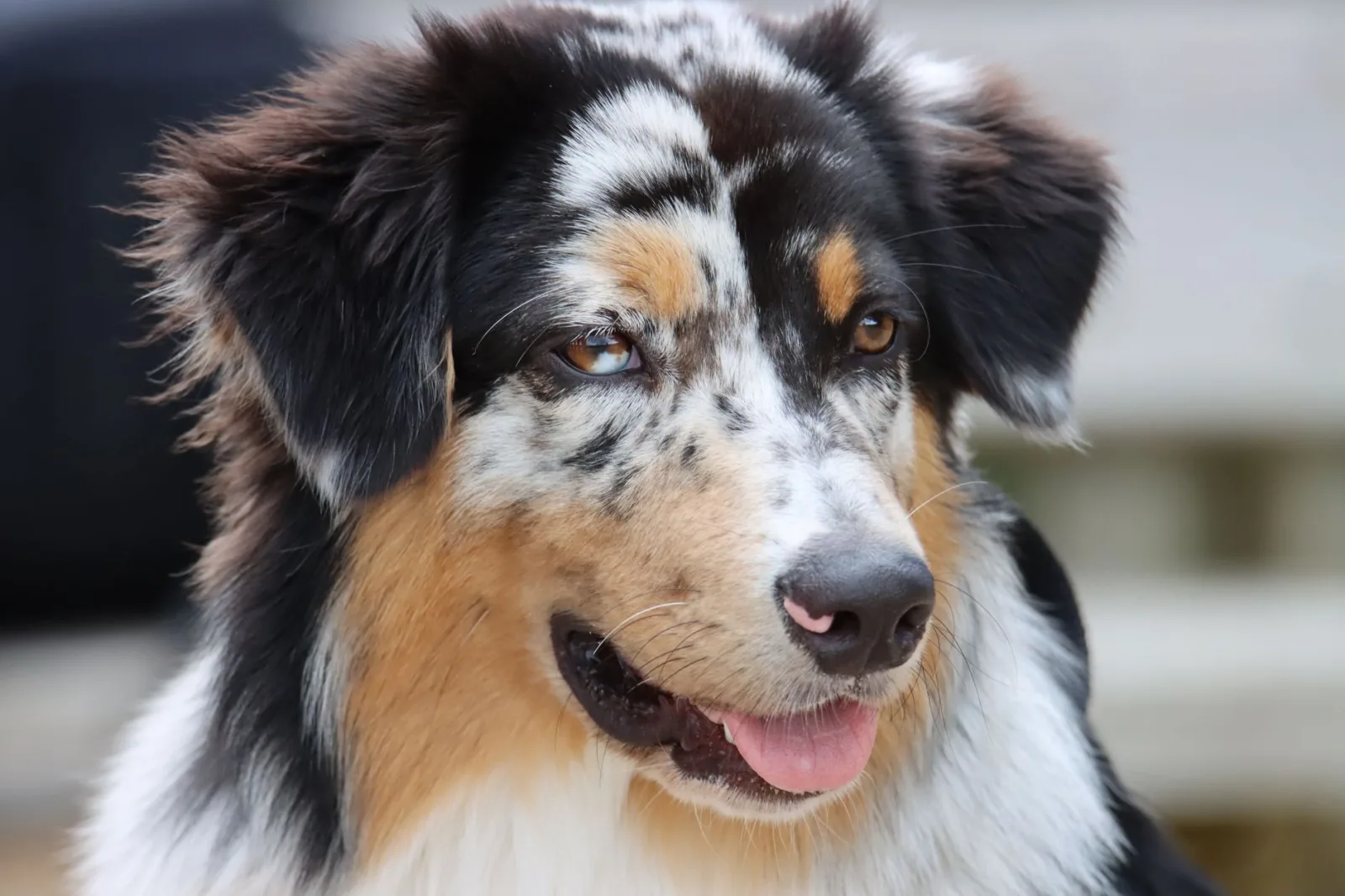
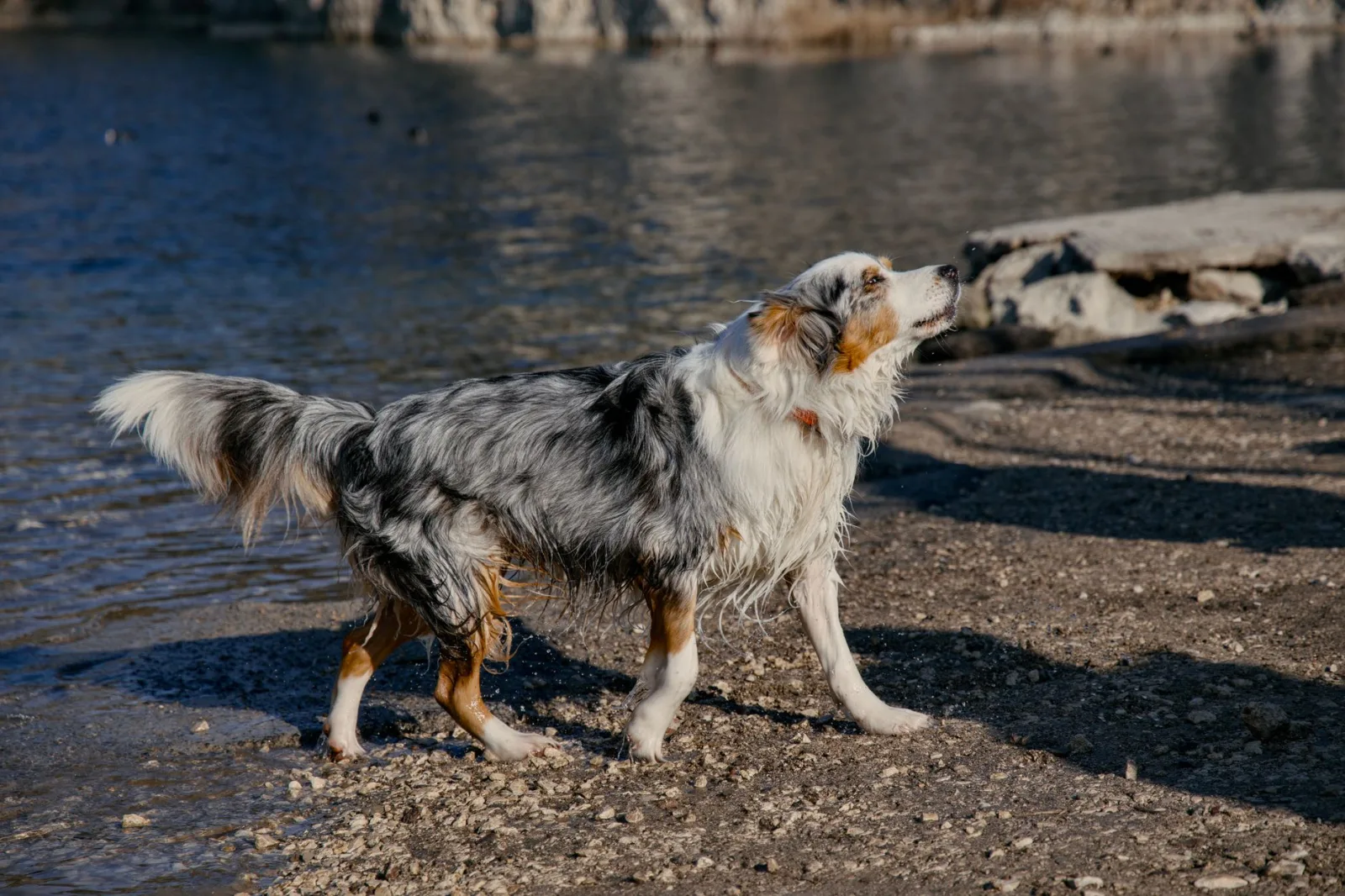
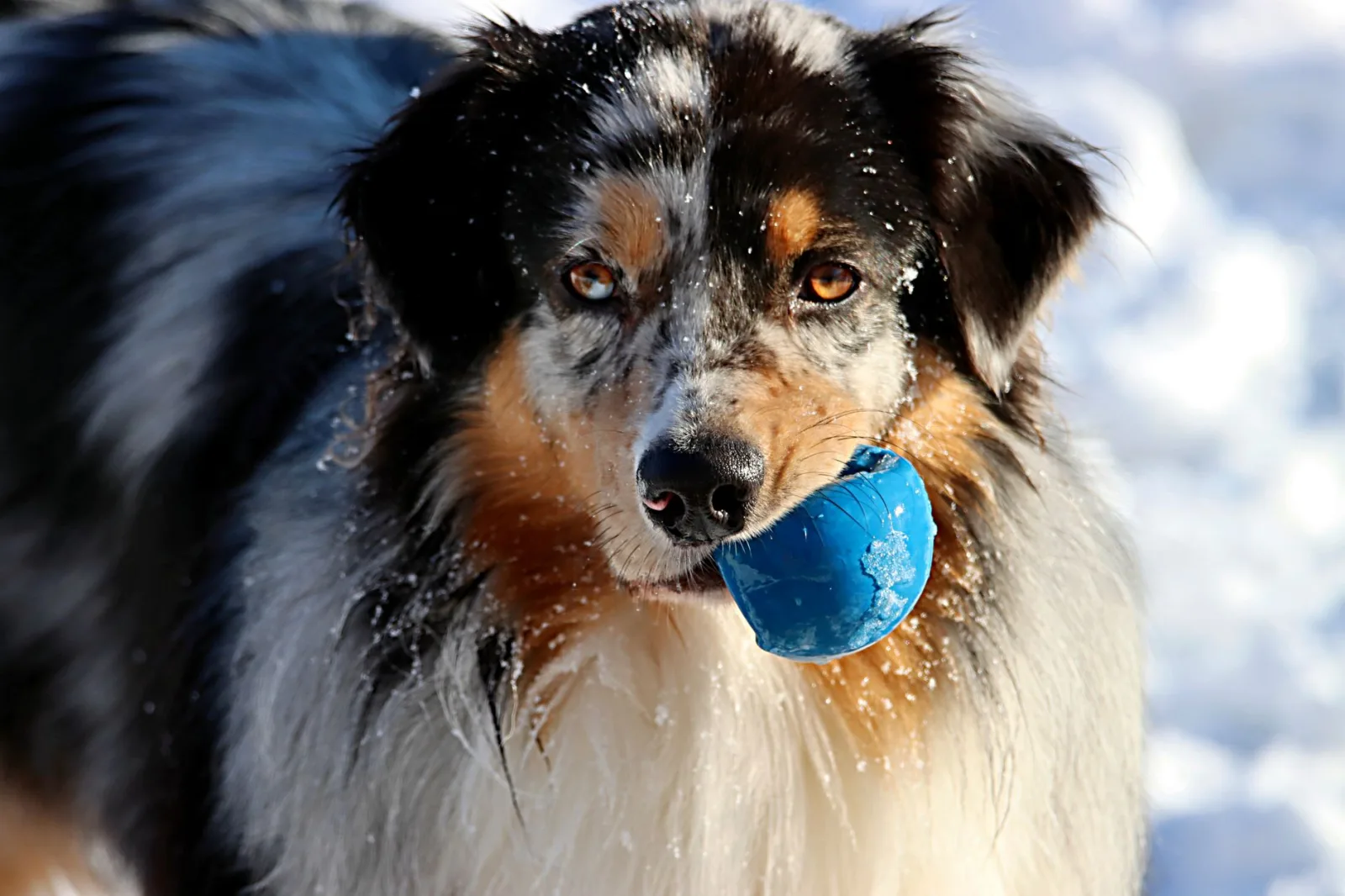
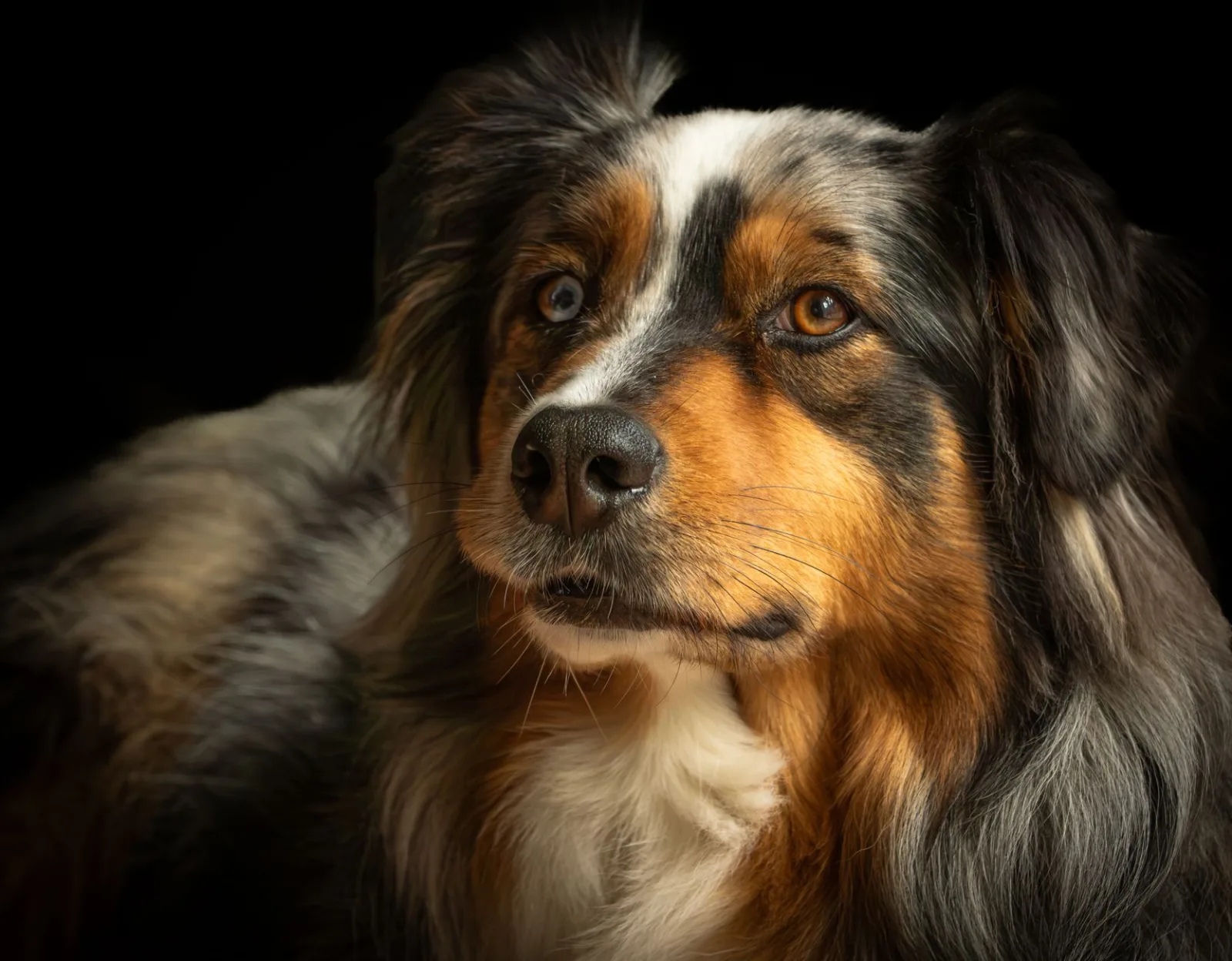
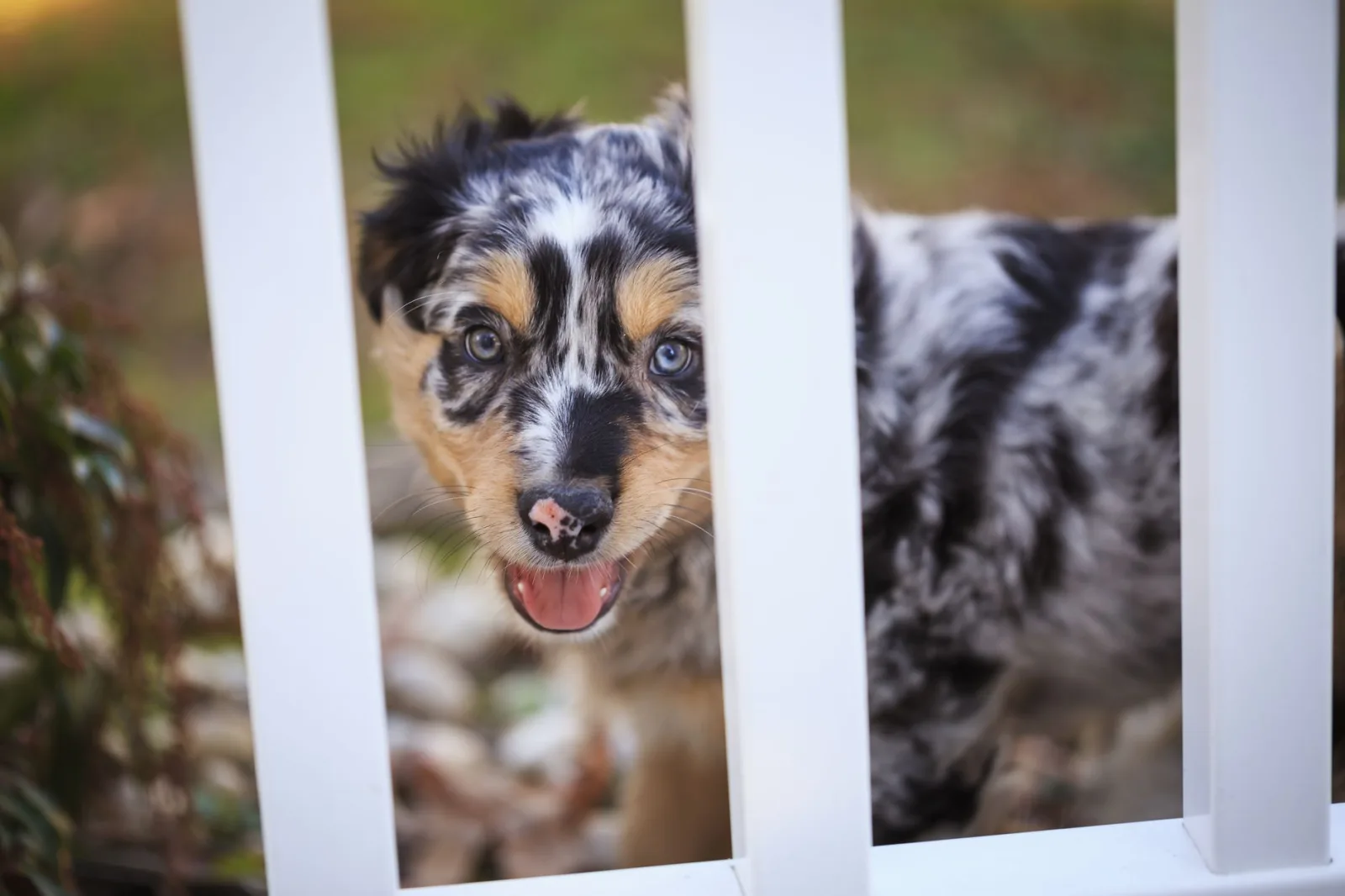
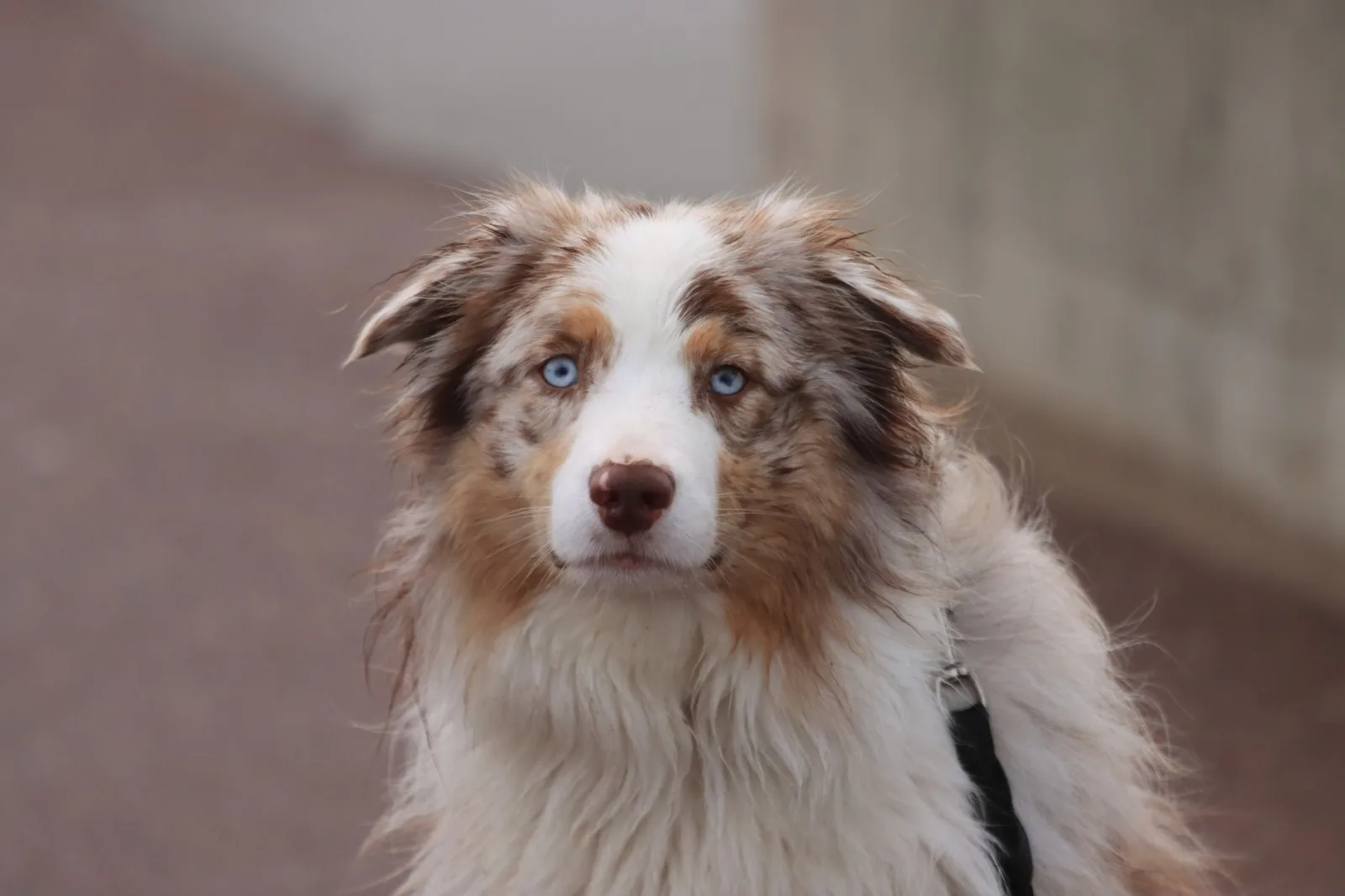
Aussies are famous for their eye-catching colours, including the marbled merle pattern that produces mottled coats and sometimes pale blue or split-coloured eyes. The medium-length double coat sheds steadily and "blows" heavily during seasonal changes. Grooming needs are moderate rather than intensive: a thorough brushing two or three times a week controls loose hair and prevents matting behind the ears and on the legs, with more frequent sessions during heavy shedding periods. Routine nail trims, ear checks and dental care round out a manageable upkeep routine.
Health Considerations
Australian Shepherds are generally robust, but responsible owners should be aware of a few breed-linked concerns. Most notably, many Aussies carry the MDR1 gene mutation, which causes sensitivity to certain common medications, including some parasite treatments and anaesthetics. A simple DNA test identifies affected dogs, and sharing that result with your veterinarian helps avoid dangerous drug reactions.
The merle gene also brings genetic risk. Breeding two merle dogs together can produce "double merle" puppies with a high incidence of deafness and serious eye defects, which is why ethical breeders never pair merle to merle. Beyond these, the breed can be prone to hip and elbow dysplasia, certain inherited eye conditions and epilepsy, so buying from a breeder who screens their stock is well worth the effort.
Who the Australian Shepherd Suits
The Aussie is the ideal partner for active, engaged owners who want a dog woven into daily life rather than parked in a yard. Runners, hikers, dog-sport enthusiasts and rural or ranch households tend to thrive with one. They form intensely loyal bonds, are wonderful with families who include them in activities, and reward training generously.
They are a poor match, however, for apartment dwellers with limited time, first-time owners seeking an easy dog, or anyone unable to commit to substantial daily exercise and ongoing mental work. Choose an Australian Shepherd only if you can match its boundless energy with purpose, structure and companionship.