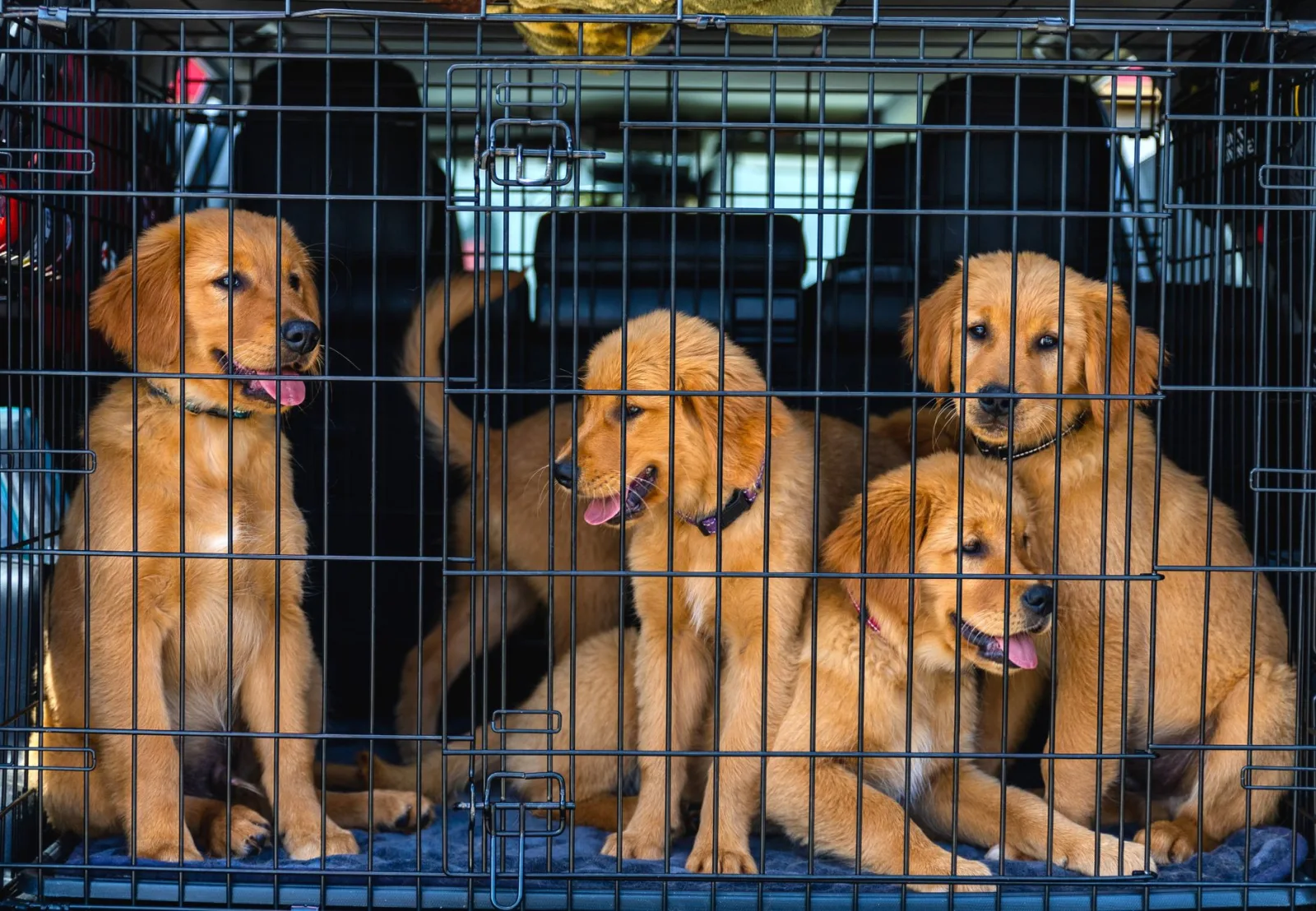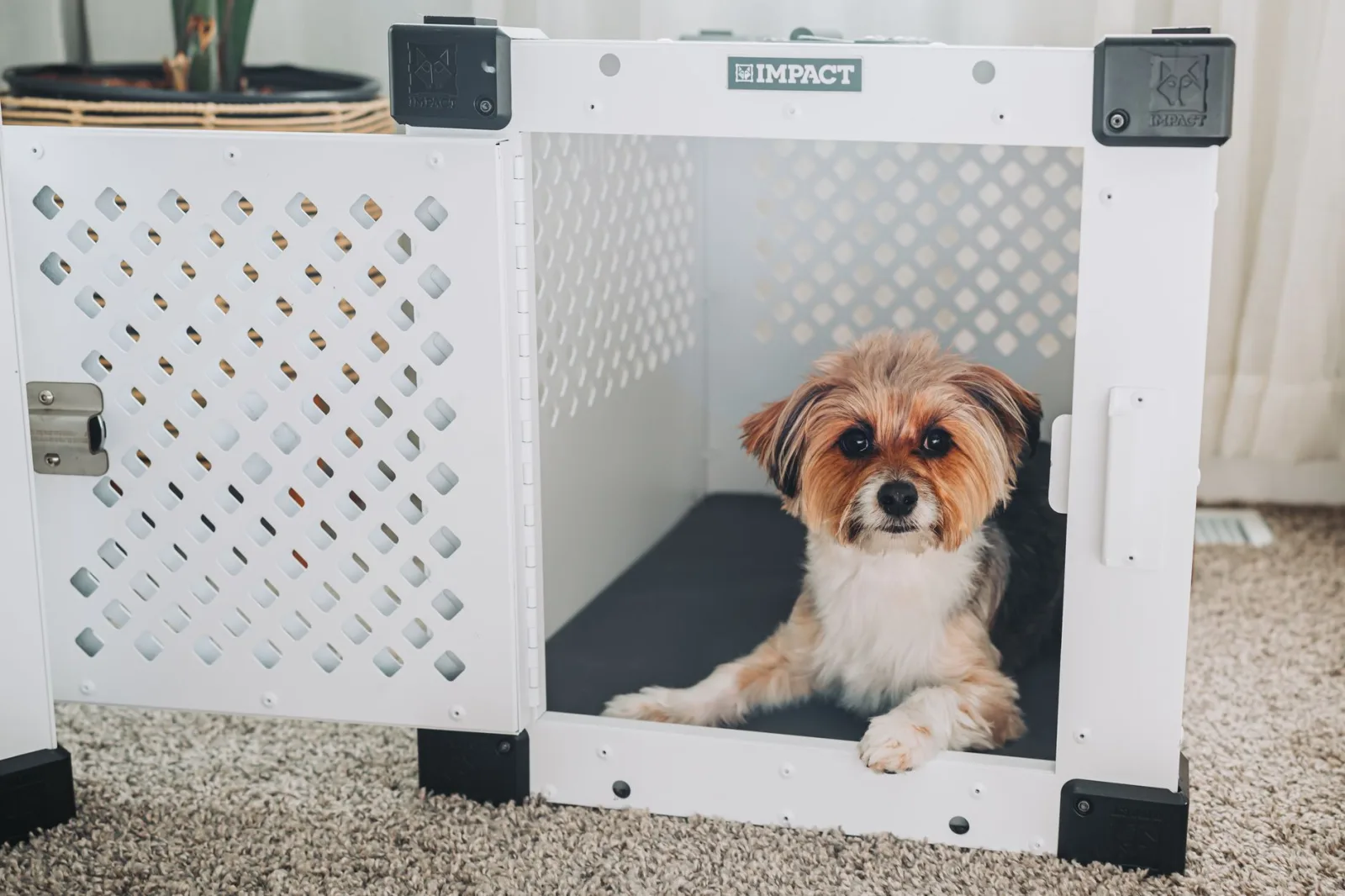
A crate, introduced properly, gives a new dog a den of their own: a safe, calm place to retreat, an aid to house-training, and a way to keep them secure when you cannot supervise. The key word is gently — a crate should never be used as punishment or a place a dog is forced into.
Make it a good place
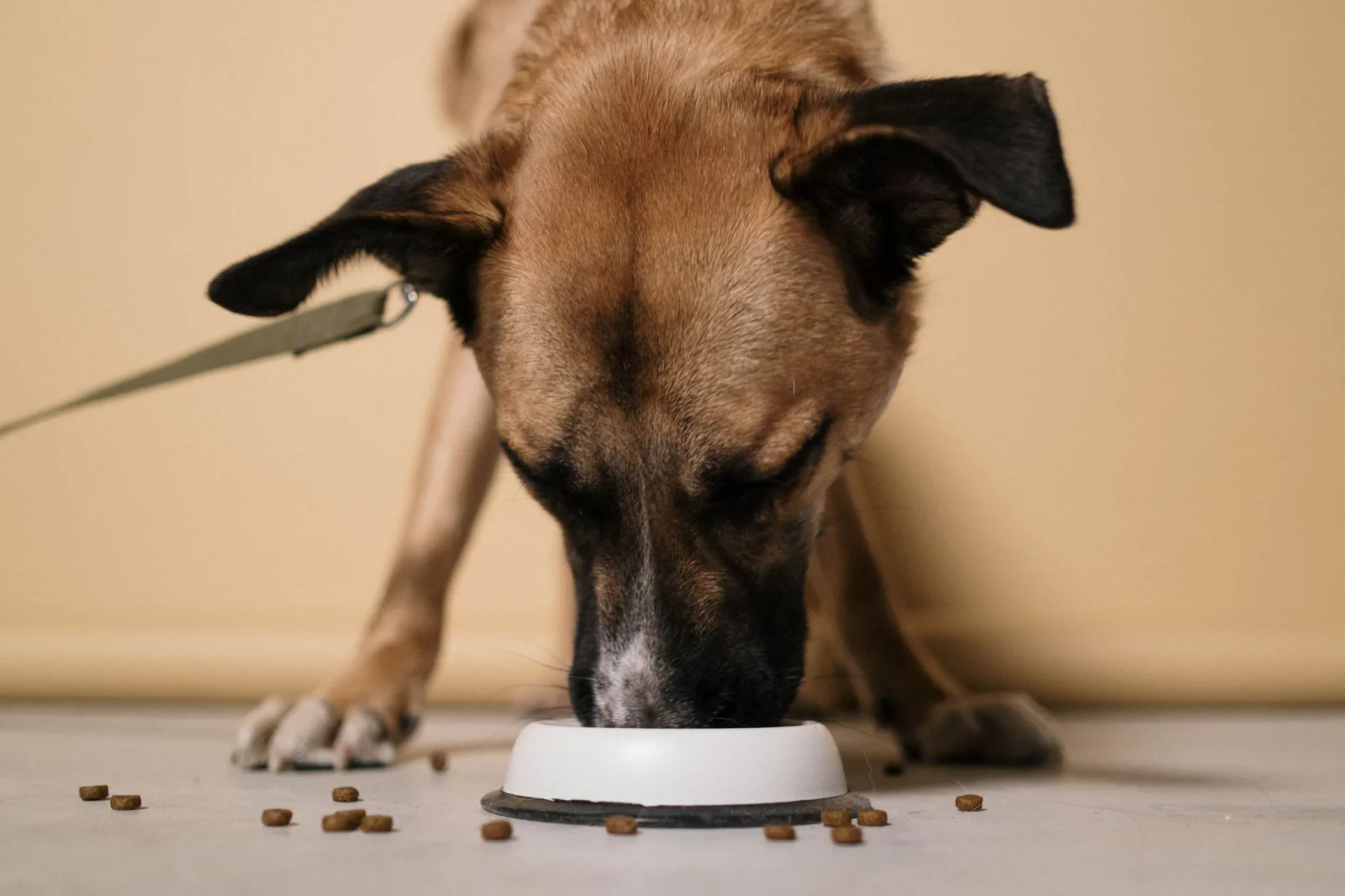
Set the crate up in a quiet but not isolated corner with a soft bed inside. Leave the door open and toss treats and a favourite toy inside so your dog chooses to explore it. Feed meals near and then inside the crate so it becomes associated with good things. Never shut the door in these early sessions.
Build up duration
- Once your dog happily goes in, start closing the door for a few seconds while you sit nearby, then open it.
- Gradually extend the time and step out of sight, returning before any anxiety builds.
- Use a stuffed chew toy to make crate time genuinely pleasant.
- Keep early sessions short and always end calmly, never in response to whining.
Golden rules
Match crate time to your dog's age — puppies cannot hold their bladder for long and need frequent breaks. Never use the crate as a place of punishment, and never leave a distressed dog shut in. Done right, most dogs come to take themselves off to the crate to nap, which is exactly the goal.