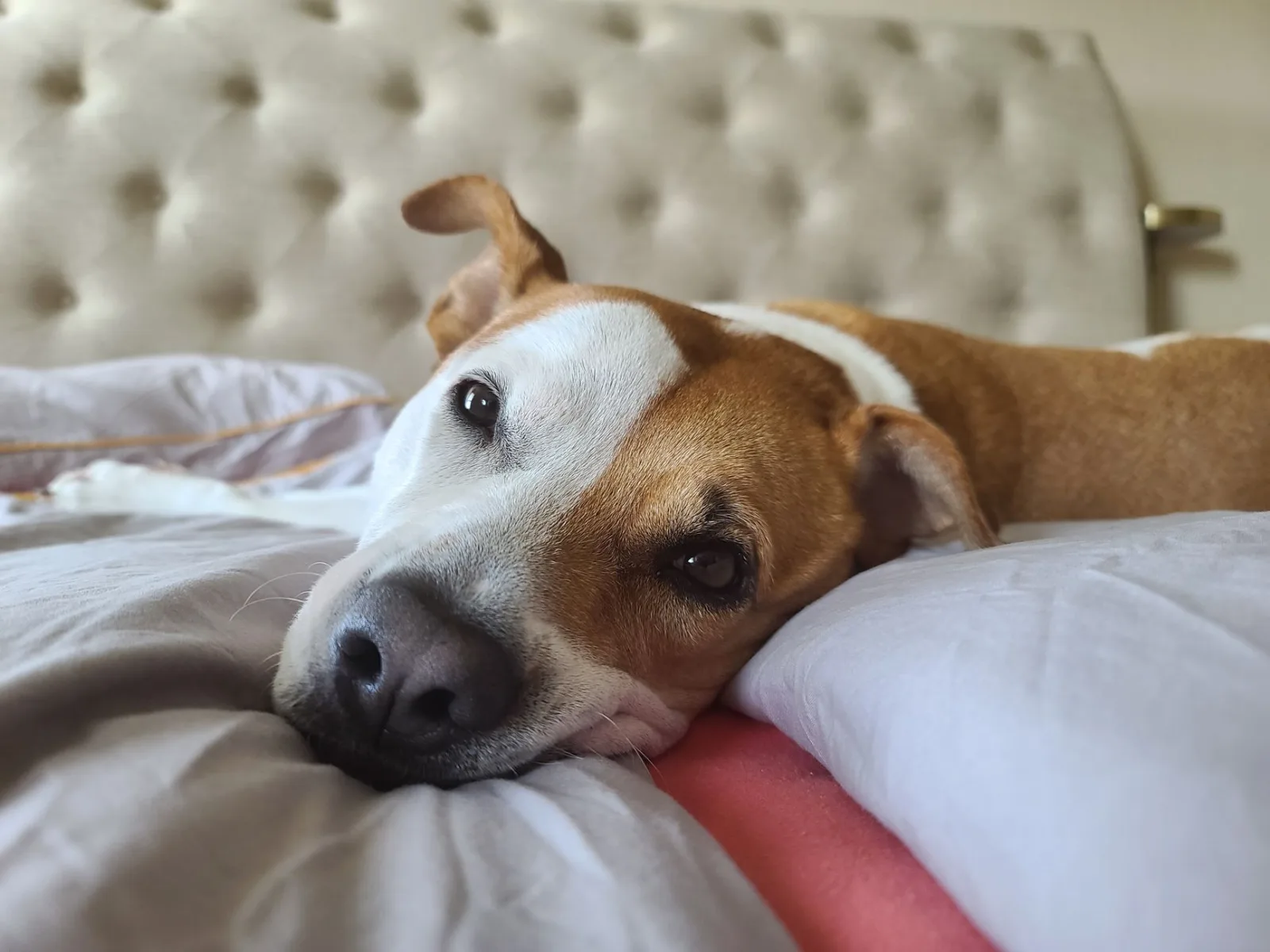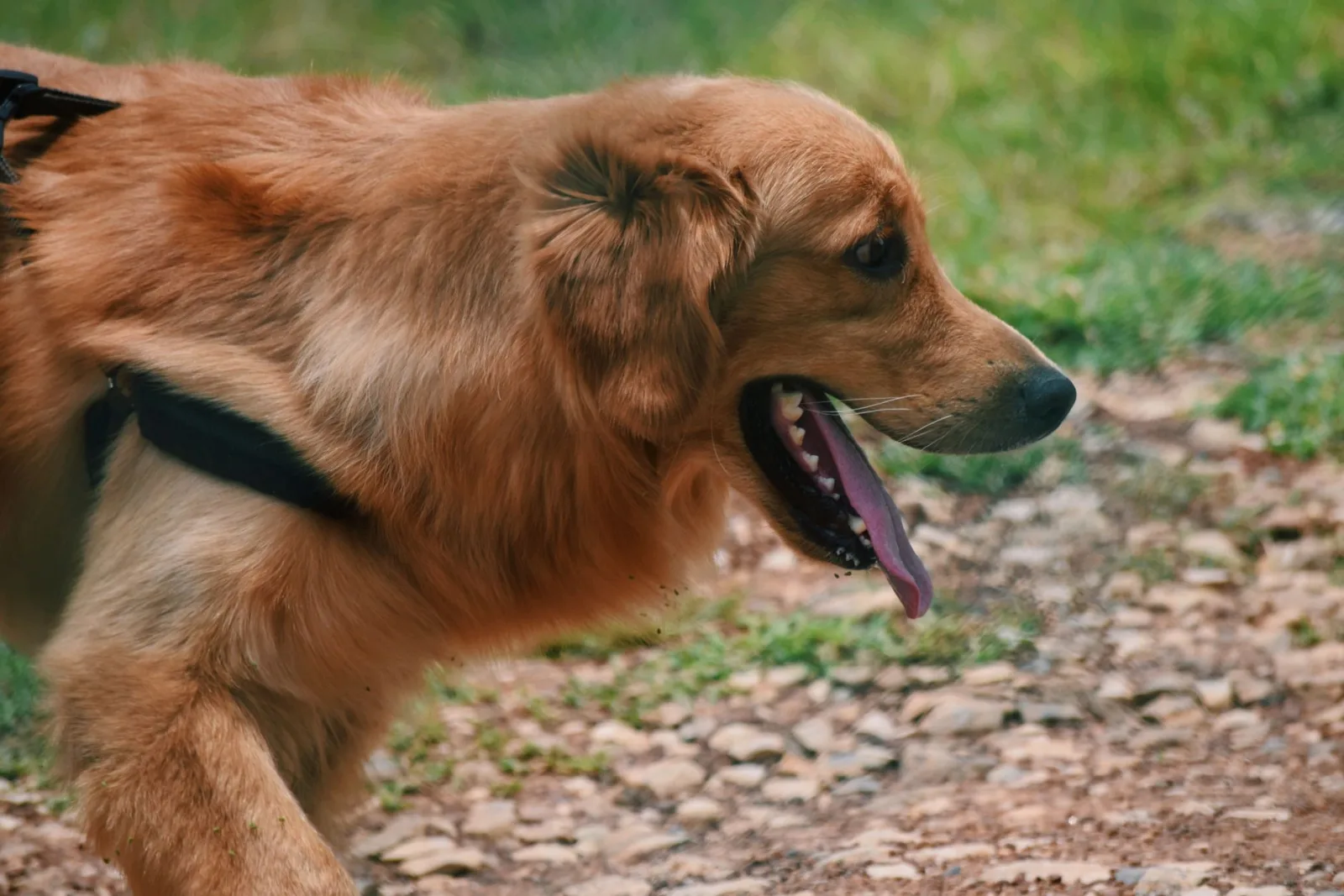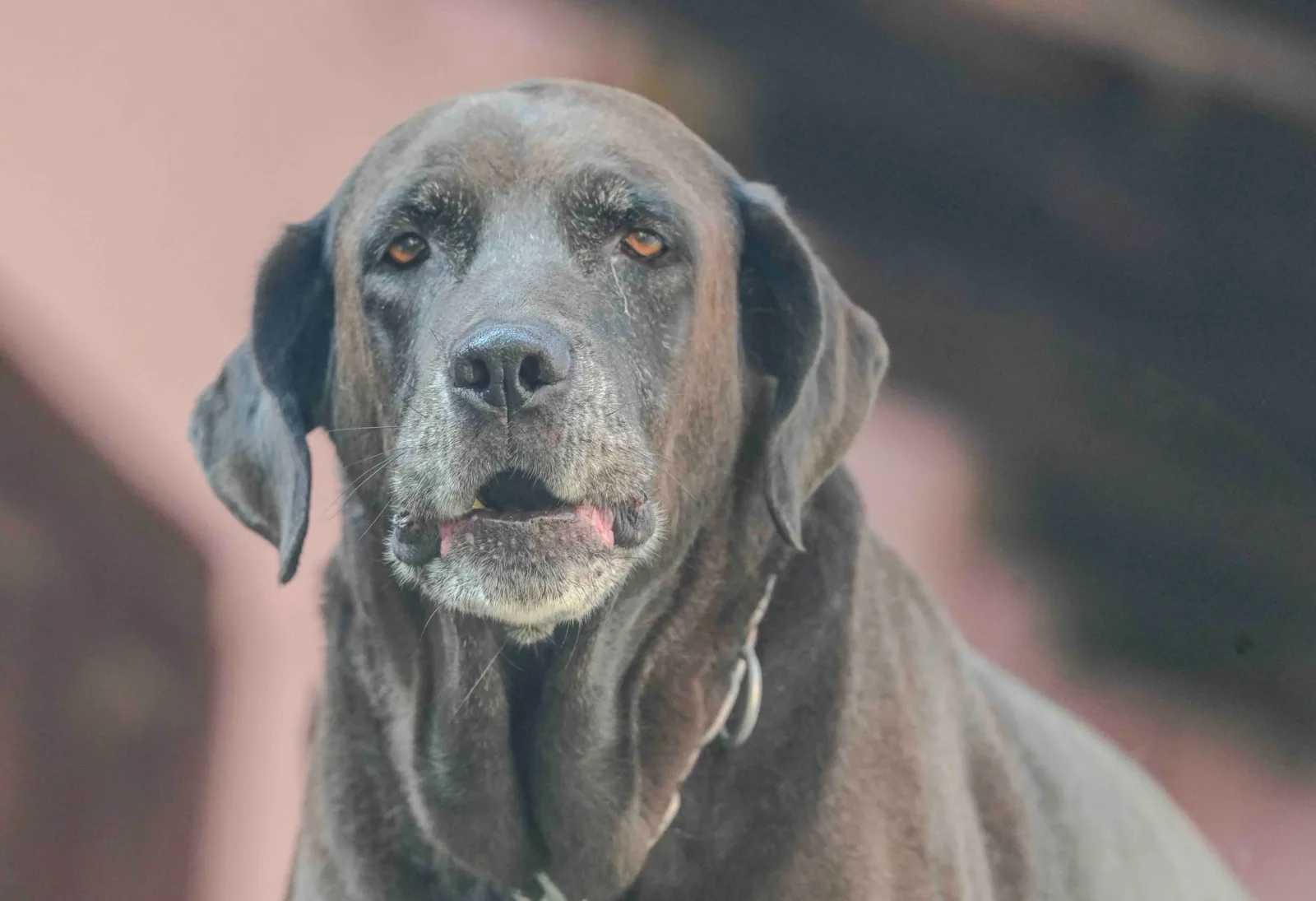
A senior dog isn't a sick dog. Large breeds are considered senior around age six, medium breeds around seven, and small breeds around nine or ten. The changes are gradual but real — and the response is small adjustments to environment, diet, and routine, not a sudden overhaul.
Switch to twice-yearly vet visits
Annual check-ups are too infrequent for senior dogs. Twice-yearly bloodwork catches kidney, liver, thyroid, and adrenal problems before symptoms appear. Add a baseline x-ray of the hips and lower spine at age eight — it becomes the reference for comparing later changes.
Diet shifts from "fuel" to "function"
Senior dog foods are lower in calories (older dogs move less) but higher in protein quality (older dogs need more protein, not less, to maintain muscle mass). Fish oil supplementation supports joints, brain, and coat. Glucosamine and chondroitin work best when started before arthritis becomes visible — by the time the limp shows, much of the cartilage is already gone.
Adjust the home
Add ramps for couches, cars, and beds. Non-slip rugs on tile floors. A raised feeding station to reduce neck strain. Orthopaedic memory-foam beds in two or three favourite spots so they don't have to choose between comfort and being near you.
Keep moving — just differently
Two short walks beat one long one. Swap fetch for sniffing walks where the dog sets the pace. Add gentle puzzle toys for mental work. Hydrotherapy clinics are increasingly available in metros and are transformative for arthritic dogs.
Watch for the slow changes
Cognitive decline, declining hearing, fading vision, joint stiffness, and dental disease all creep in. Note what you notice. The vet can act on patterns you observe at home that they don't see in a five-minute examination.