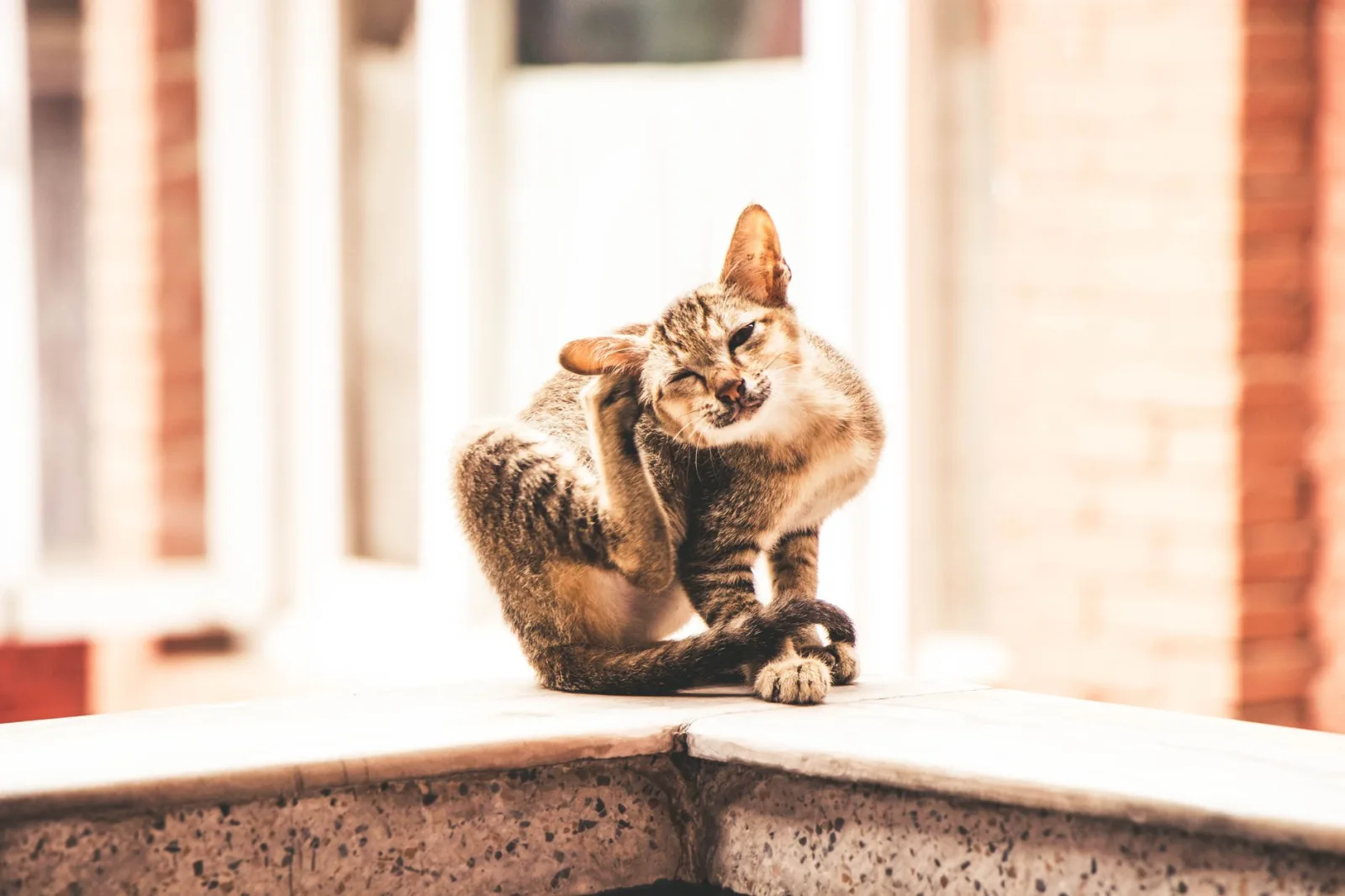
When people get seasonal allergies they sneeze and their eyes water. Dogs do something different: they itch. Pollens, grasses, dust mites and mould trigger an allergic response that shows up mostly in the skin, which is why owners often miss it until the scratching has already caused damage.
Early signs to catch
- Licking or chewing the paws, often until they stain a rusty brown
- Scratching the belly, armpits, face and ears more than usual
- Recurring ear infections or head-shaking
- Rubbing the face against furniture or the floor
- Patchy hair loss or red, irritated skin
Why early action matters
Allergic itching sets off a cycle: scratching breaks the skin, broken skin gets infected, and the infection itches even more. Catching it at the licking-and-scratching stage, before the skin is raw, makes it far easier to control and far cheaper to treat.
What you can do
Wipe your dog's paws and belly after walks to remove pollen, bathe with a gentle vet-recommended shampoo to soothe the skin, and keep a note of when flare-ups happen — the timing helps your vet pinpoint the trigger. If the itching is constant or the skin is broken, see your vet; modern allergy treatments are safe and very effective.