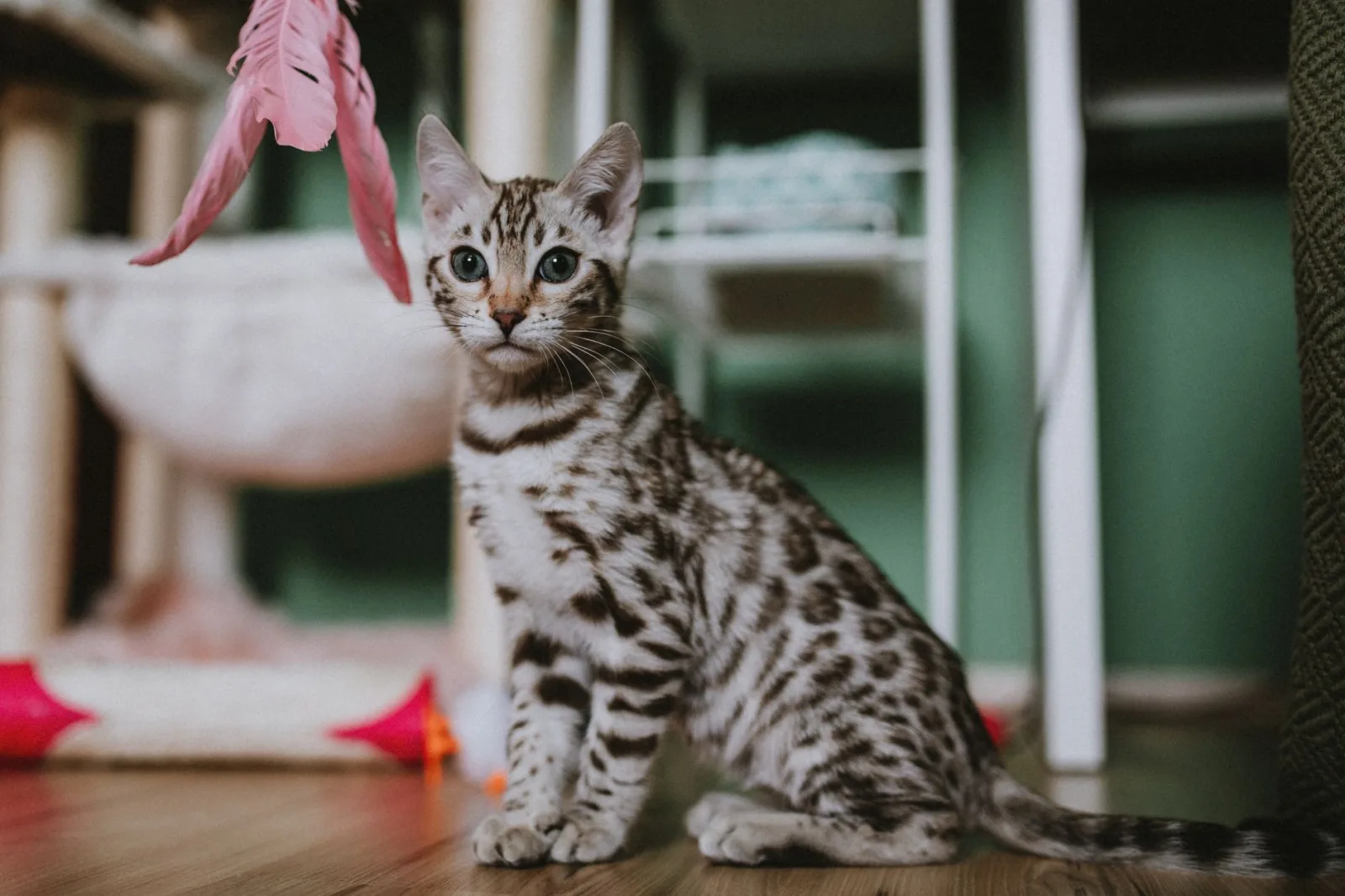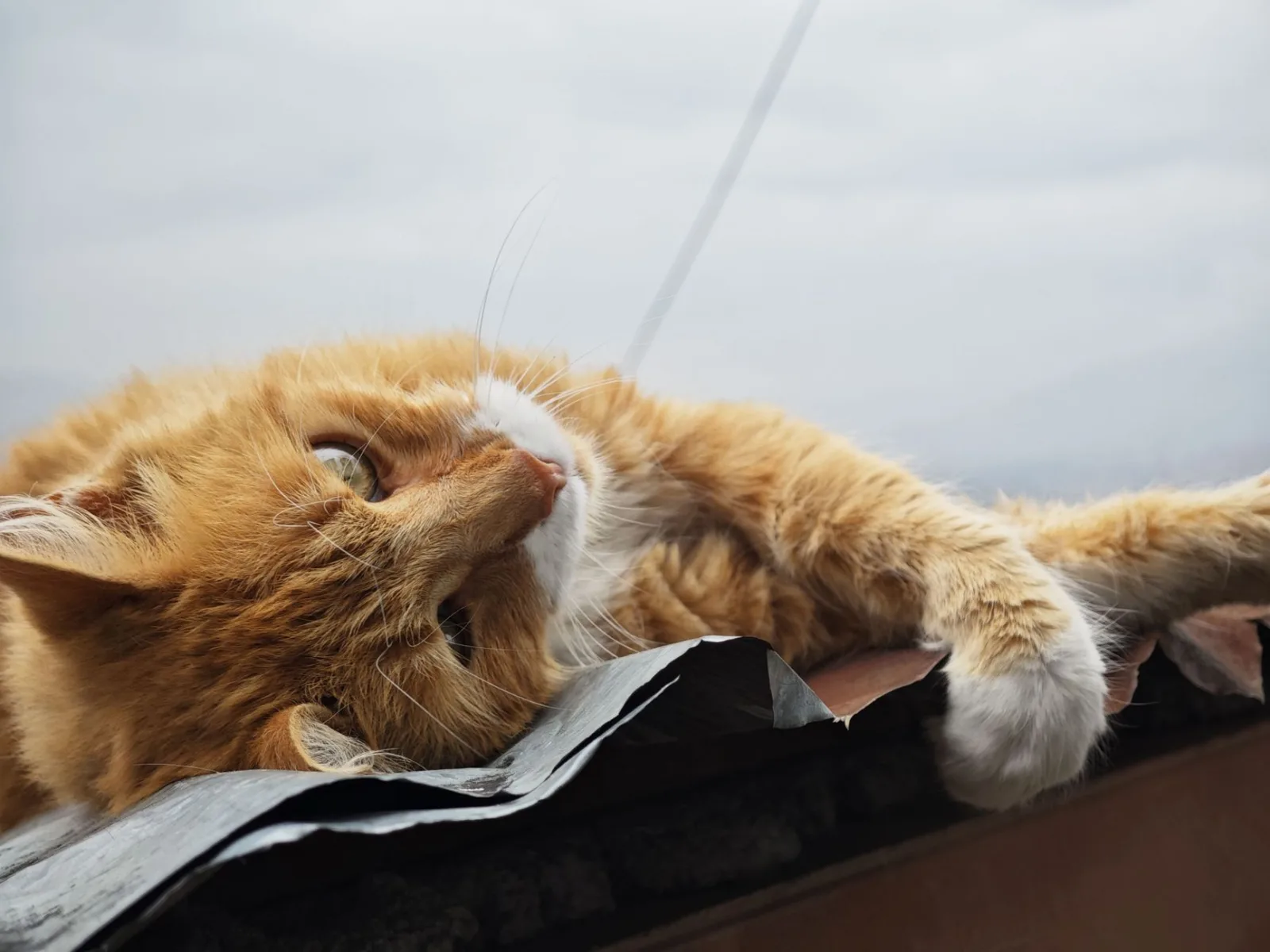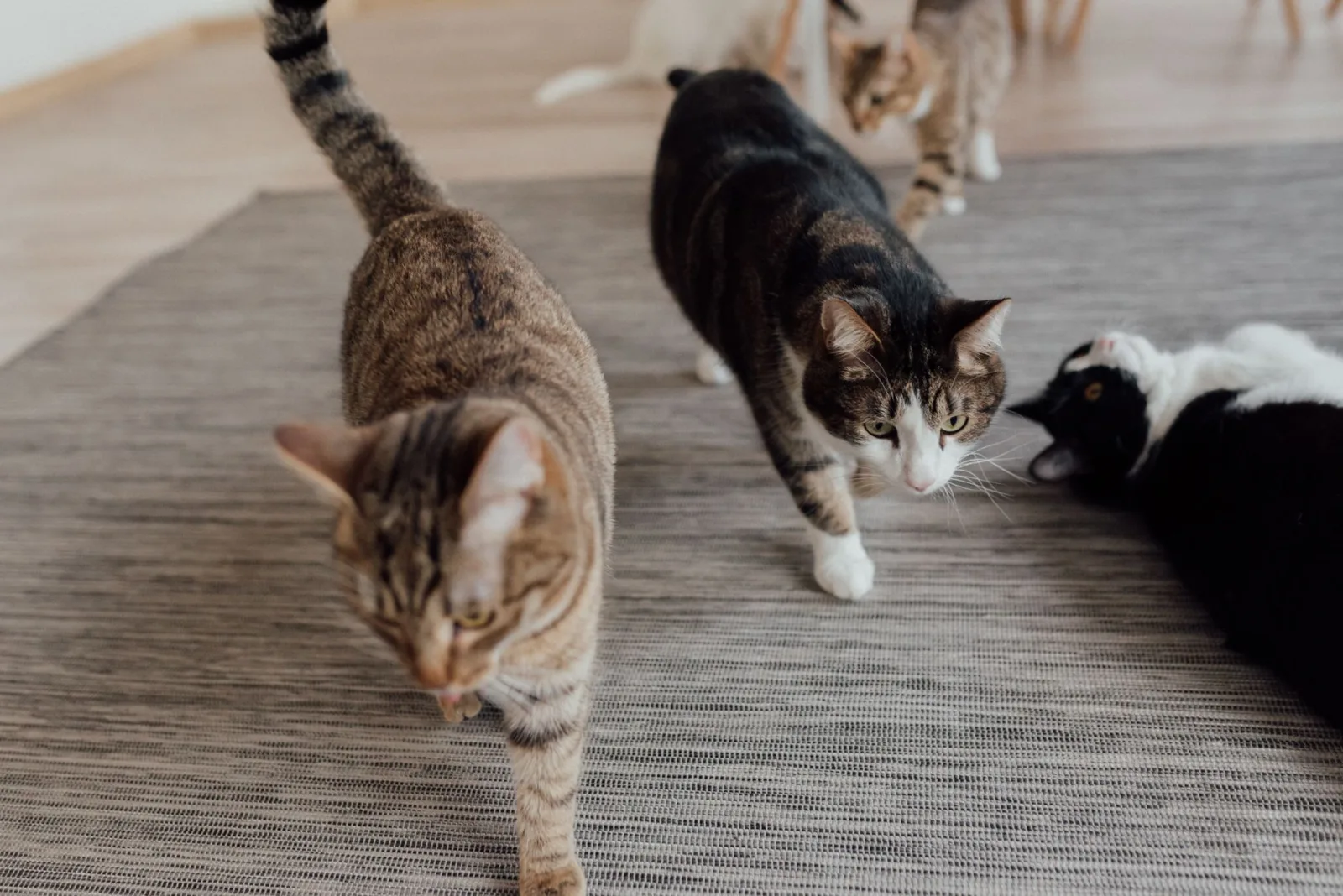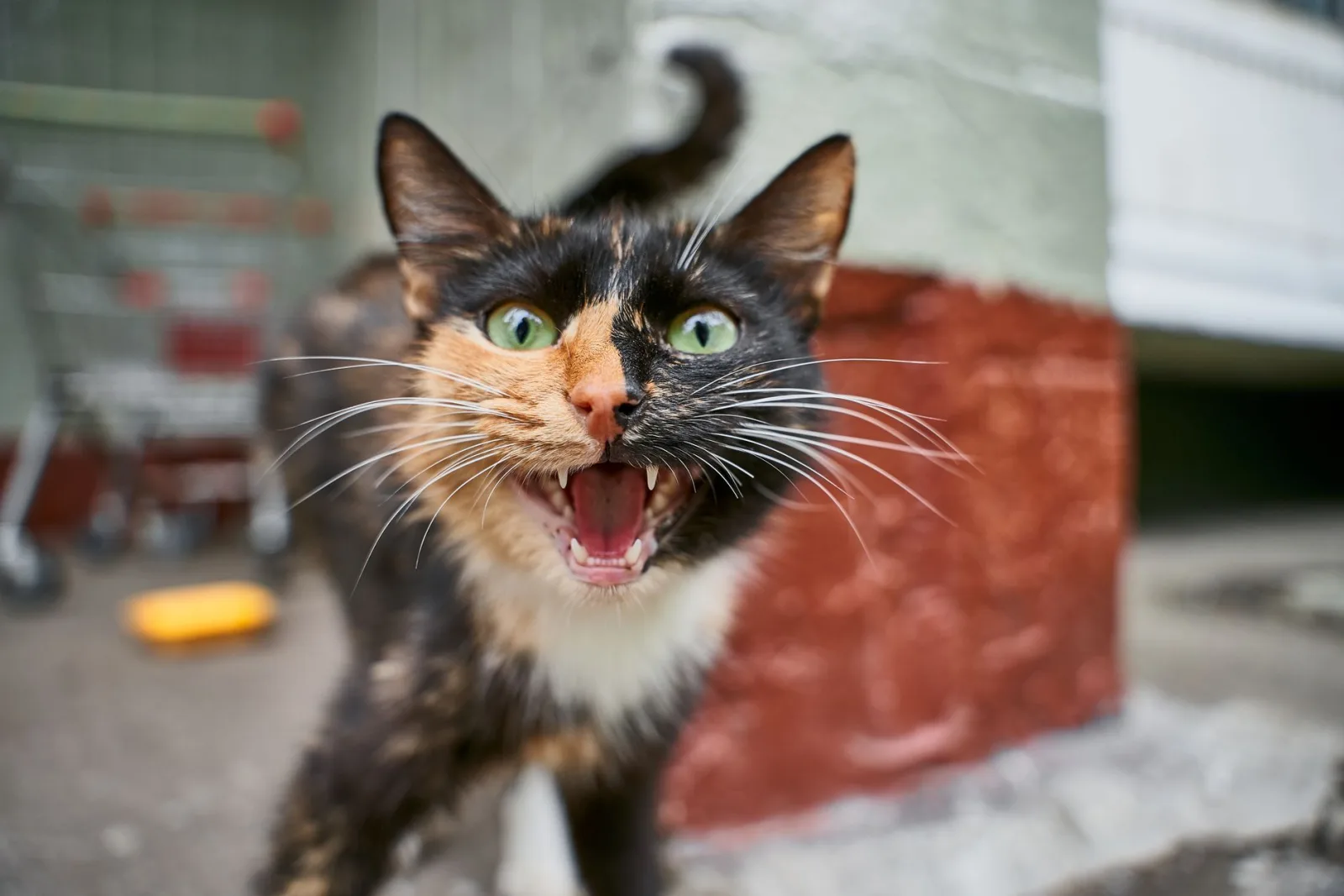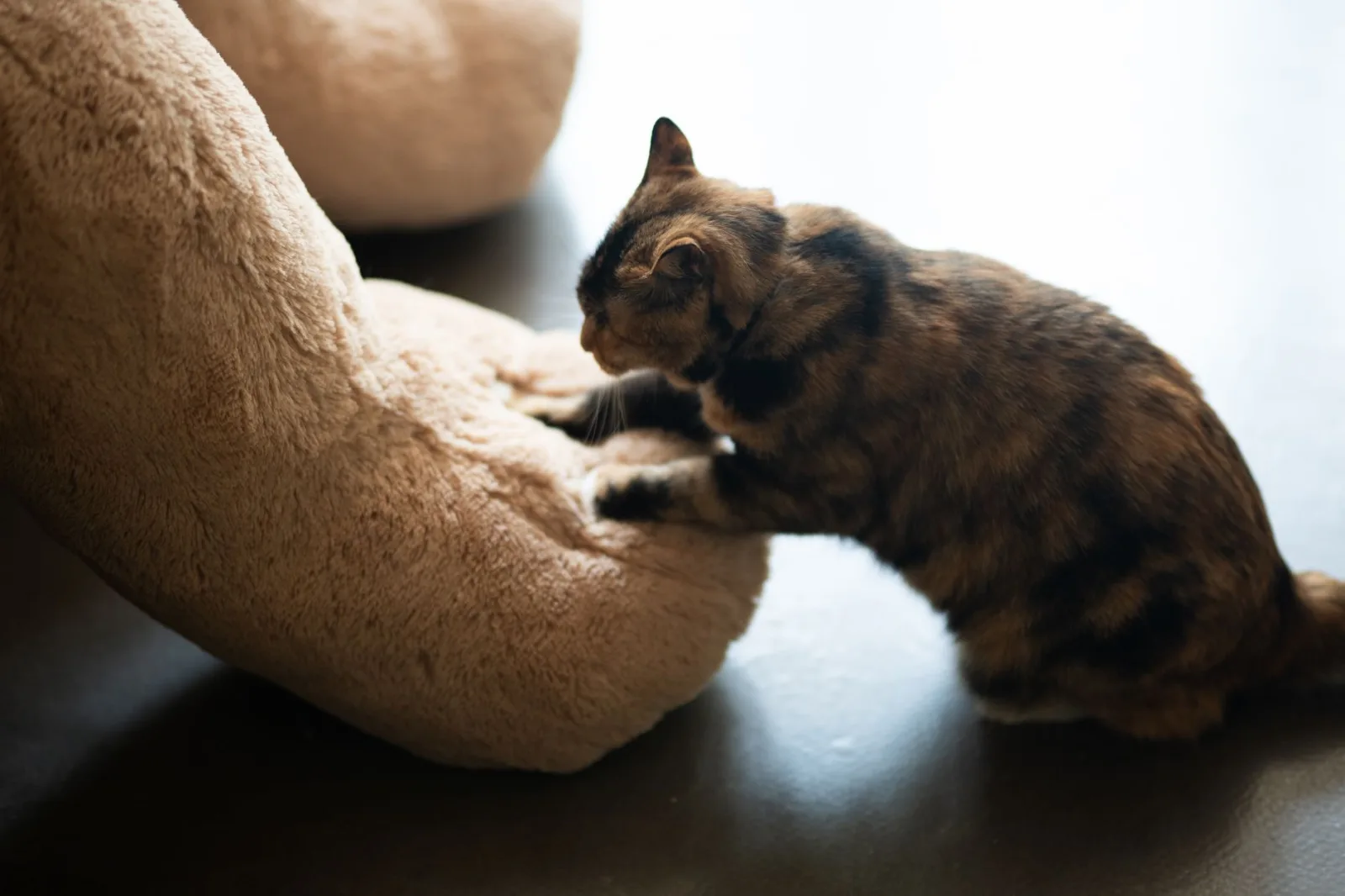
Cat behaviour can seem baffling, but almost every odd habit has a logical root in feline instinct. Understanding the why makes living with a cat far easier — and helps you tell normal quirks from signs of a problem.
The classics explained
- Kneading: a comforting leftover from kittenhood nursing; it signals contentment.
- Head-butting and cheek-rubbing: your cat is marking you with scent — a sign of trust and affection.
- Knocking things off tables: curiosity and a bid for your attention; the reaction is the reward.
- Bringing you ‘gifts’: a natural hunting instinct, sometimes a form of sharing.
- Sudden zoomies: a burst of pent-up energy, common in indoor cats.
When a quirk is a clue
Some behaviours warrant attention. Over-grooming to the point of bald patches can mean stress, allergy or pain. Sudden hiding, litter-box avoidance or aggression often signal a medical issue. Excessive night-time yowling in an older cat deserves a vet check.
Work with instinct
Rather than fighting natural behaviour, give it an outlet: scratching posts for scratching, climbing space for the urge to perch, and daily play to burn off the energy behind zoomies. A cat whose instincts are satisfied is a calmer, happier housemate.