Bloodhound
A large scent hound famous for exceptional tracking ability, long ears and a gentle personality.
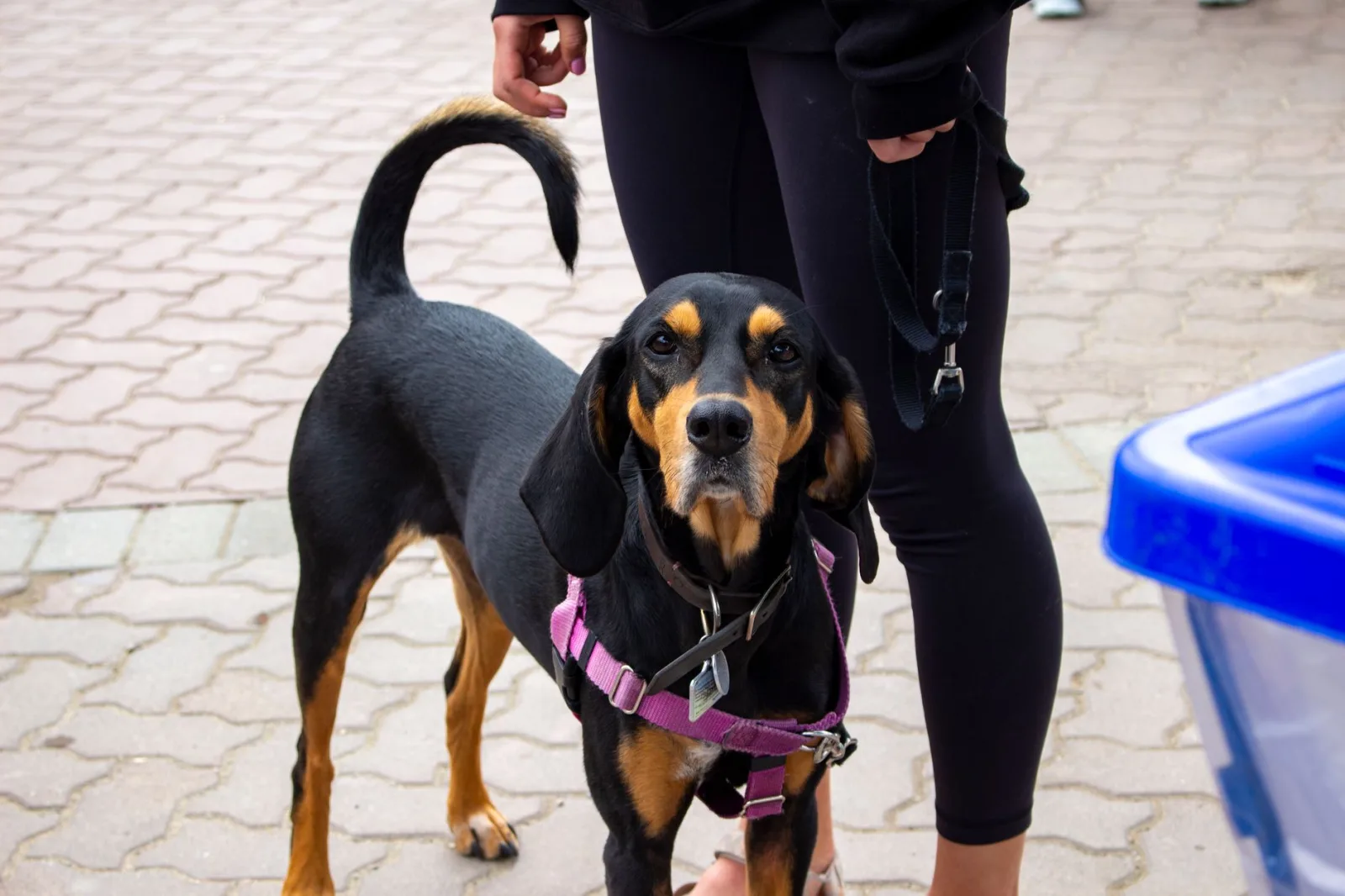
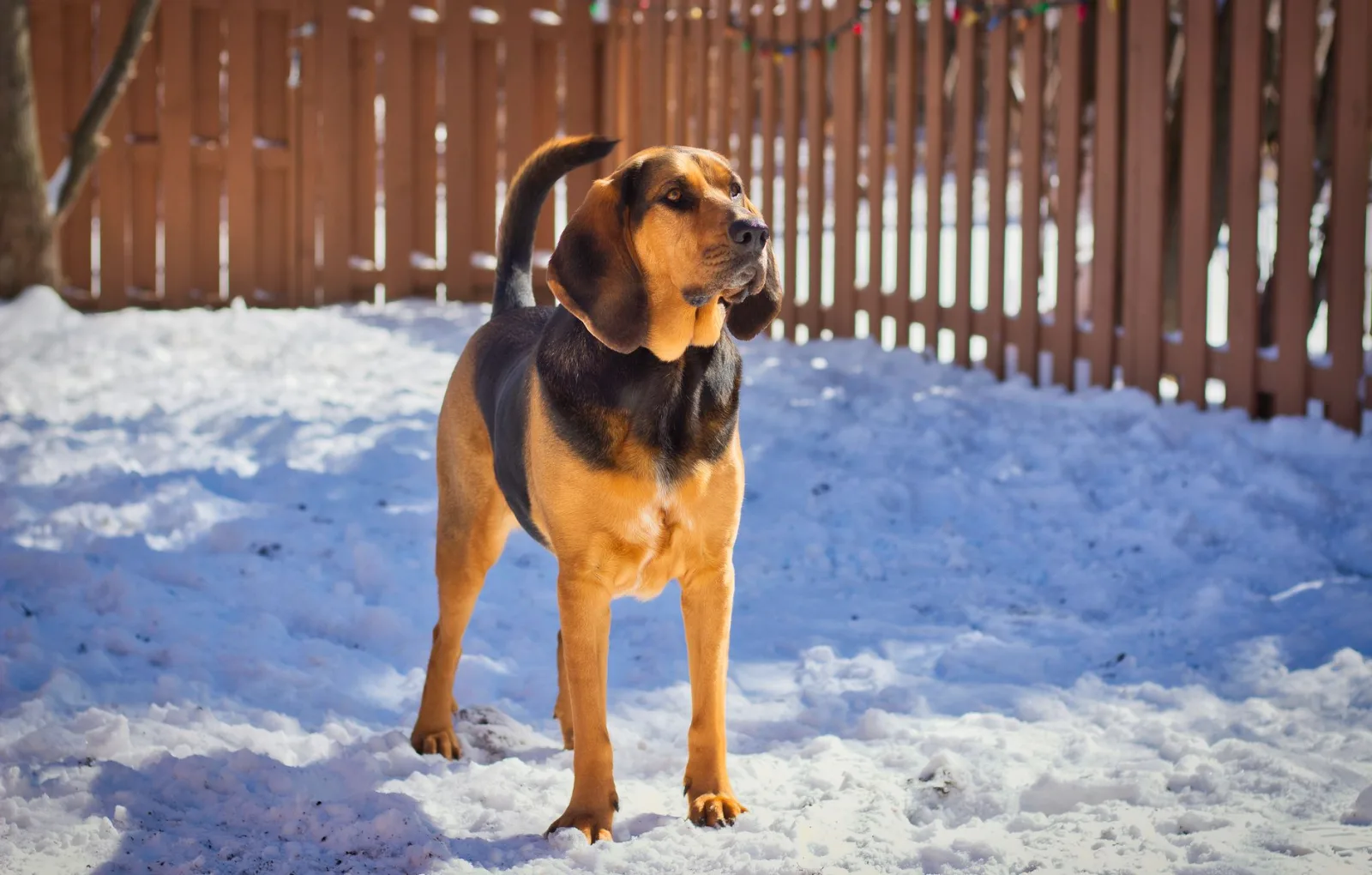
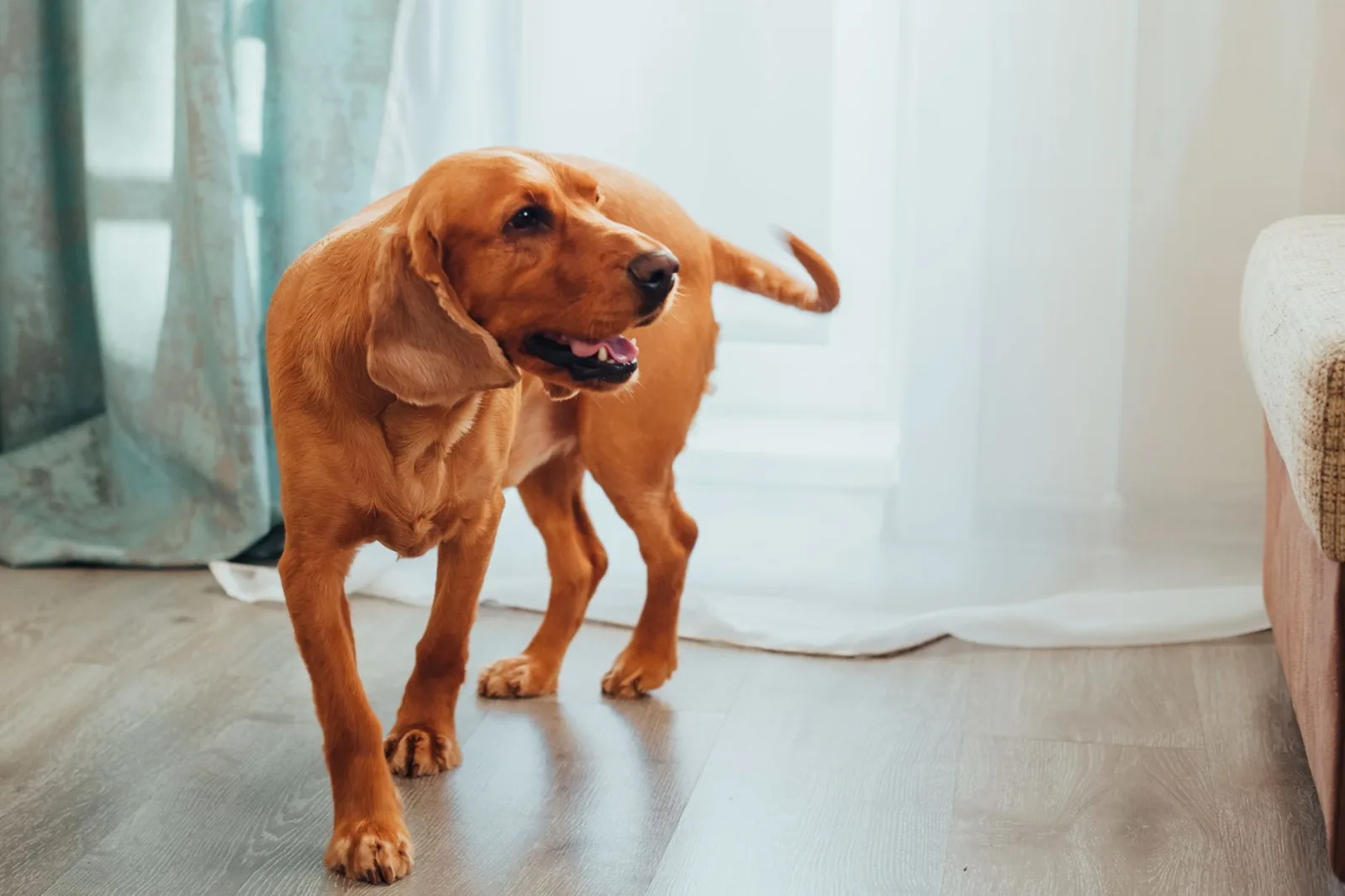
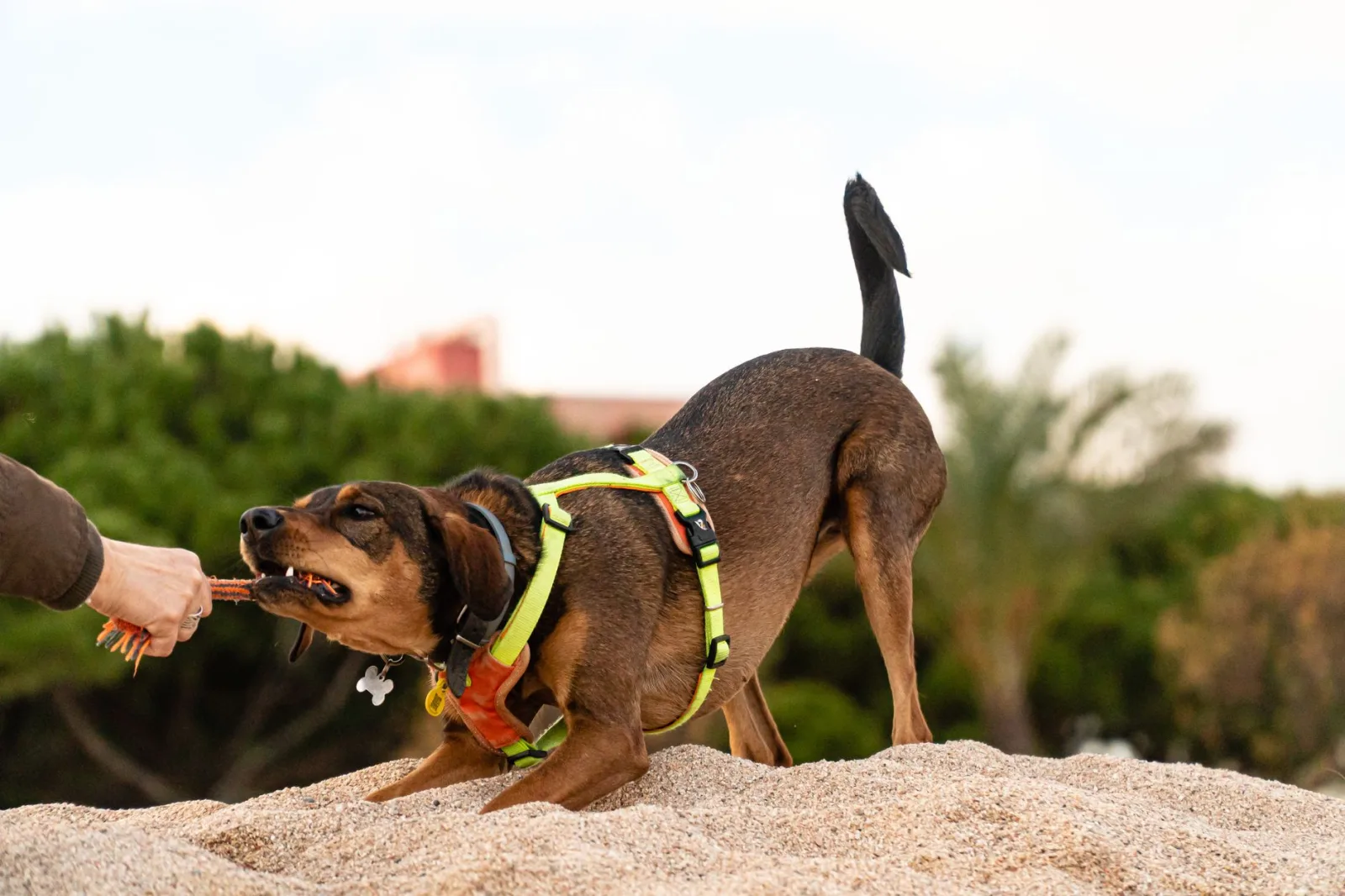

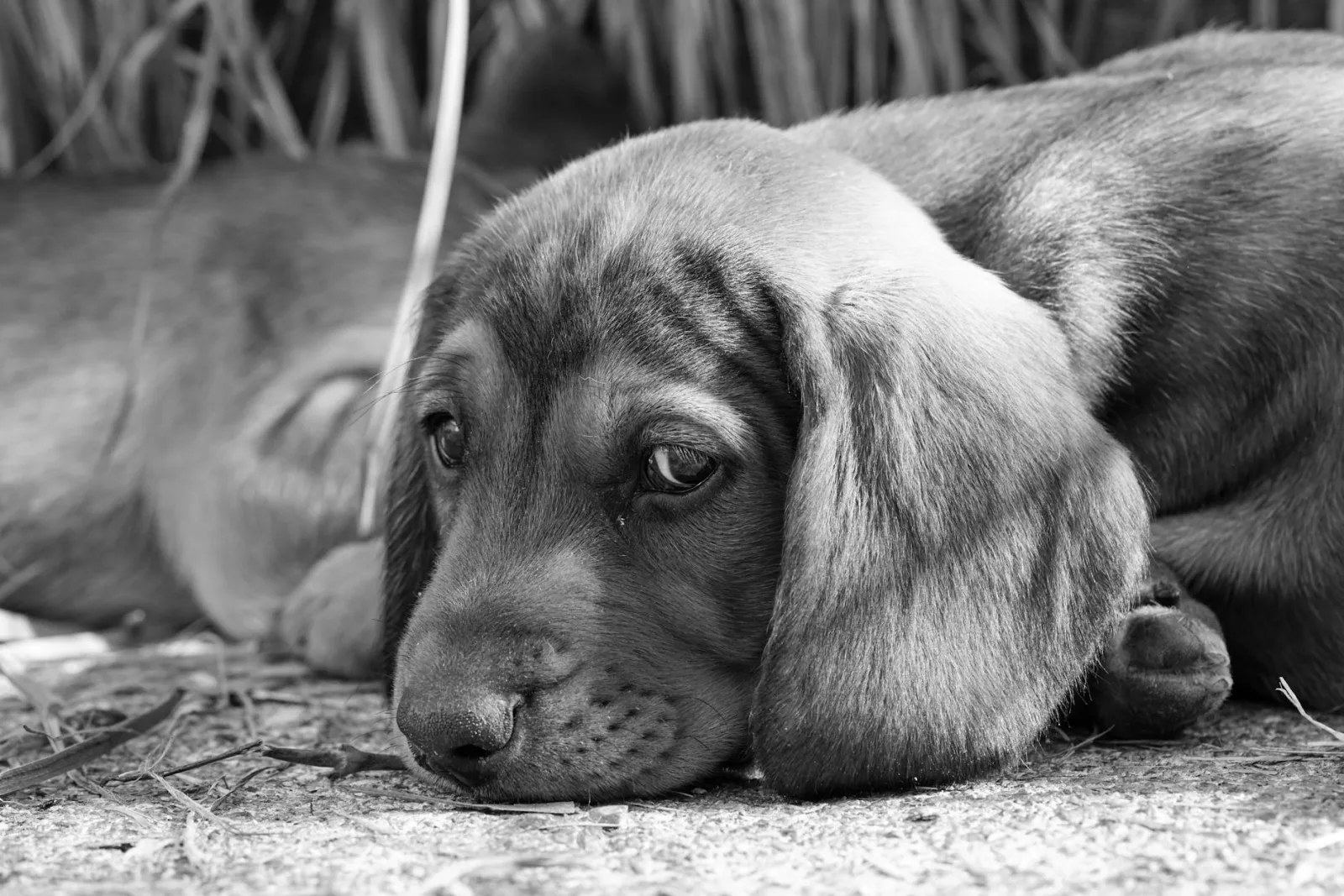
Every Bloodhound profile blends practical care notes, breed traits, and everyday living guidance.
Breed Levels
How well this breed aligns with lifestyle factors.
Characteristics
Key traits that define this breed.
Appearance
Physical traits and distinctive features of this breed.
Individual pets may vary in appearance, temperament and needs. Early training, proper care and socialization help bring out the best in every companion.
The Bloodhound: The World's Finest Nose
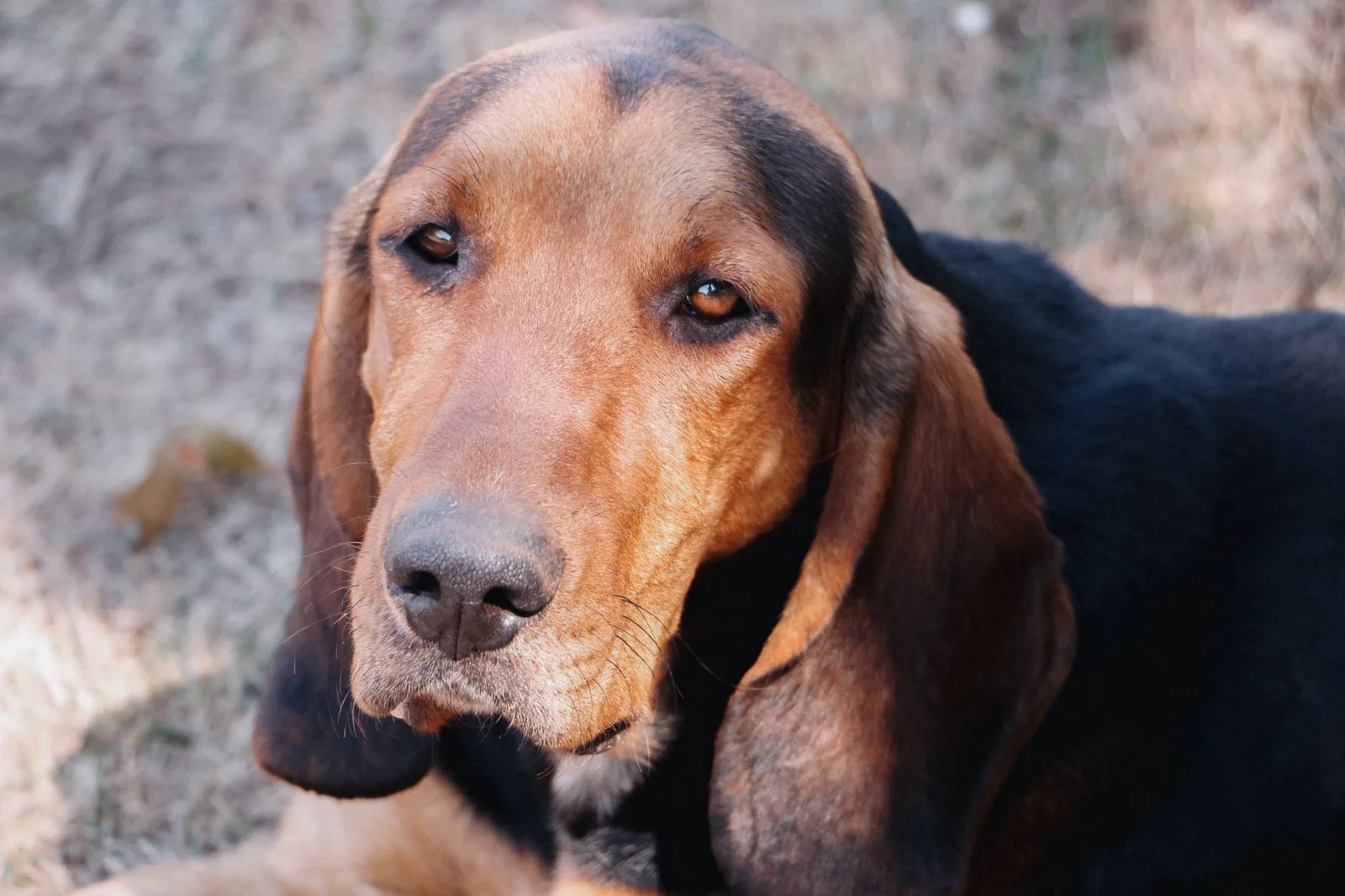
The Bloodhound is a large, dignified scent hound famous for possessing arguably the most powerful nose in the entire animal kingdom. Loose-skinned, long-eared and soulful in expression, it was bred to follow a trail for miles and is still relied upon today for search-and-rescue and law enforcement. Adults stand 58 to 69 cm tall, weigh 36 to 50 kg and typically live around 10 to 12 years.
From Monastery to Man-Trailer
The breed traces back to the St. Hubert Hound, said to have been developed at a Belgian monastery during the 8th and 9th centuries. As medieval nobles discovered its extraordinary tracking gift, the Bloodhound earned fame as a man-trailer, with legends describing hounds pursuing figures such as Robert the Bruce and William Wallace. Remarkably, a Bloodhound's trailing work is so reliable that its results have been accepted as evidence in court.
Built to Follow a Scent
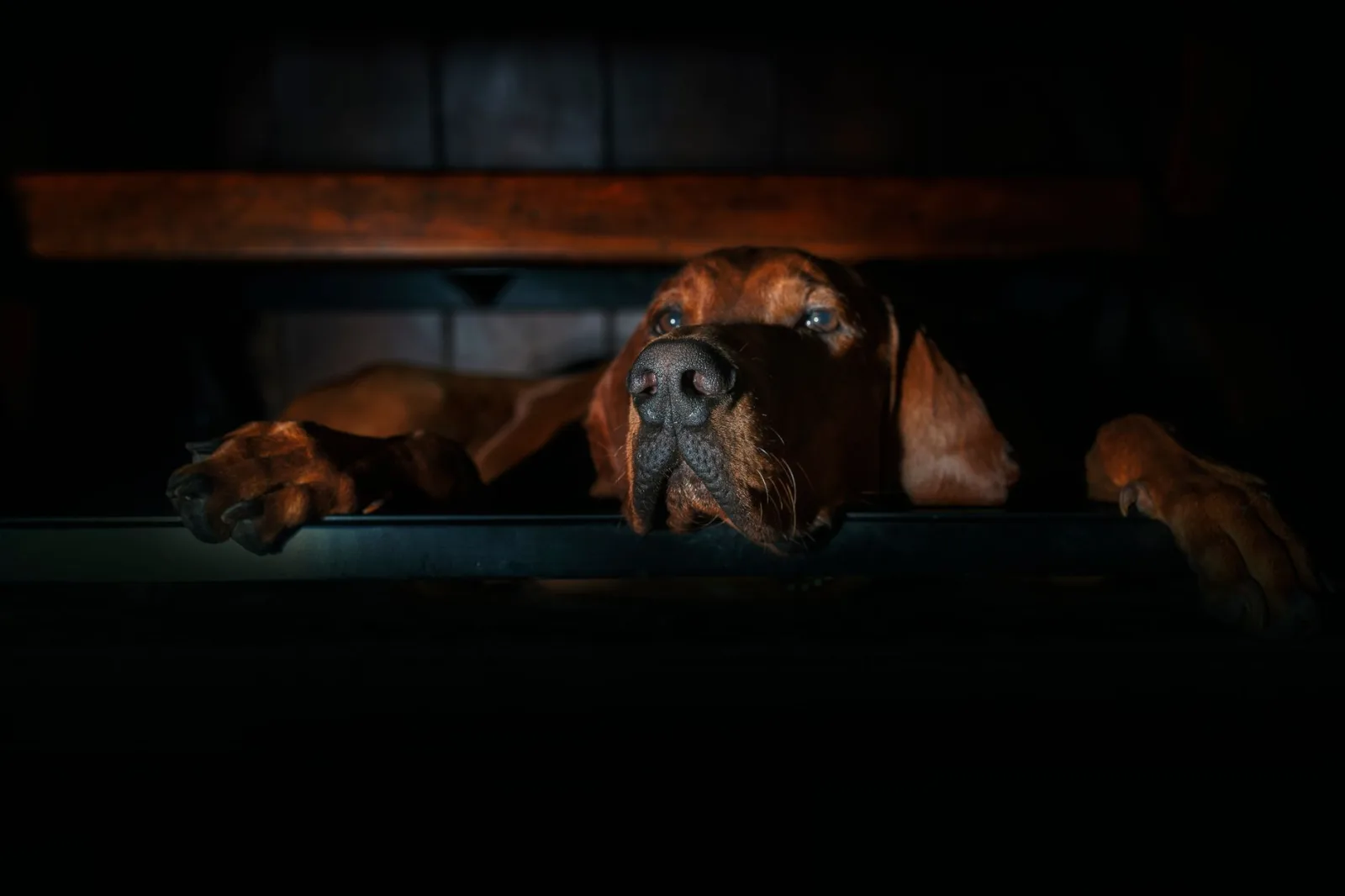
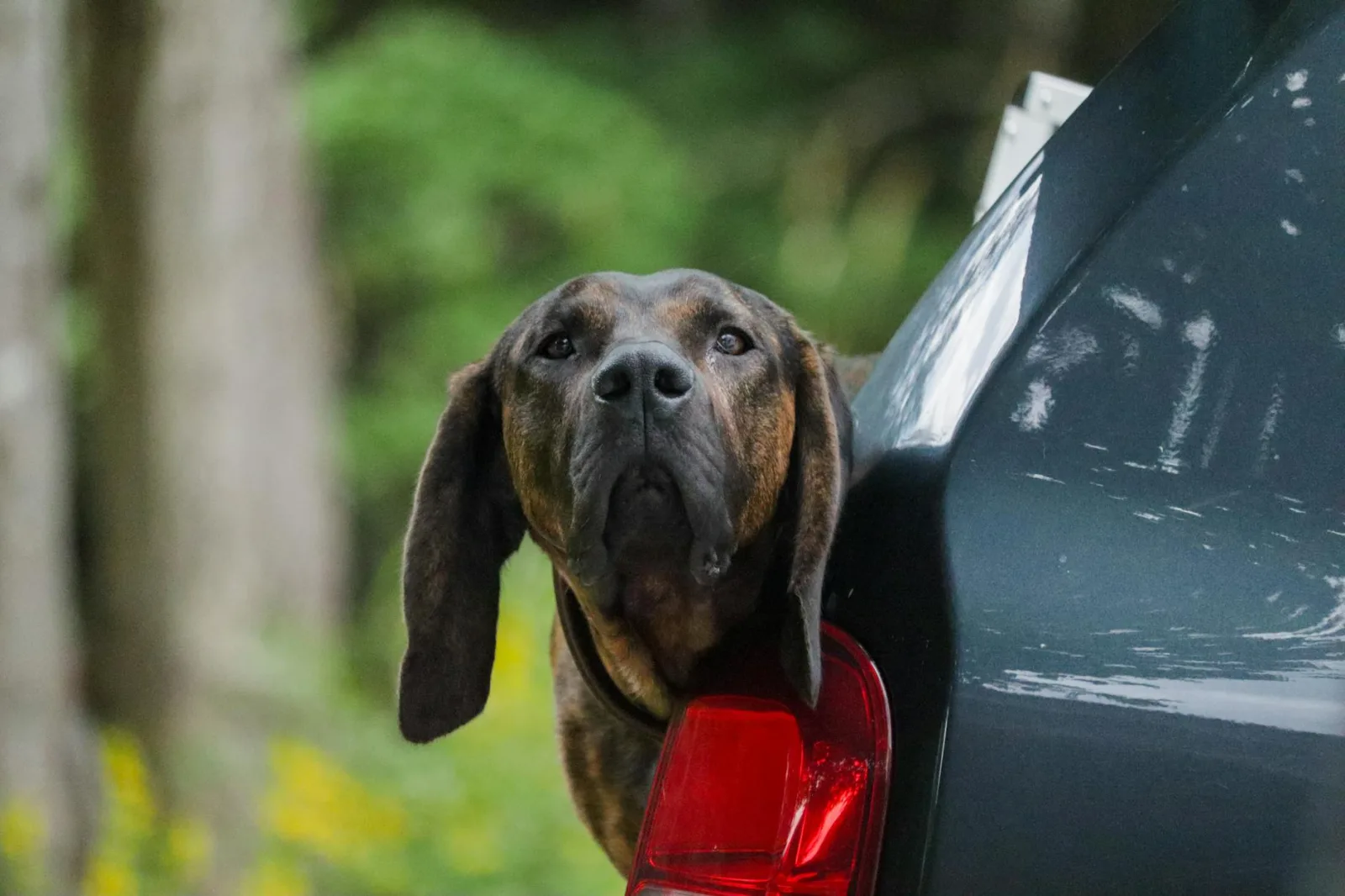
Every feature serves the nose. The long, draping ears sweep scent upward, while the deep wrinkles and loose facial skin trap and concentrate odour molecules so a trail can be followed for hours or even days. Once a Bloodhound locks onto a scent it becomes single-minded and determined, which is why secure containment and lead work are essential outdoors.
A Gentle, Stubborn Soul
Off the trail, the Bloodhound is one of the most easygoing and affectionate of dogs. It is gentle, patient and good-natured, particularly tolerant of boisterous children, yet determined and stubborn when working. It is also among the most vocal breeds, communicating with a deep, resonant howl. Patient, food-motivated, positive training works far better than insistence, since this independent thinker was bred to make decisions on its own.
Exercise and Grooming
Bloodhounds need daily exercise and love scent-based activities such as tracking and AKC scent work that channel their natural talent. Grooming is moderate: the short coat needs weekly brushing, but the ears require regular cleaning, the wrinkles should be kept clean and dry, and owners should expect a fair amount of drool.
Health Considerations
As a large, deep-chested breed the Bloodhound carries some notable risks, and reputable breeders screen accordingly:
- Bloat (gastric torsion), a life-threatening emergency that calls for preventive care
- Ear infections linked to the long, low-hanging ears
- Hip and elbow dysplasia and eye conditions such as entropion
Who It Suits
The Bloodhound suits patient owners with space, a secure garden and an appreciation for a gentle, scent-obsessed, occasionally stubborn companion. Give it a trail to follow and a tolerant household, and it returns deep affection and steady devotion.