Dachshund
A bold German scent hound with a long, low body and lively, courageous personality.
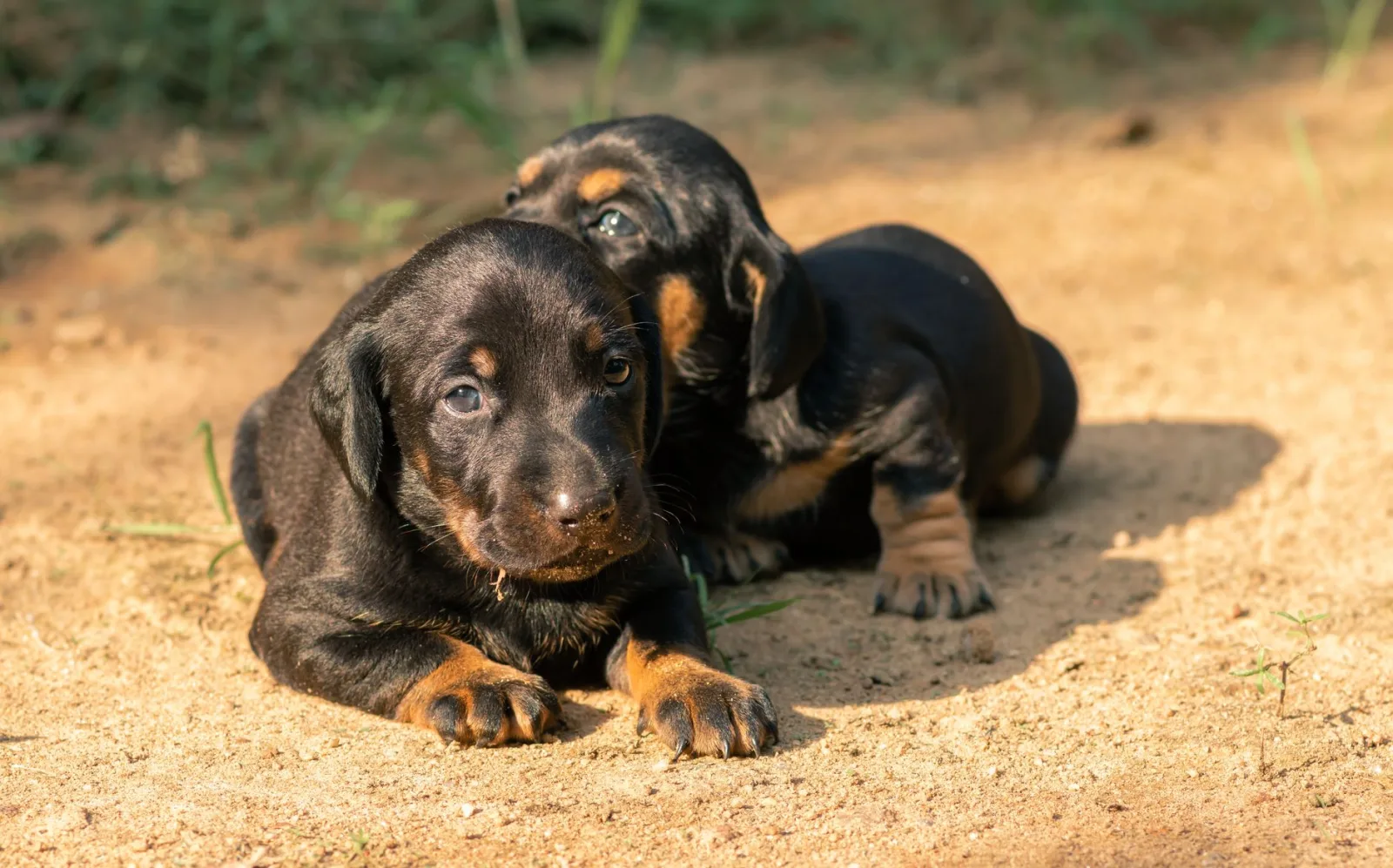

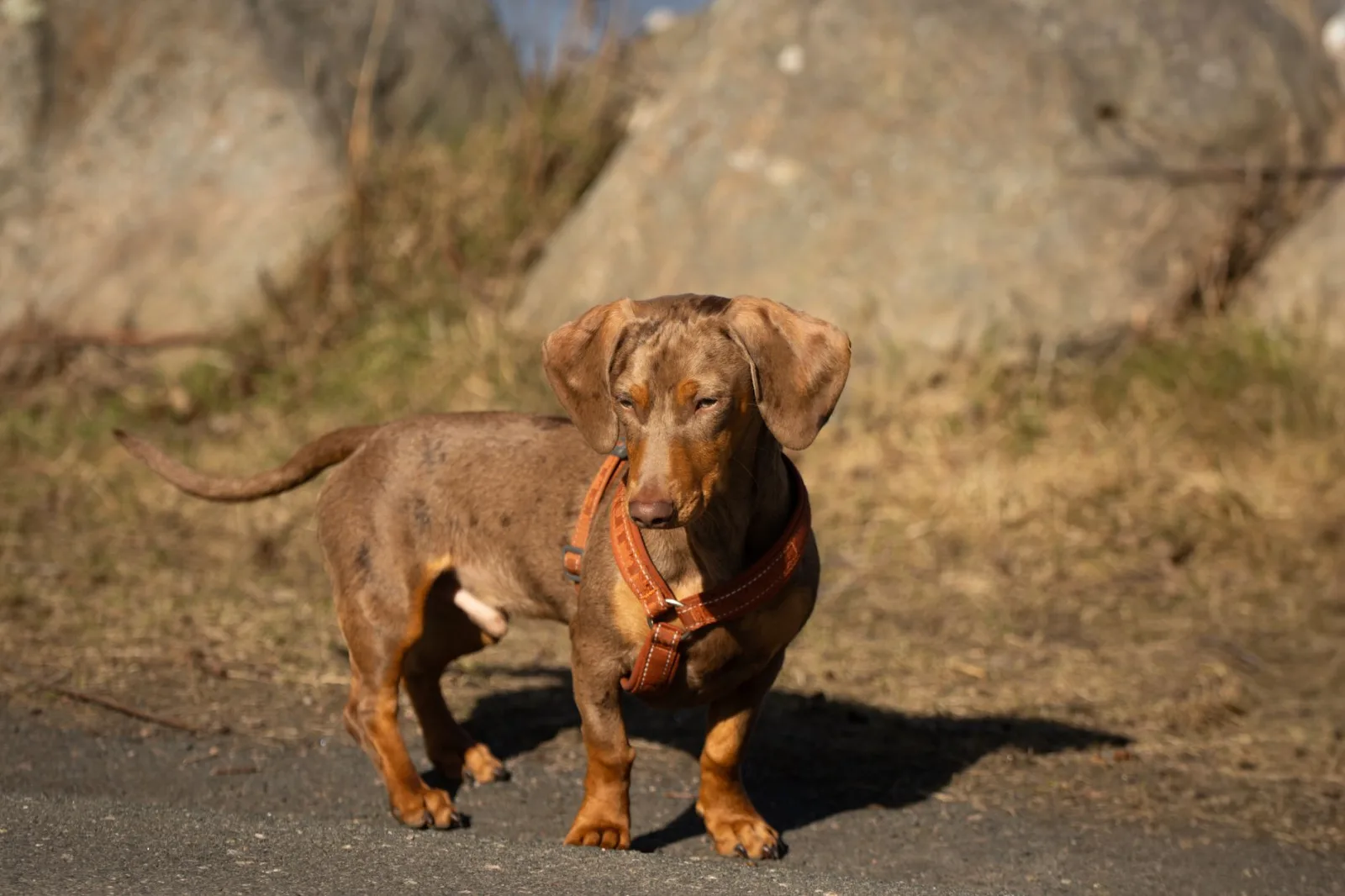
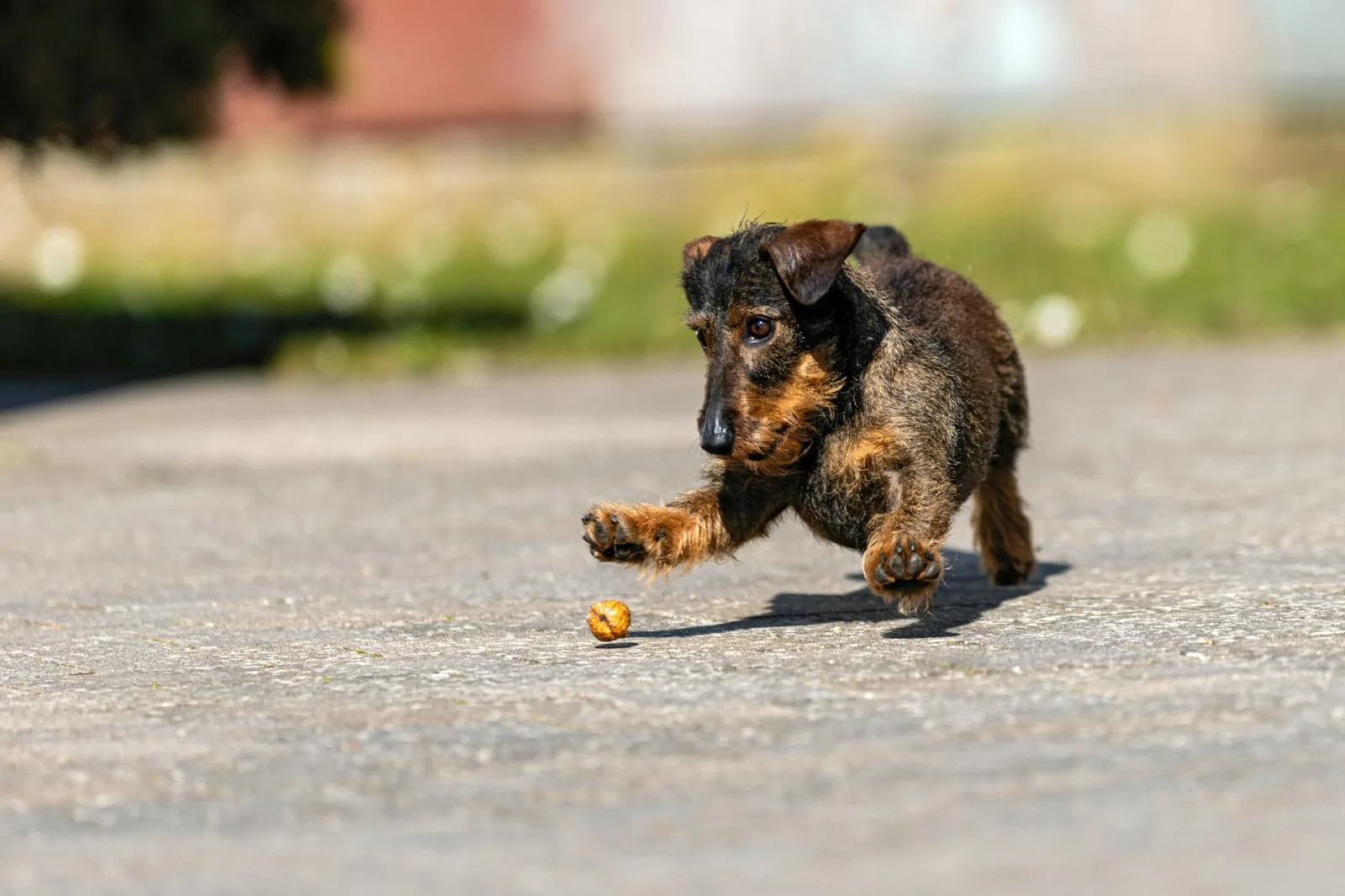
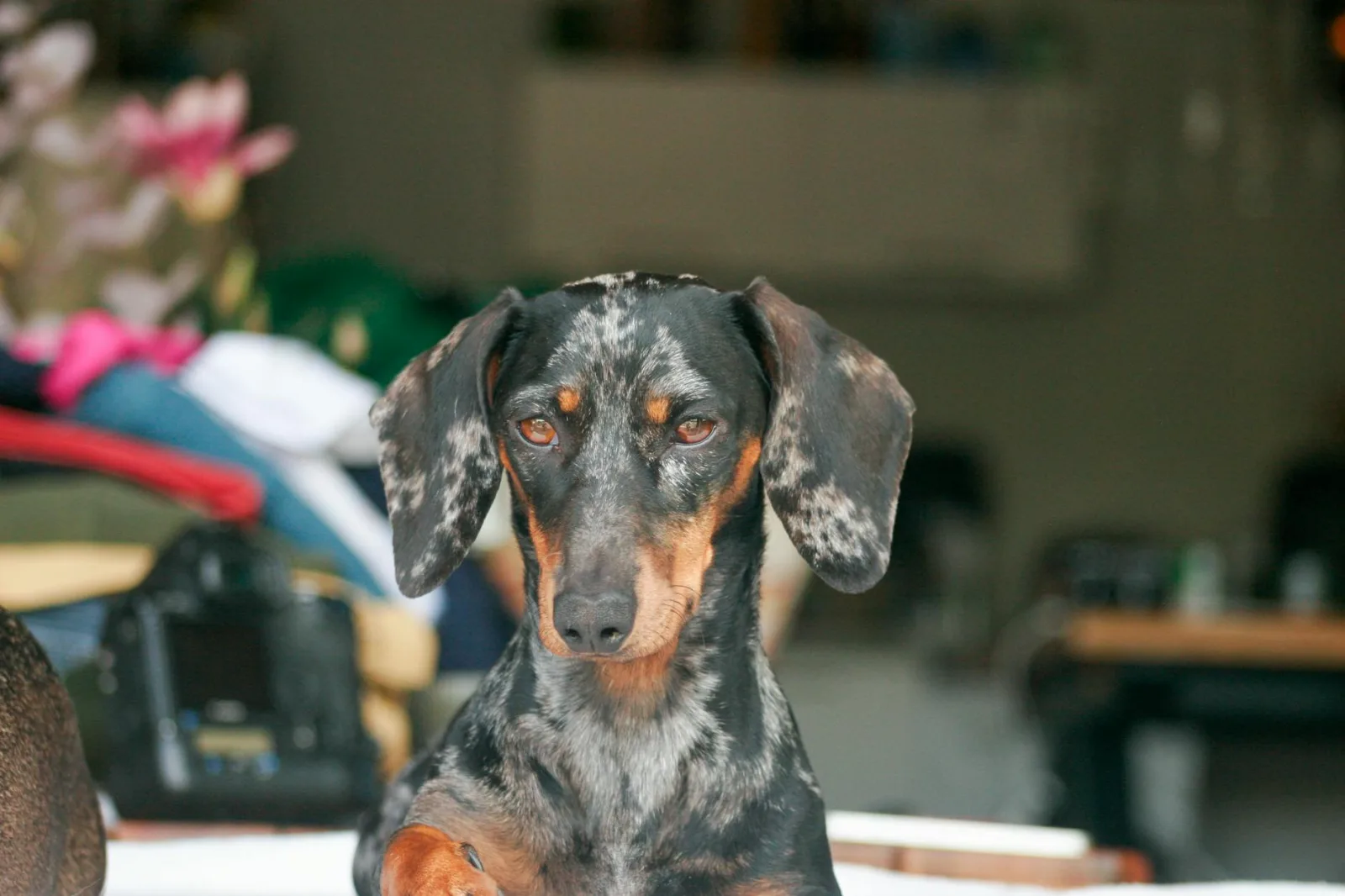
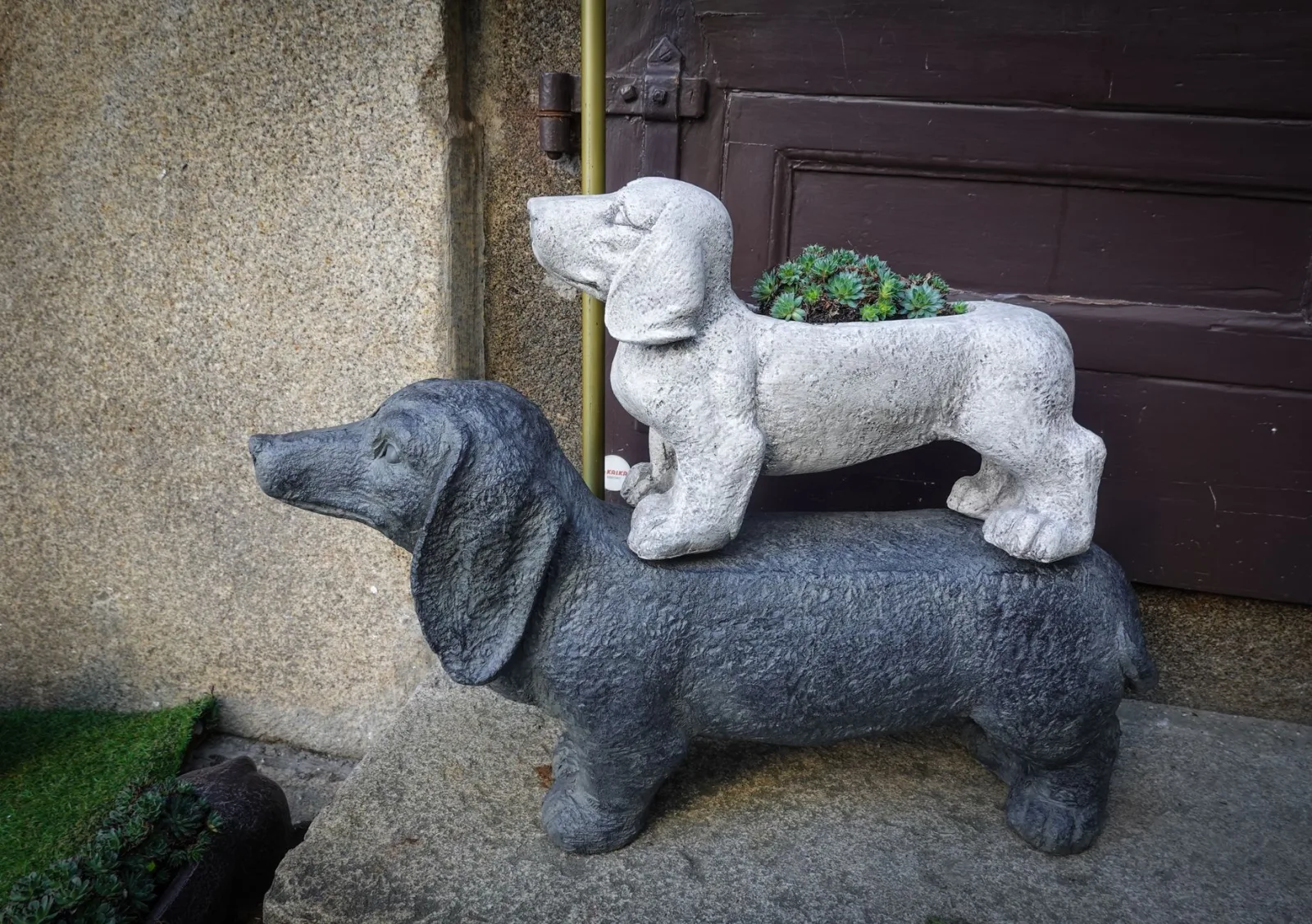
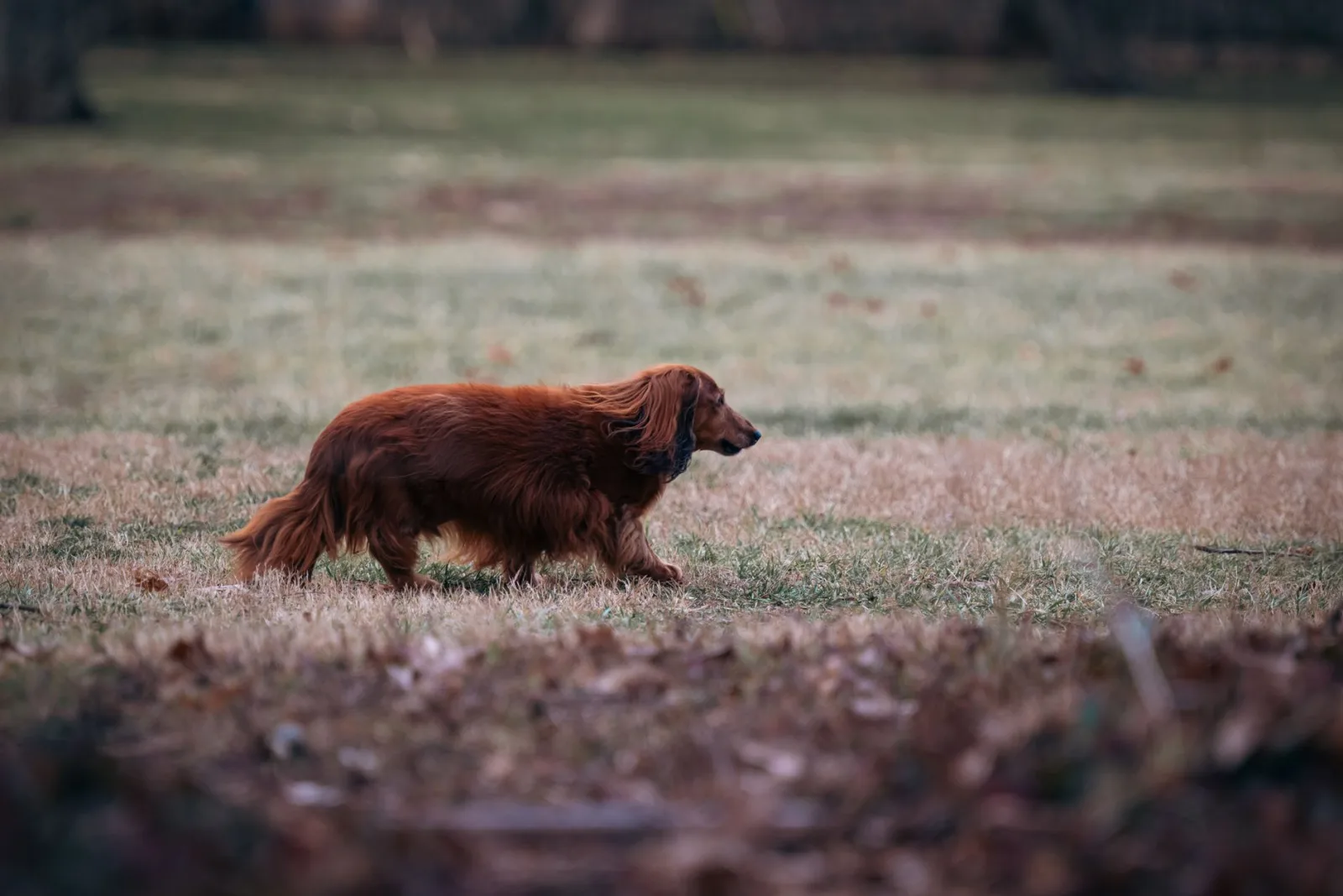
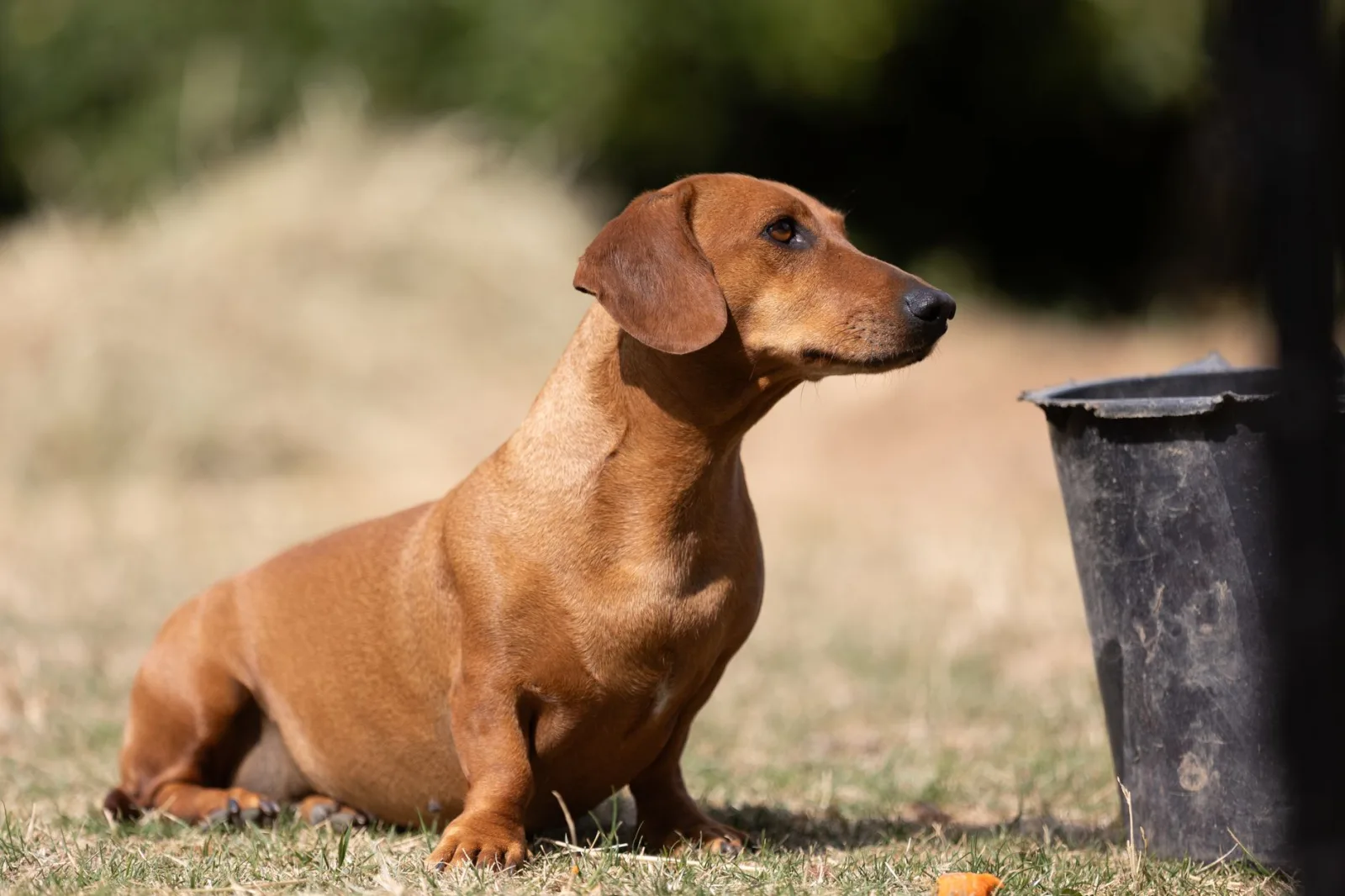
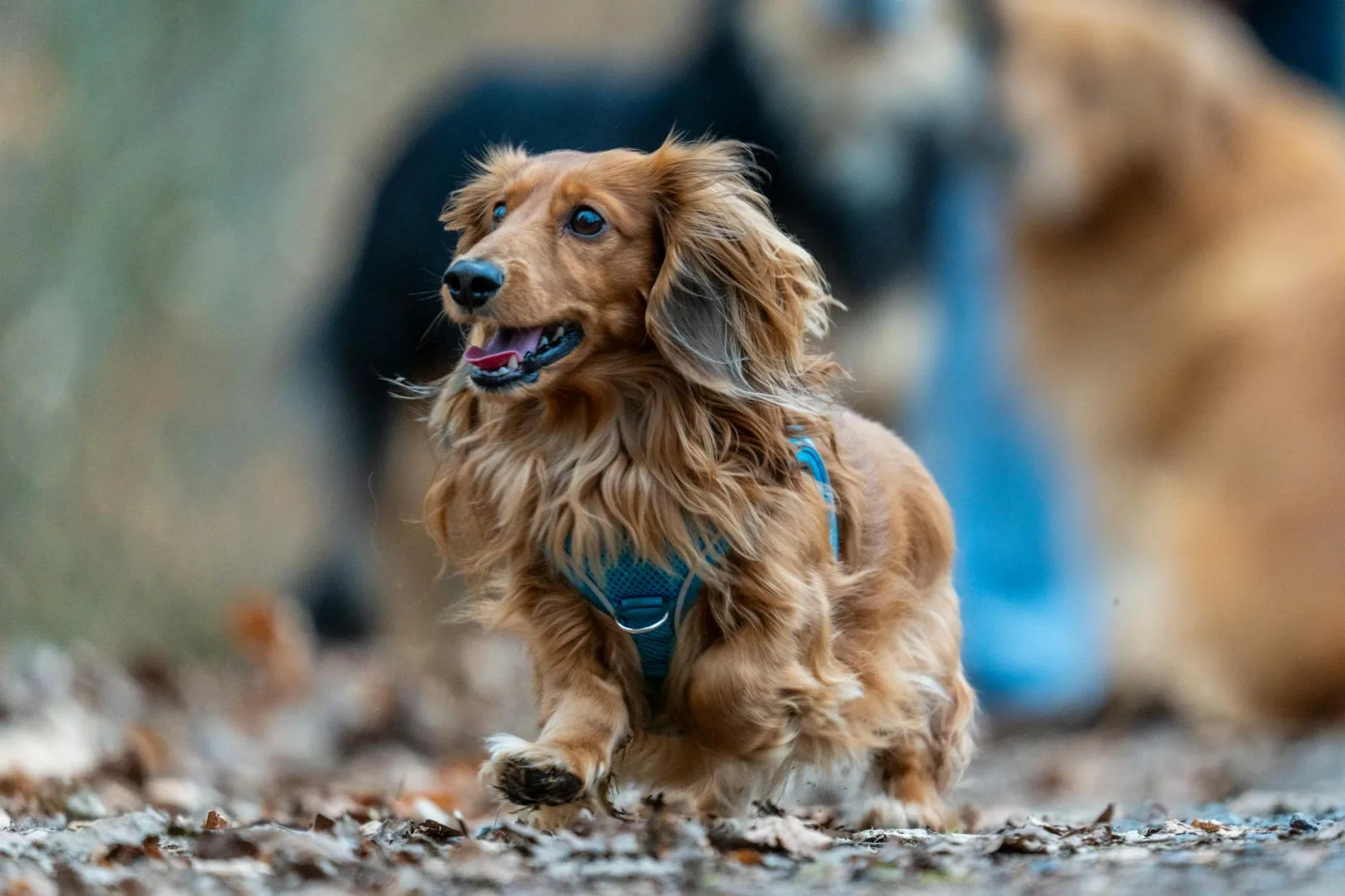
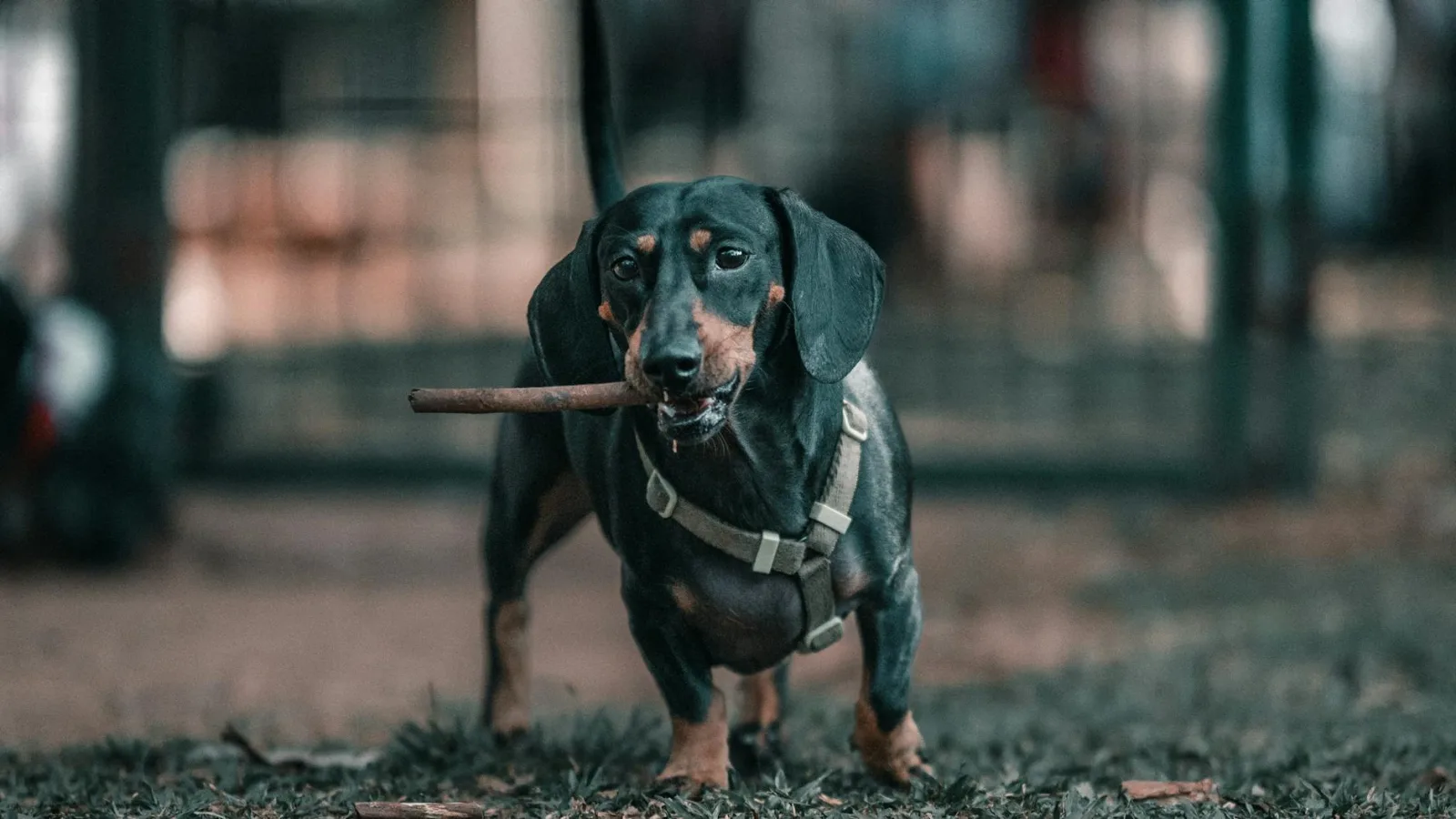
Every Dachshund profile blends practical care notes, breed traits, and everyday living guidance.
Breed Levels
How well this breed aligns with lifestyle factors.
Characteristics
Key traits that define this breed.
Appearance
Physical traits and distinctive features of this breed.
Individual pets may vary in appearance, temperament and needs. Early training, proper care and socialization help bring out the best in every companion.
The Dachshund: The Bold Little Badger Dog
Long, low and full of character, the Dachshund is a German hunting hound whose name literally means badger dog, from the German dachs (badger) and hund (dog). Clever, brave and famously stubborn, it packs an outsized personality into a distinctive elongated frame. Dachshunds come in standard and miniature sizes and live a long 12 to 16 years, with standards weighing roughly 7 to 15 kg.
Bred to Go to Ground
Developed in Germany and taking clear form by the 18th century, the Dachshund was purpose-built to dig into burrows and confront badgers and other den-dwelling game. Its short, powerful legs, deep chest and loose, tough skin all served that fearless underground work, and its bold, tenacious character is a direct legacy of it. A rabbit boom later inspired the smaller miniature variety, while crosses produced three coat types: smooth, longhaired and wirehaired.
Temperament
The Dachshund is clever, brave, vivacious and devoted. It can also be willful, headstrong and mischievous, with the excellent nose and strong prey drive of a true hunting dog. Intelligent but independent, it has a stubborn streak that can make training a test of patience, so short, positive, reward-based sessions work best. Devoted to its family, it often bonds closely and can be a determined little watchdog with a surprisingly big bark.
Protecting That Famous Back
The Dachshund's long spine is its greatest vulnerability. Intervertebral disc disease (IVDD) is common, affecting up to around a quarter of all Dachshunds in their lifetime. Sensible everyday management greatly reduces the risk:
- Discourage jumping on and off furniture and running up and down stairs
- Support the back and hindquarters whenever you lift the dog
- Keep the dog lean, since excess weight strains the spine
- Provide regular, moderate exercise to build the muscle that supports the back
Grooming
Grooming depends on coat type: smooth Dachshunds are very low maintenance, while longhaired and wirehaired varieties need more regular brushing, and wires require occasional hand-stripping or trimming.
Health and Suitability
Beyond IVDD, the breed can be prone to obesity, dental issues and certain eye conditions. The Dachshund suits owners who enjoy a bold, comical, devoted companion and who will commit to weight control and back-protective habits. Adaptable to homes large and small, it remains one of the most characterful little dogs around.