Dalmatian
A spotted, athletic coach dog known for stamina, alertness, and an outgoing personality.


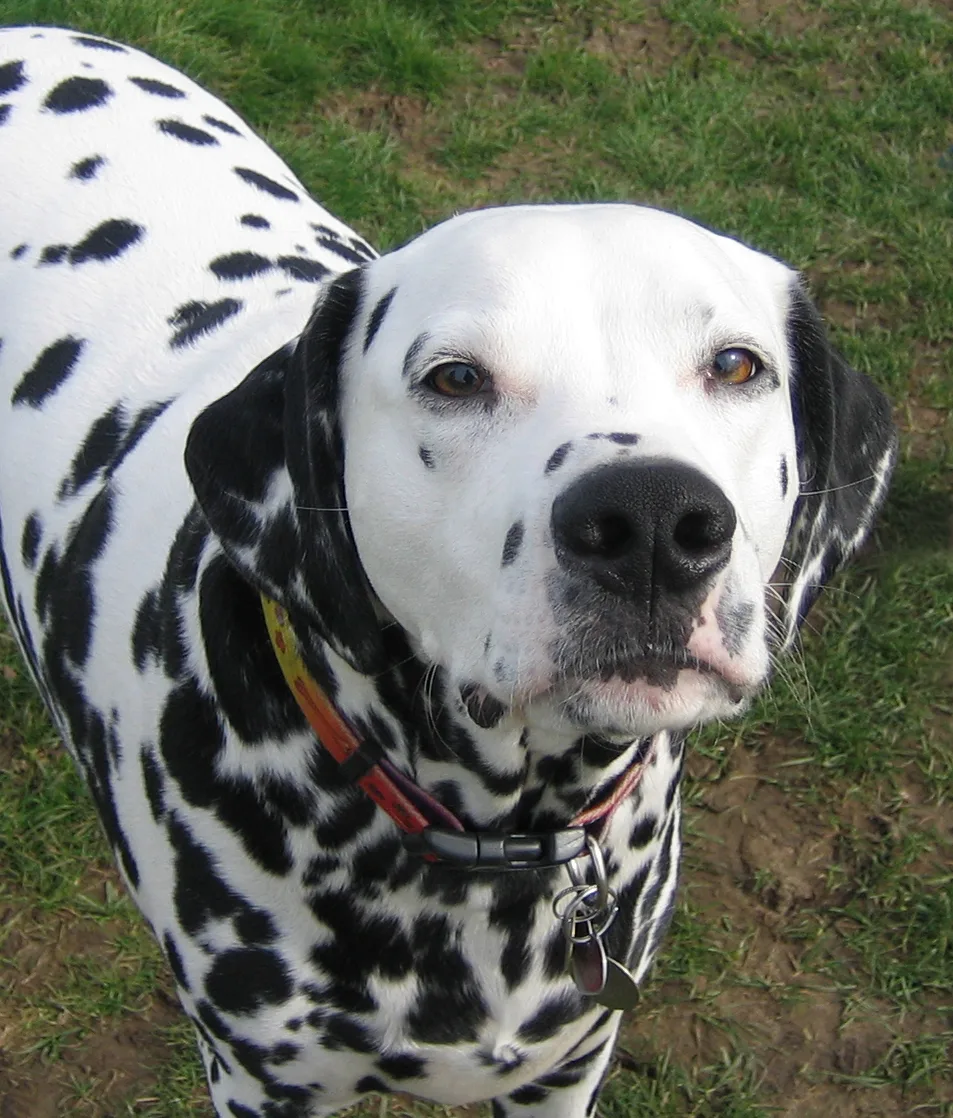

Every Dalmatian profile blends practical care notes, breed traits, and everyday living guidance.
Breed Levels
How well this breed aligns with lifestyle factors.
Characteristics
Key traits that define this breed.
Appearance
Physical traits and distinctive features of this breed.
Individual pets may vary in appearance, temperament and needs. Early training, proper care and socialization help bring out the best in every companion.
The Dalmatian: The Spotted Coach Dog
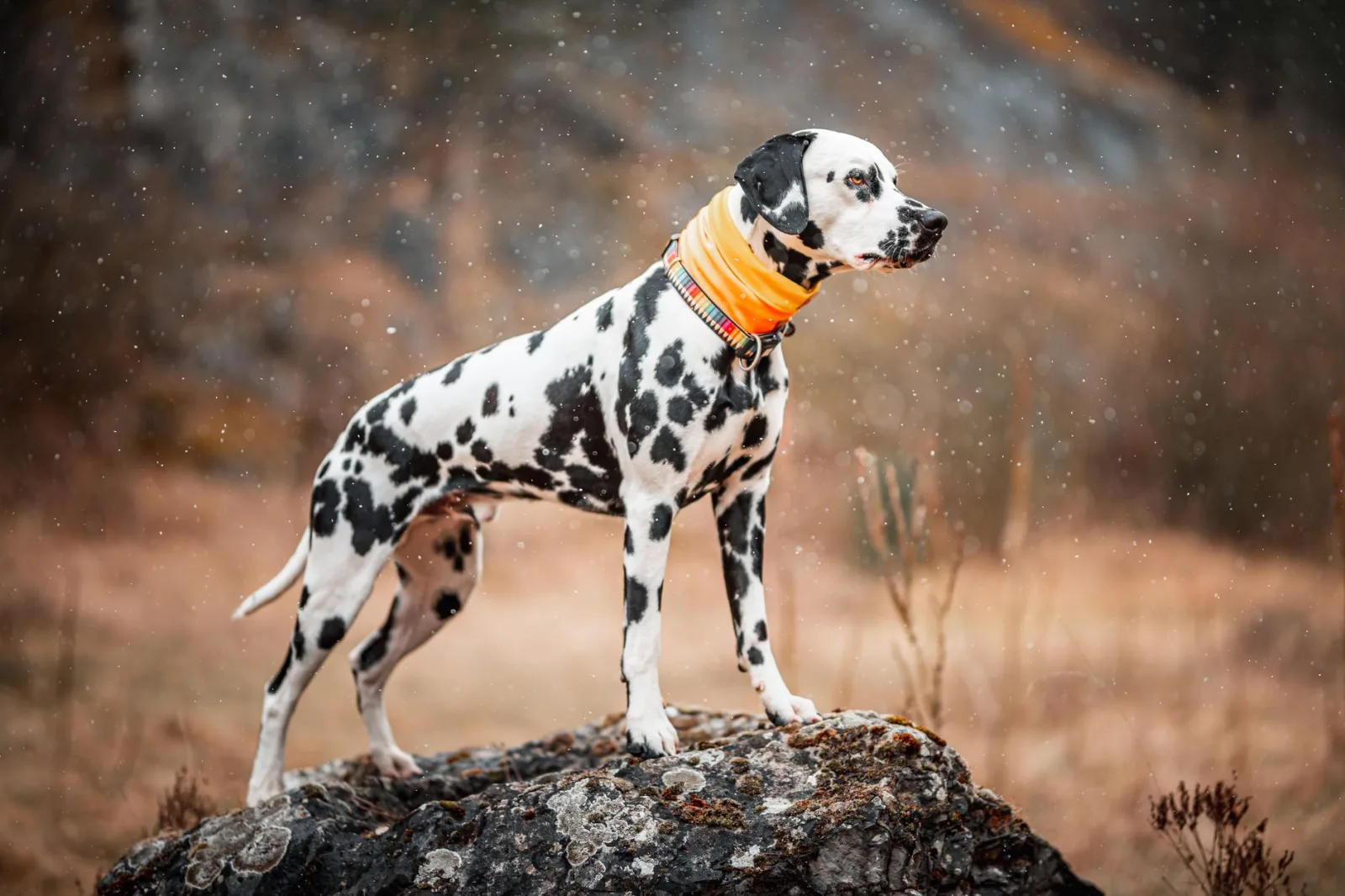
Few breeds are as instantly recognisable as the Dalmatian, with its sleek white coat scattered with crisp black or liver spots. Poised, athletic and bursting with energy, this is a born running companion with a proud history alongside horses and a devoted, dignified character. Dalmatians stand 48 to 61 cm tall, weigh 20 to 32 kg and typically live 11 to 13 years.
Born to Run With the Coach
By the early 1800s the breed had become associated with the region of Dalmatia on the Adriatic coast. Its great calling was as a coach dog: it ran for miles alongside horse-drawn carriages and guarded them at rest. When fire brigades adopted horse-drawn pumps, the Dalmatian became the classic firehouse dog, trotting ahead as a living siren to clear the way, a role that cemented its enduring bond with firefighters.
Temperament
The Dalmatian is outgoing, dignified, energetic and alert. Stable and intelligent, it is deeply loyal and affectionate with its family, though it can be reserved with strangers and makes a watchful companion. This is a clever breed that thrives on involvement in family life and does not do well when isolated or under-exercised.
Serious Exercise Needs
Bred for stamina, the Dalmatian needs far more than a standard leash walk. It requires substantial daily exercise and mental work, including long walks, runs and activities such as agility or scent work. Without enough outlet for its energy, it can become bored and destructive, so it is best suited to active owners.
Two Breed-Specific Health Issues
Prospective owners should understand two conditions the breed is particularly known for:
- Deafness: linked to the gene for extreme white spotting, deafness occurs more often than in most breeds. Roughly 5% of Dalmatians are deaf in both ears and a further 15 to 30% in one ear, so responsible breeders BAER-test puppies.
- Urinary stones: a unique quirk of metabolism means Dalmatians produce more uric acid than other dogs, raising the risk of bladder stones. Plenty of fresh water and an appropriate diet help manage this.
Grooming
The short coat is easy to maintain with a weekly brush, though Dalmatians shed more than many people expect, so regular grooming helps keep loose white and dark hairs under control.
Who It Suits
The Dalmatian suits active, committed owners and families who can provide ample exercise, engagement and training, ideally those drawn to an athletic running or hiking partner. With the right outlet and a health-tested background, it is a striking, loyal and spirited companion.