English Mastiff
A giant British guardian breed known for dignity, courage, calmness, and strong family devotion.

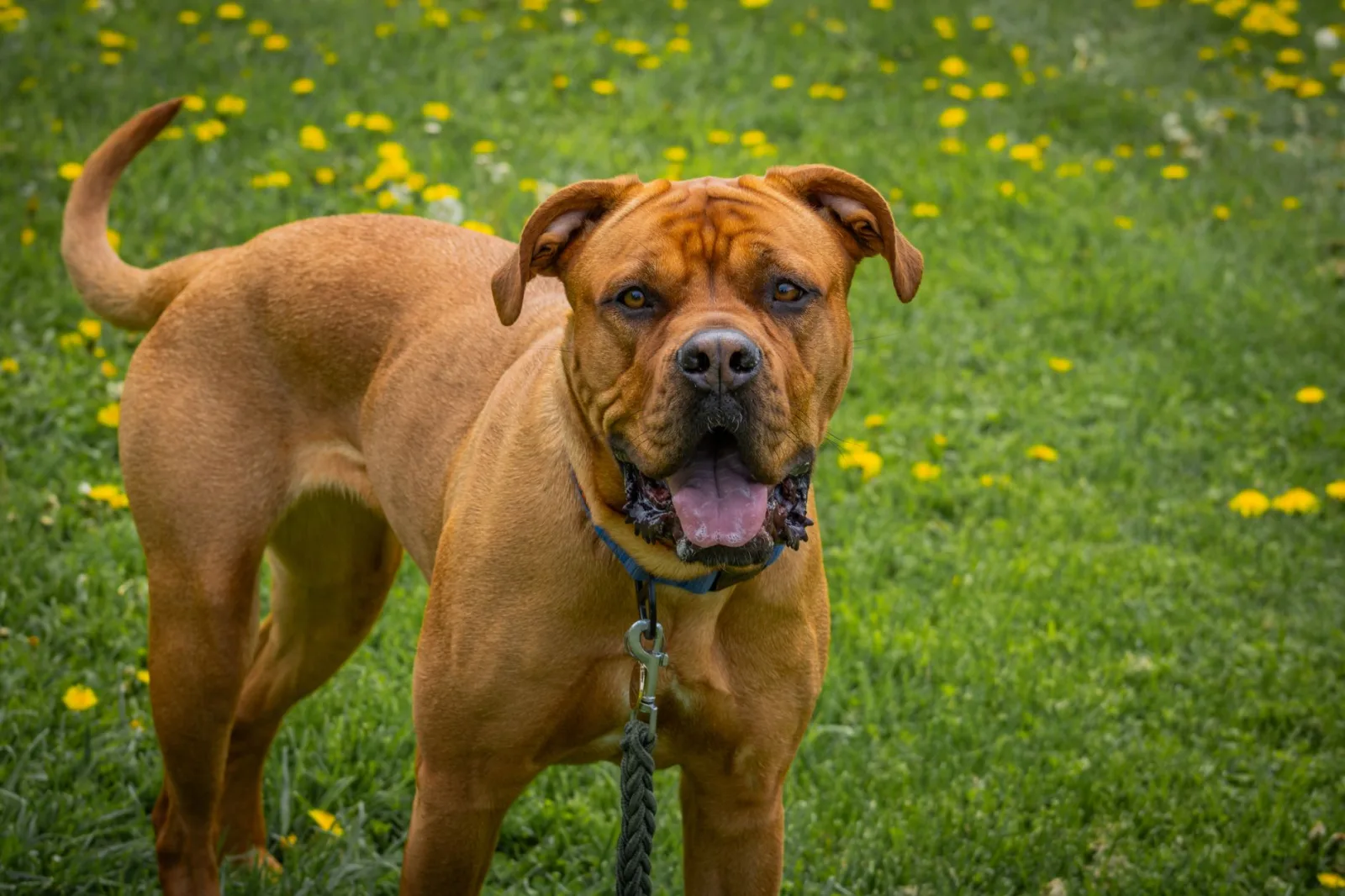
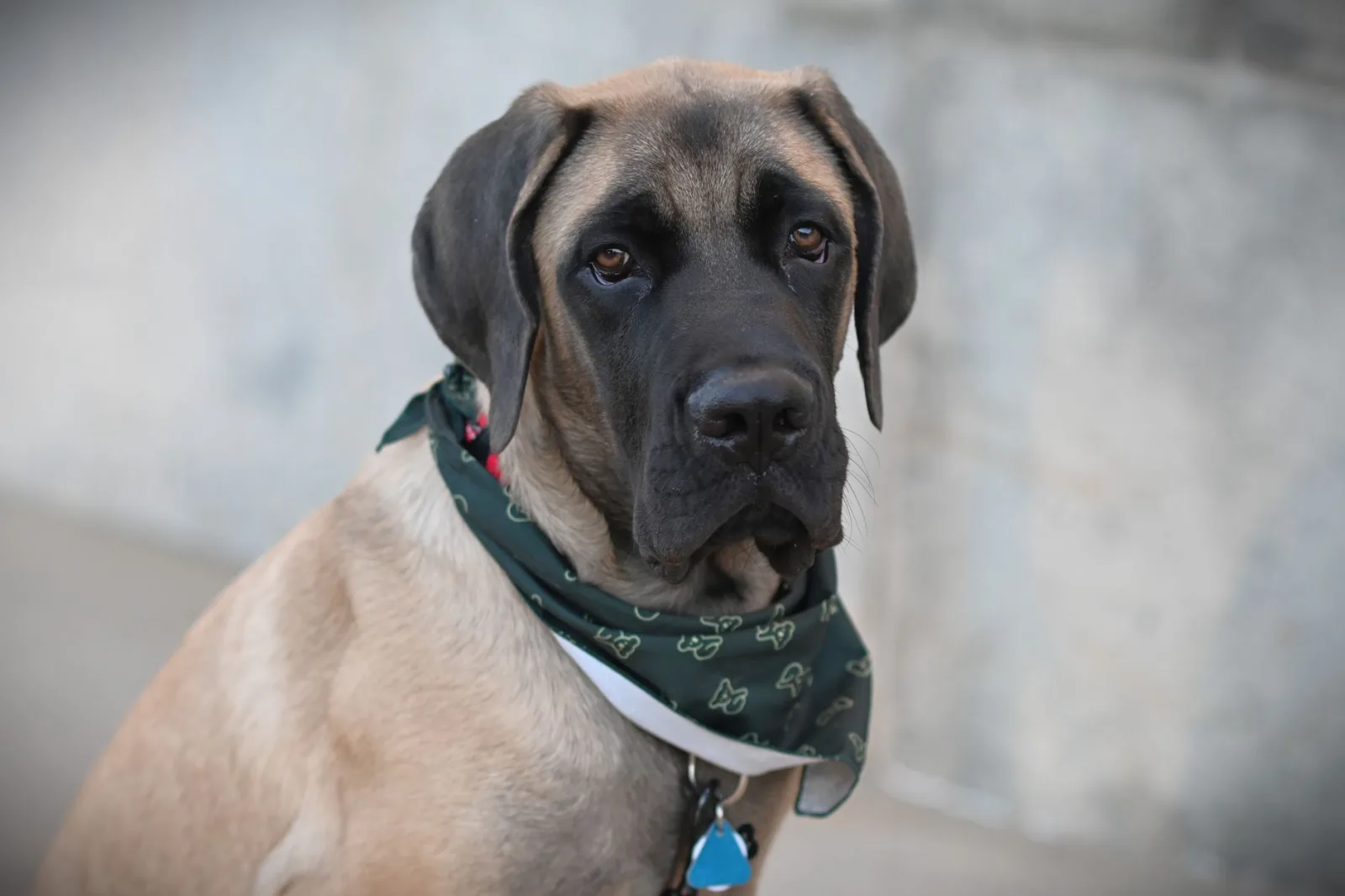
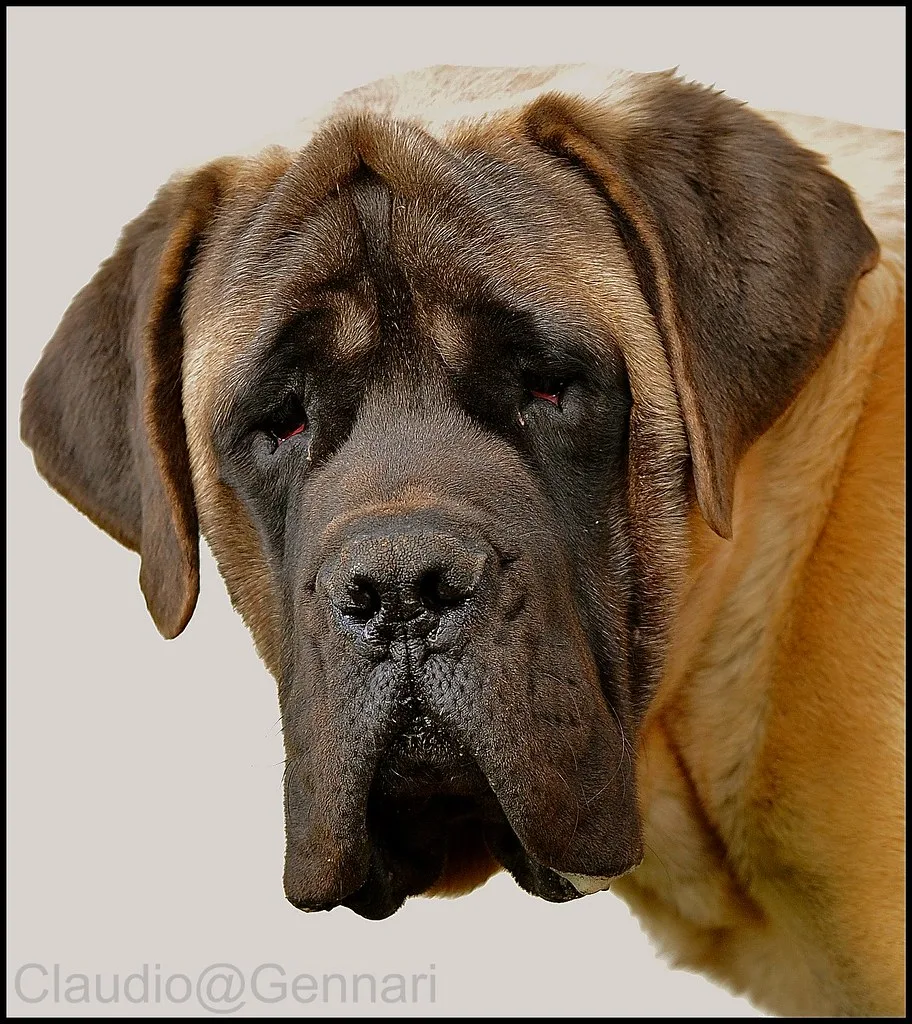
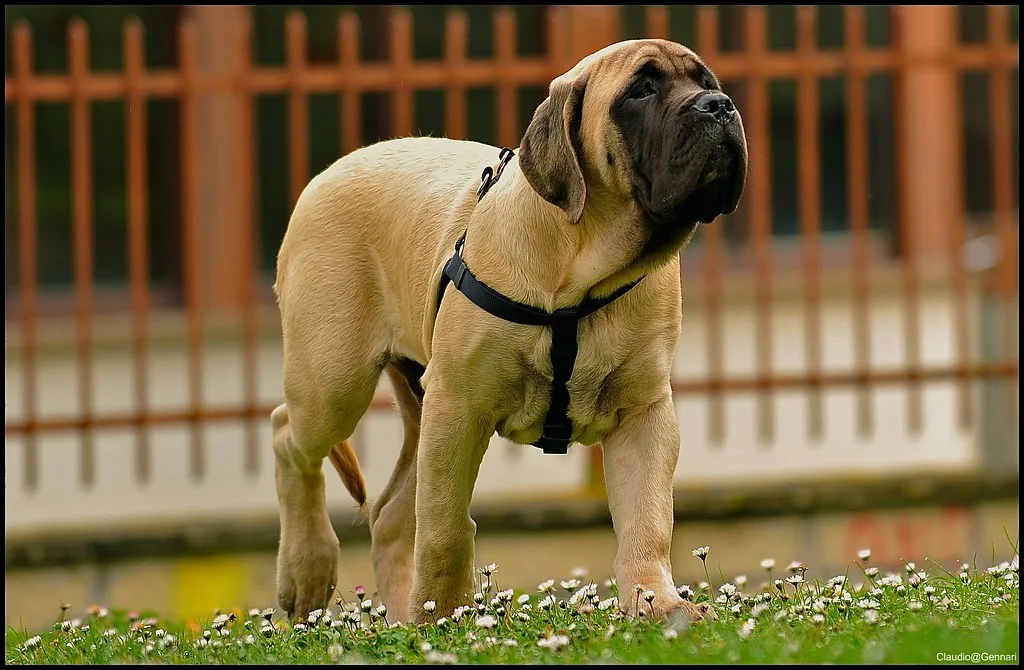
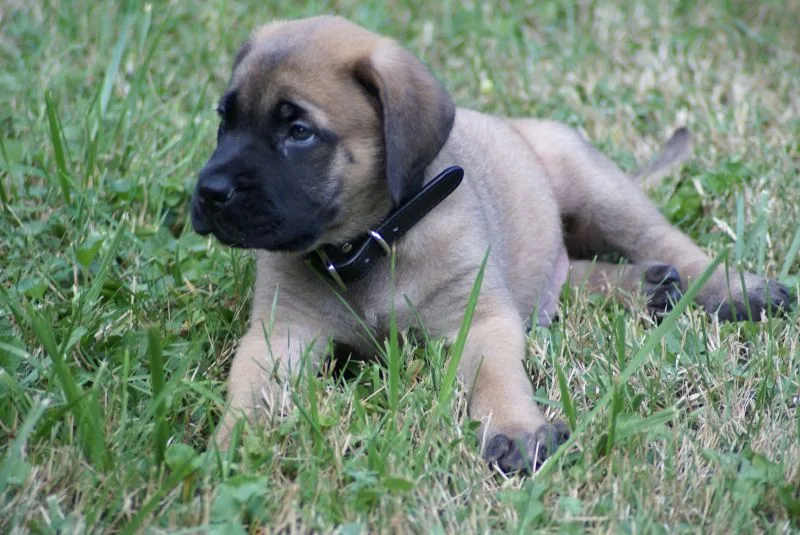
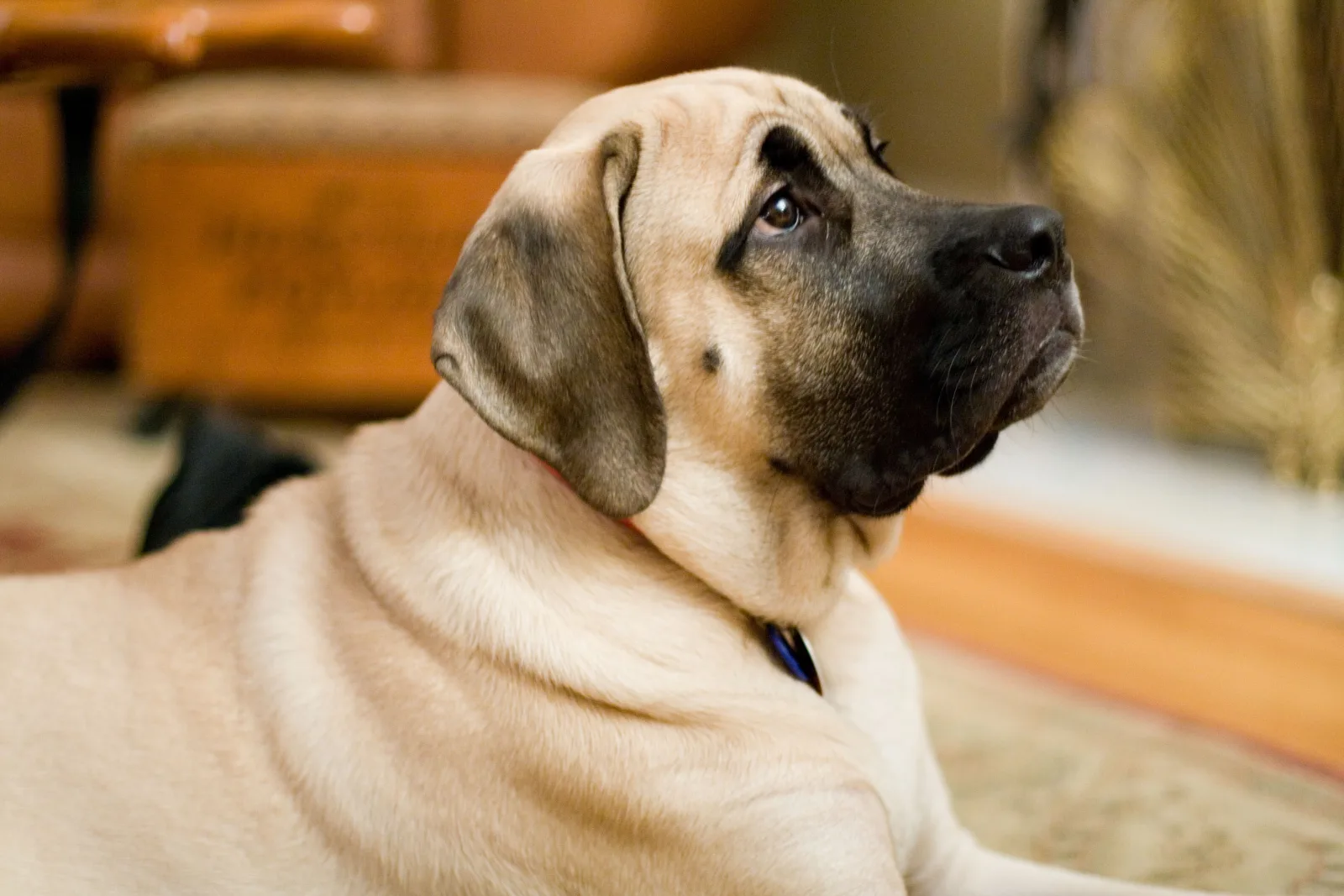
Every English Mastiff profile blends practical care notes, breed traits, and everyday living guidance.
Breed Levels
How well this breed aligns with lifestyle factors.
Characteristics
Key traits that define this breed.
Appearance
Physical traits and distinctive features of this breed.
Individual pets may vary in appearance, temperament and needs. Early training, proper care and socialization help bring out the best in every companion.
The English Mastiff: A Colossal Gentle Giant
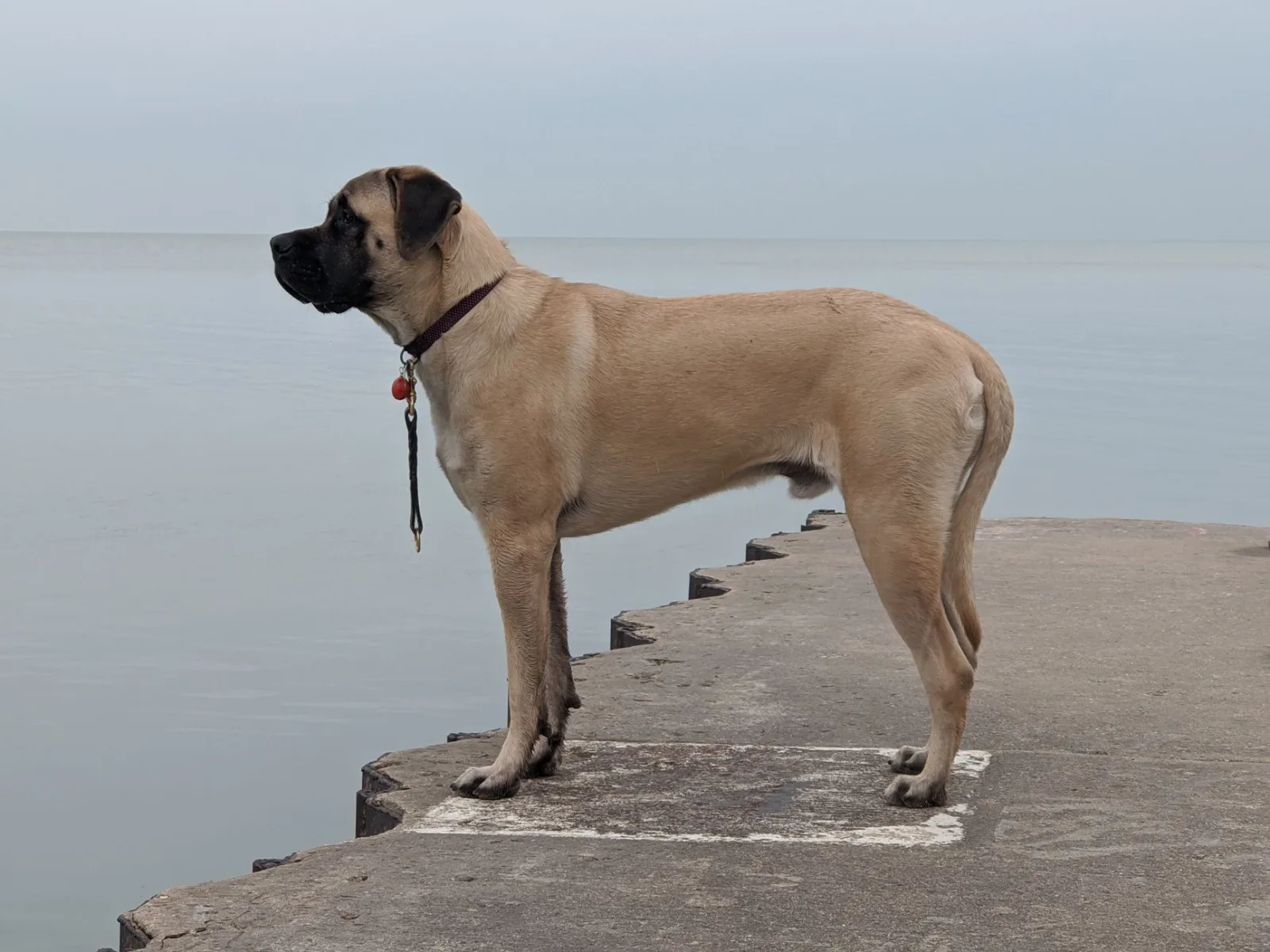
The English Mastiff is one of the largest dog breeds on earth, a colossal yet calm and dignified companion whose imposing size hides a remarkably gentle, affectionate nature. Bred for guarding, it remains watchful and devoted, but day to day it is a patient, lovable family dog. Mastiffs are enormous, with females weighing roughly 54 to 77 kg and many males exceeding 90 kg, standing from about 70 to 76 cm or more, and live a relatively short 6 to 10 years.
An Ancient Guardian
Also called the Old English Mastiff, the breed has ancient roots; Mastiff-type dogs are documented in Britain when the Romans arrived around 55 to 54 BCE, with evidence of similar giant dogs stretching back thousands of years. Across history these dogs served as guardians, hunters and war dogs, and they eventually crossed to North America. That guardian instinct endures in the modern Mastiff's calm, protective watchfulness.
Temperament
The Mastiff is courageous, dignified, good-natured and protective. Well-socialised individuals are true gentle giants, typically excellent with children and other animals, docile at home yet formidable if their family is genuinely threatened. One practical caution: a Mastiff is often unaware of its own size, which can be a hazard around small children and pets, so supervision and gentle early training matter.
Exercise and Grooming
Despite the size, exercise needs are moderate; daily walks keep a Mastiff fit without overtaxing growing joints, and strenuous activity should be avoided in young dogs and in heat. The short, dense coat is easy to maintain with a brush every few days, though the breed sheds more heavily once or twice a year. Owners should also be prepared for some drooling.
Health and Feeding
As a giant, deep-chested breed, the Mastiff needs careful management:
- Bloat (gastric dilatation-volvulus): feed two to three smaller meals a day rather than one large one, and avoid heavy exercise around mealtimes
- Hip and elbow dysplasia and other joint and bone conditions common to giant breeds
- Heart conditions and eye problems in some lines
Who It Suits
The English Mastiff suits owners with plenty of space, the budget for giant-breed feeding and veterinary care, and the heart to love a gentle colossus whose years are sadly few. For a calm, committed household, it is a devoted, dignified and surprisingly tender companion.