Labrador Retriever
A friendly and active retriever breed famous for trainability, family companionship, and working versatility.

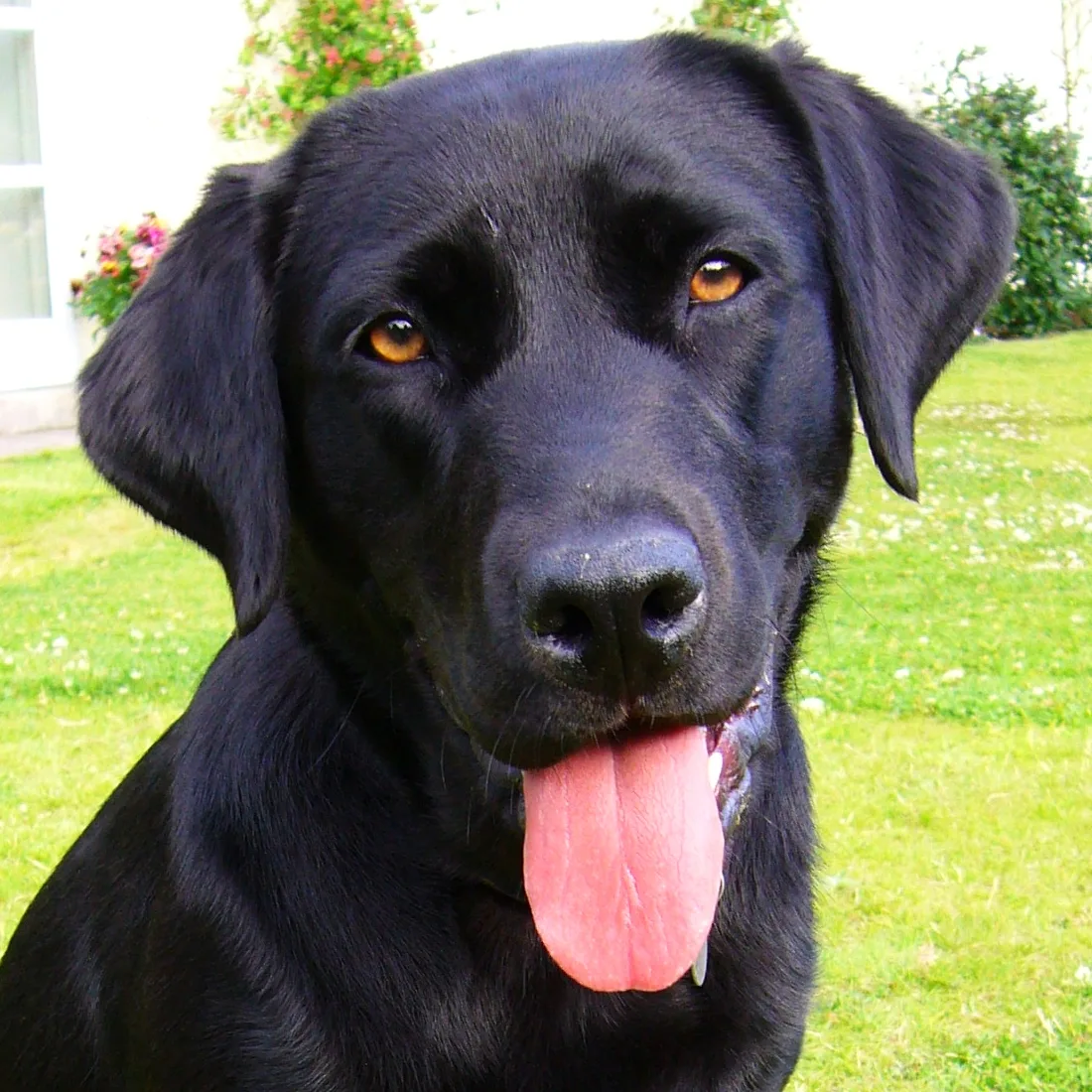
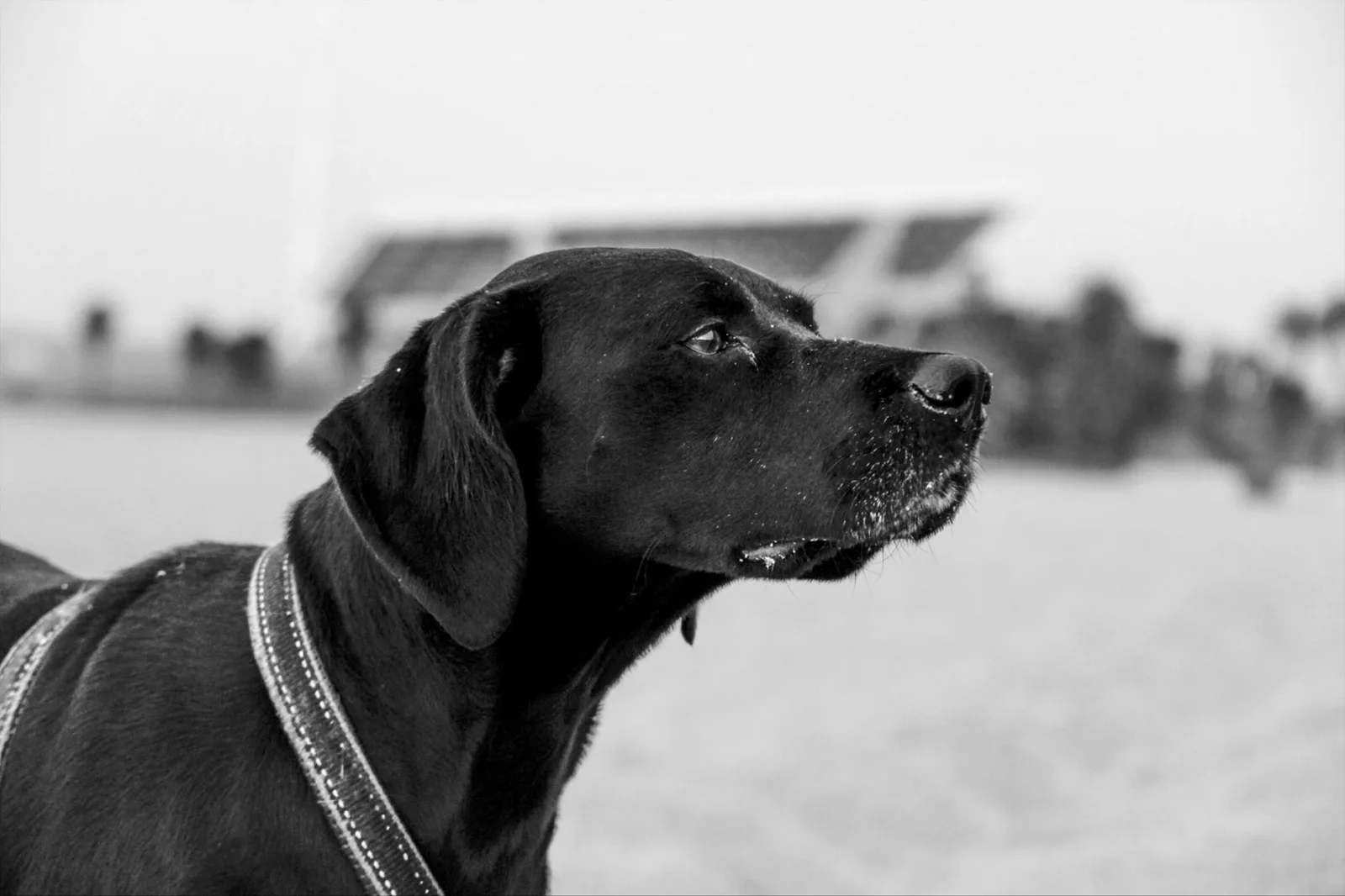




Every Labrador Retriever profile blends practical care notes, breed traits, and everyday living guidance.
Breed Levels
How well this breed aligns with lifestyle factors.
Characteristics
Key traits that define this breed.
Appearance
Physical traits and distinctive features of this breed.
Individual pets may vary in appearance, temperament and needs. Early training, proper care and socialization help bring out the best in every companion.
The Labrador Retriever: Britain's Workmanlike Family Favourite
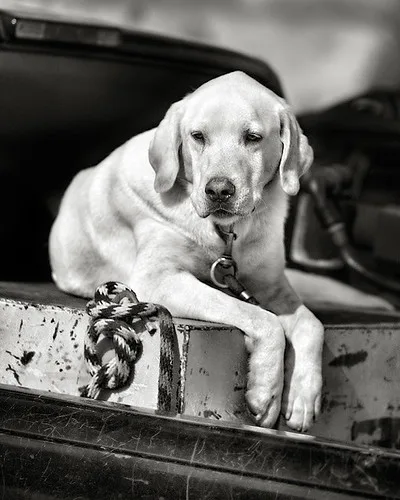
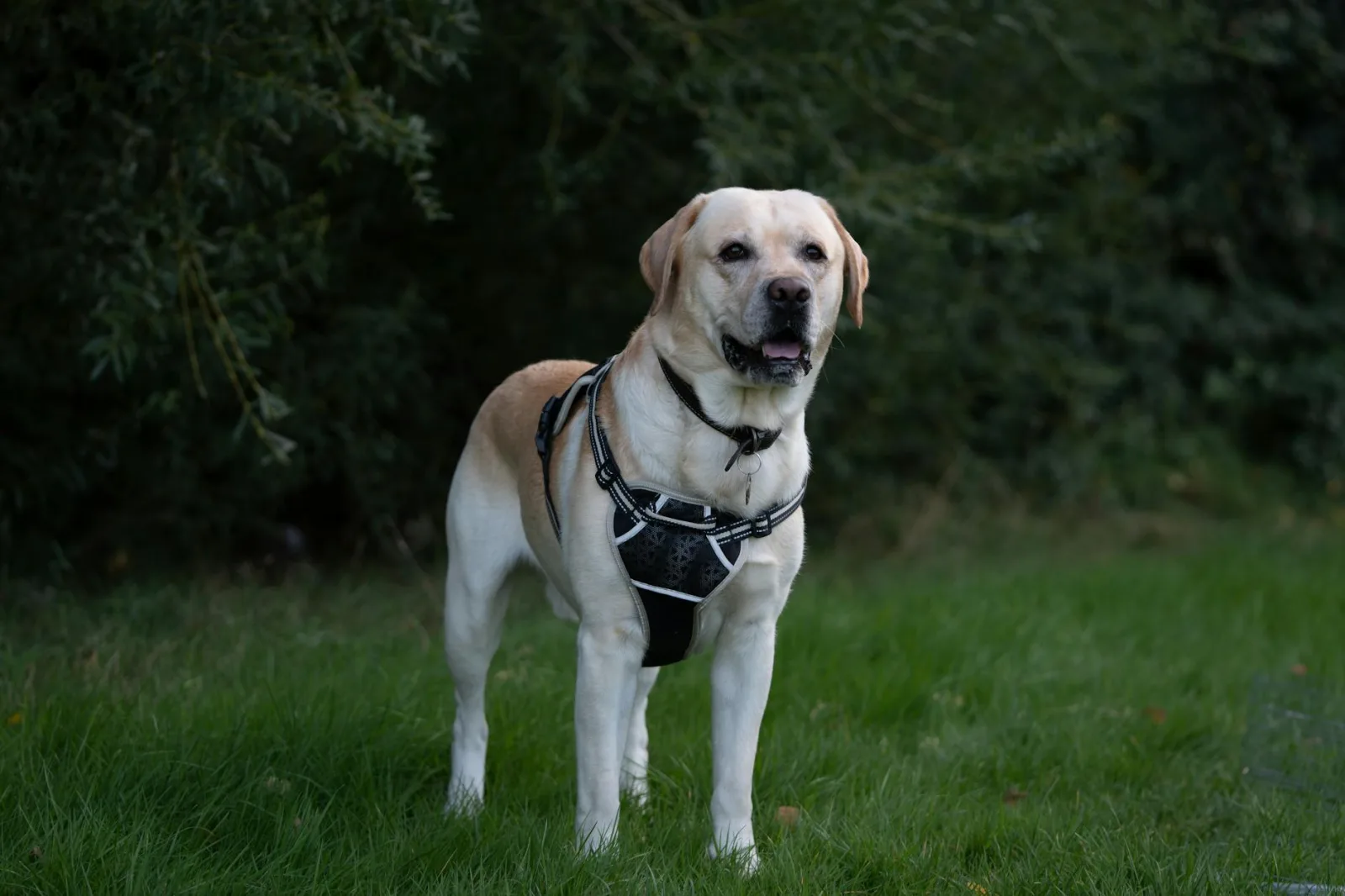
Few dogs carry their reputation as effortlessly as the Labrador Retriever. Bred in the United Kingdom from hardy fishing dogs, the Labrador has become the world's go-to companion for families, sportsmen, and working handlers alike. With a typical lifespan of 10 to 12 years, a sturdy frame, and a famously sunny disposition, this is a breed that wants nothing more than to be busy, useful, and close to the people it loves.
From Newfoundland Docks to British Estates
Despite the name, the Labrador's roots trace not to Labrador but to the rocky coastline of Newfoundland. There, the small, water-loving St. John's dog hauled nets, retrieved escaped fish, and braved icy Atlantic swells alongside cod fishermen. British aristocrats who imported these dogs in the early nineteenth century recognised their potential afield and refined them on country estates into the steady gundog we know today. That maritime heritage still shows: Labradors adore water, swim powerfully, and were practically built for retrieving.
Temperament and the Famous Labrador Heart
Ask any owner and the description is consistent. The Labrador is friendly, outgoing, active, and eager to please. They greet strangers as friends-in-waiting, which makes them poor guard dogs but exceptional companions. Their intelligence is paired with a genuine desire to work with people, a combination that has made the breed a mainstay in guide-dog programmes, search-and-rescue teams, and detection roles for police and military units. A Labrador thrives on having a job, even if that job is simply carrying a slipper from room to room.
An Active Dog That Needs an Active Home
This is not a breed content to laze on the sofa all day. A Labrador needs real daily exercise to stay balanced and happy:
- At least an hour of vigorous activity, ideally split across the day
- Swimming, fetch, and scent games that satisfy the retrieving instinct
- Training challenges and puzzle feeders to occupy that quick mind
Without enough outlet, a bored Labrador will invent its own entertainment, often involving chewing or digging. Mental enrichment matters as much as physical exercise.
The Coat, the Otter Tail, and Grooming
The Labrador wears a short, dense double coat that is wonderfully weather-resistant and only slightly oily, a nod to its swimming past. That same coat sheds steadily year-round and blows out heavily twice a year, so a weekly brush, stepping up to daily during seasonal moults, keeps loose hair under control. The breed's signature feature is its thick, tapering otter tail, used like a rudder in the water. Beyond coat care, routine ear checks, nail trims, and dental hygiene round out a fairly low-maintenance grooming routine.
Health and the Appetite Problem
Labradors are generally robust, but responsible ownership means knowing the risks. The breed is predisposed to hip and elbow dysplasia, and reputable breeders screen their stock accordingly. Eye conditions and exercise-induced collapse also appear in some lines. The single biggest day-to-day health challenge, however, is the Labrador's legendary appetite. This breed is intensely food-motivated, a trait that aids training but pushes many Labradors toward obesity. Watch the chief considerations carefully:
- Measure meals rather than free-feeding, and account for training treats
- Keep an eye on body condition; a waist should be visible
- Pair sensible feeding with consistent exercise to protect joints
Manage that waistline, give the dog purpose and companionship, and a Labrador will repay you with years of loyal, joyful devotion.