Papillon
A small, highly intelligent toy spaniel recognized for its butterfly-like ears.
Every Papillon profile blends practical care notes, breed traits, and everyday living guidance.
Breed Levels
How well this breed aligns with lifestyle factors.
Characteristics
Key traits that define this breed.
Appearance
Physical traits and distinctive features of this breed.
Individual pets may vary in appearance, temperament and needs. Early training, proper care and socialization help bring out the best in every companion.
The Papillon: The Butterfly-Eared Charmer
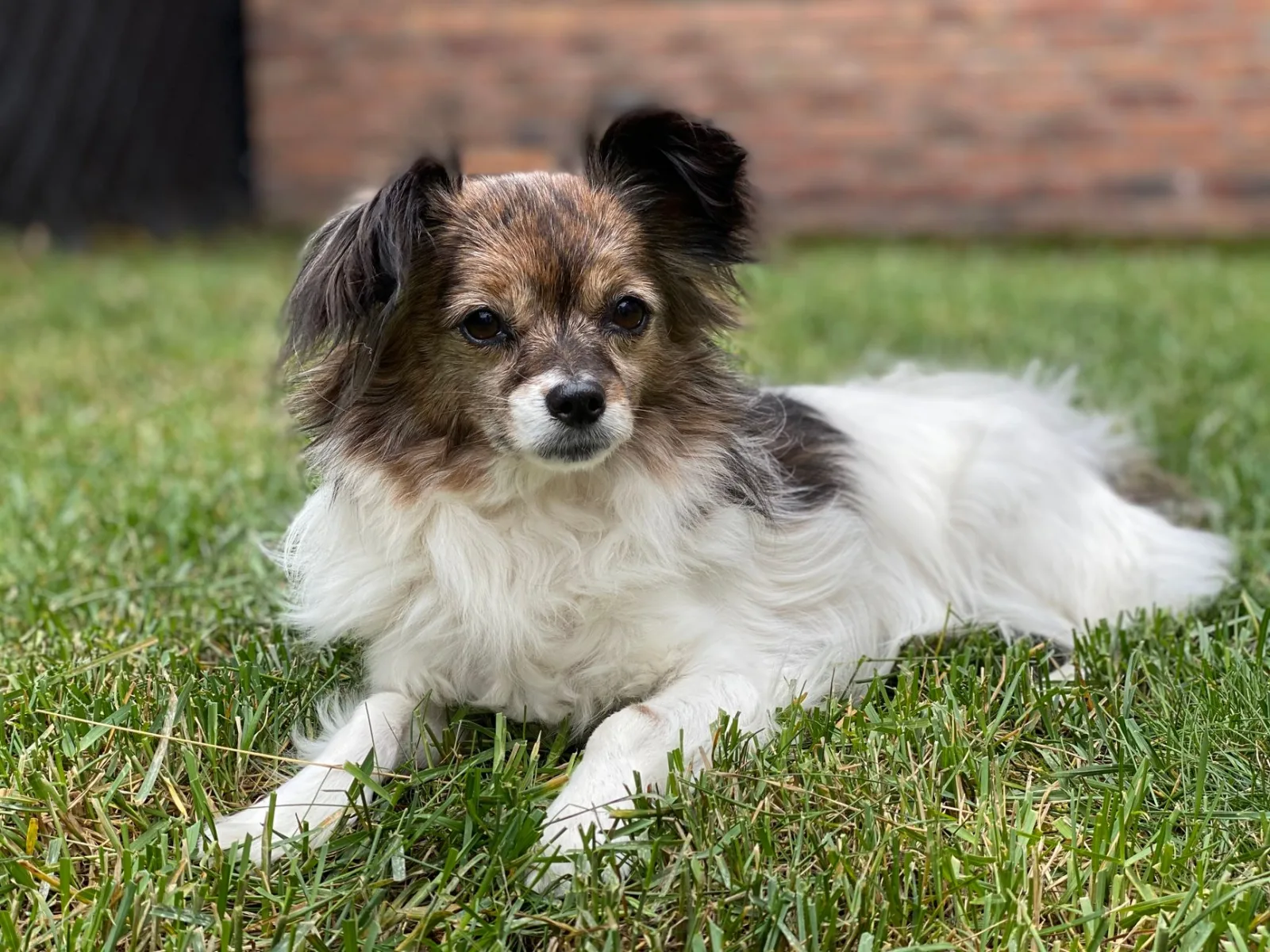
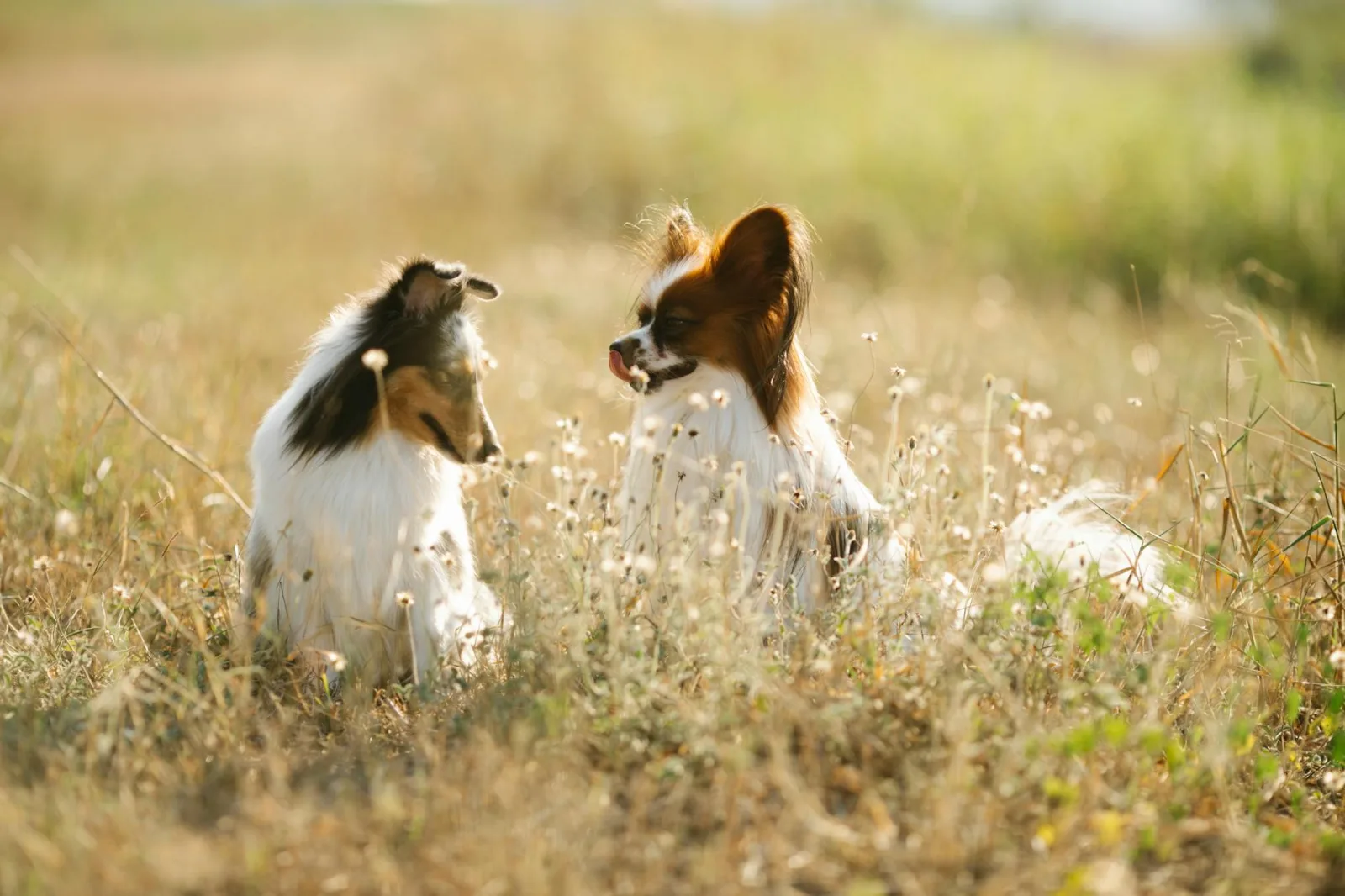
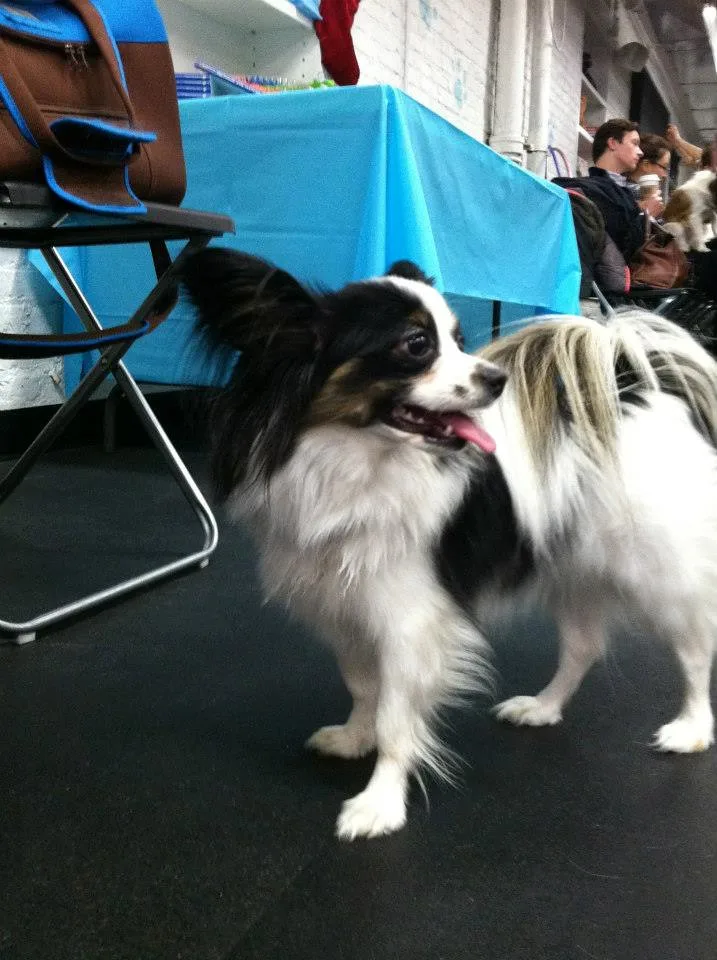
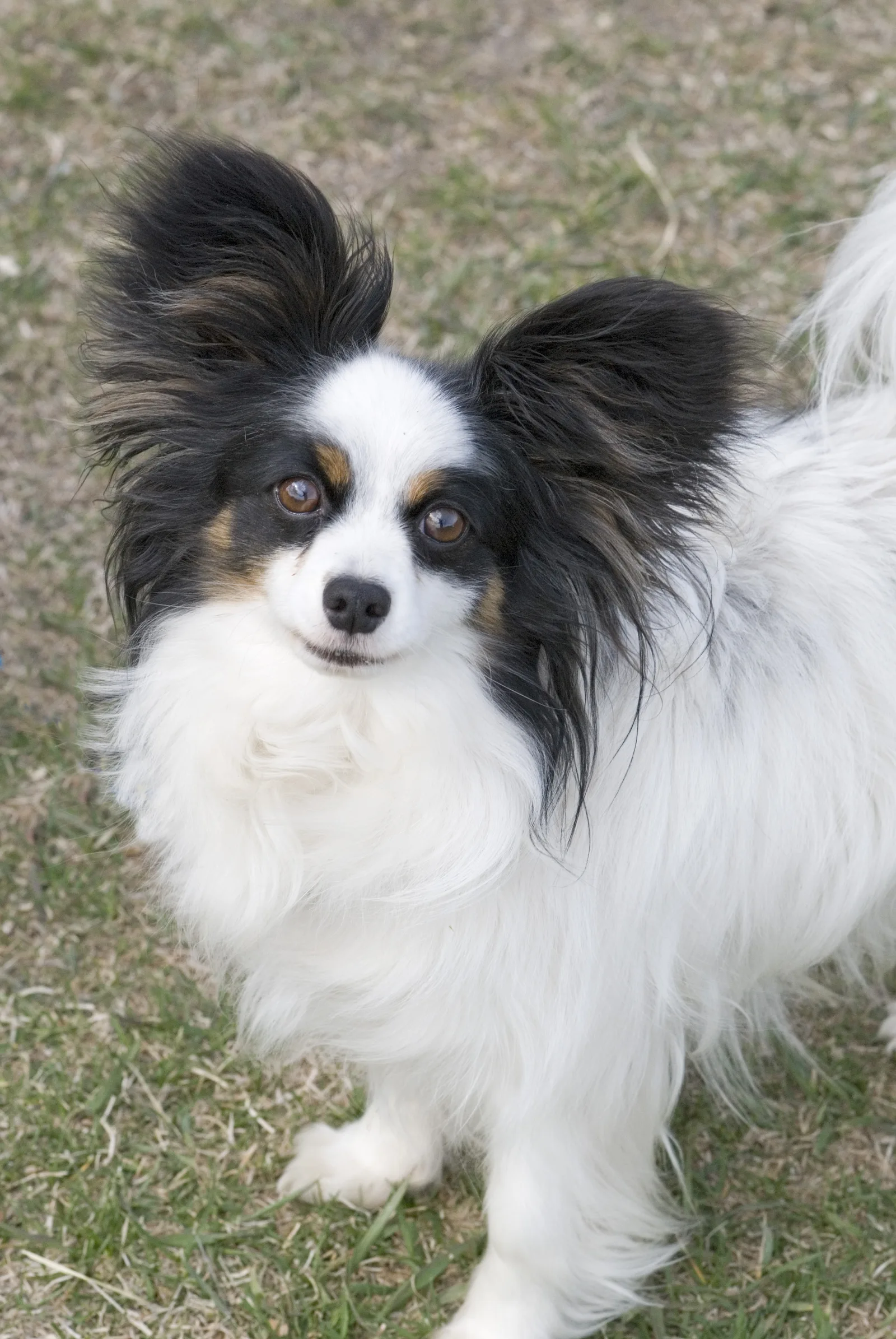
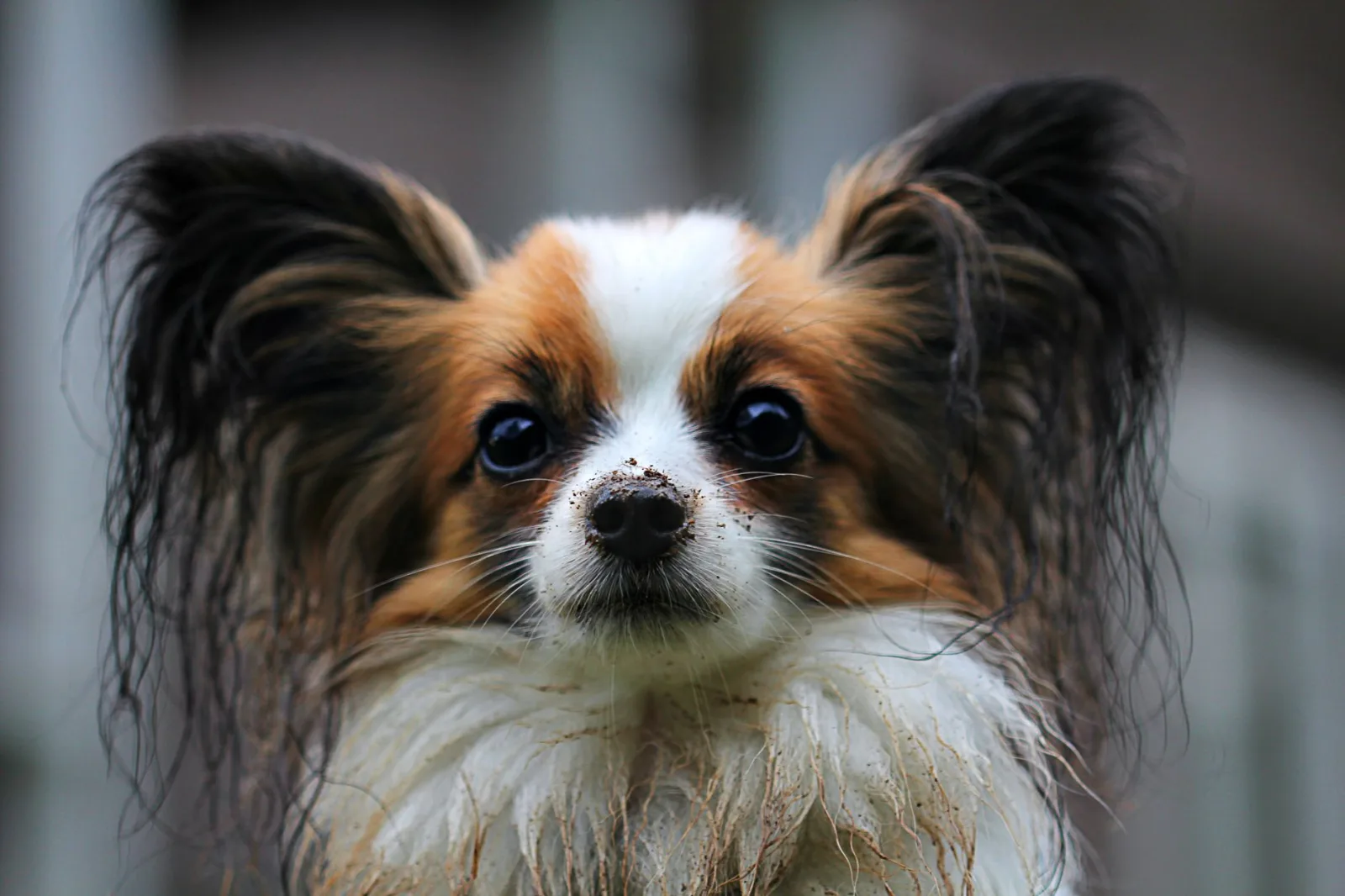
The Papillon is a dainty, elegant toy dog named for its most striking feature: large, fringed ears that resemble the outspread wings of a butterfly, papillon being French for butterfly. Bright, lively and surprisingly athletic, it is one of the most intelligent of all toy breeds. Papillons stand 20 to 28 cm tall, weigh just 2.3 to 4.5 kg and enjoy a long lifespan of around 14 to 16 years.
A Toy Spaniel of the Royal Courts
The Papillon descends from the dwarf or continental toy spaniels depicted in European artwork as far back as the 16th century. Once known as the Dwarf Spaniel, it was a favourite of nobility, with admirers reputed to include Louis XIV and Marie Antoinette. Its erect, butterfly-shaped ears, carried at roughly a 45-degree angle when alert, give the breed its name and its unmistakable, perpetually cheerful expression.
Temperament
The Papillon is friendly, alert, happy and intelligent. The breed standard calls for a dog that is neither shy nor aggressive, and Papillons love nothing more than spending time with their people and meeting new friends, especially when socialised young. Highly clever and quick to learn, they make training a pleasure and excel in agility and obedience, often outshining far larger breeds.
Exercise and Enrichment
Though small, the Papillon is an energetic, active dog that enjoys far more than lapdog life. Daily walks, play and especially mental challenges and training games keep this busy little mind satisfied. Its athleticism and trainability make it a star in dog sports, and a bored Papillon will appreciate puzzle toys and tricks.
Grooming
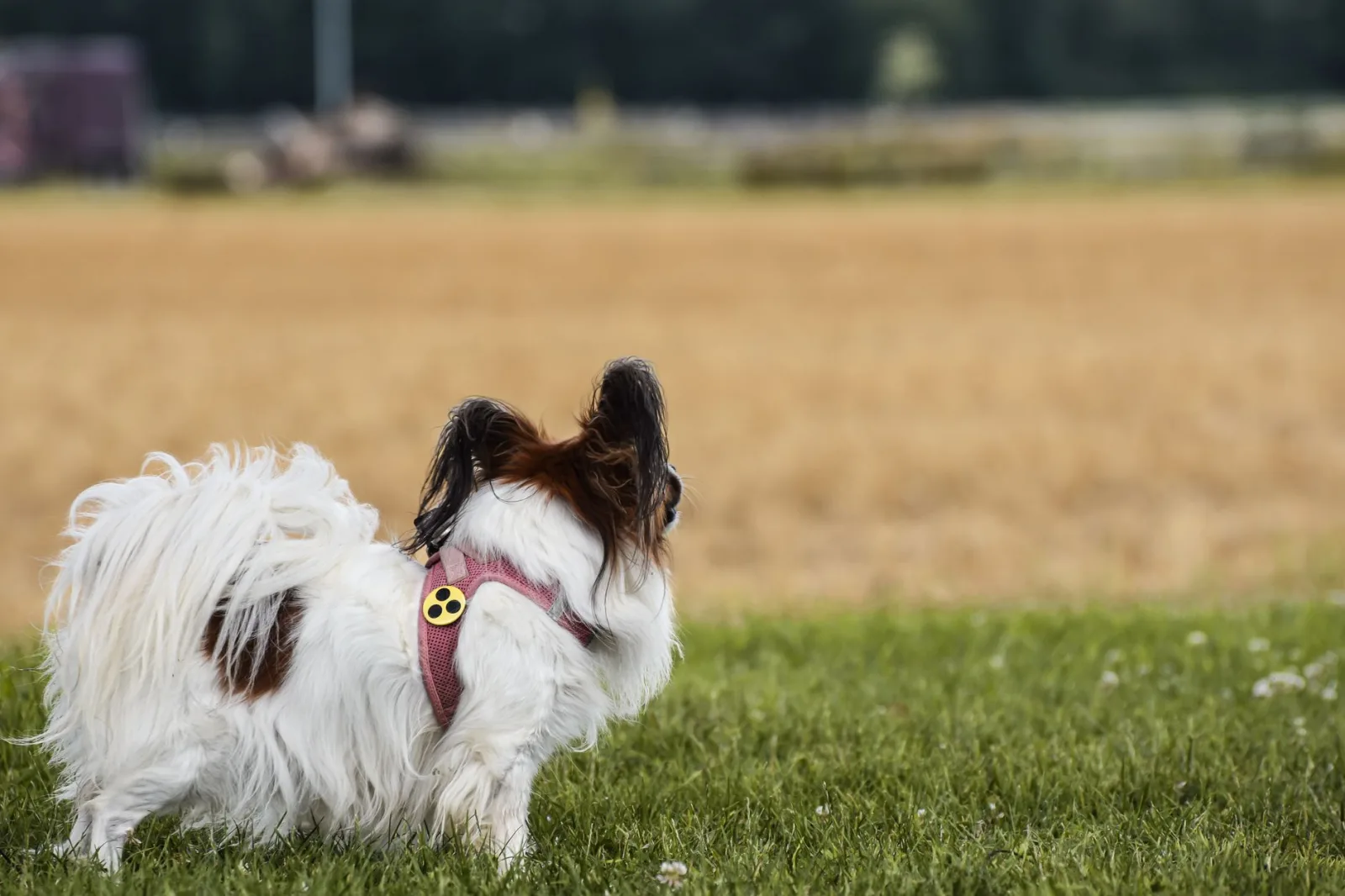
Despite the long, silky coat, grooming is relatively easy because the Papillon has no undercoat. A quick brush every few days prevents matting and reduces shedding, and the ears and fine feathering deserve occasional attention. Daily tooth brushing is important to prevent the dental disease common in small breeds.
Health Considerations
Generally a healthy, long-lived breed, the Papillon can be prone to patellar luxation, dental disease and ear issues, with occasional eye conditions. Routine dental and ear care, plus veterinary checkups, help keep it thriving.
Who It Suits
The Papillon suits owners who want a small, smart, lively companion with more substance than the average toy, including those keen on training and dog sports. Portable, affectionate and brilliant, it is a joyful and engaging friend for many years.