Pekingese
An ancient Chinese companion breed with a distinctive lion-like appearance.
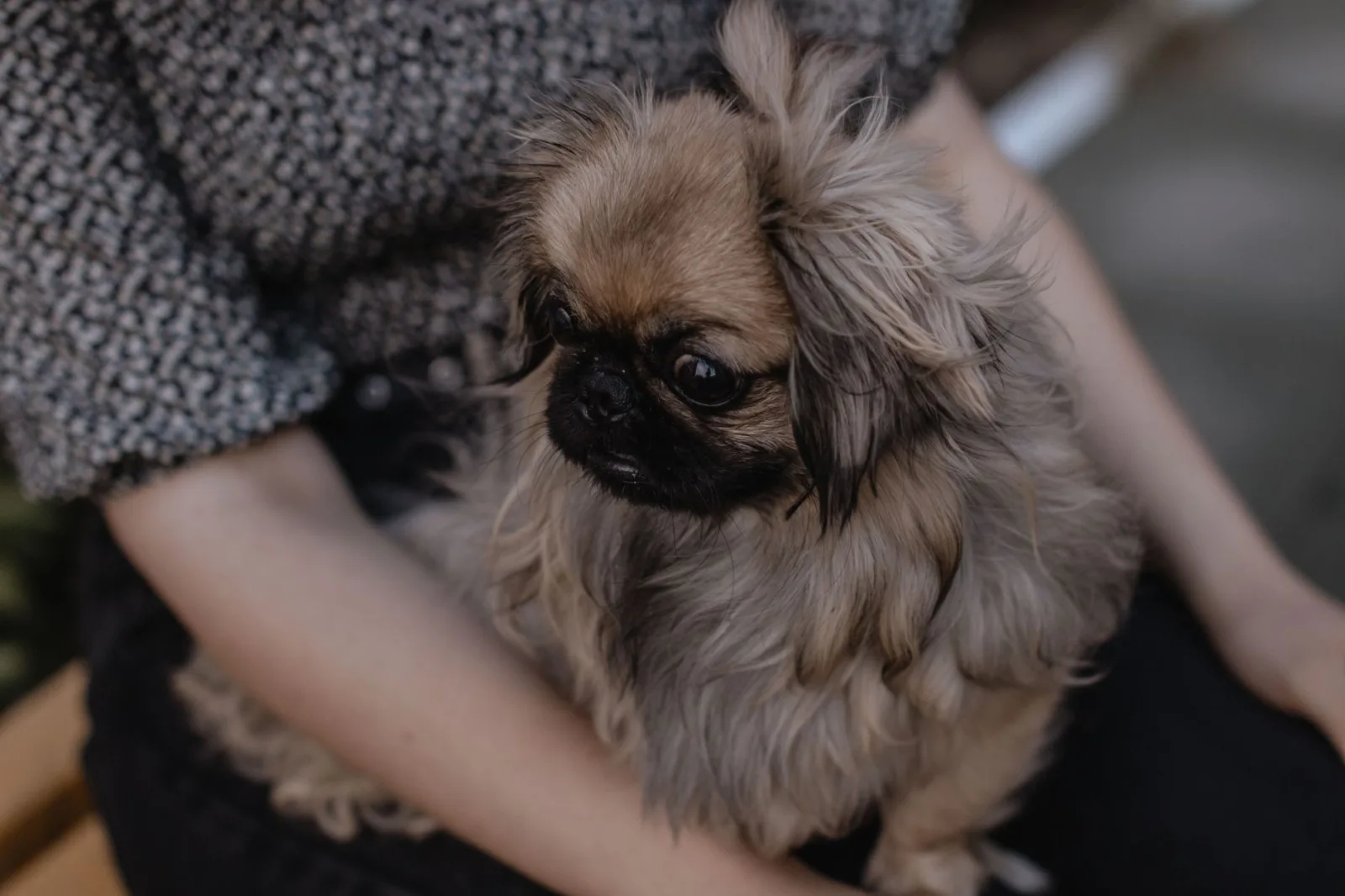
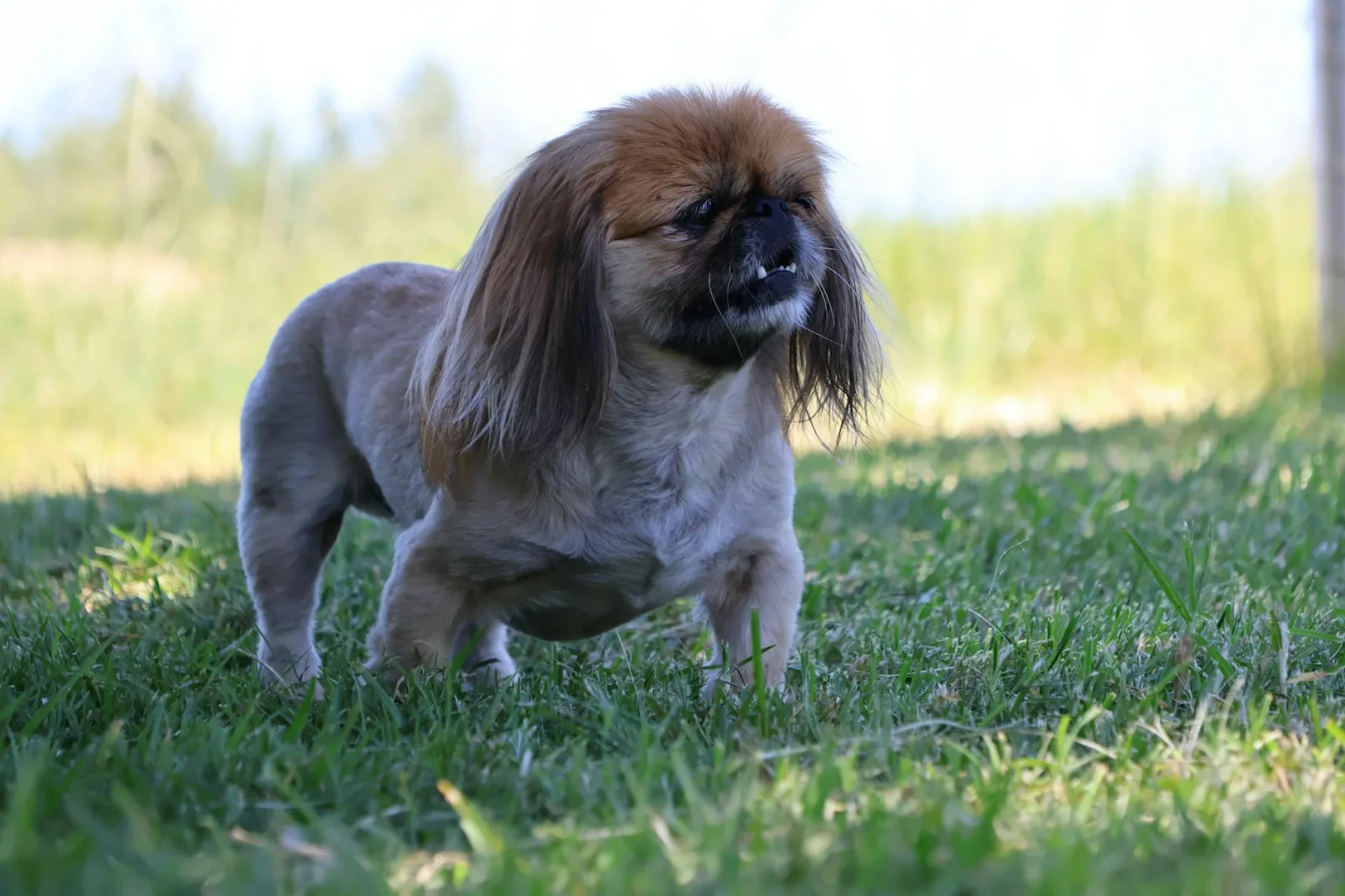
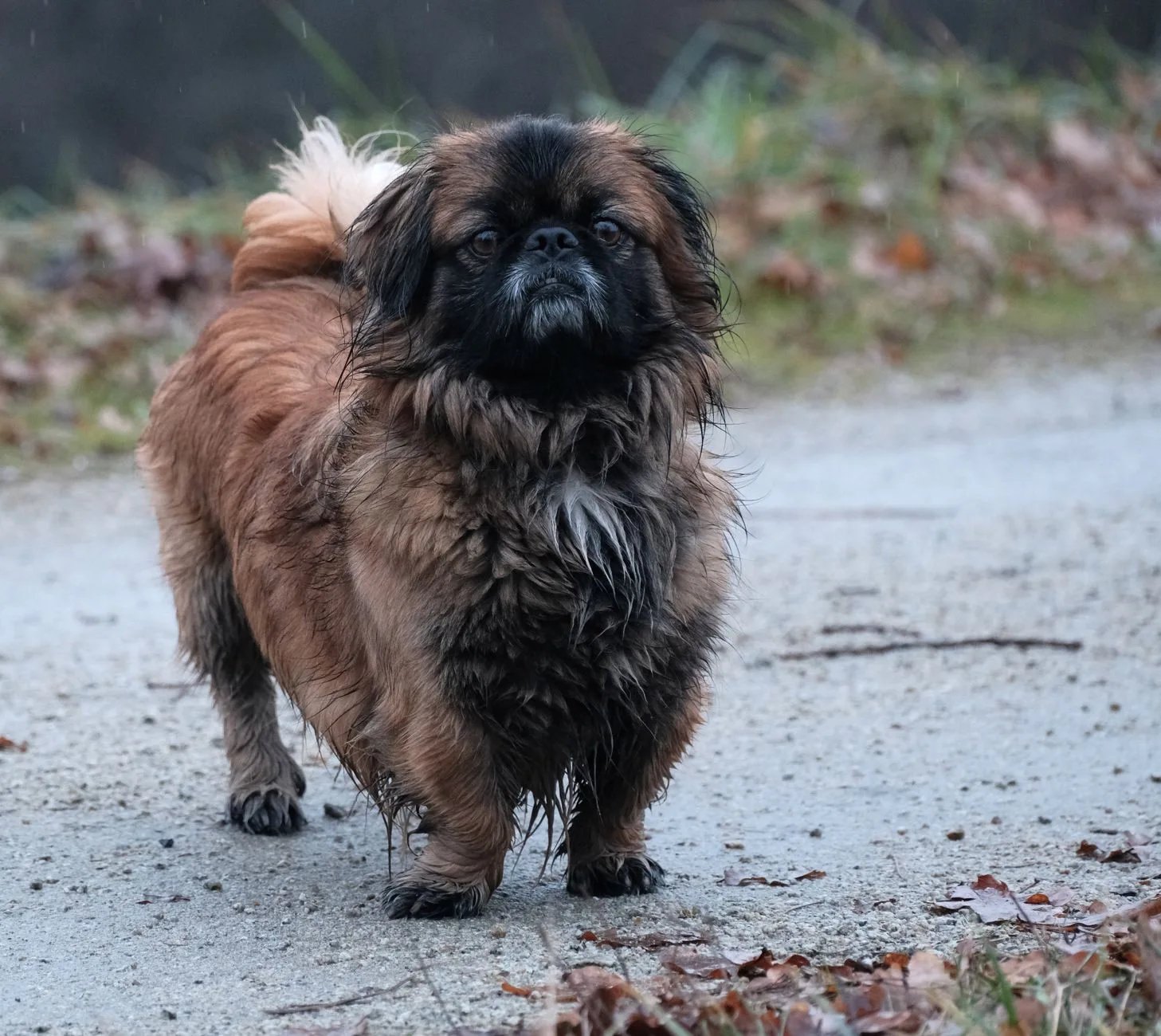
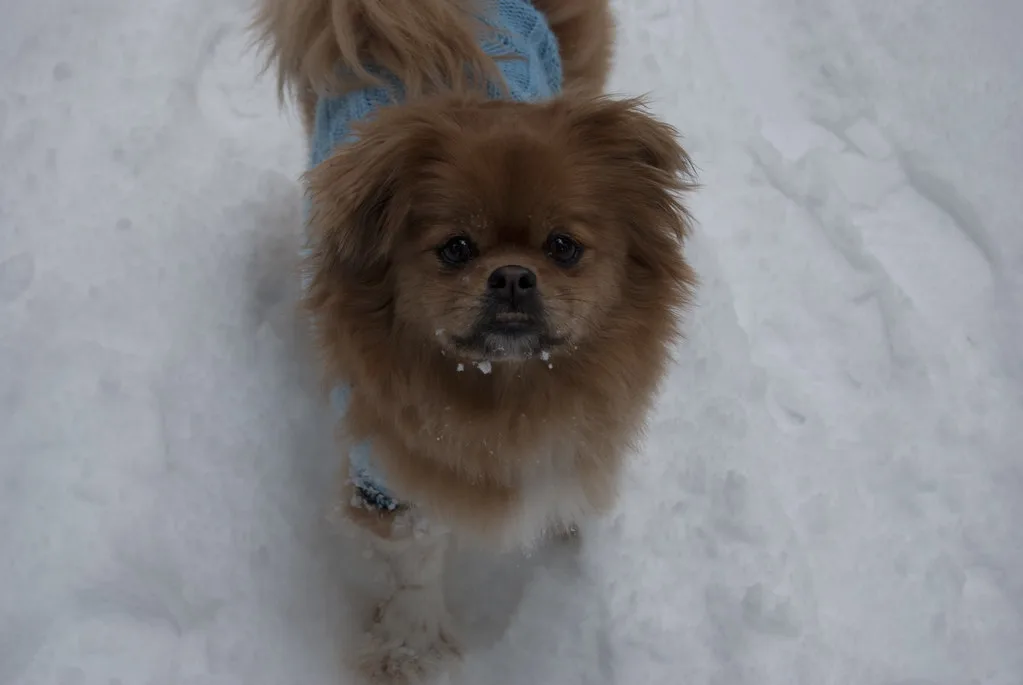
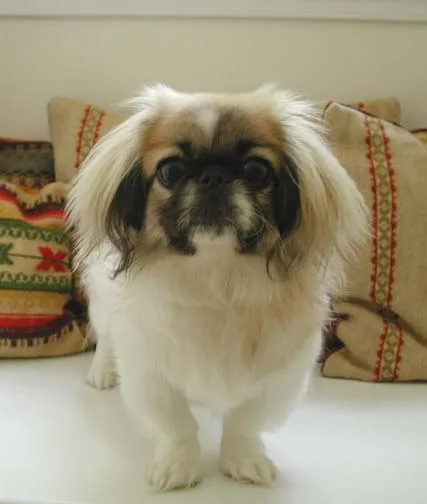
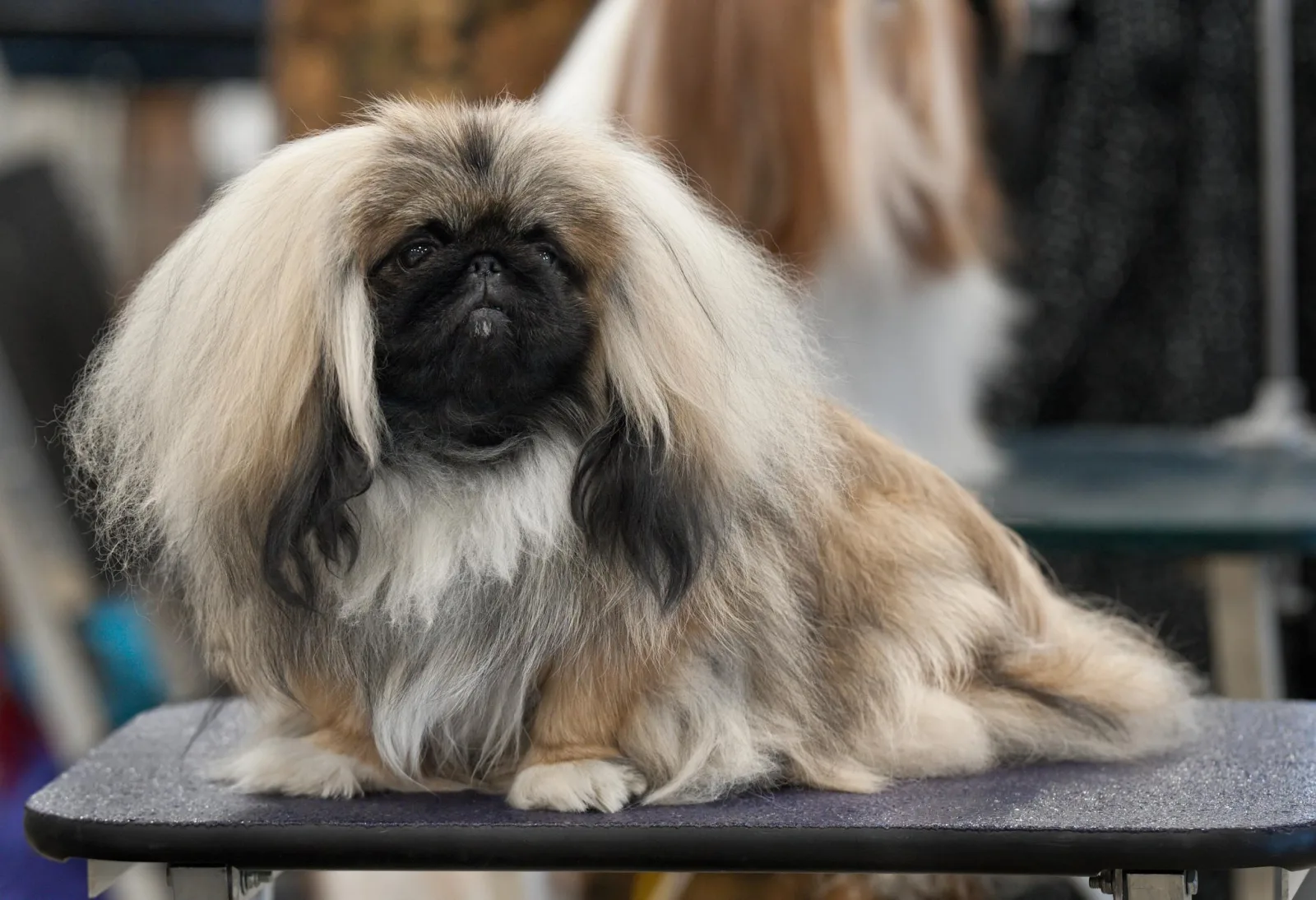
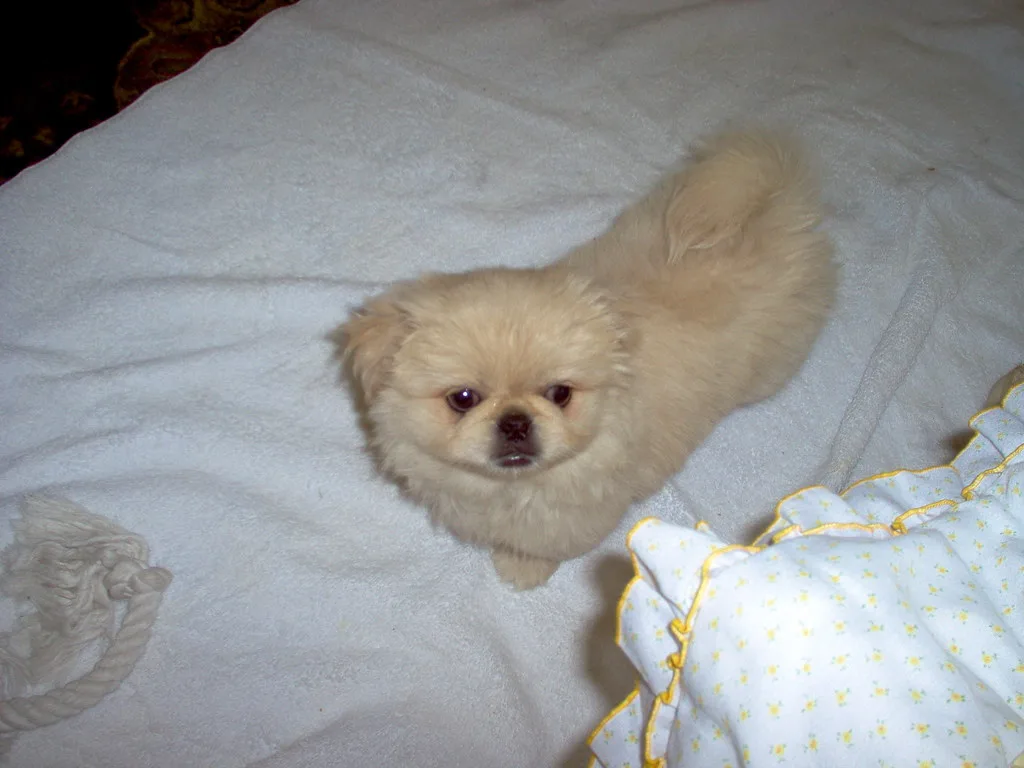
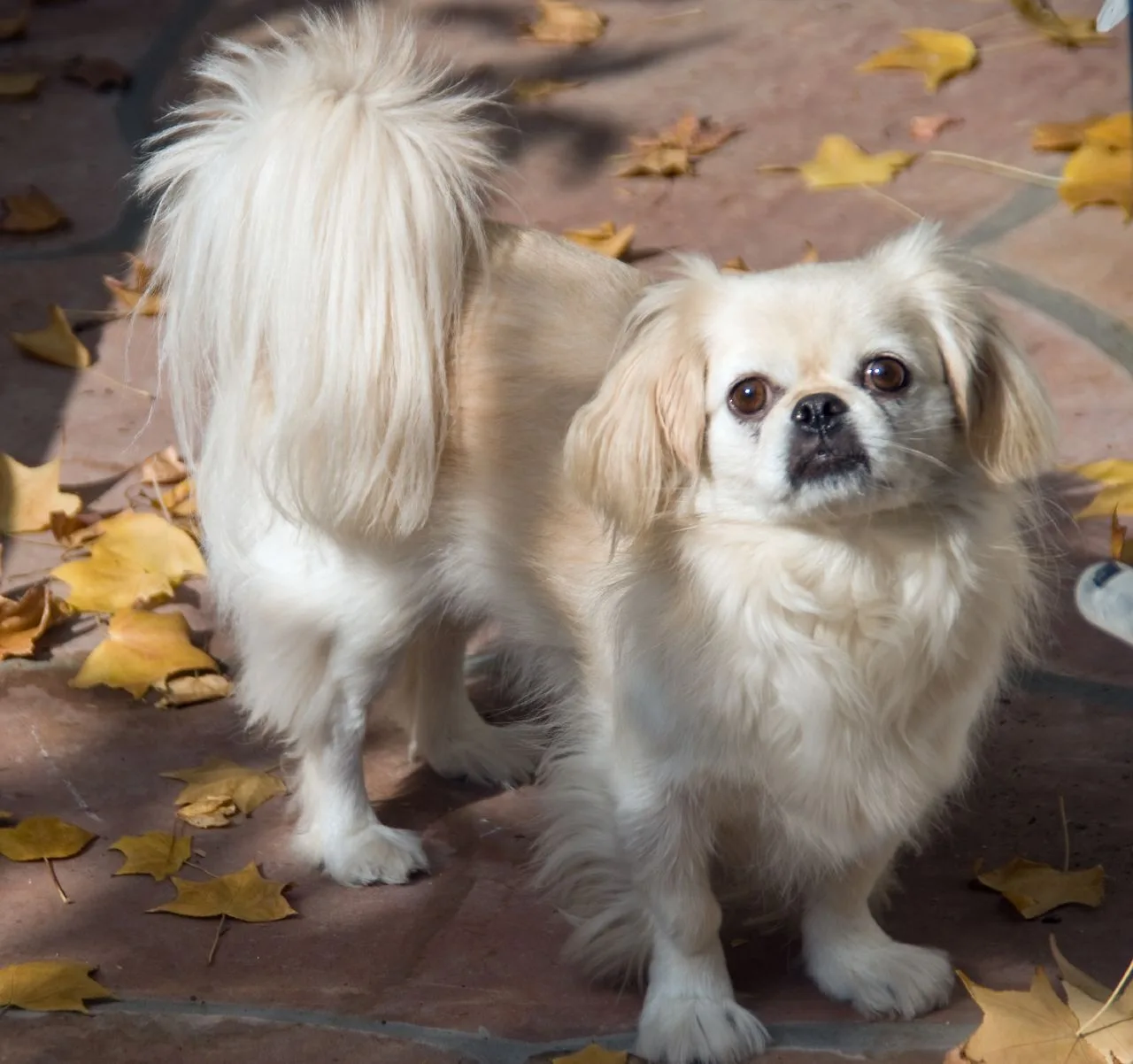
Every Pekingese profile blends practical care notes, breed traits, and everyday living guidance.
Breed Levels
How well this breed aligns with lifestyle factors.
Characteristics
Key traits that define this breed.
Appearance
Physical traits and distinctive features of this breed.
Individual pets may vary in appearance, temperament and needs. Early training, proper care and socialization help bring out the best in every companion.
The Pekingese: The Lion Dog of Imperial China
The Pekingese is a small, regal companion with a flowing mane-like coat, rolling gait and unmistakable air of dignity. Bred for the palaces of ancient China, this little lion dog combines affection and loyalty with a confident, self-important streak all its own. Pekingese stand 15 to 23 cm tall, weigh up to around 6.5 kg and typically live 12 to 14 years.
A Sacred Palace Companion
The Pekingese has a long and noble history, bred to live in the palaces of the imperial classes of ancient China and said to date back more than two millennia to the Han dynasty. So treasured were these dogs that for centuries only the imperial family could own them. The first Pekingese reached the West as loot in 1860, after which the breed gradually spread across the world.
Temperament
The Pekingese is affectionate, loyal, independent and dignified. It is devoted and outgoing with the people it loves, combining regal poise, intelligence and a sense of self-importance into a good-natured but distinctly opinionated companion. Historically a palace watchdog, many remain vigilant and will bark to announce anything they consider suspicious. Its strong-willed nature calls for patient, positive training.
Exercise
The Pekingese has modest exercise needs, content with short daily walks and gentle indoor play, which makes it well suited to apartment life. Because of its flat face, activity should be kept light and avoided in hot weather.
Important Brachycephalic Care
The Pekingese is a brachycephalic breed, and its charming flat face brings real health responsibilities. The shortened skull can cause brachycephalic airway syndrome, affecting breathing and the ability to cool down, so owners should watch for laboured breathing, avoid heat and exertion, and keep the dog at a healthy weight.
Grooming
That beautiful long double coat is a serious commitment:
- Brush thoroughly at least an hour's worth each week to remove tangles and knots
- Plan on professional grooming every six to eight weeks for long-coated dogs
- Keep the facial wrinkle and eyes clean to prevent irritation and infection
Health Considerations
Beyond breathing issues, the breed can be prone to eye problems (its prominent eyes are vulnerable to injury and ulcers), skin-fold infections, and back and joint issues. Regular veterinary care helps catch concerns early.
Who It Suits
The Pekingese suits owners, including apartment dwellers, who want a dignified, affectionate lap companion and will commit to its grooming and brachycephalic care. Proud, loving and full of character, it is a small dog with a truly imperial spirit.