Pomeranian
A lively toy spitz breed with a luxurious coat and confident personality.
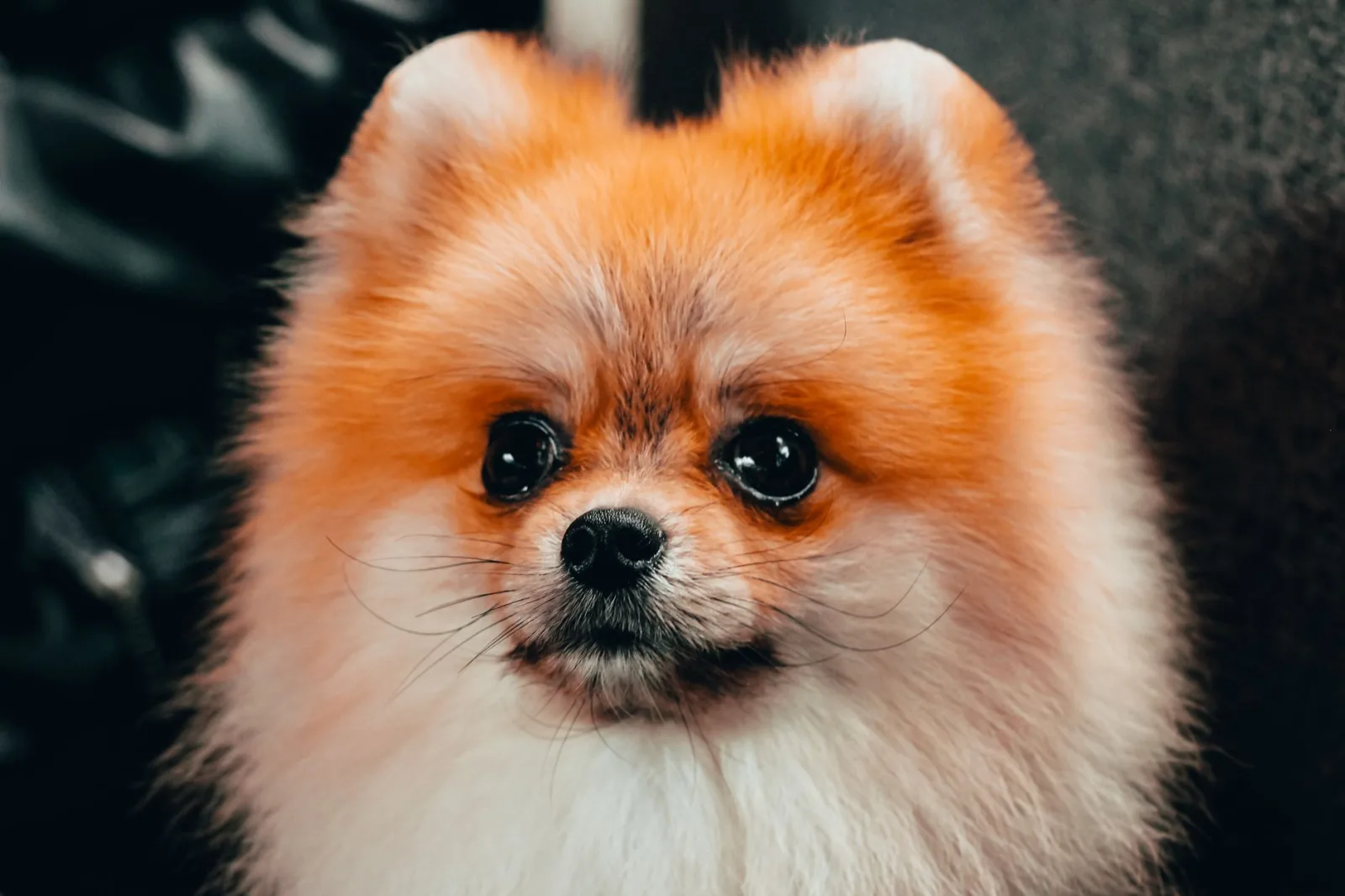
Every Pomeranian profile blends practical care notes, breed traits, and everyday living guidance.
Breed Levels
How well this breed aligns with lifestyle factors.
Characteristics
Key traits that define this breed.
Appearance
Physical traits and distinctive features of this breed.
Individual pets may vary in appearance, temperament and needs. Early training, proper care and socialization help bring out the best in every companion.
The Pomeranian: A Bold Spitz in a Tiny Package
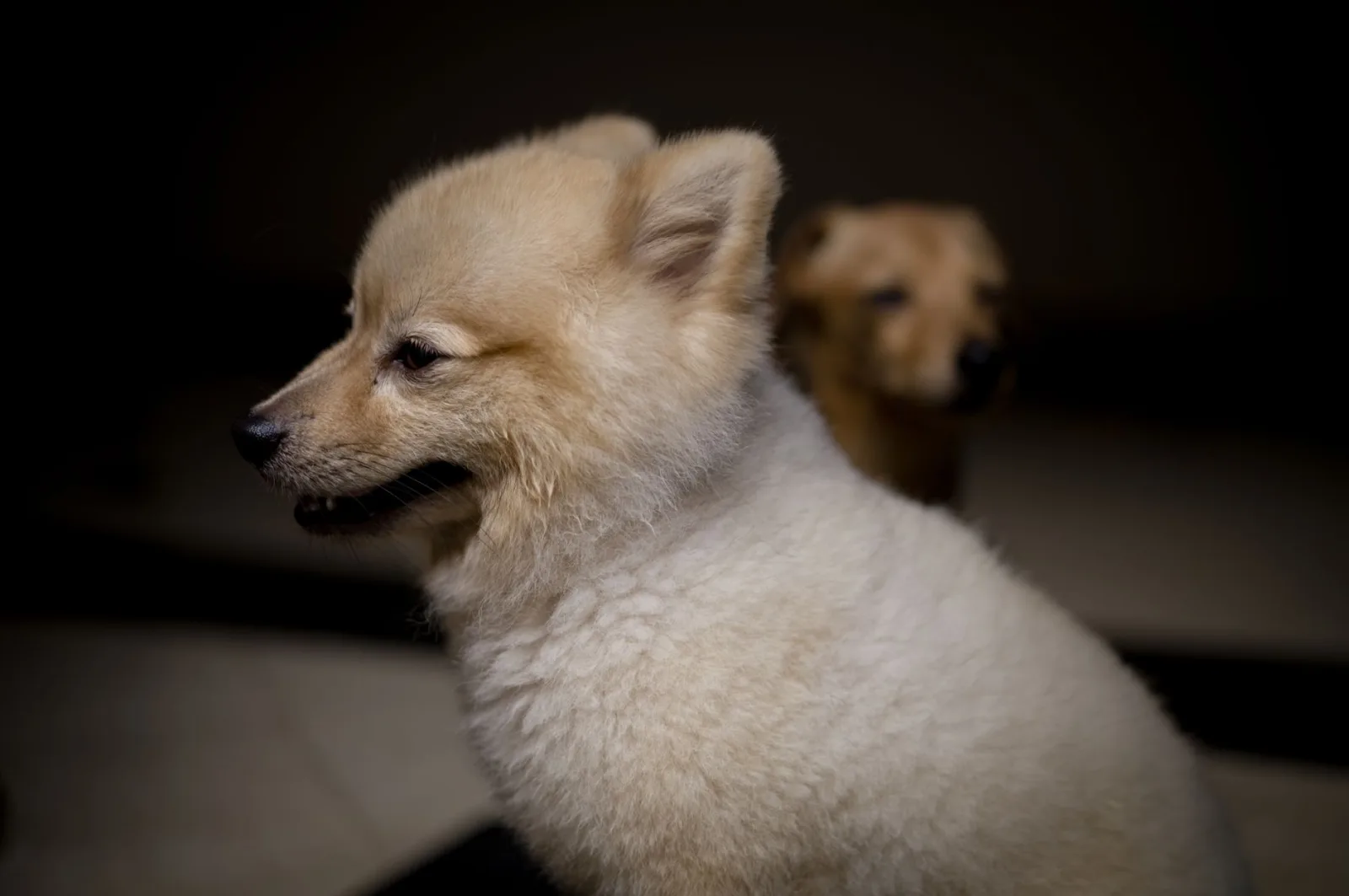
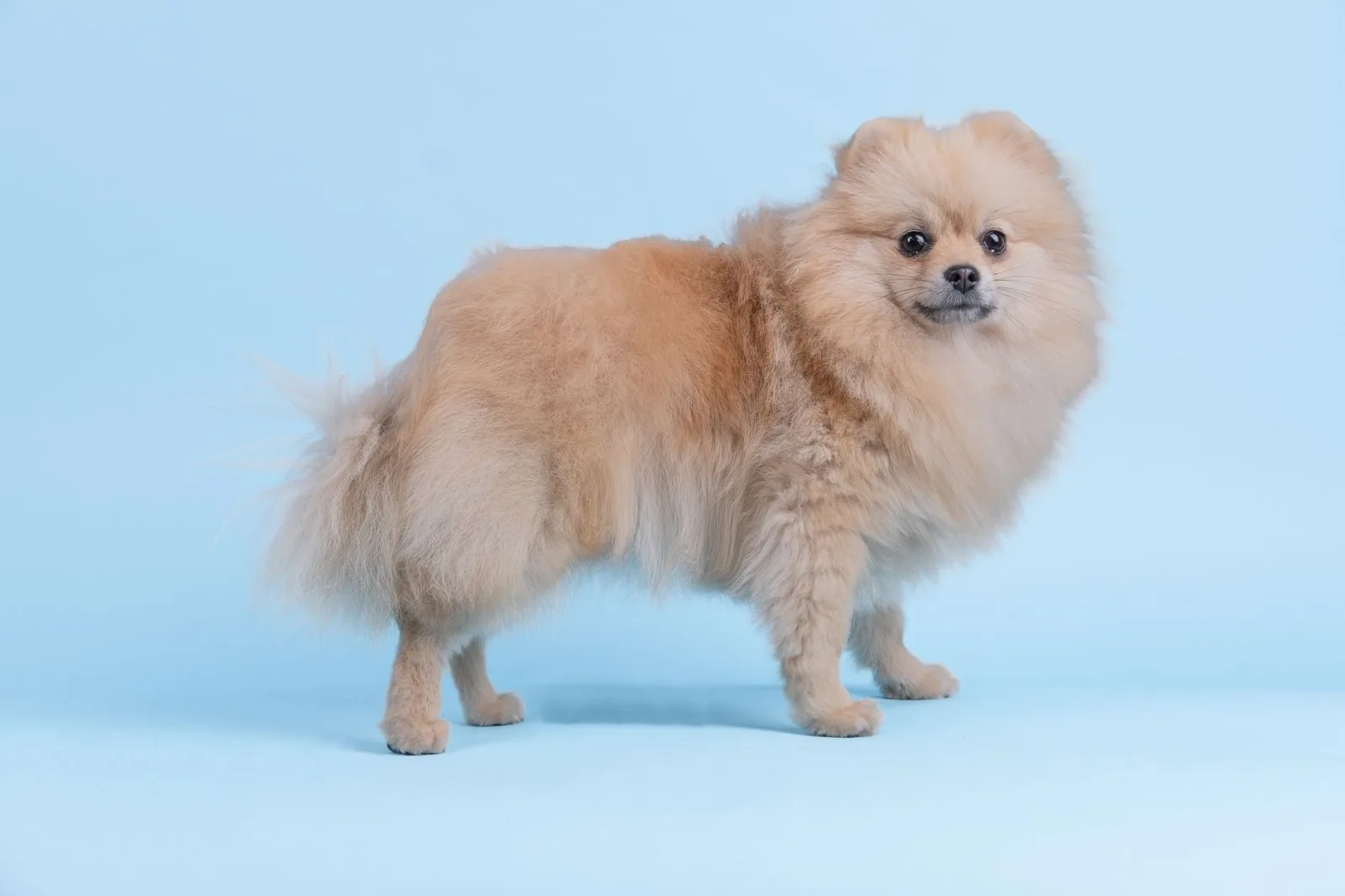
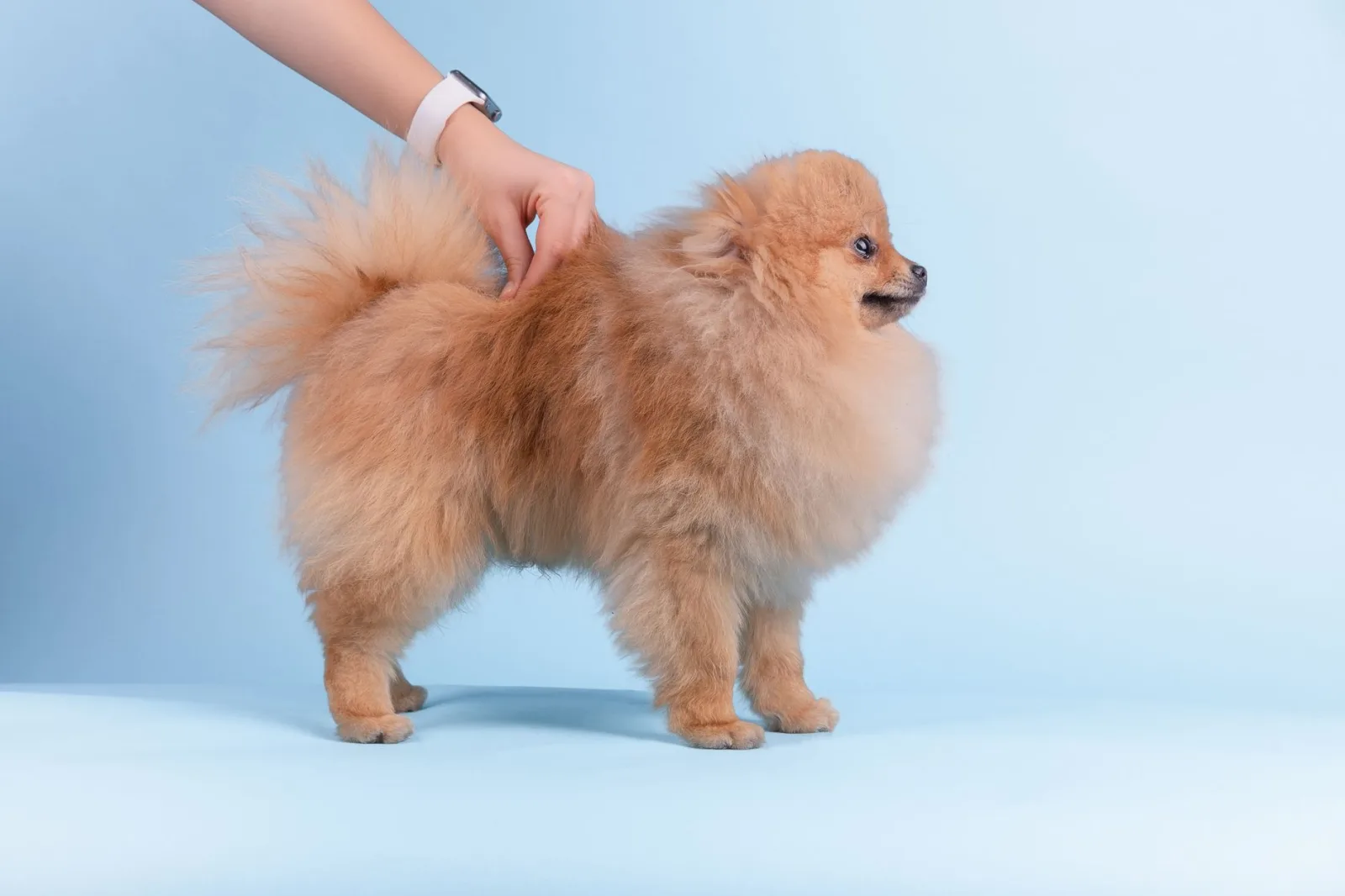
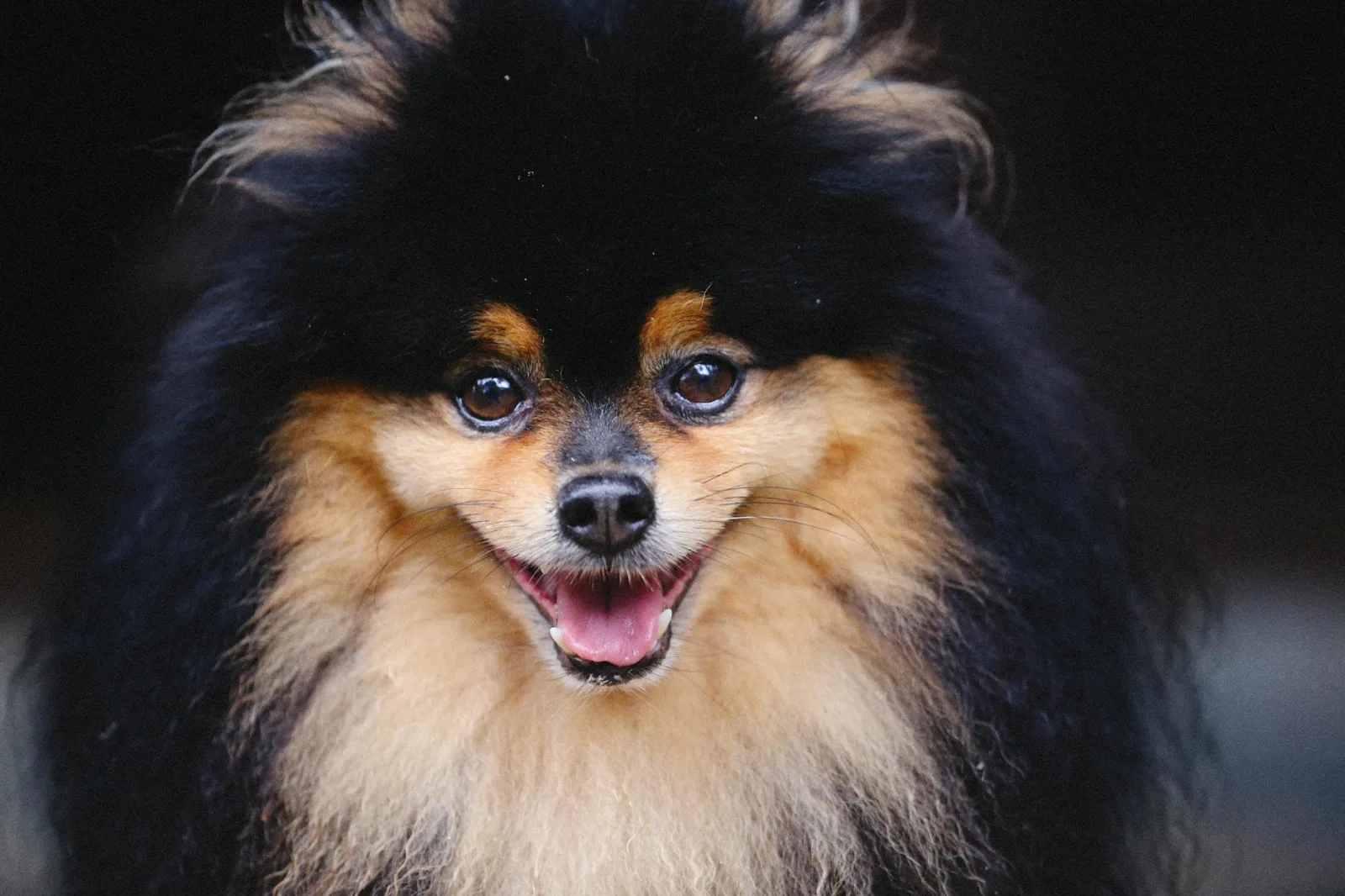
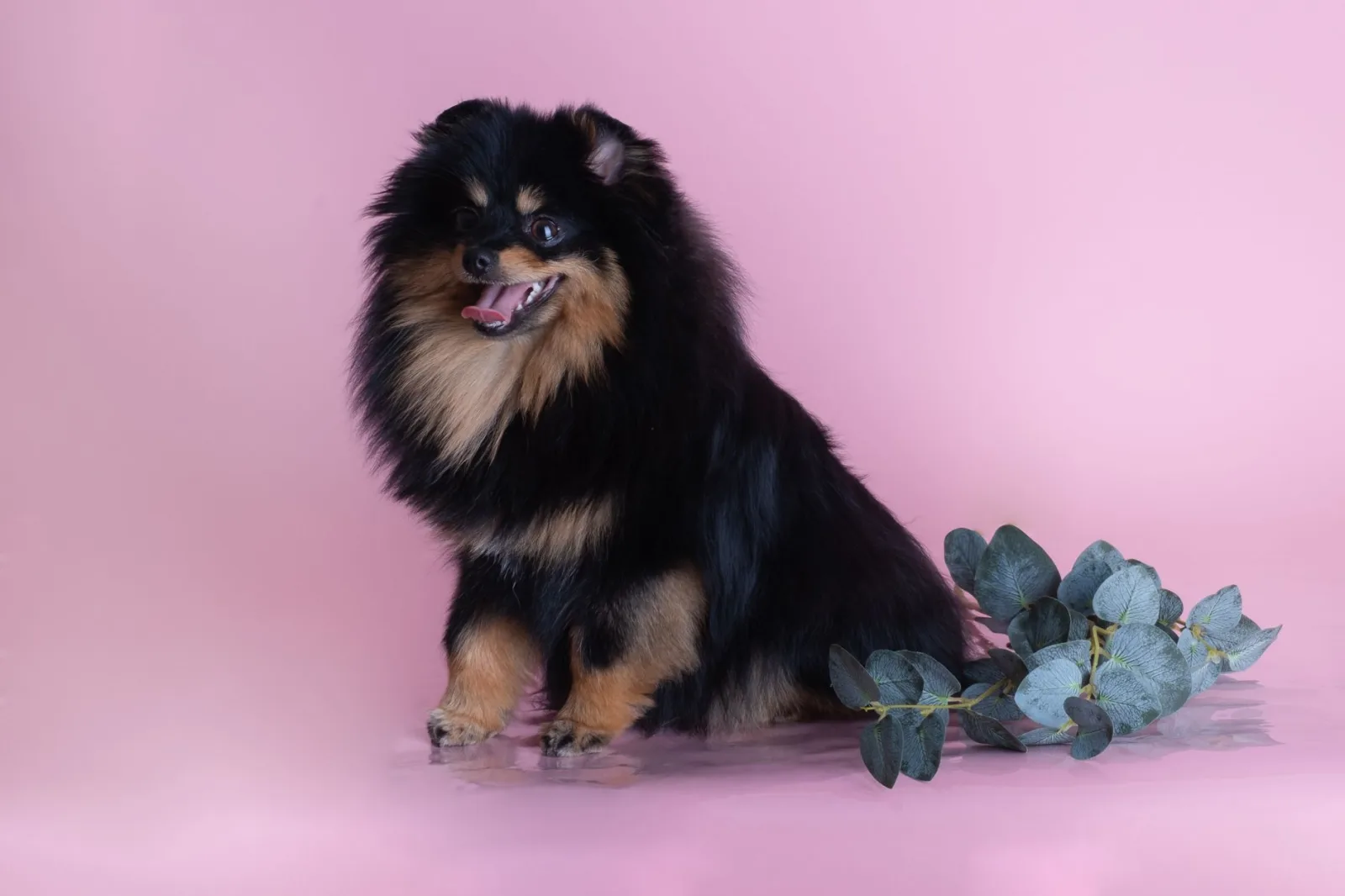
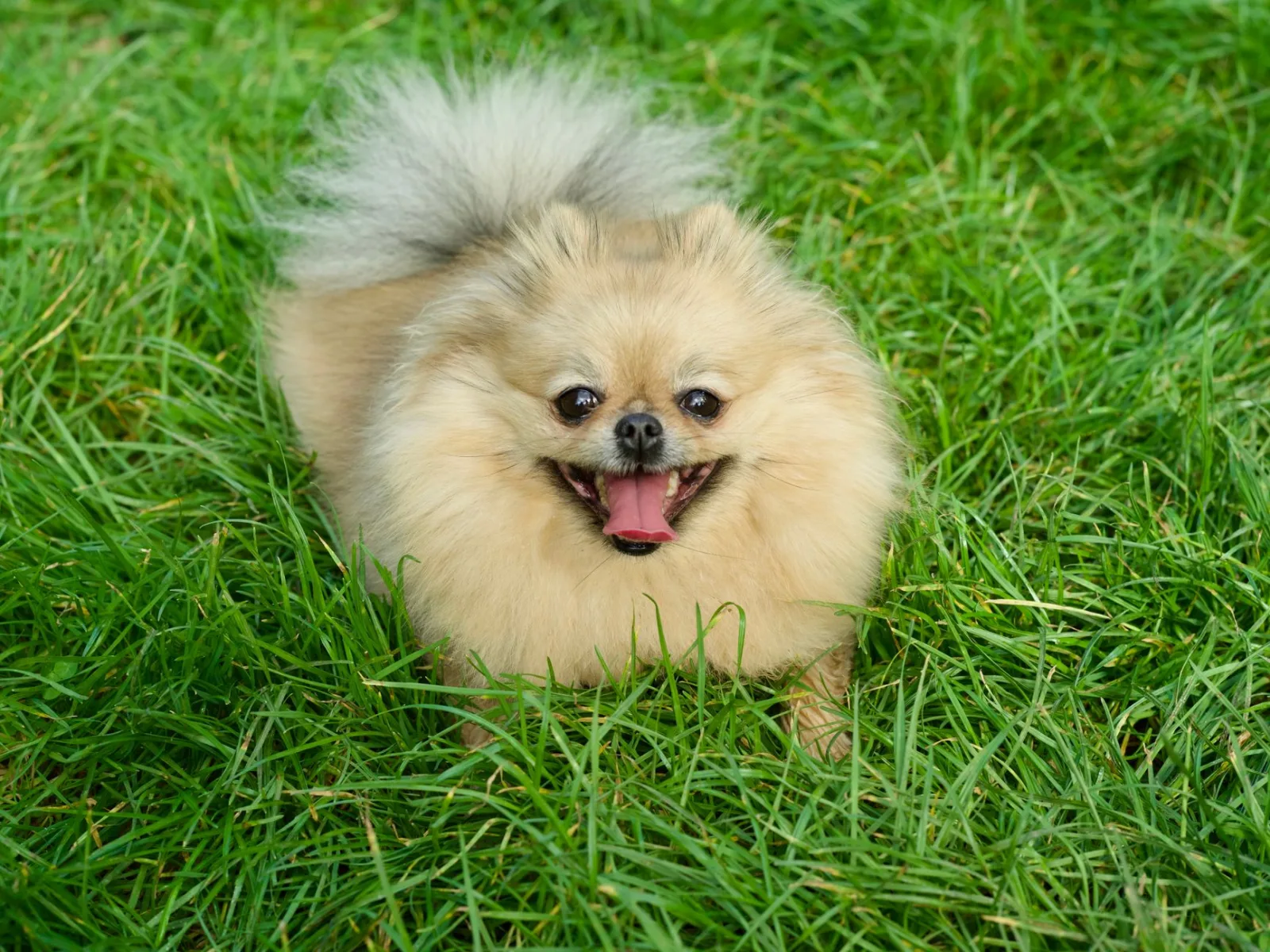
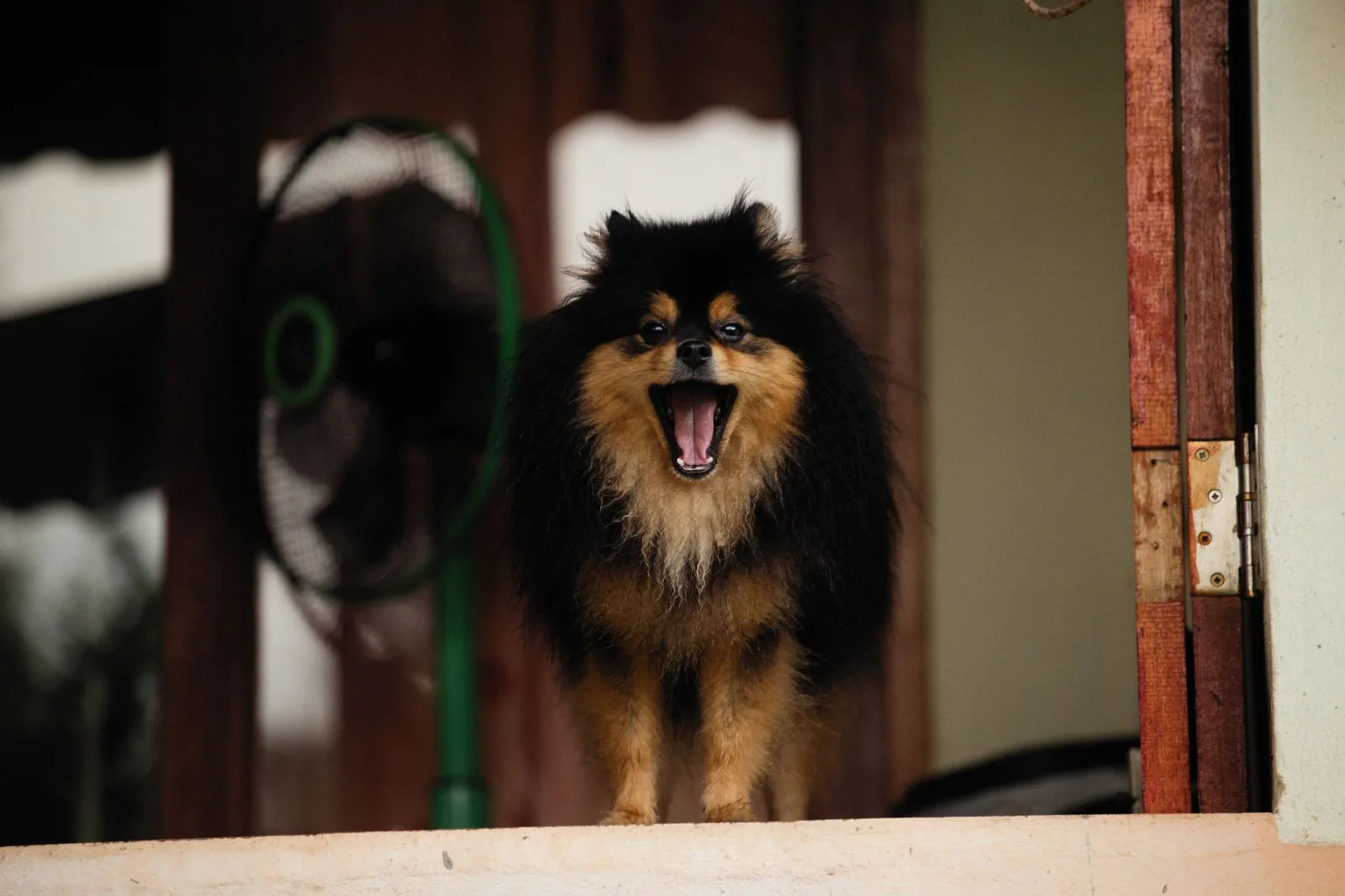
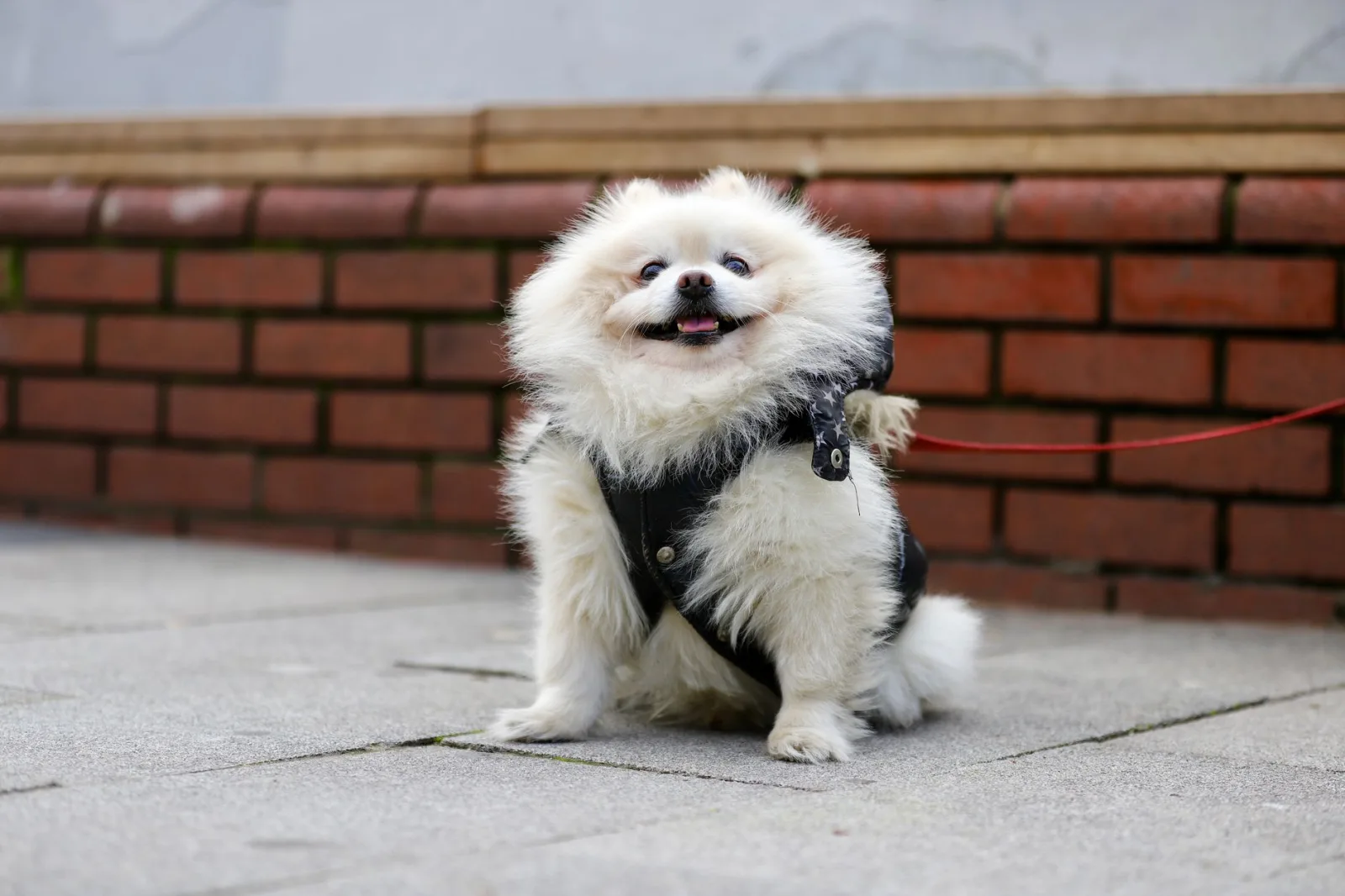
The Pomeranian is a fluffy, fox-faced toy dog with a huge personality, sassy, spunky and brimming with the confidence of a far larger animal. With its dense double coat, plumed tail and bright, inquisitive expression, the Pom is one of the most popular companion breeds in the world. It stands just 15 to 18 cm tall, weighs 1.4 to 3.2 kg and enjoys a long lifespan of around 12 to 16 years.
The Shrunken Sled Dog
Despite its tiny modern size, the Pomeranian is a true spitz, a miniaturised descendant of the larger sled and herding dogs of the Arctic, related to breeds like the Samoyed and Keeshond. Early Pomeranians weighed around 30 pounds and worked as herders. The breed was gradually bred down in size, and Queen Victoria, who fell for a smaller Pom in Italy, is credited with popularising and further reducing the breed to the toy dog we know today.
Temperament
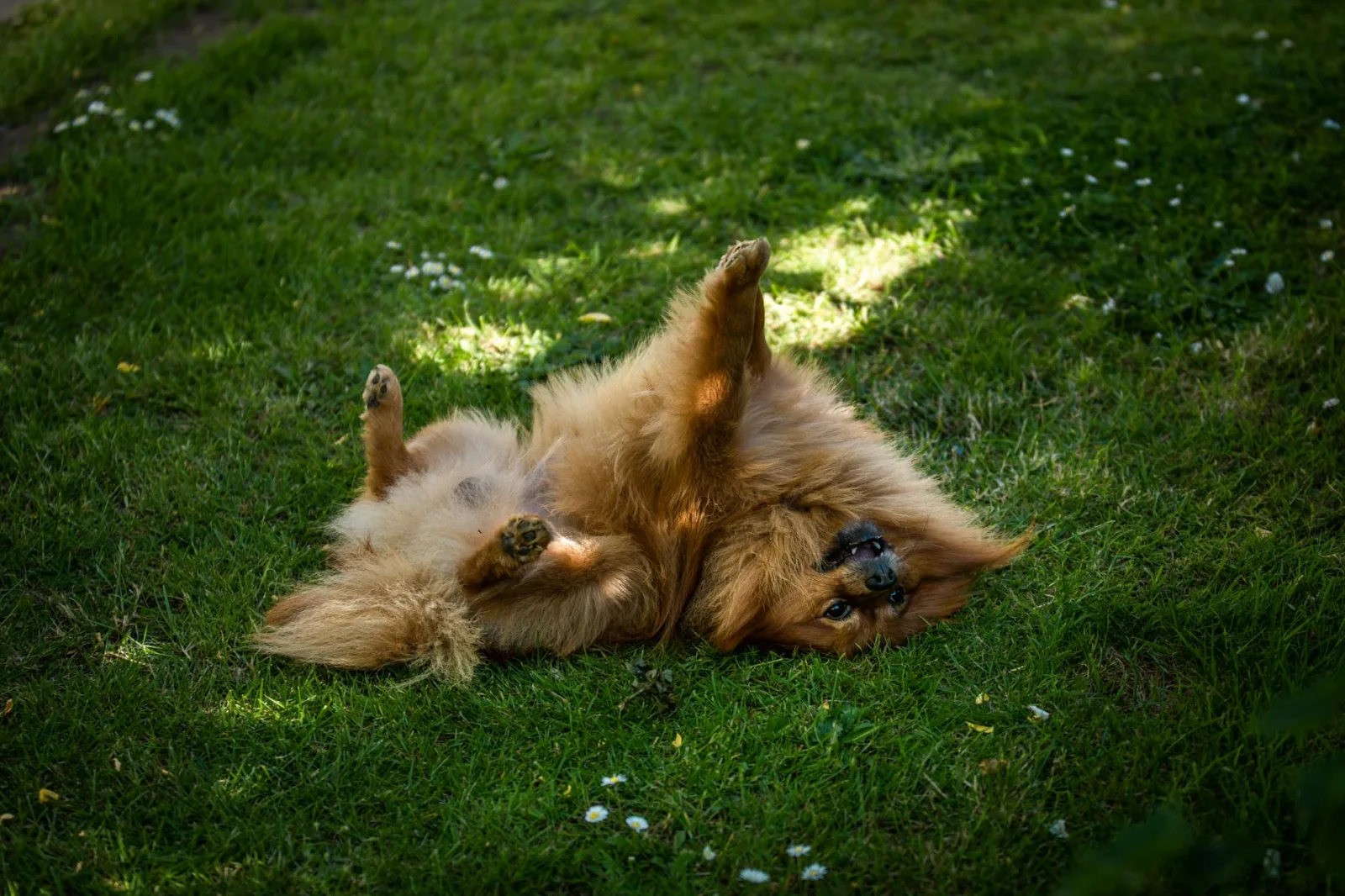
The Pomeranian is bold, lively, extroverted and alert. Curious, intelligent and jubilant, it carries itself like a big dog and makes a lively, devoted companion. That confidence comes with a tendency to bark, so early training to manage barking is worthwhile, as is careful socialisation to prevent small-dog bravado around larger dogs. Quick to learn, the Pom enjoys tricks and games.
Exercise
Exercise needs are modest: short daily walks plus indoor play keep a Pomeranian fit and engaged, making it a natural apartment dog. Despite the small size, mental stimulation matters for this clever, busy breed.
Grooming
The famously fluffy double coat needs regular care to stay healthy and beautiful: brush at least two or three times a week, and daily during the spring and autumn shedding seasons. Routine dental care is especially important, as small breeds are prone to dental disease.
Health Considerations
Generally healthy and long-lived, the Pomeranian can be prone to luxating patellas, collapsing trachea (so a harness is preferable to a collar), hypothyroidism, dental disease, and a coat condition sometimes called alopecia X. Gentle handling is important given its delicate size.
Who It Suits
The Pomeranian suits owners, including apartment dwellers and seniors, who want a small, vivacious, affectionate companion and will keep up with its grooming, training and dental care. Bold, fluffy and endlessly entertaining, it is a big personality you can carry in your arms.