Pug
A charming companion breed famous for its wrinkled face and affectionate nature.

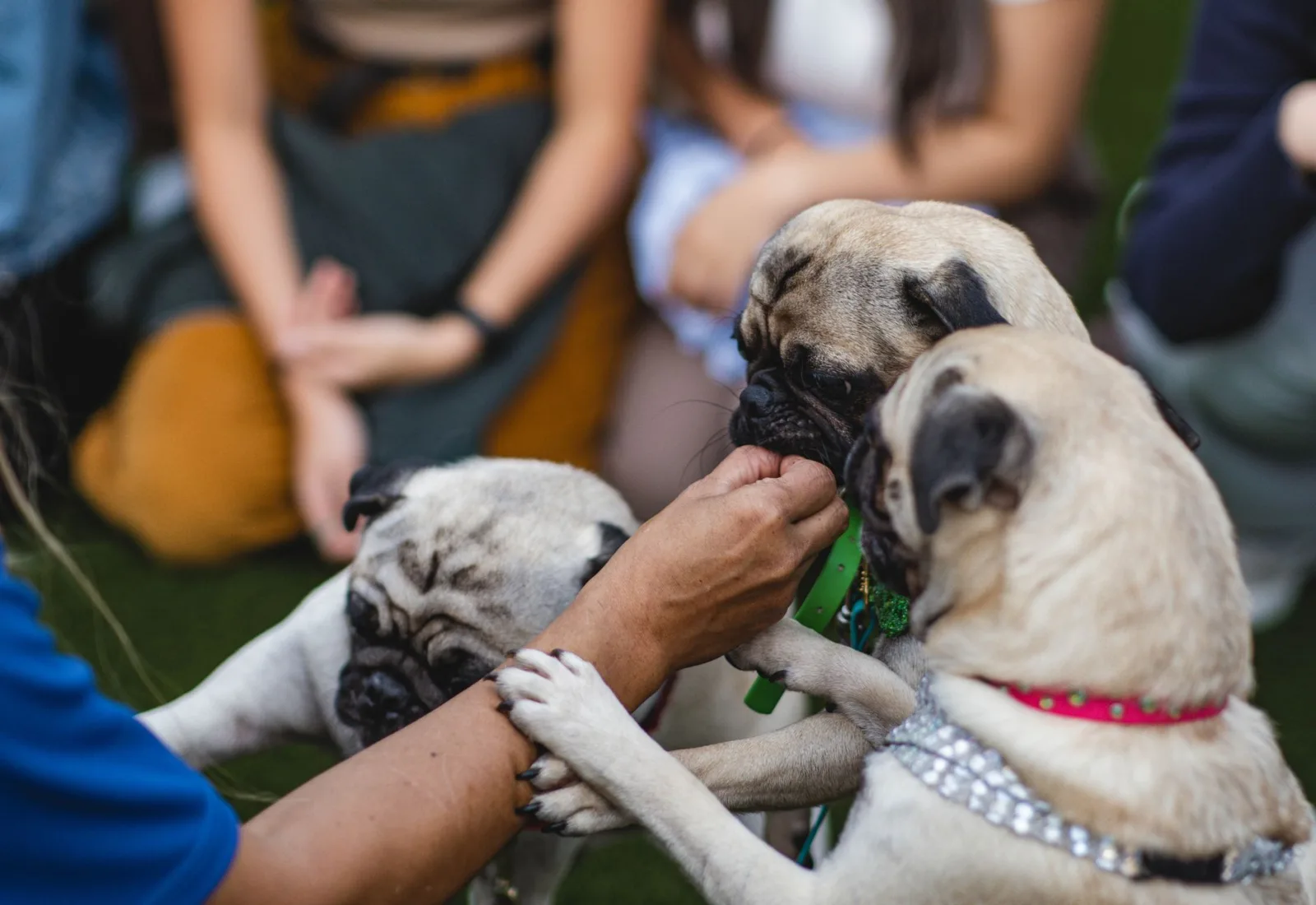
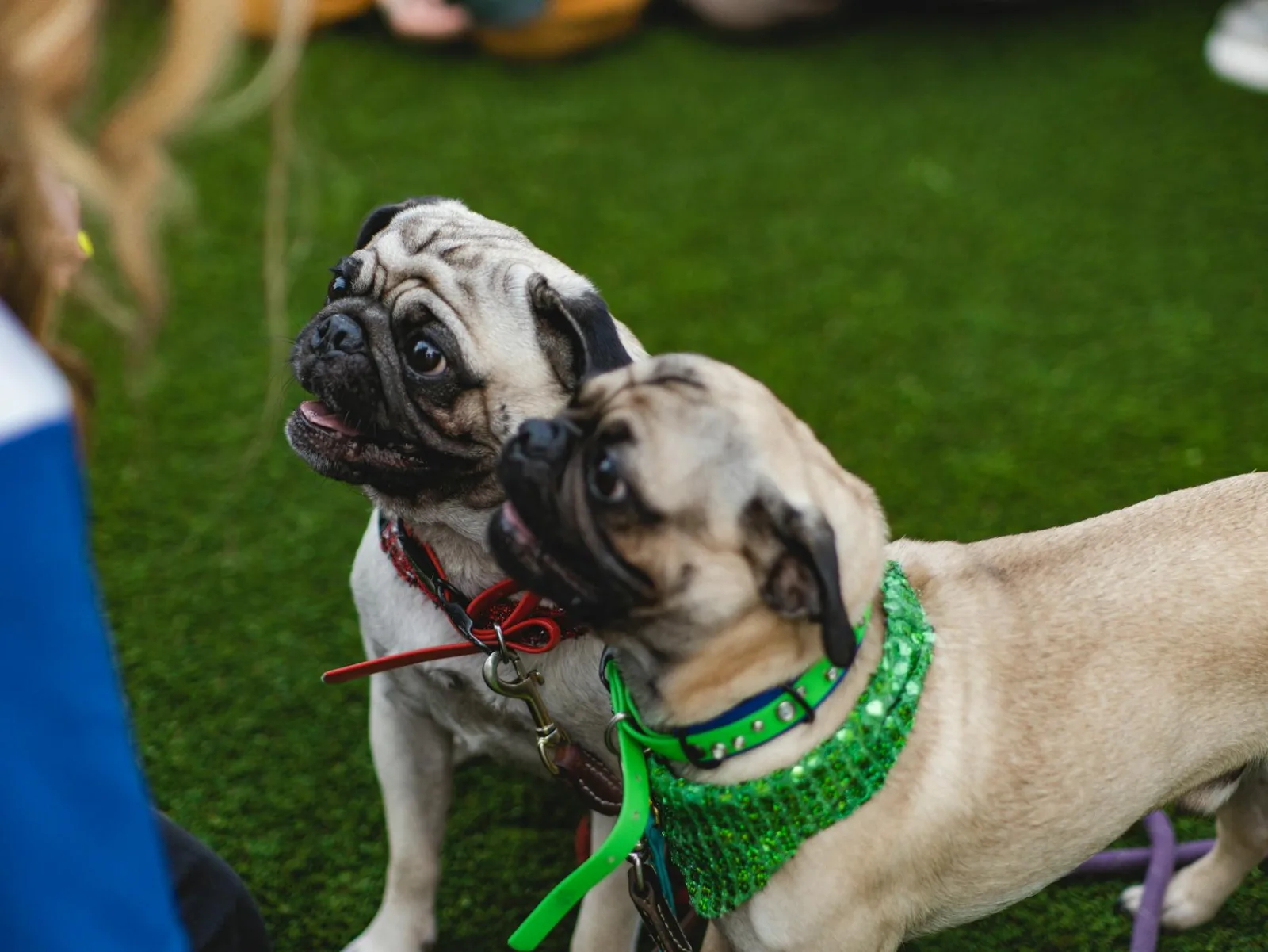
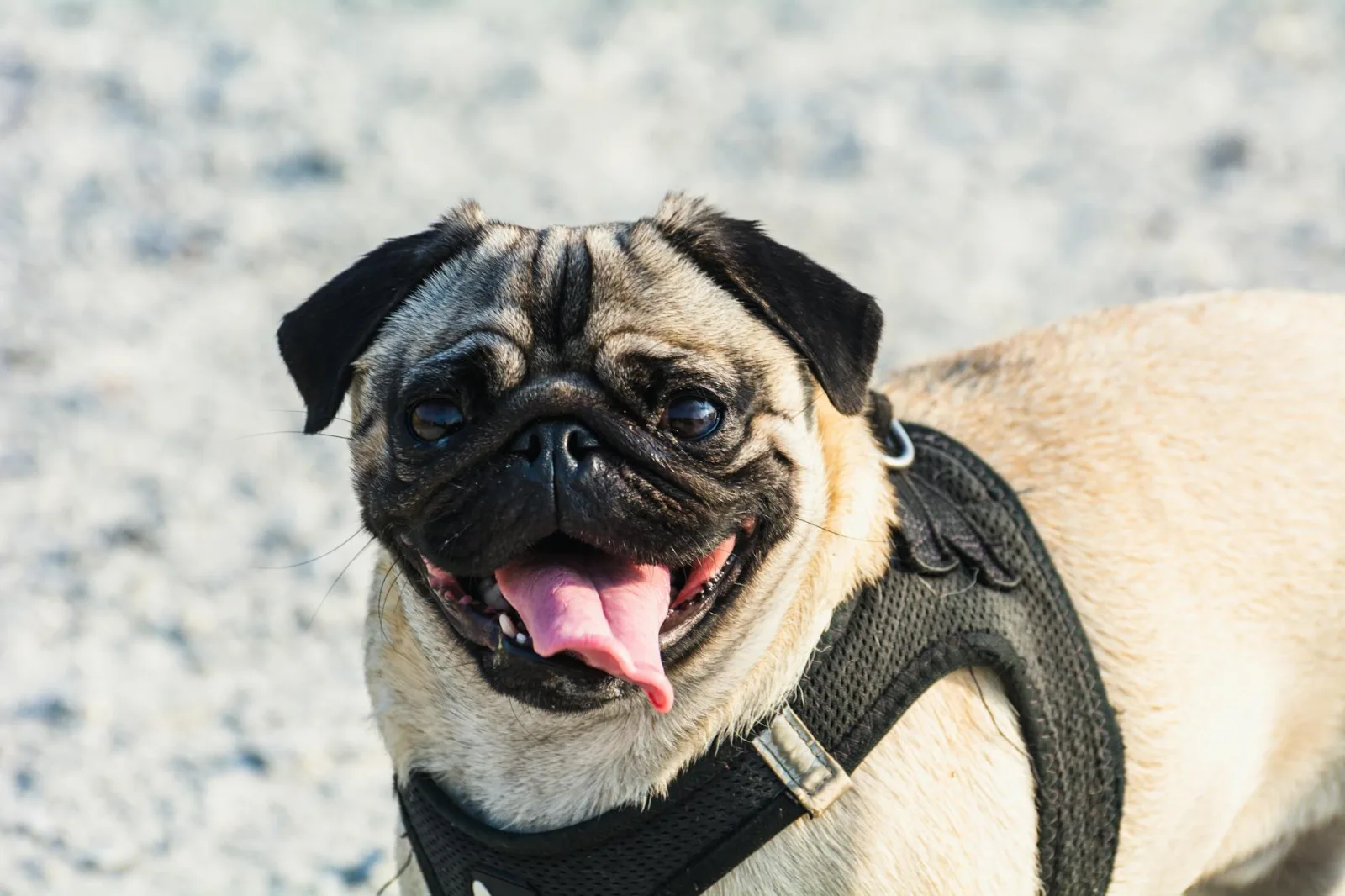
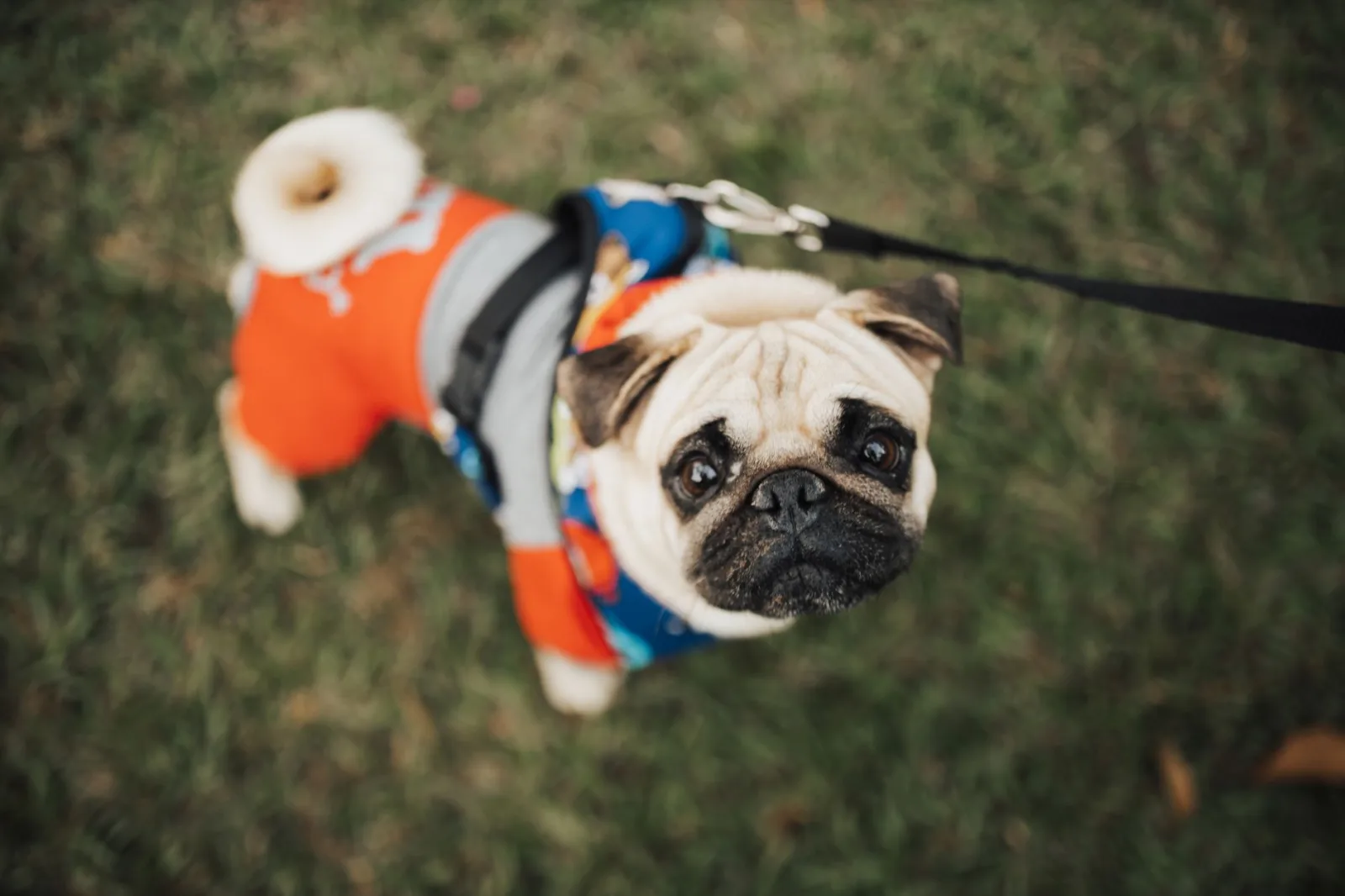
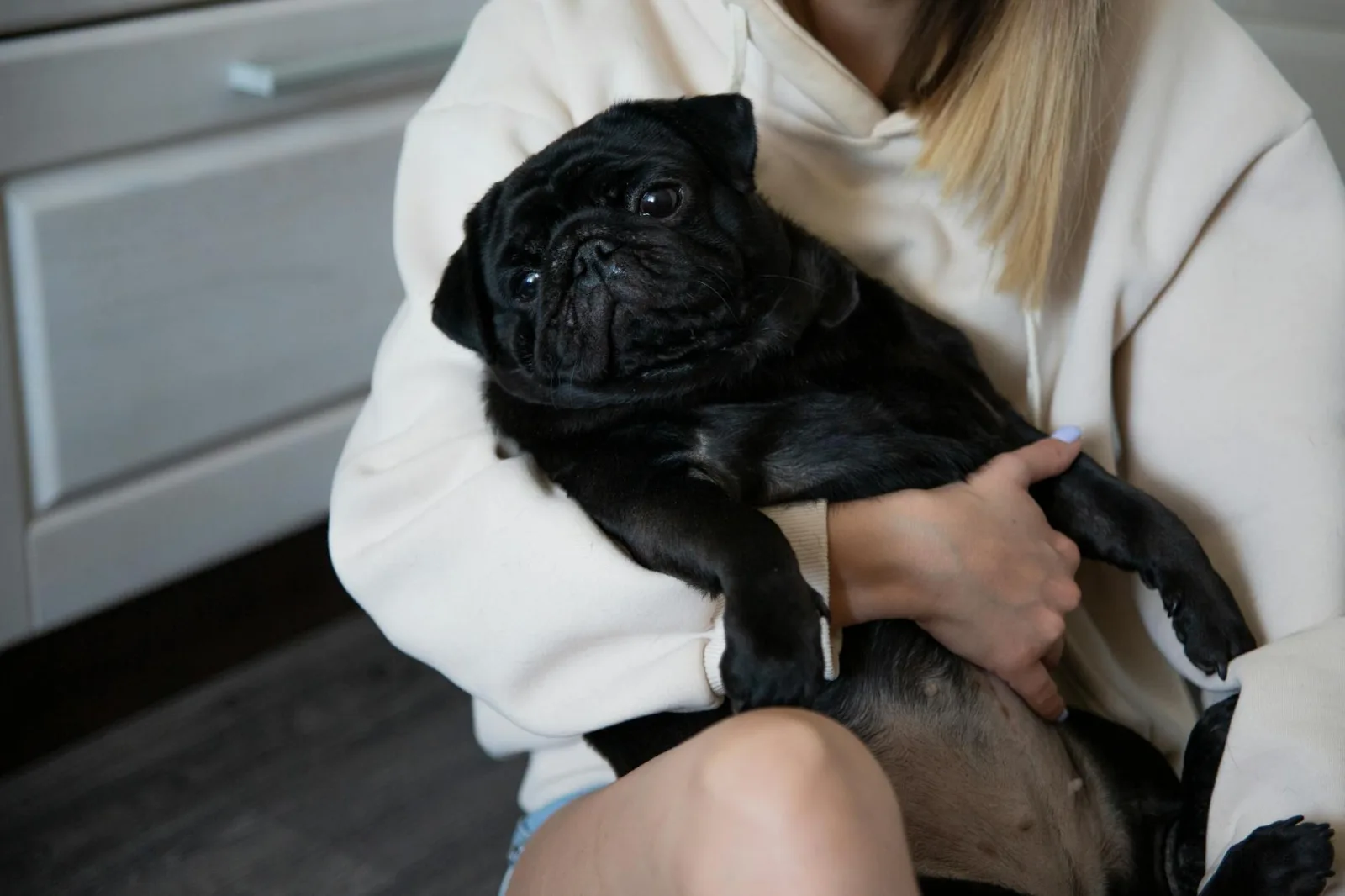
Every Pug profile blends practical care notes, breed traits, and everyday living guidance.
Breed Levels
How well this breed aligns with lifestyle factors.
Characteristics
Key traits that define this breed.
Appearance
Physical traits and distinctive features of this breed.
Individual pets may vary in appearance, temperament and needs. Early training, proper care and socialization help bring out the best in every companion.
The Pug: A Comedian in a Compact Frame
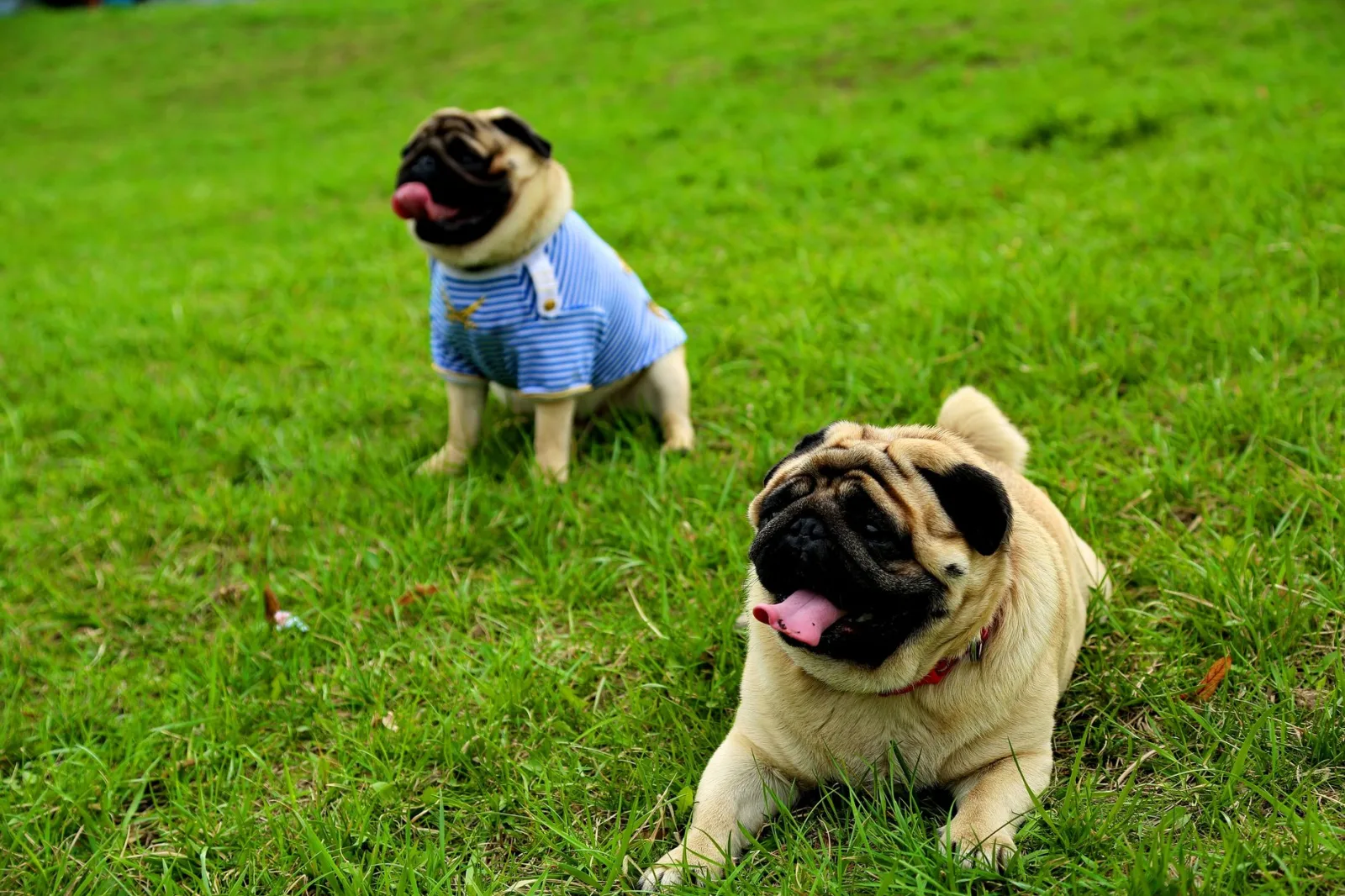
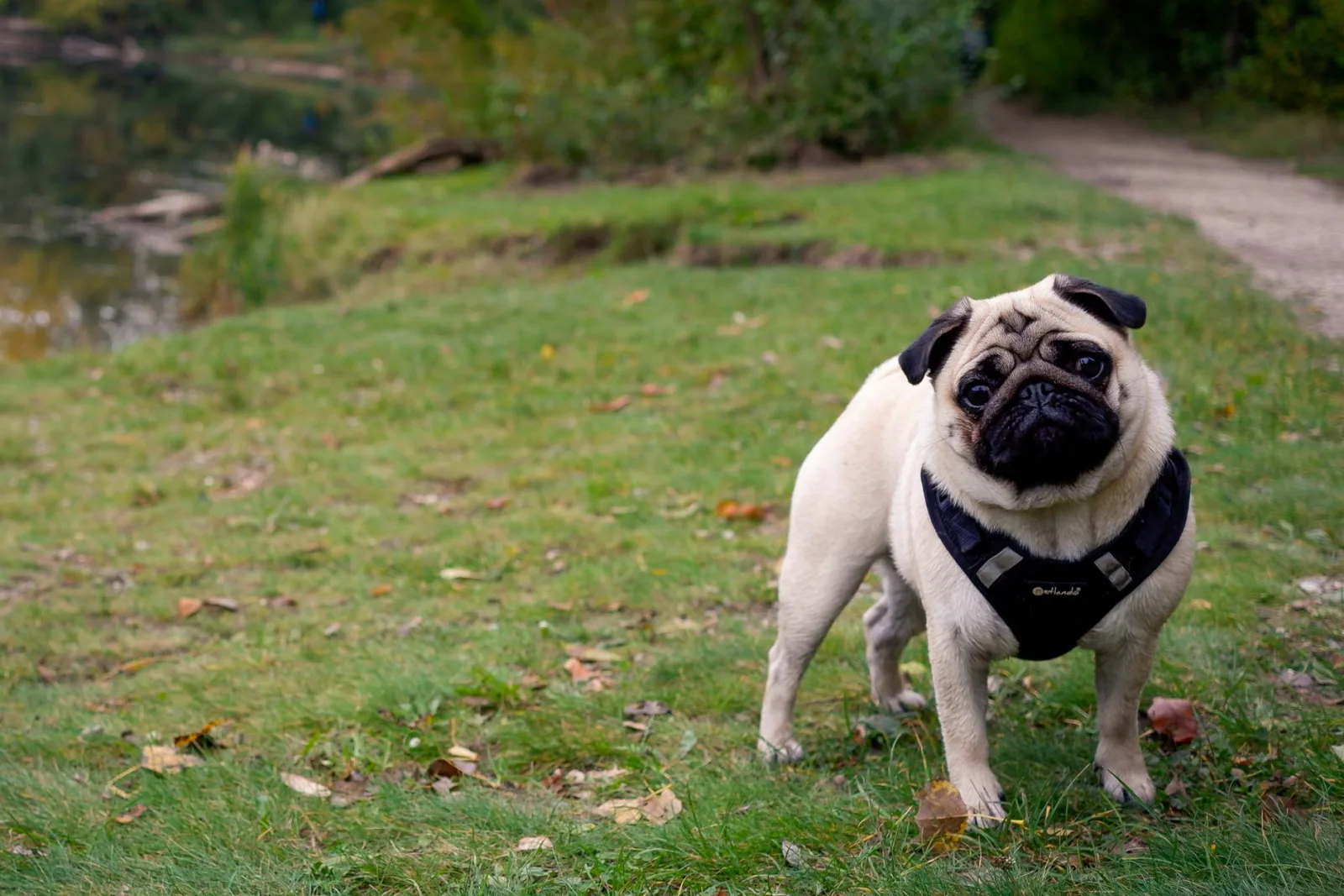
The Pug is a small, sturdy companion famous for its wrinkled face, curled tail and irrepressibly comical, affectionate personality. Bred over centuries purely to delight its people, the Pug lives by the motto often attached to the breed, multum in parvo, a lot of dog in a small space. Pugs stand 25 to 33 cm tall, weigh 6 to 8 kg and typically live 13 to 15 years.
An Ancient Chinese Companion
The Pug is an ancient breed that originated in China, with roots reaching back around 2,000 years. It was developed as a companion for the wealthy and for Chinese emperors, who treasured these little dogs so highly that some were given their own guards and servants. From the imperial courts the Pug travelled to Europe, where it became a favourite of royalty and remains a beloved companion worldwide.
Temperament
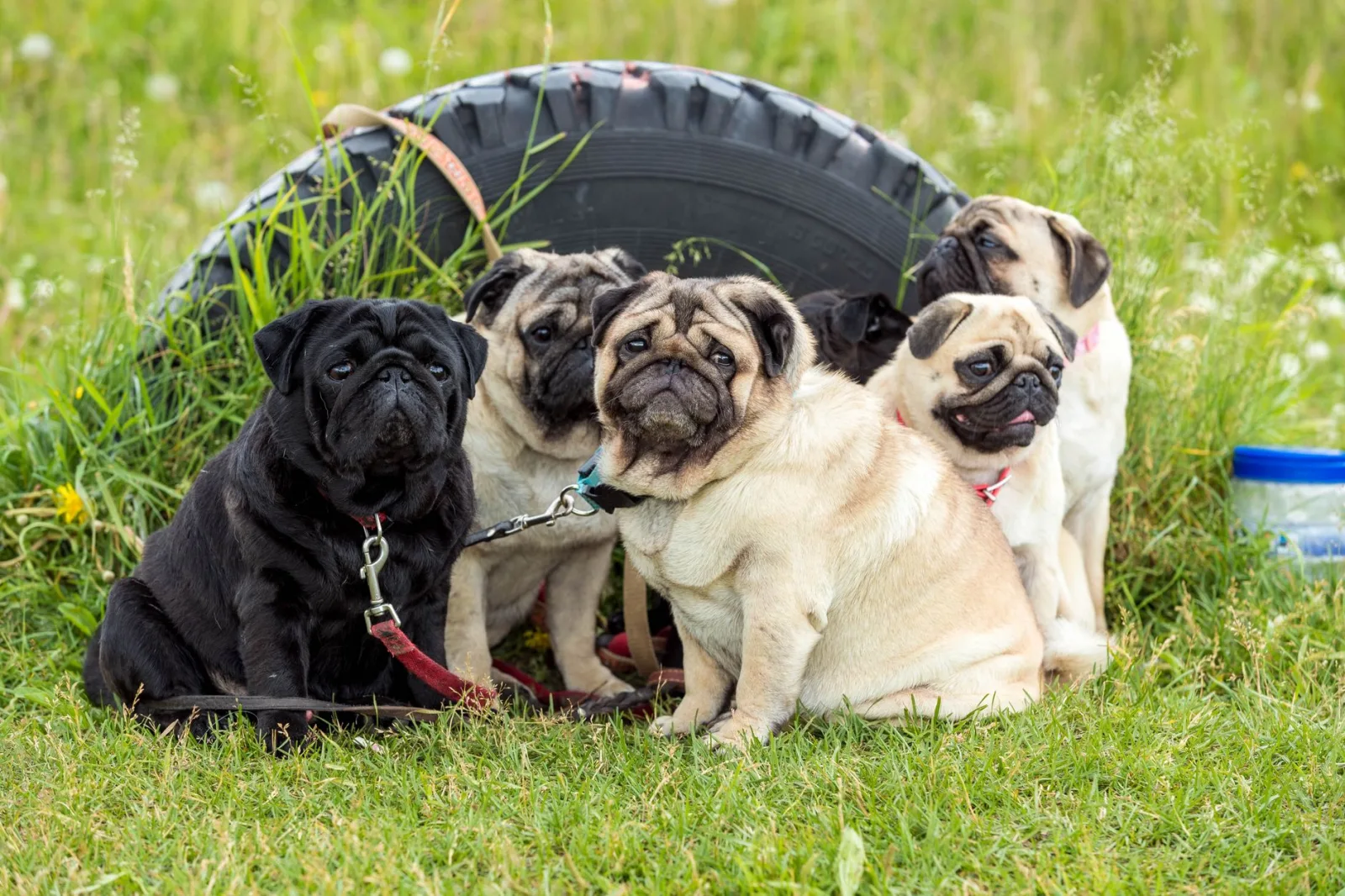
The Pug is charming, affectionate, playful and even-tempered. A true people-pleaser, it thrives on attention and wants to be involved in everything its family does. Comical and adaptable, it is equally at home in a city apartment or a country house, and its sociable, gentle nature makes it excellent with children and other pets. Pugs are companions first and foremost, happiest when close to their humans.
Important Brachycephalic Care
The Pug is a brachycephalic breed, with a short muzzle, flat face and narrow airways, and this shapes much of its care:
- Breathing: many Pugs have some degree of brachycephalic airway syndrome, causing noisy breathing and snoring; watch for laboured breathing
- Heat sensitivity: Pugs cannot cool themselves efficiently and overheat easily, so keep them cool and limit exercise in hot weather
- Weight: keeping a Pug lean is crucial, as excess weight worsens breathing and joint strain
Exercise and Grooming
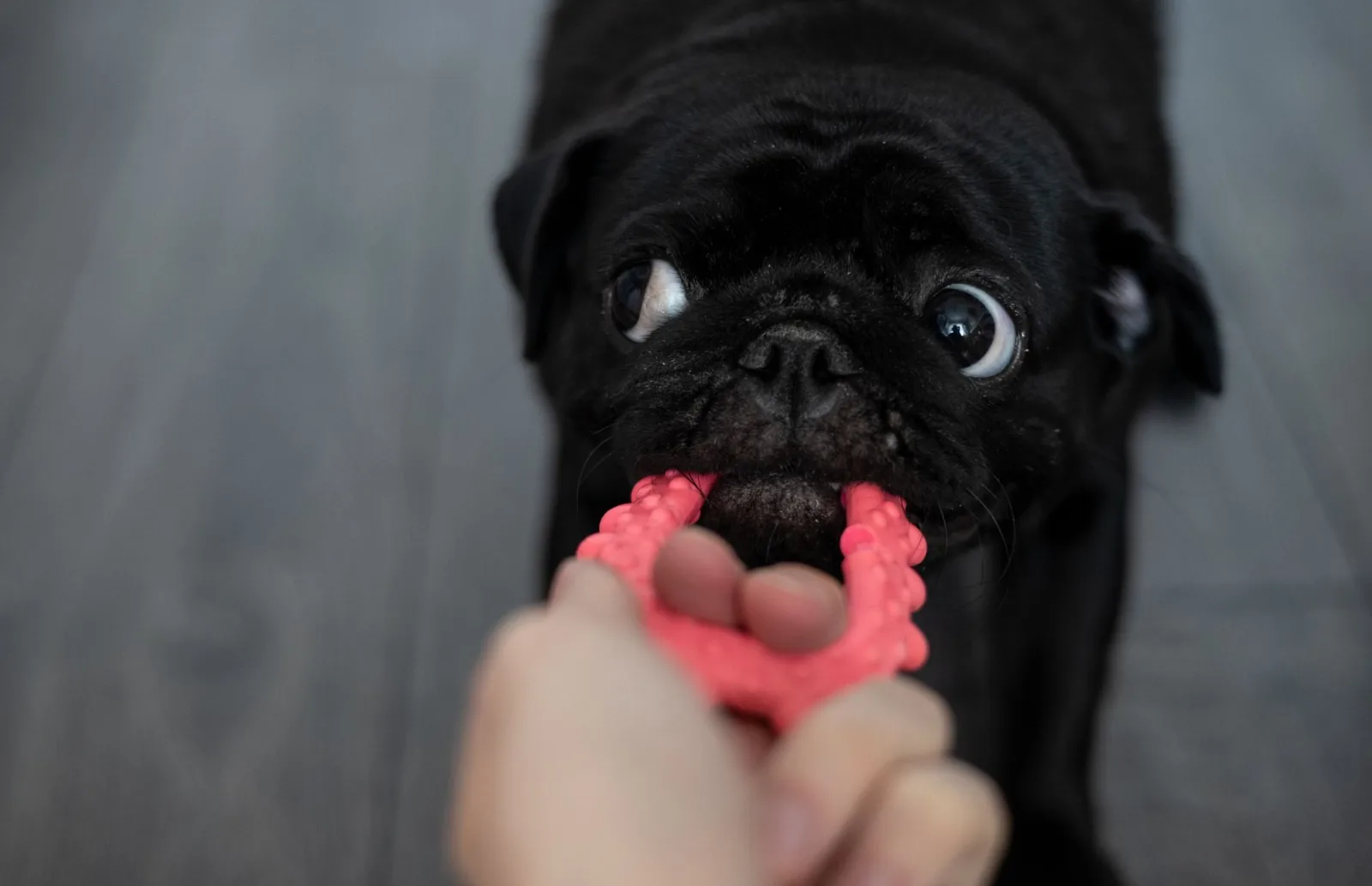
Exercise needs are modest: short daily walks and gentle play keep a Pug fit without overtaxing its breathing. The short coat is easy to brush but sheds surprisingly heavily, and the facial wrinkles need regular cleaning to stay dry and free of irritation.
Health Considerations
Beyond the breathing and heat issues, Pugs can be prone to eye problems (their prominent eyes are vulnerable to injury), skin-fold infections and certain spinal conditions. Choosing a breeder who selects for more open nostrils and moderate features, and keeping up with veterinary care, makes a real difference.
Who It Suits
The Pug suits owners, including apartment dwellers and families, who want an affectionate, funny, low-exercise companion and who understand and will manage its brachycephalic needs. Devoted and endlessly entertaining, the Pug is a loving little clown for the right, attentive home.