Saint Bernard
A giant alpine rescue breed famous for gentleness.
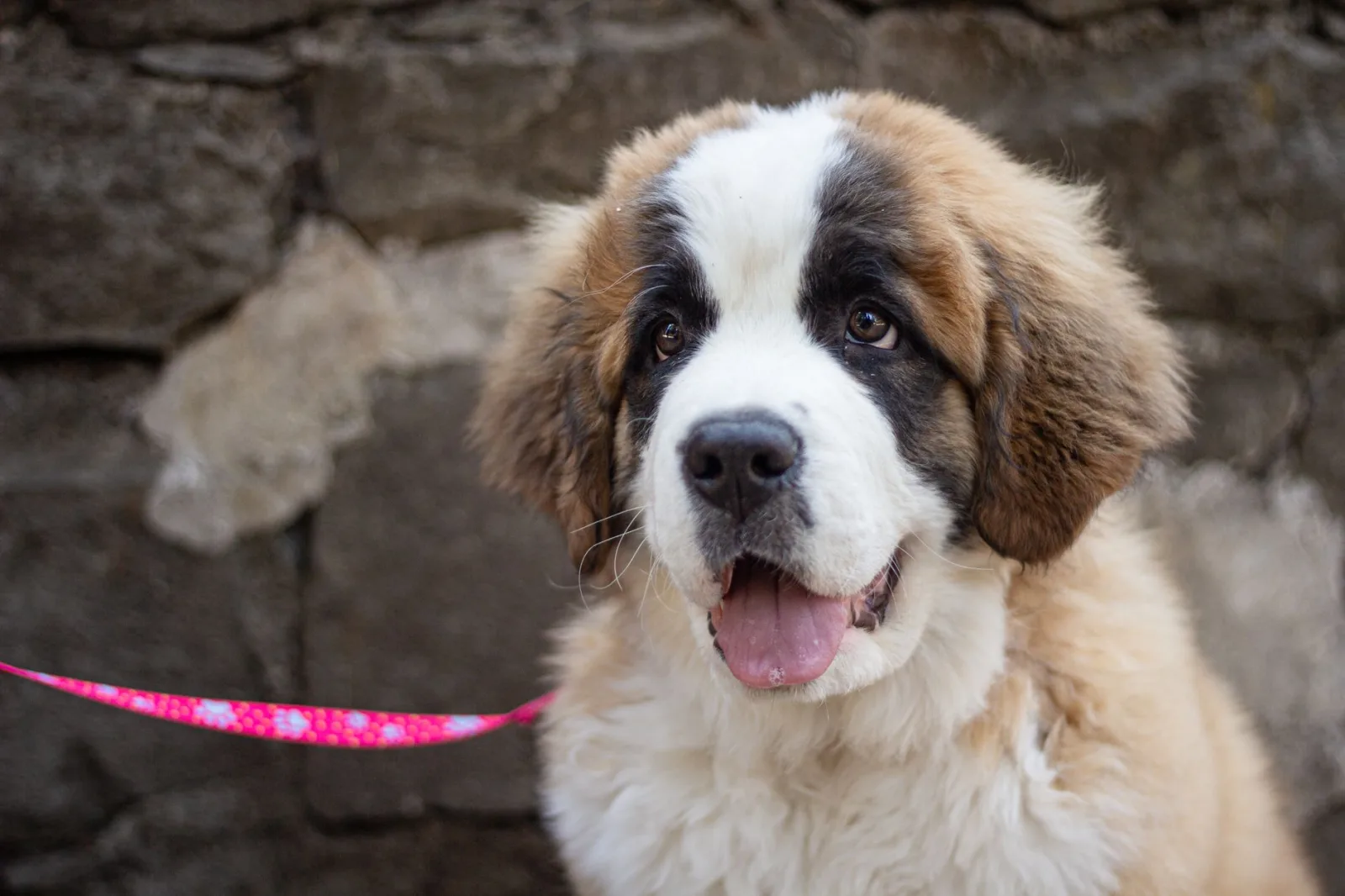
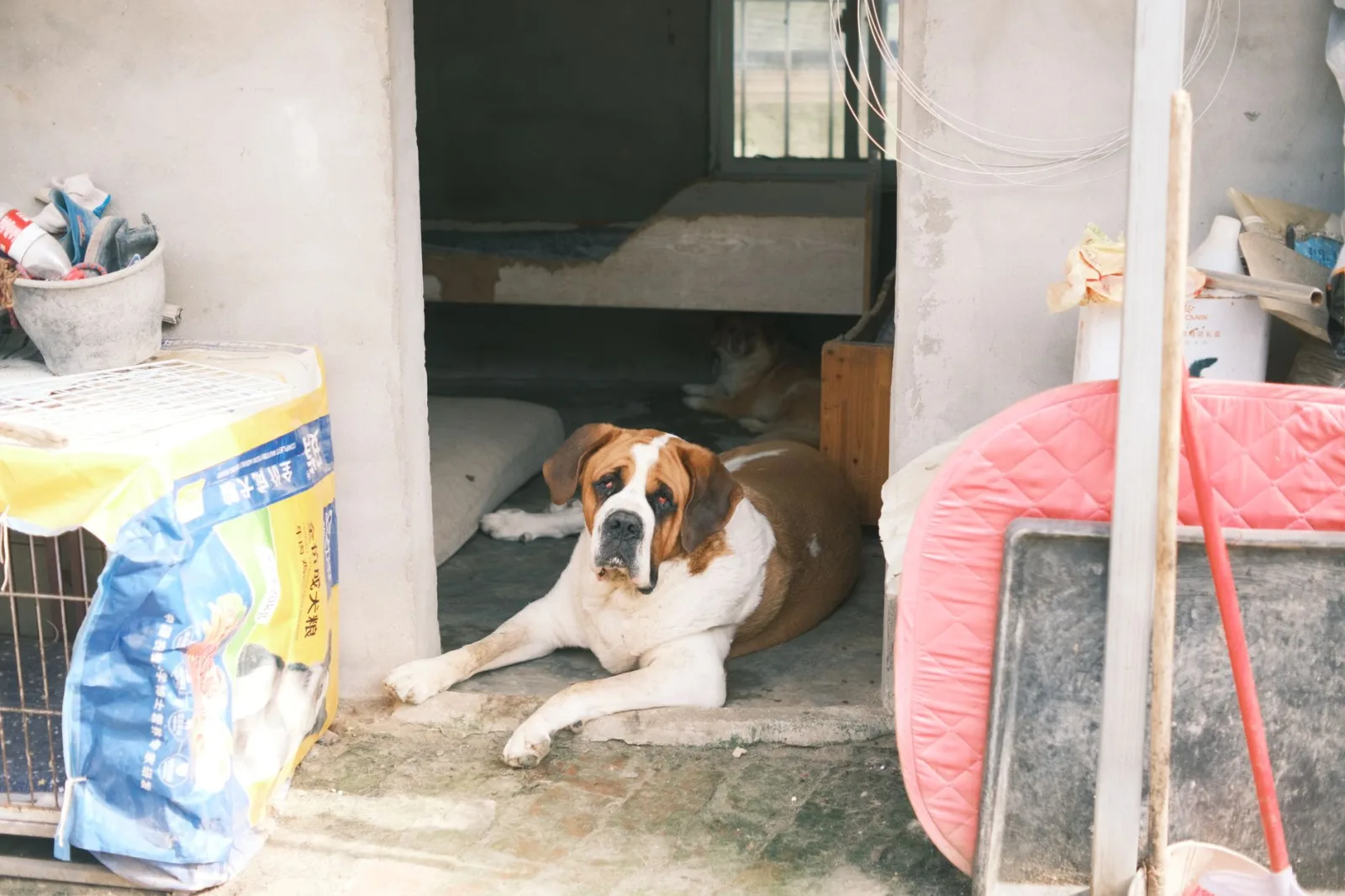

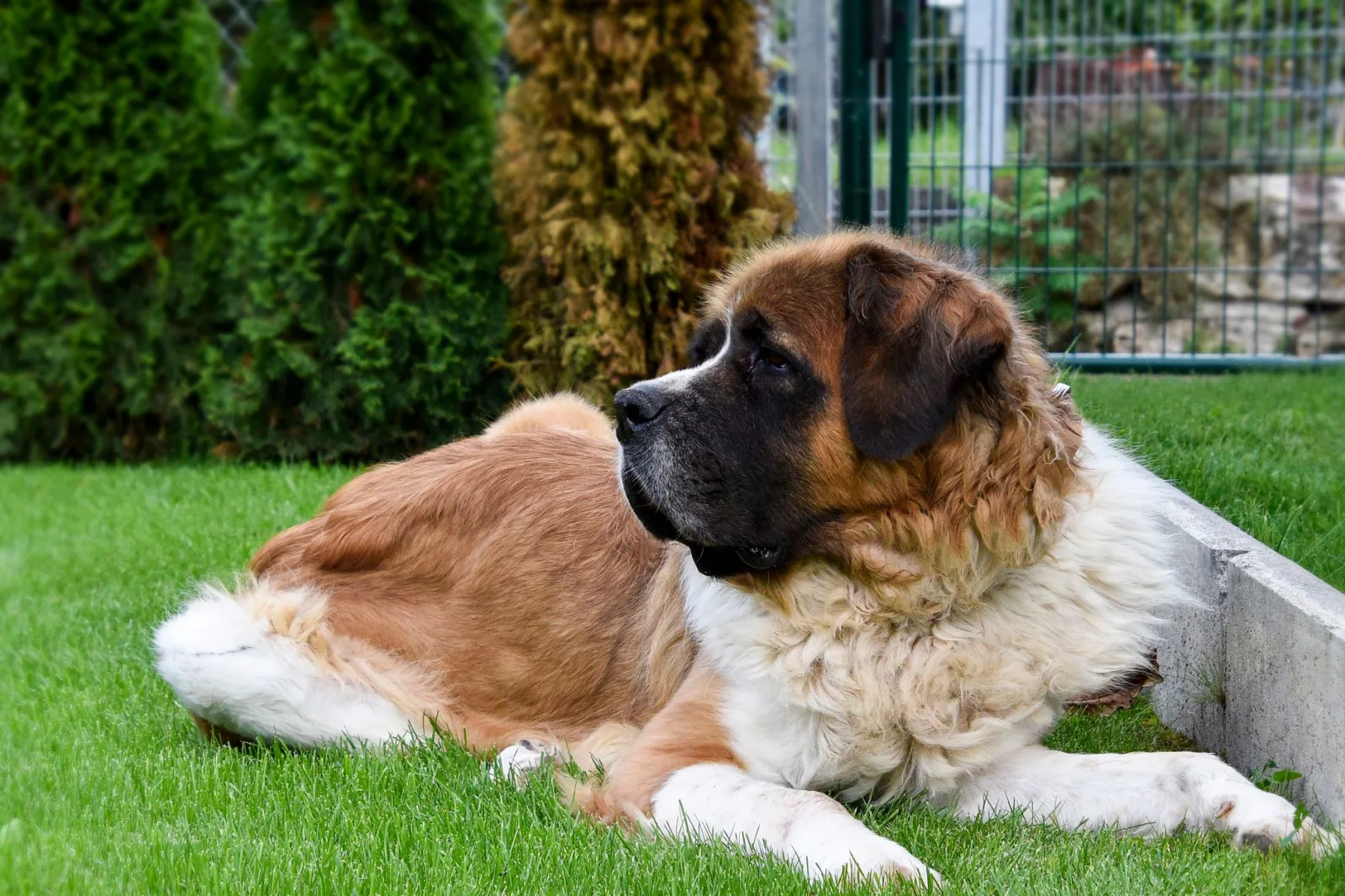


Every Saint Bernard profile blends practical care notes, breed traits, and everyday living guidance.
Breed Levels
How well this breed aligns with lifestyle factors.
Characteristics
Key traits that define this breed.
Appearance
Physical traits and distinctive features of this breed.
Individual pets may vary in appearance, temperament and needs. Early training, proper care and socialization help bring out the best in every companion.
The Saint Bernard: The Alpine Rescue Legend
The Saint Bernard is a giant, gentle working dog famous the world over as the heroic rescuer of the snowbound Swiss Alps. Beneath its massive frame and soulful expression lies a calm, friendly and famously patient nature that makes it a wonderful family companion. Saint Bernards stand 66 to 76 cm tall, weigh 54 to 82 kg and, owing to their size, live around 8 to 10 years.
Heroes of the Great St. Bernard Pass
The breed was developed by monks at the hospice on the treacherous Great St. Bernard Pass on the Italian-Swiss border, who from the 1600s trained these giant dogs to find and rescue travellers buried by avalanches. Descended from Molossers crossed with native Alpine giants, the Saint Bernard took its modern form in the early 1800s. The most celebrated of all, a dog named Barry, is credited with saving around 40 lives in the early 19th century.
Temperament
The Saint Bernard is gentle, patient, friendly and watchful. Calm and good-natured, it typically does beautifully with young children and makes a noble, devoted family dog. Despite its imposing size it is rarely aggressive, instead offering a steady, affectionate and intelligent companionship. As with any giant breed, gentle early training and socialisation help it learn good manners while it is still a manageable size.
Exercise and Climate
Exercise needs are moderate; daily walks keep a Saint Bernard fit without overtaxing its joints, and activity should be controlled during the long puppy growth phase. Bred for cold mountains, the breed tolerates heat poorly, so it needs shade, cool spaces and care in warm weather.
Grooming and Drool
Both the medium-coated and short-coated varieties need brushing once or twice a week, increasing during seasonal shedding. Prospective owners should also be ready for serious drool, given that big head, plus the hair, large food quantities and space a giant dog requires.
Health Considerations
As a giant, deep-chested breed, the Saint Bernard can be prone to hip and elbow dysplasia, bloat (gastric dilatation-volvulus), heart conditions and eye issues such as entropion. A reputable, health-testing breeder and sensible feeding practices are important.
Who It Suits
The Saint Bernard suits families with plenty of space, a giant-breed budget and a tolerance for drool and shedding, who want a gentle, devoted companion. For a calm, loving home it is one of the most good-natured and iconic of all the giant breeds.