Scottish Terrier
A distinctive terrier known for confidence and dignity.
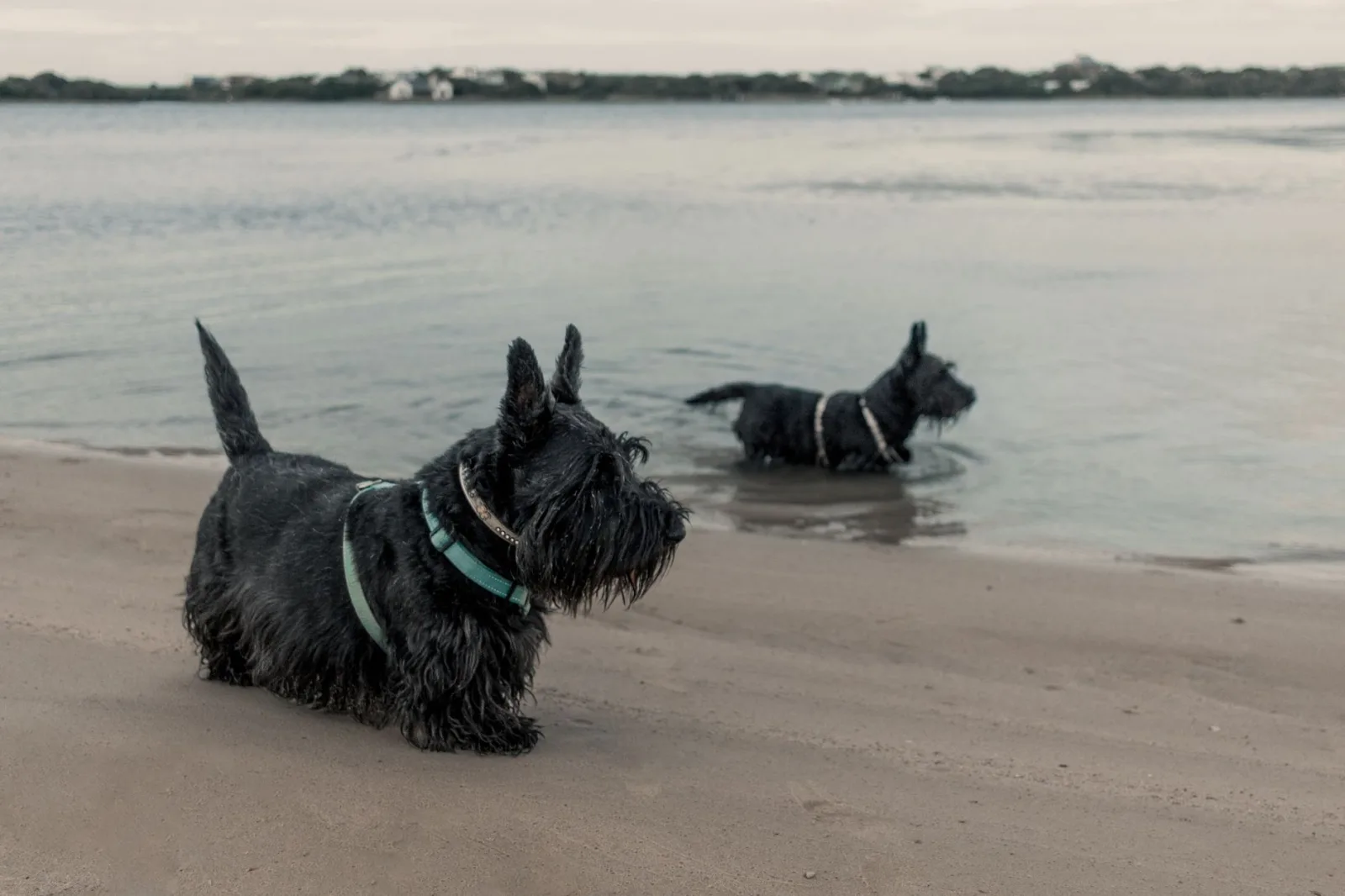
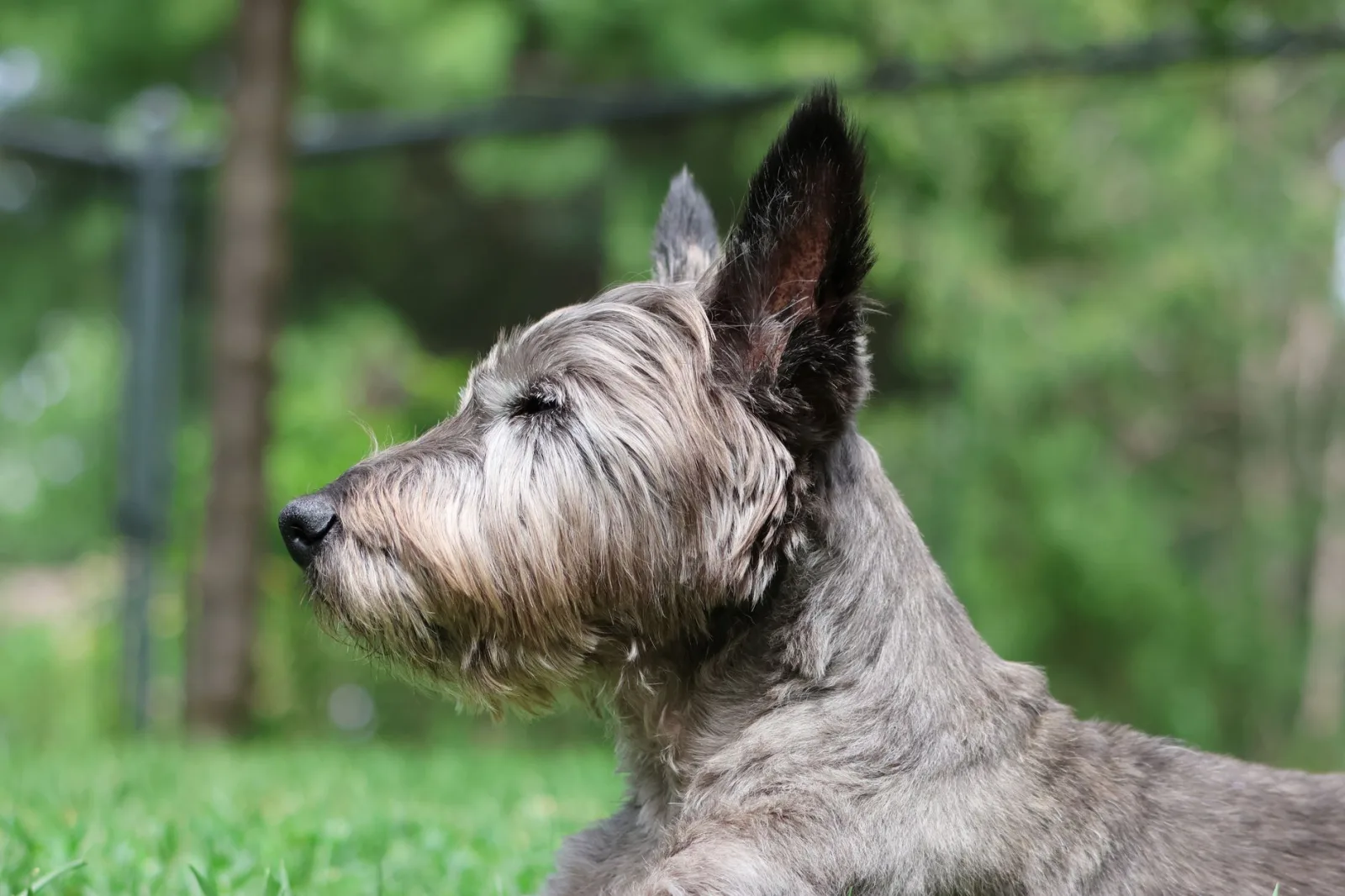
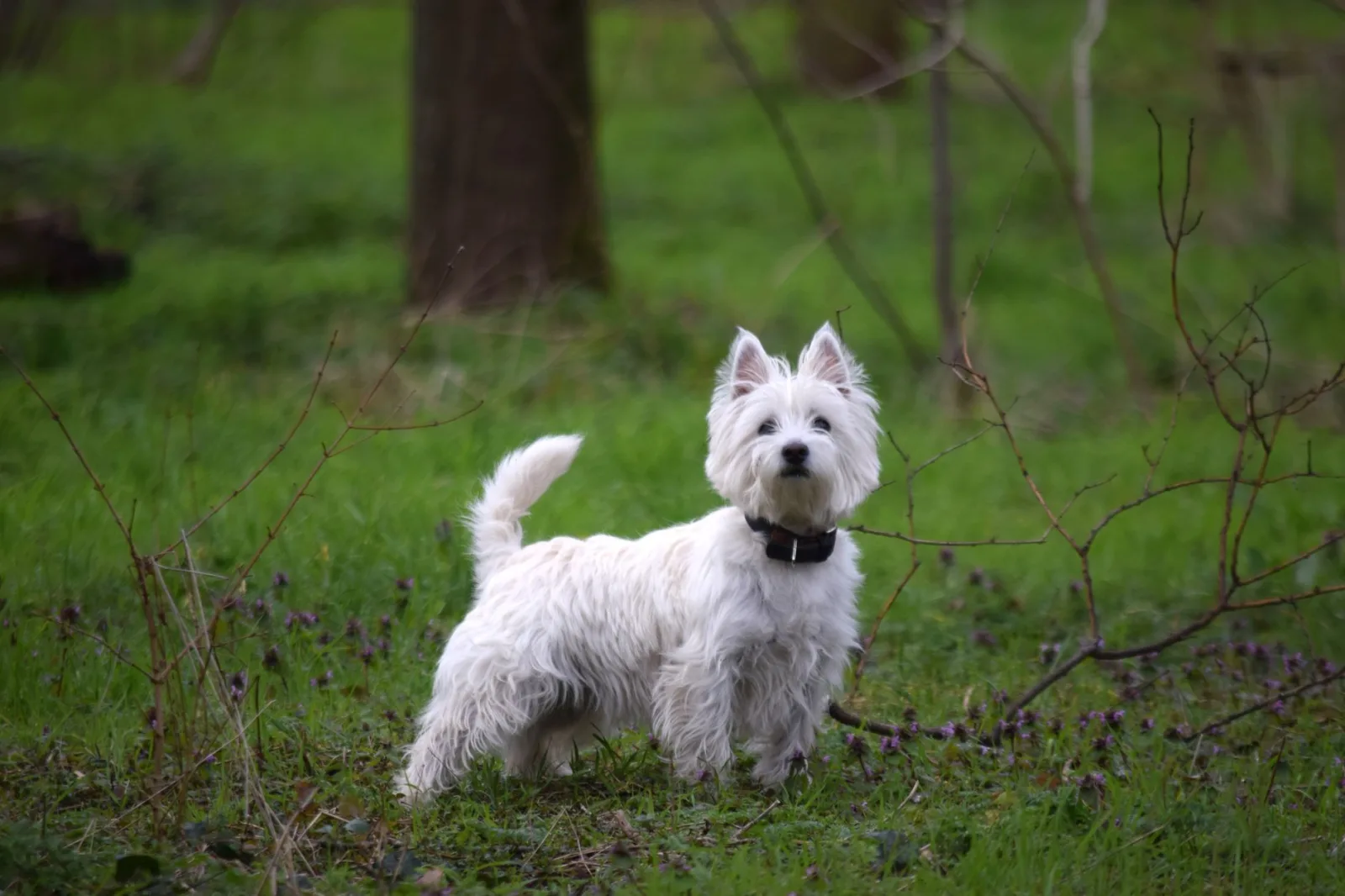
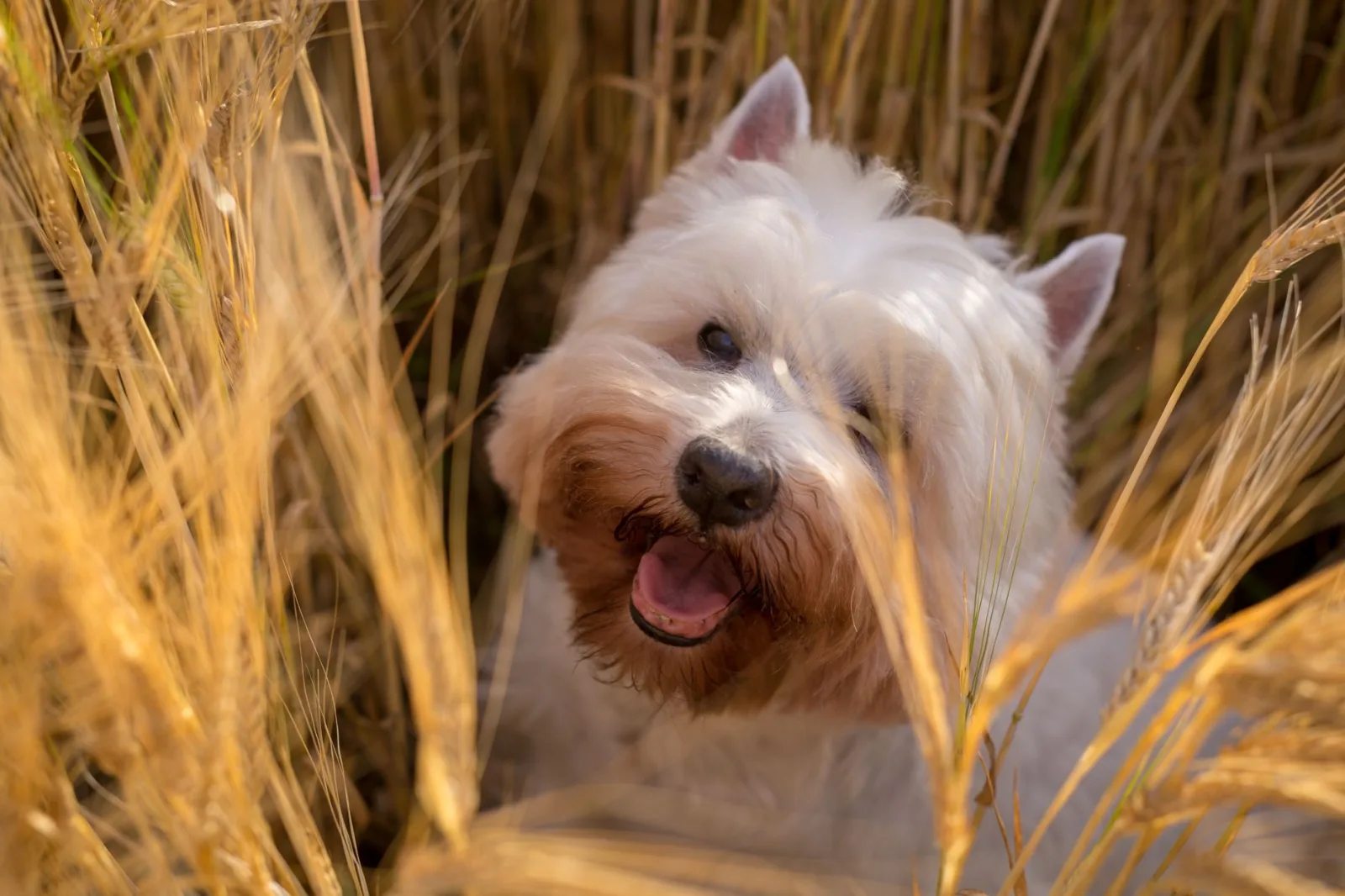

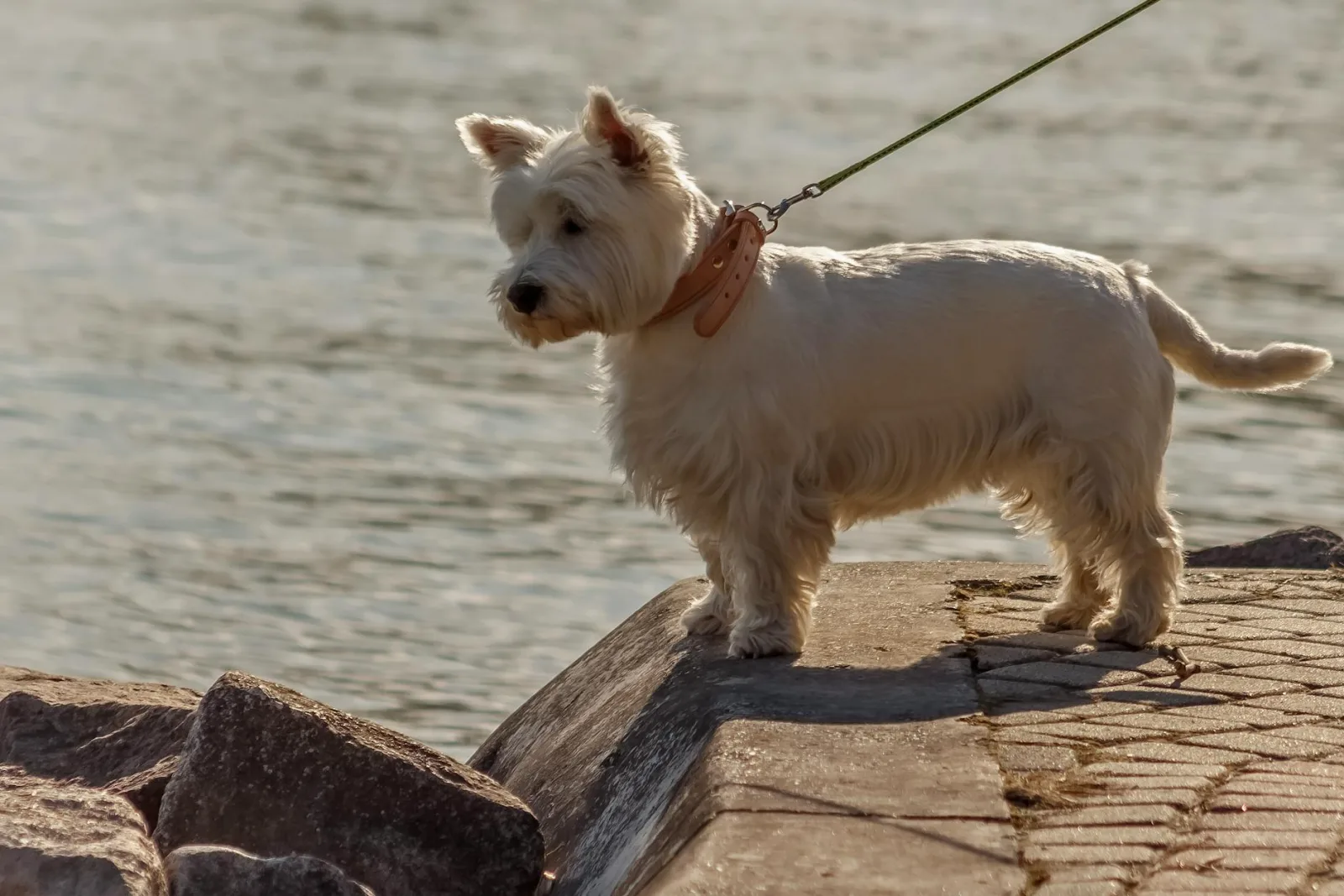
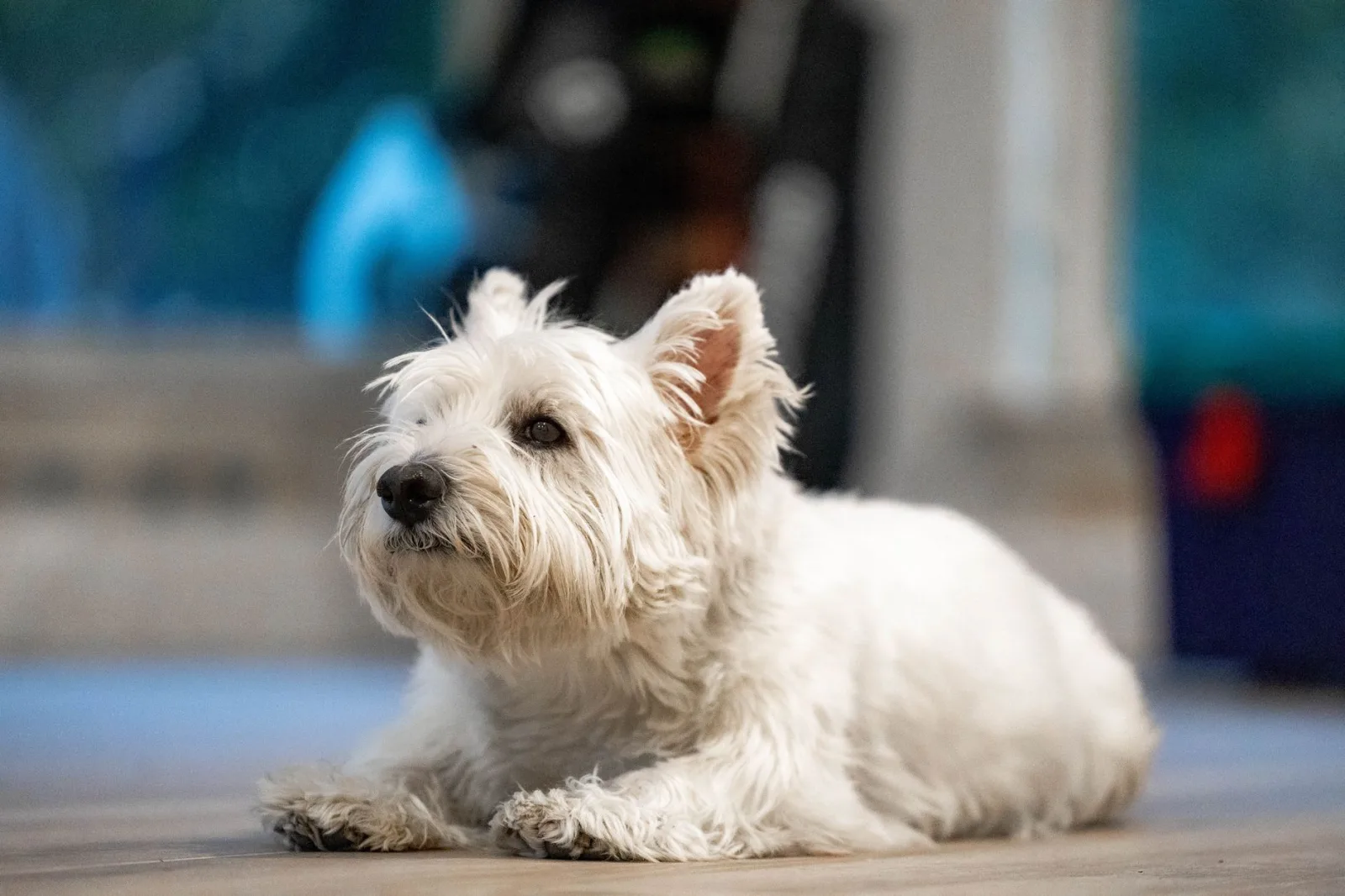
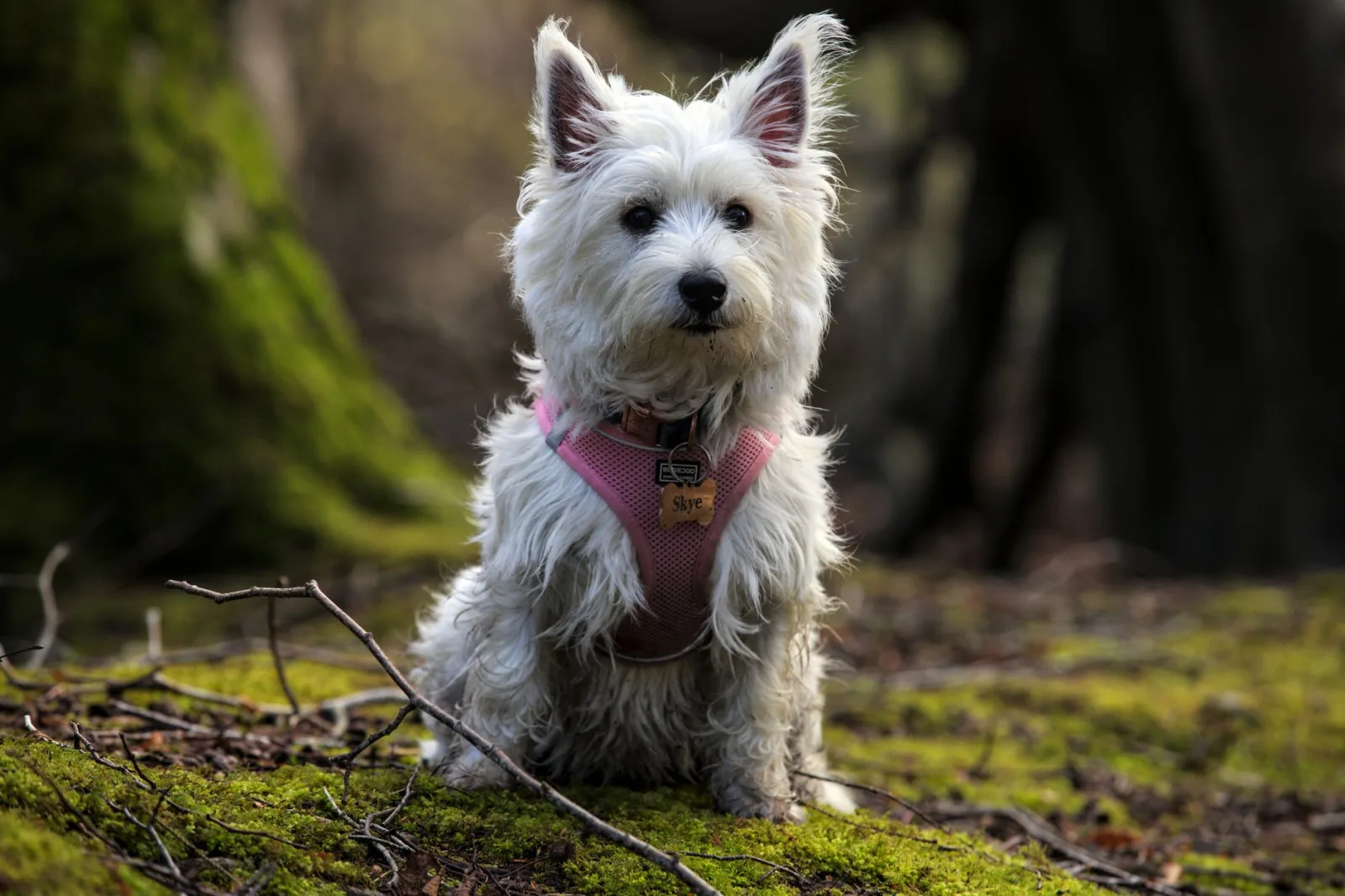
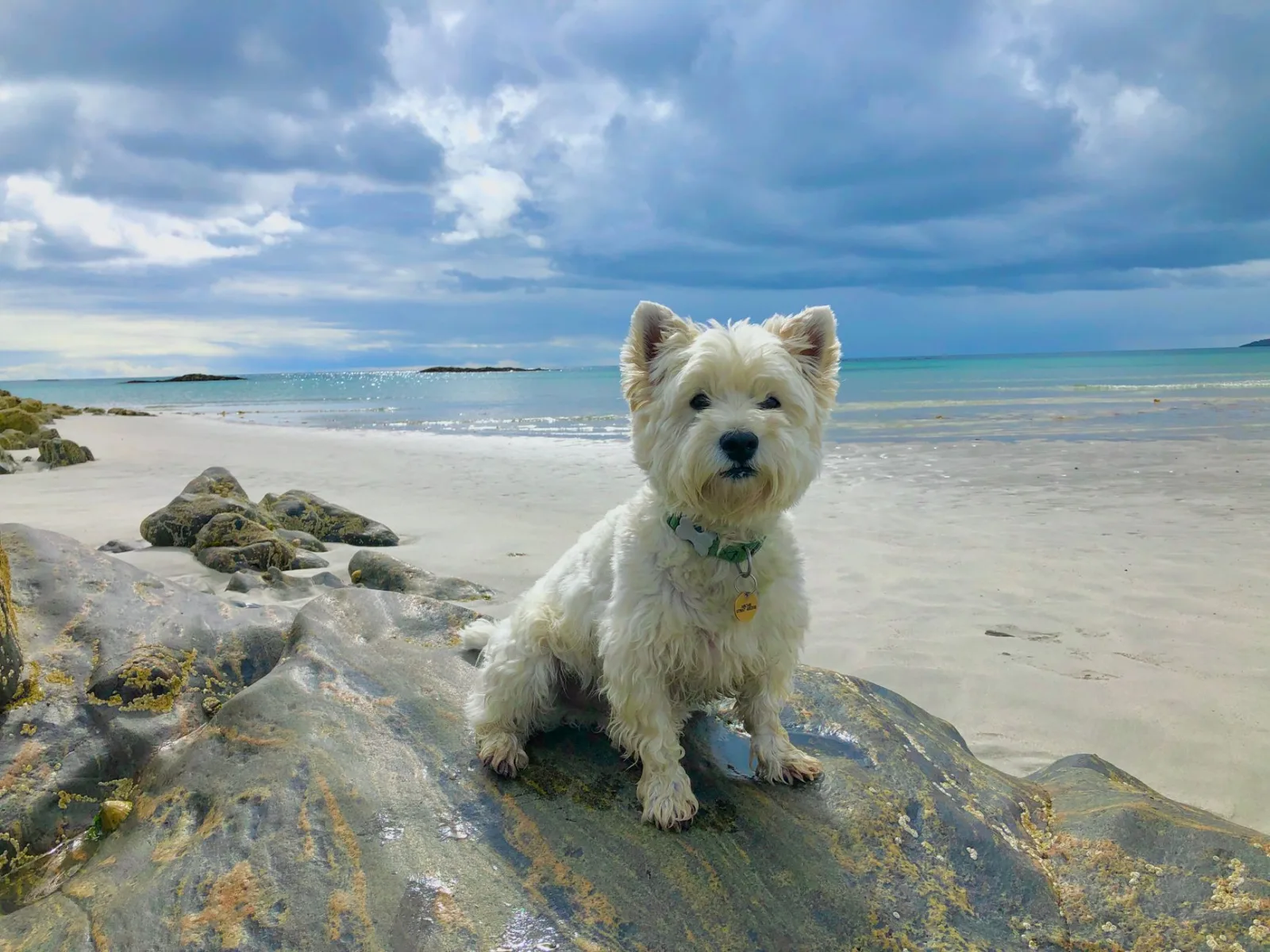

Every Scottish Terrier profile blends practical care notes, breed traits, and everyday living guidance.
Breed Levels
How well this breed aligns with lifestyle factors.
Characteristics
Key traits that define this breed.
Appearance
Physical traits and distinctive features of this breed.
Individual pets may vary in appearance, temperament and needs. Early training, proper care and socialization help bring out the best in every companion.
The Scottish Terrier: The Dignified Diehard
The Scottish Terrier is a small, sturdy and unmistakably distinctive terrier, known for its wiry coat, jaunty beard and bold, independent spirit. Compact yet full of vivid personality, the Scottie carries itself with an almost-human dignity that has made it an icon. Scotties stand 25 to 28 cm tall, weigh 8 to 10 kg and typically live around 12 years.
A Rugged Highland Hunter
One of the oldest of the Scottish breeds and an original terrier type, the Scottish Terrier was developed in the Highlands to hunt vermin and go to ground after foxes and badgers. It needed to be fearless, hardy and small enough to follow quarry underground, with a rough, weatherproof coat suited to the cold north. The breed was first shown around 1860 and gained its own standard and club by the early 1880s, later becoming a fashionable favourite in the 1930s.
Temperament
The Scottish Terrier is independent, dignified, alert and confident. A spirited companion of high spirits, its terrier persistence earned it the nickname the Diehard. Scotties are loyal and affectionate with their people but can be aloof with strangers and have a strong independent streak. They thrive on attention and do not like being left alone for long, and their self-assured nature responds best to patient, positive, consistent training.
Exercise
This is an energetic breed that needs regular, though not constant, exercise and stimulation: daily walks plus games of fetch and play keep a Scottie fit and satisfied. A securely fenced garden is wise given the breed's hunting instincts and tendency to dig and chase.
Grooming
The wiry double coat grows continuously and needs real upkeep: brushing every few days at home, plus bathing and hand-stripping or clipping every two or three months to preserve the characteristic harsh texture and tidy silhouette, often with help from a professional groomer.
Health Considerations
Generally healthy, the Scottie can be prone to von Willebrand disease (an inherited clotting disorder breeders test for), hypothyroidism (sometimes signalled by recurring skin infections) and a hereditary neurological condition called cerebellar abiotrophy, along with a breed-associated cramping condition. Routine veterinary care helps catch issues early.
Who It Suits
The Scottish Terrier suits owners who appreciate an independent, characterful small dog with a big personality and will provide attention, training and regular grooming. Loyal, brave and full of dignity, it is a devoted companion for the right engaged home.