Siberian Husky
An Arctic sled dog breed famous for endurance and striking appearance.
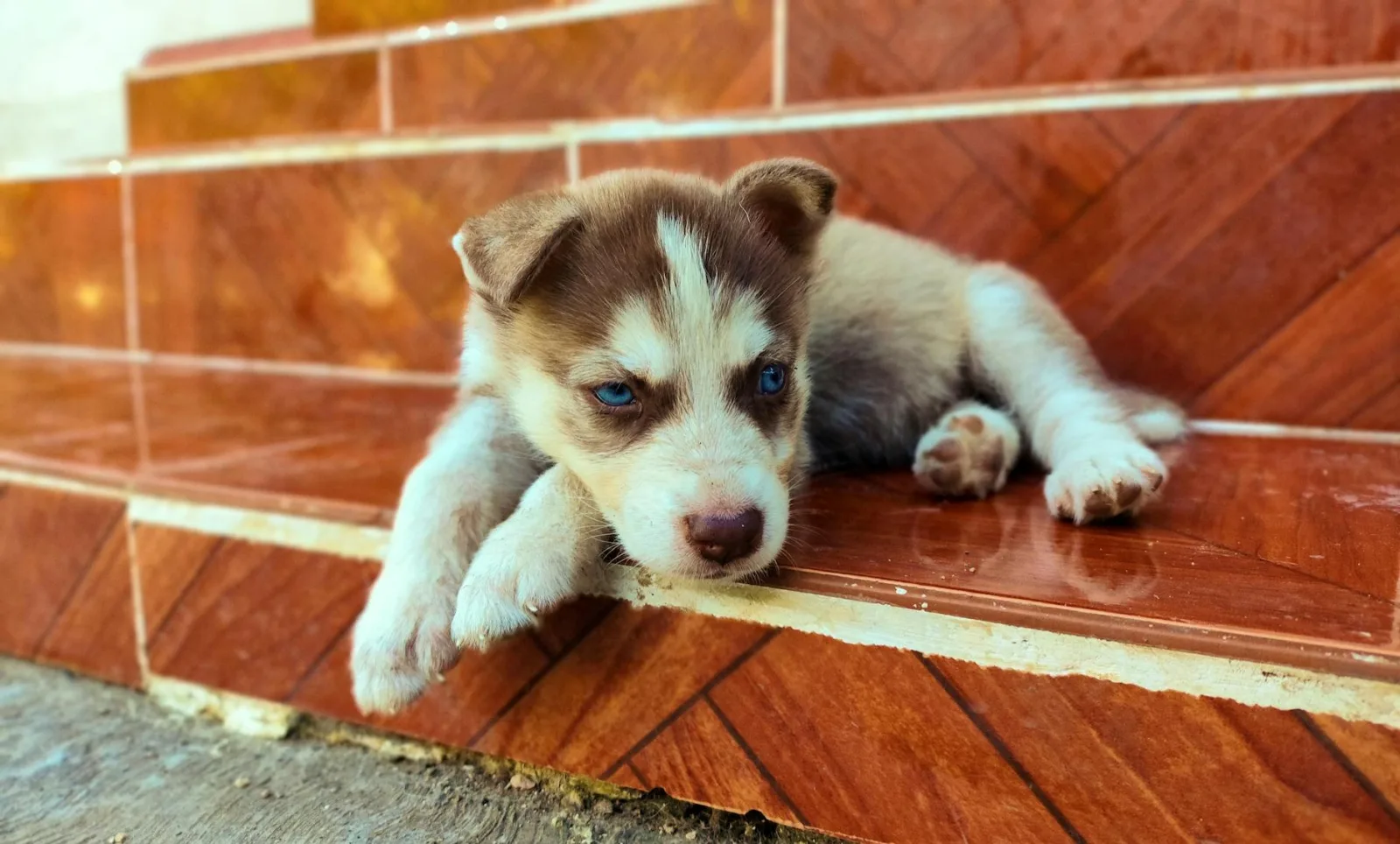
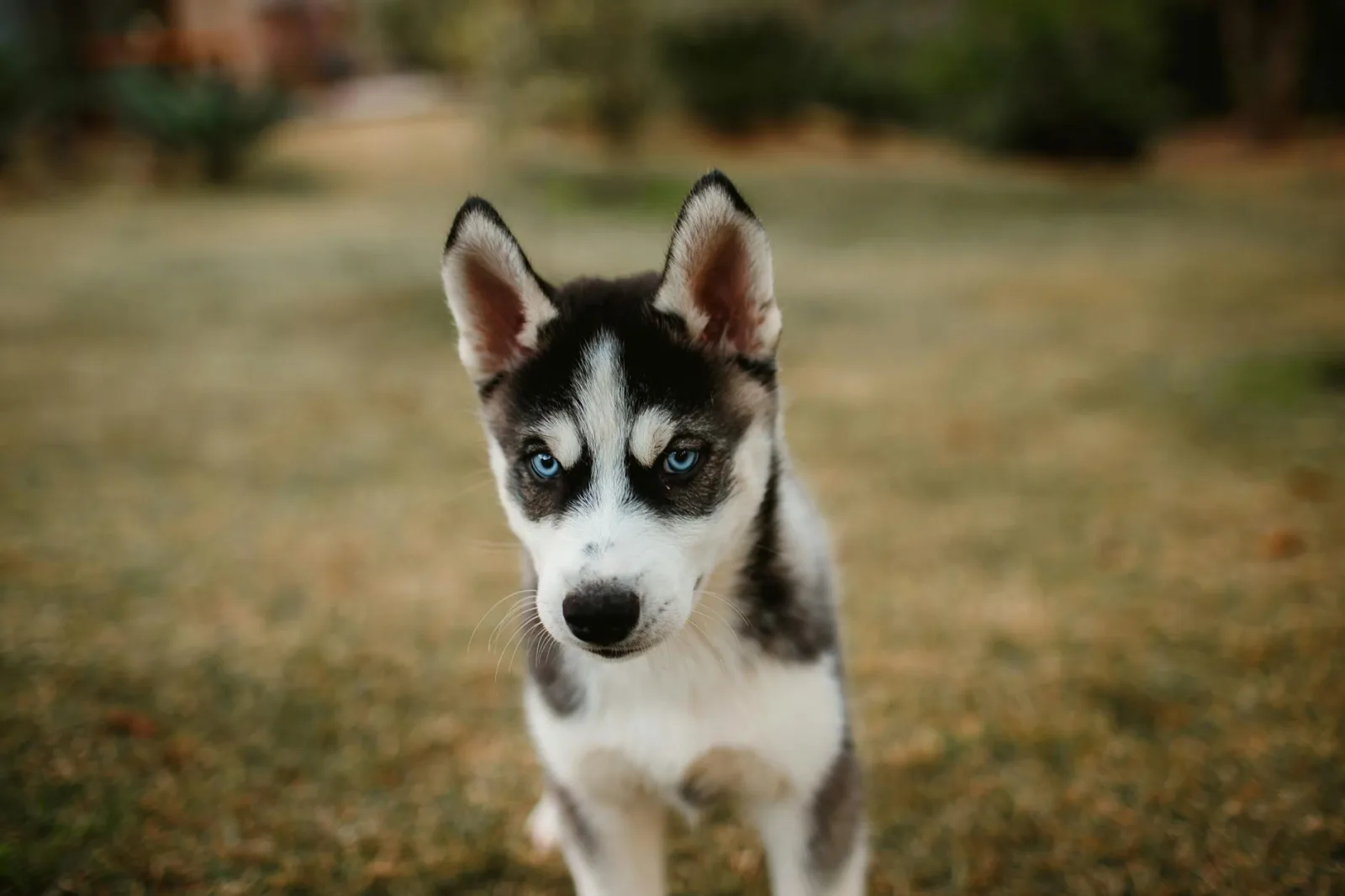
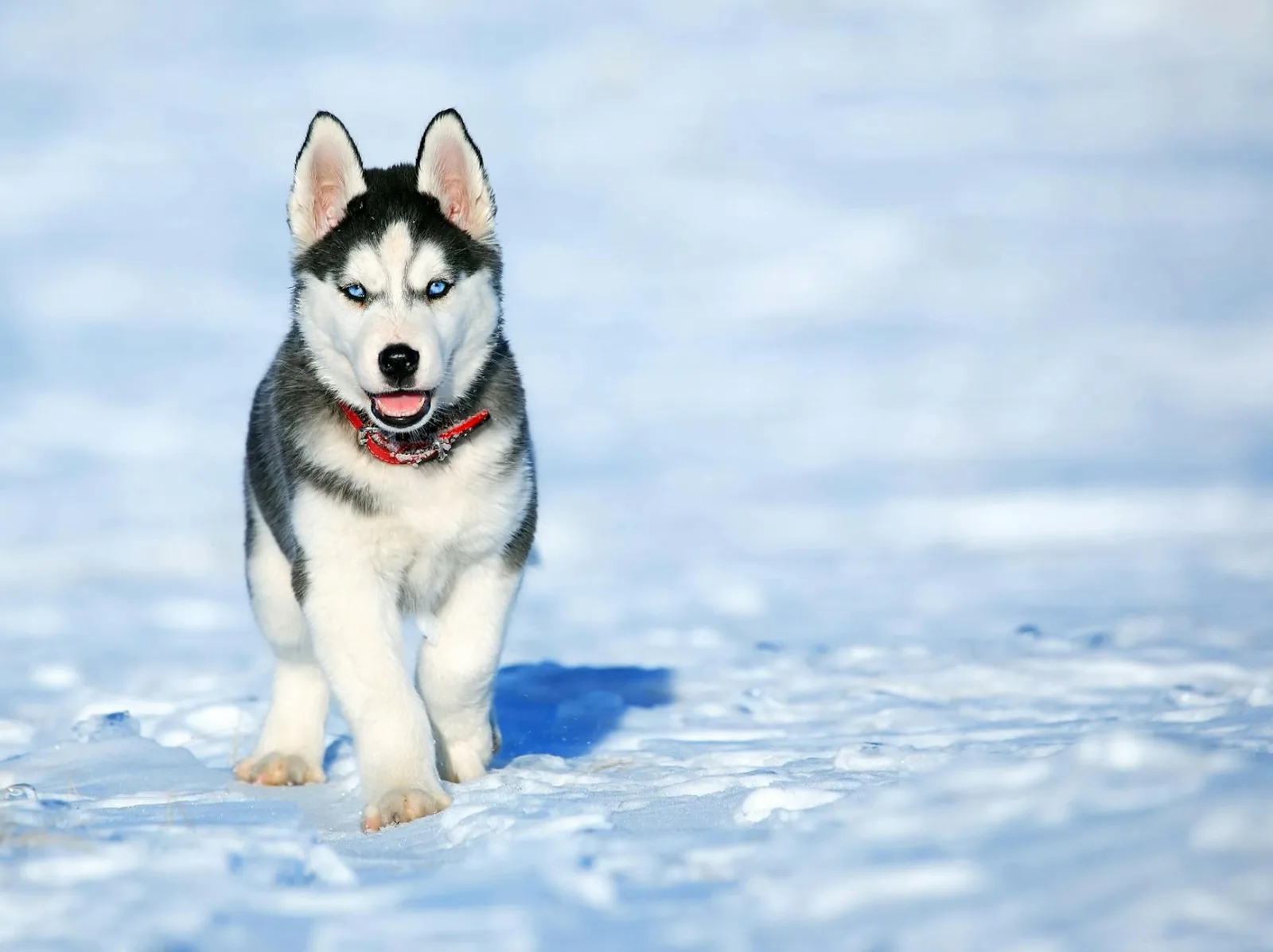
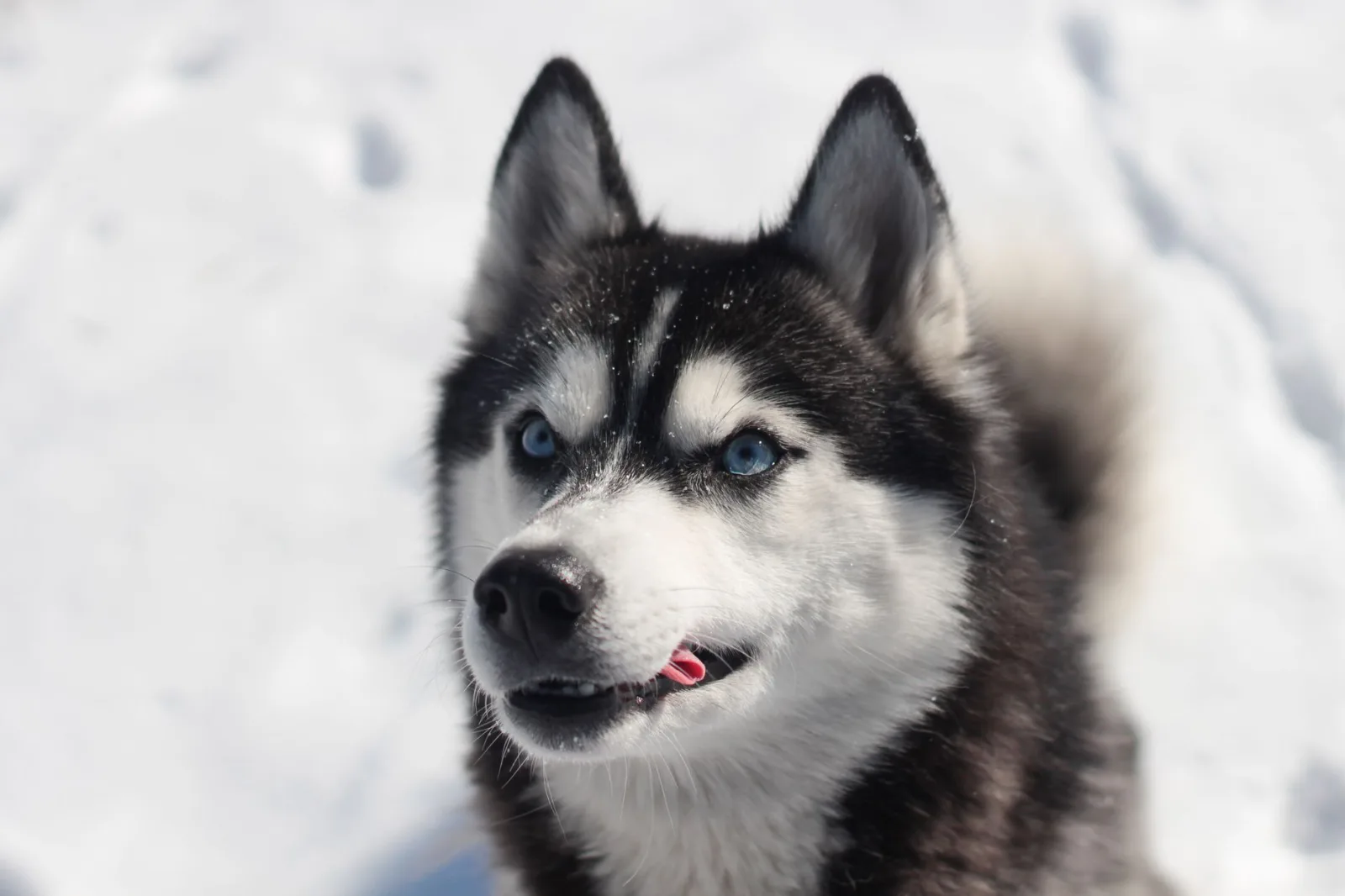
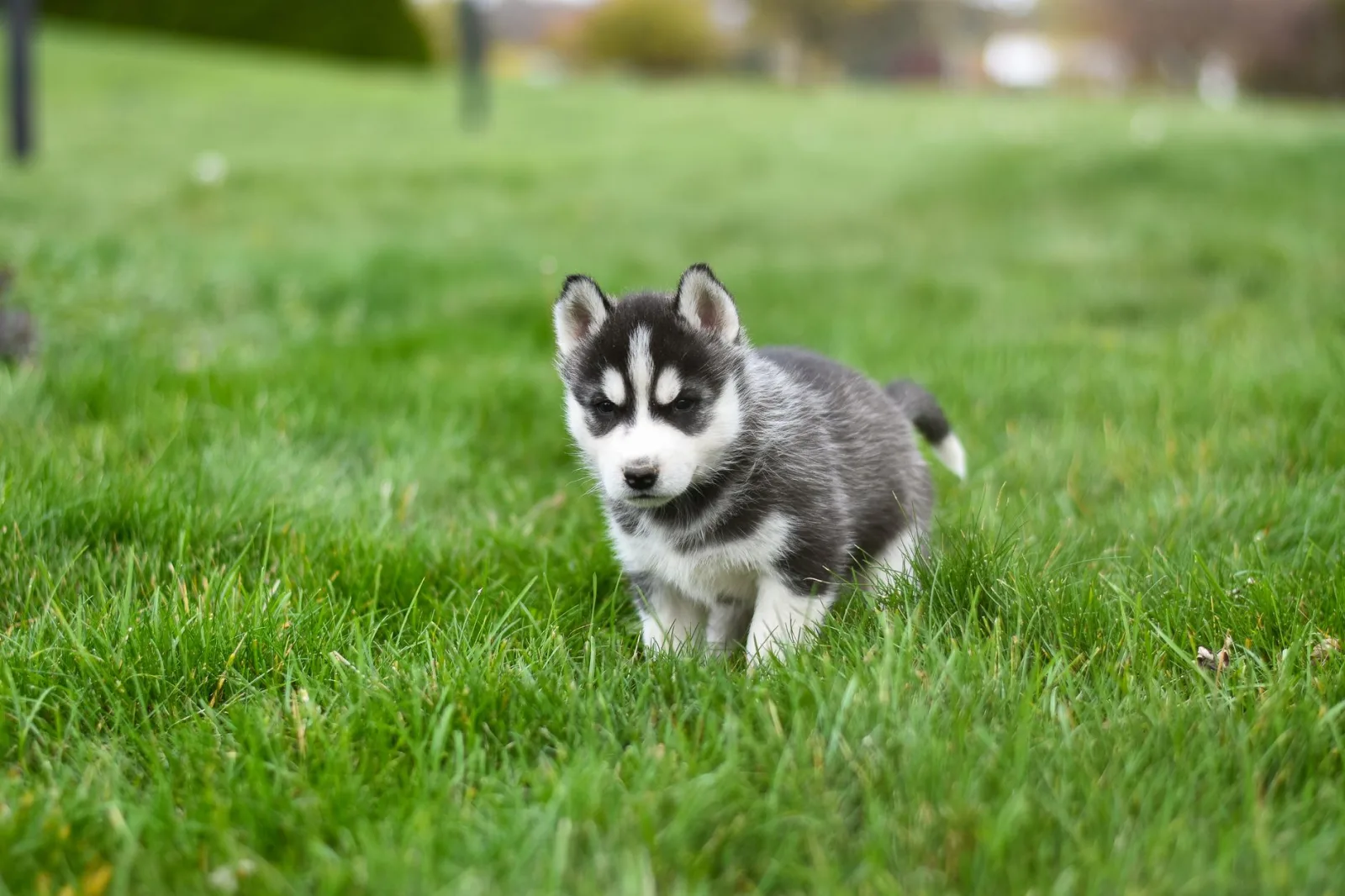
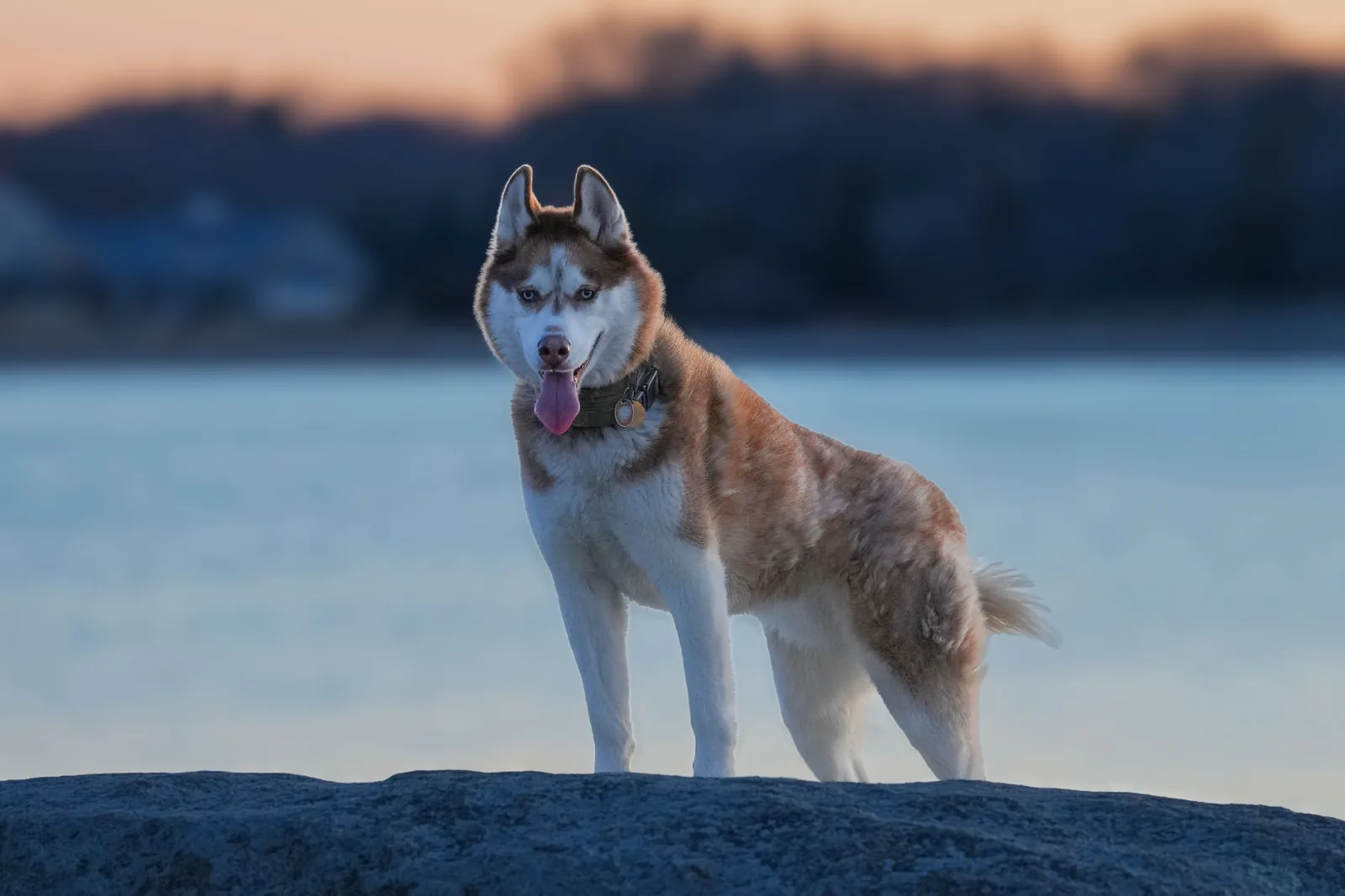
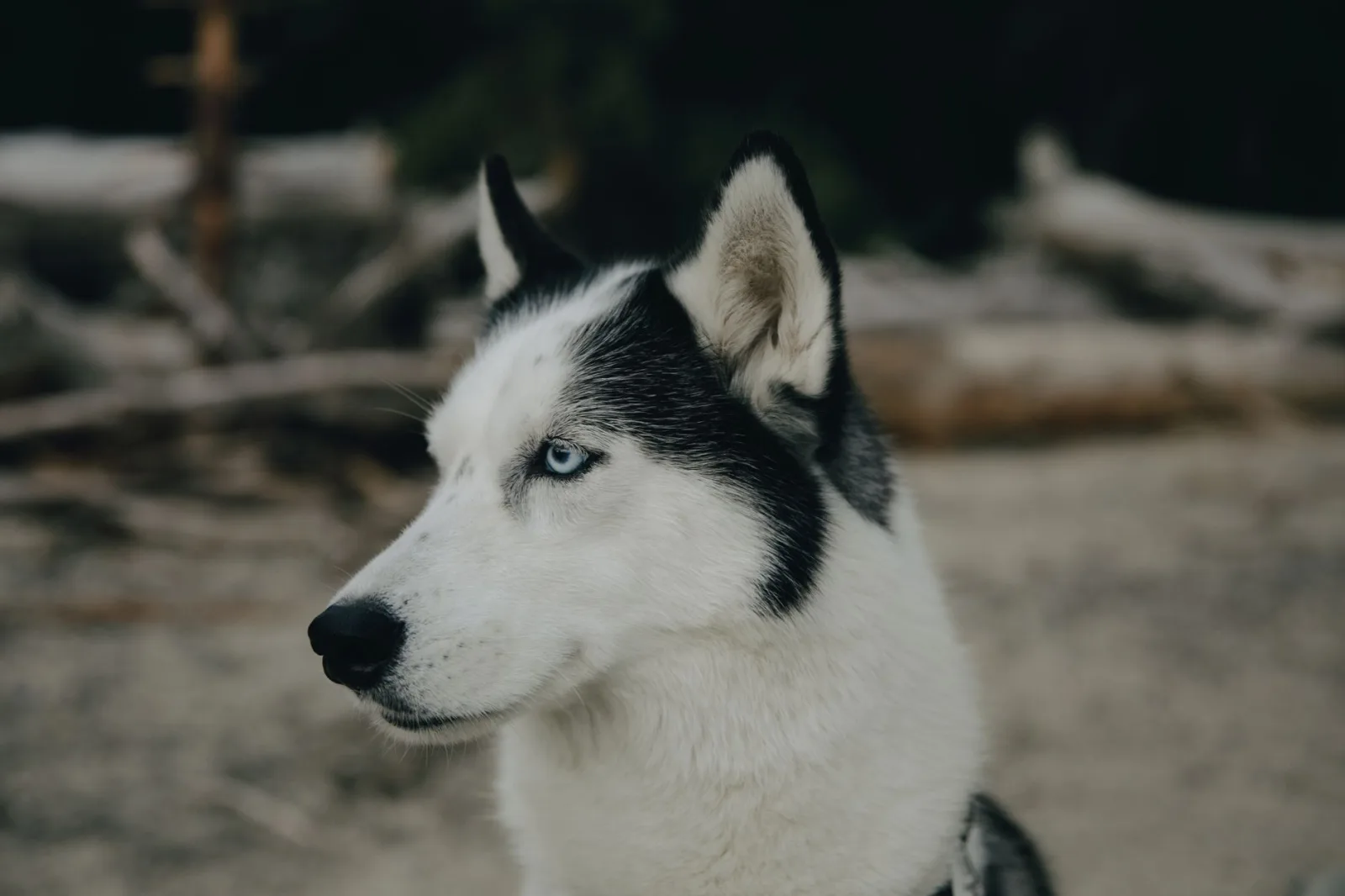
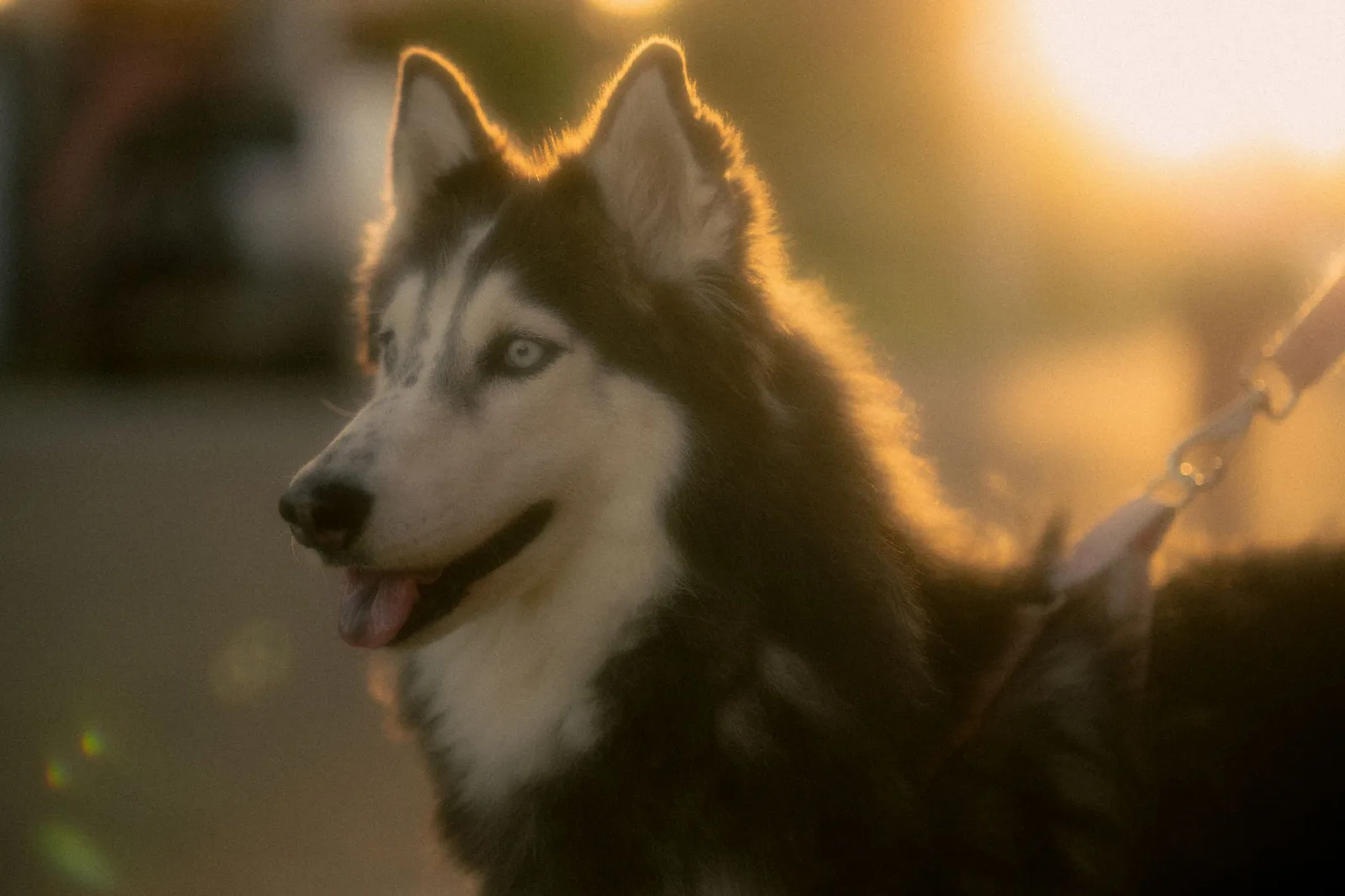
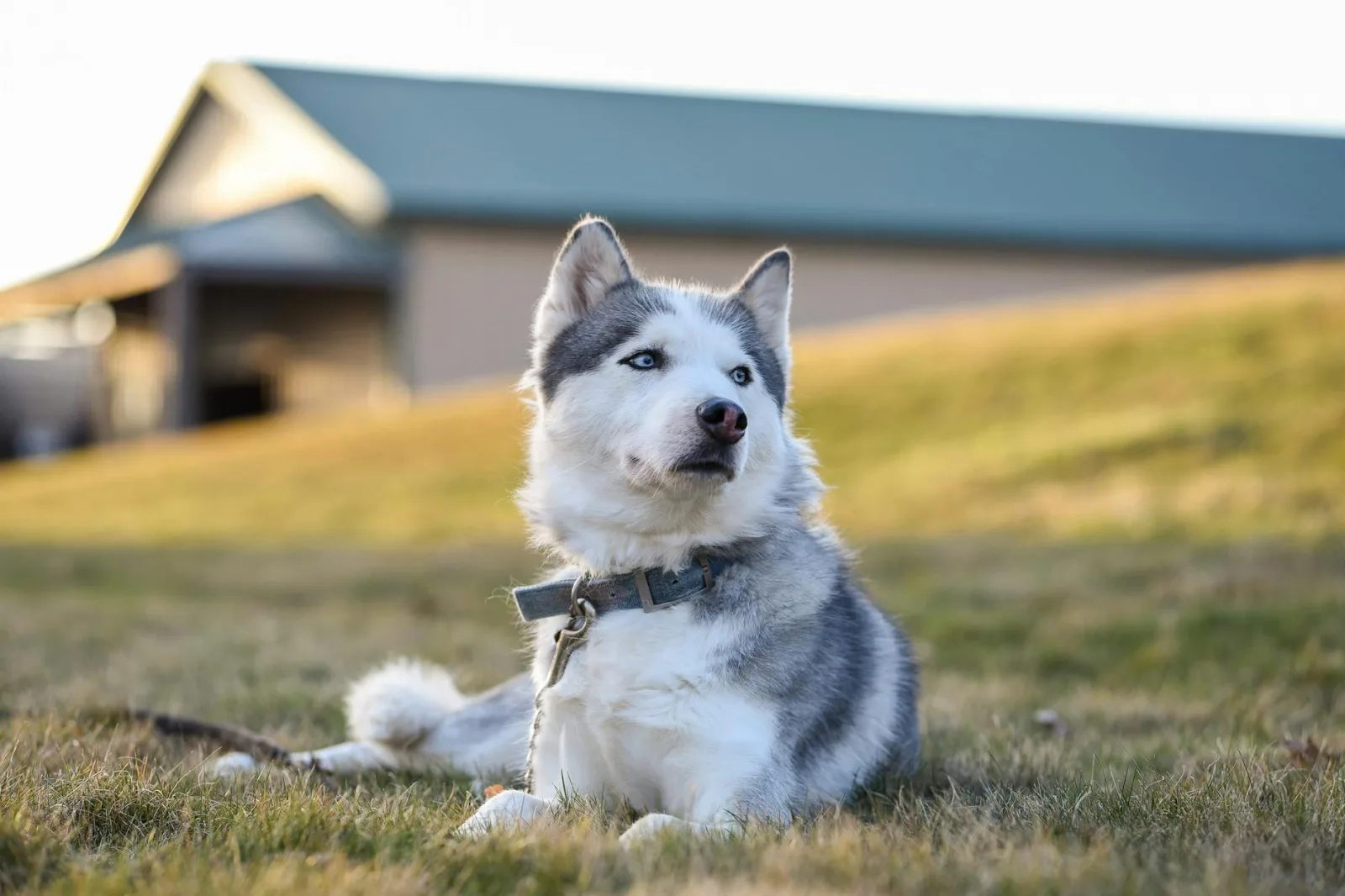
Every Siberian Husky profile blends practical care notes, breed traits, and everyday living guidance.
Breed Levels
How well this breed aligns with lifestyle factors.
Characteristics
Key traits that define this breed.
Appearance
Physical traits and distinctive features of this breed.
Individual pets may vary in appearance, temperament and needs. Early training, proper care and socialization help bring out the best in every companion.
The Siberian Husky: The Energetic Arctic Athlete
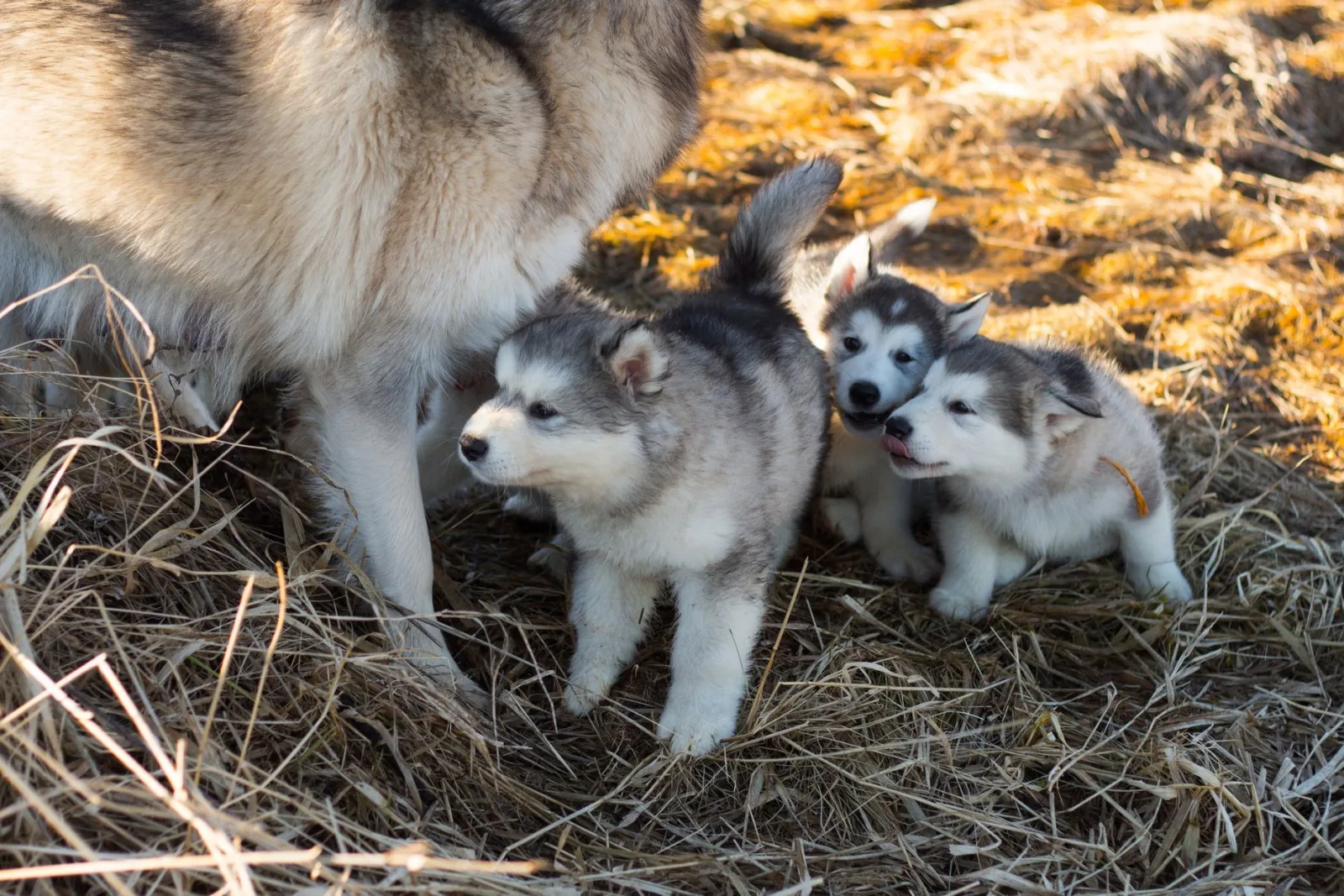
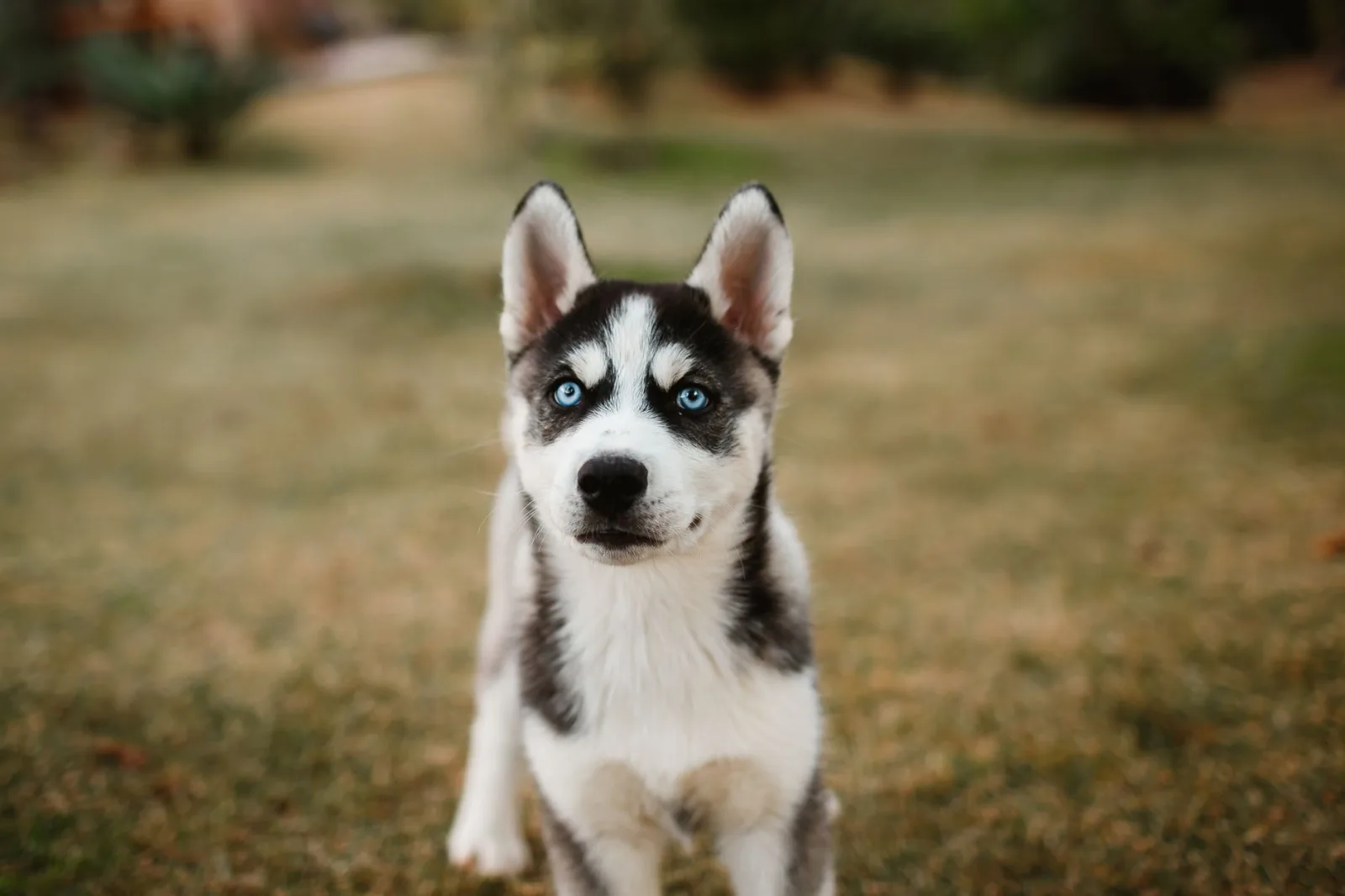
The Siberian Husky is a striking, wolf-like sled dog famous for its endurance, friendly nature and piercing eyes. Built to run, the Husky is a thickly coated, medium-sized athlete with boundless energy and a chatty, mischievous personality. Siberians stand 51 to 60 cm tall, weigh 16 to 27 kg and typically live 12 to 14 years.
Bred to Run by the Chukchi
The Siberian Husky was developed by the Chukchi people of north-eastern Asia, who kept the dogs as both family companions and sled dogs, prizing them for hauling light loads at steady speeds over vast frozen distances. The breed made its American debut in 1908 in Nome, Alaska, and went on to earn lasting fame in sled racing and Arctic expeditions.
Temperament
The Siberian Husky is friendly, outgoing, energetic and mischievous. Bred to work in packs, it is remarkably sociable with people and other dogs, which makes it a poor guard dog but a wonderful, gregarious companion. It is also famously talkative, communicating in howls and dramatic vocalisations, and notably independent, thinking for itself rather than living to obey. That independence calls for patient, consistent, positive training.
Serious Exercise and Escape-Proofing
This is a high-energy breed that needs substantial daily exercise and mental engagement to stay balanced. Without it, the Husky's two greatest talents come to the fore: escaping and digging. Owners should plan for:
- Long daily runs, walks or hikes to satisfy its endurance-built body
- A very secure, escape-proof garden with attention to fences and dig-proofing
- Lead walks in open areas, given a strong prey drive and love of running
Grooming and Climate
The thick double coat is largely self-cleaning, low in odour and needs only occasional bathing, but it sheds heavily, with two major seasonal blowouts that call for daily brushing. Built for the cold, the Husky should be protected from heat with shade, water and care during warm weather.
Health Considerations
Generally a healthy breed, the Siberian Husky can be prone to eye conditions such as juvenile cataracts and progressive retinal atrophy, so eye screening is important, along with hip dysplasia in some lines.
Who It Suits
The Siberian Husky suits active, experienced owners who can provide vigorous daily exercise, secure containment and consistent training, ideally in a cooler climate. Friendly, beautiful and full of personality, it is a fantastic companion for the right energetic home, but a challenge for the unprepared.