Tibetan Mastiff
An ancient Himalayan guardian breed known for independence and powerful protective instincts.
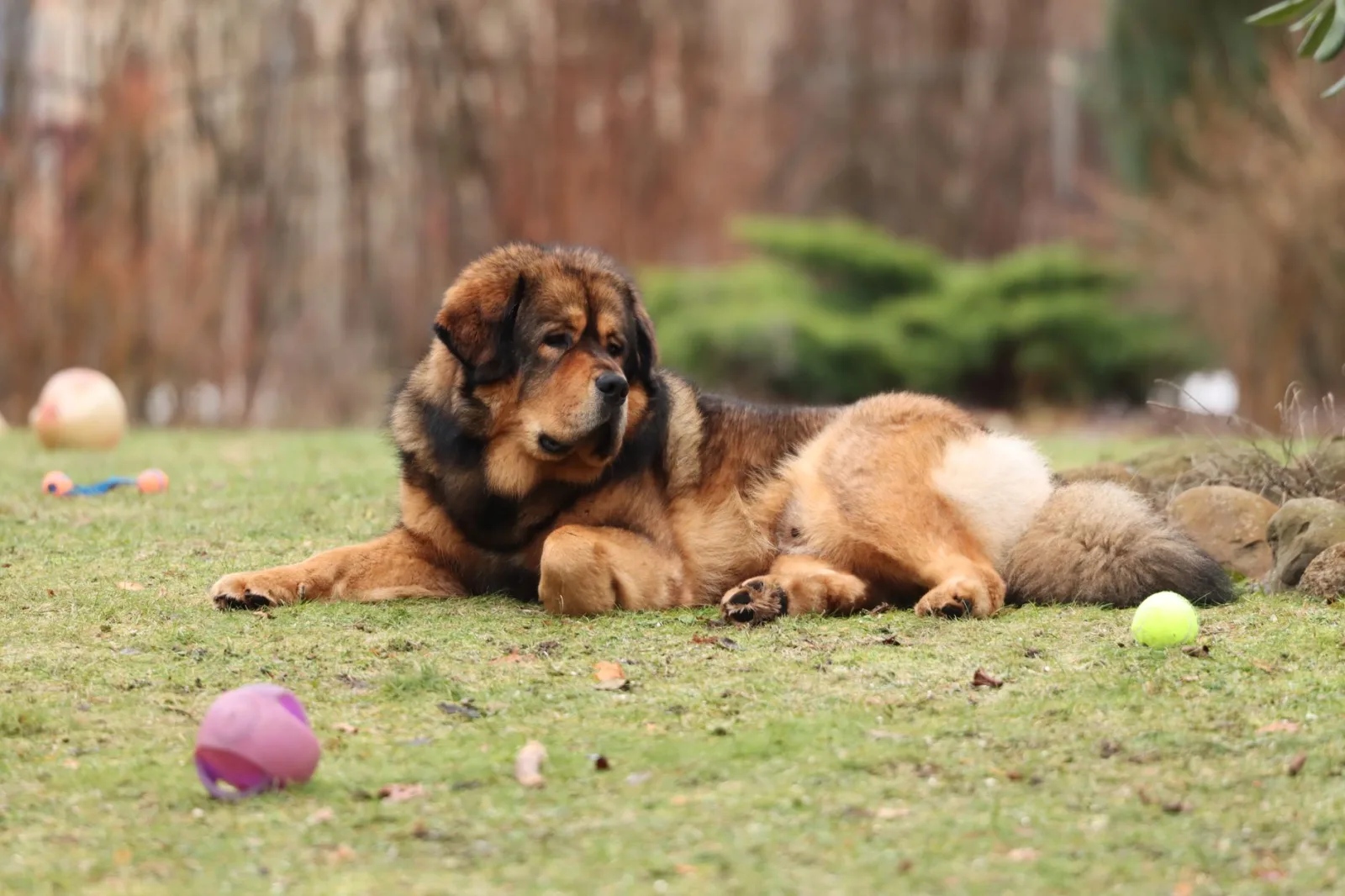

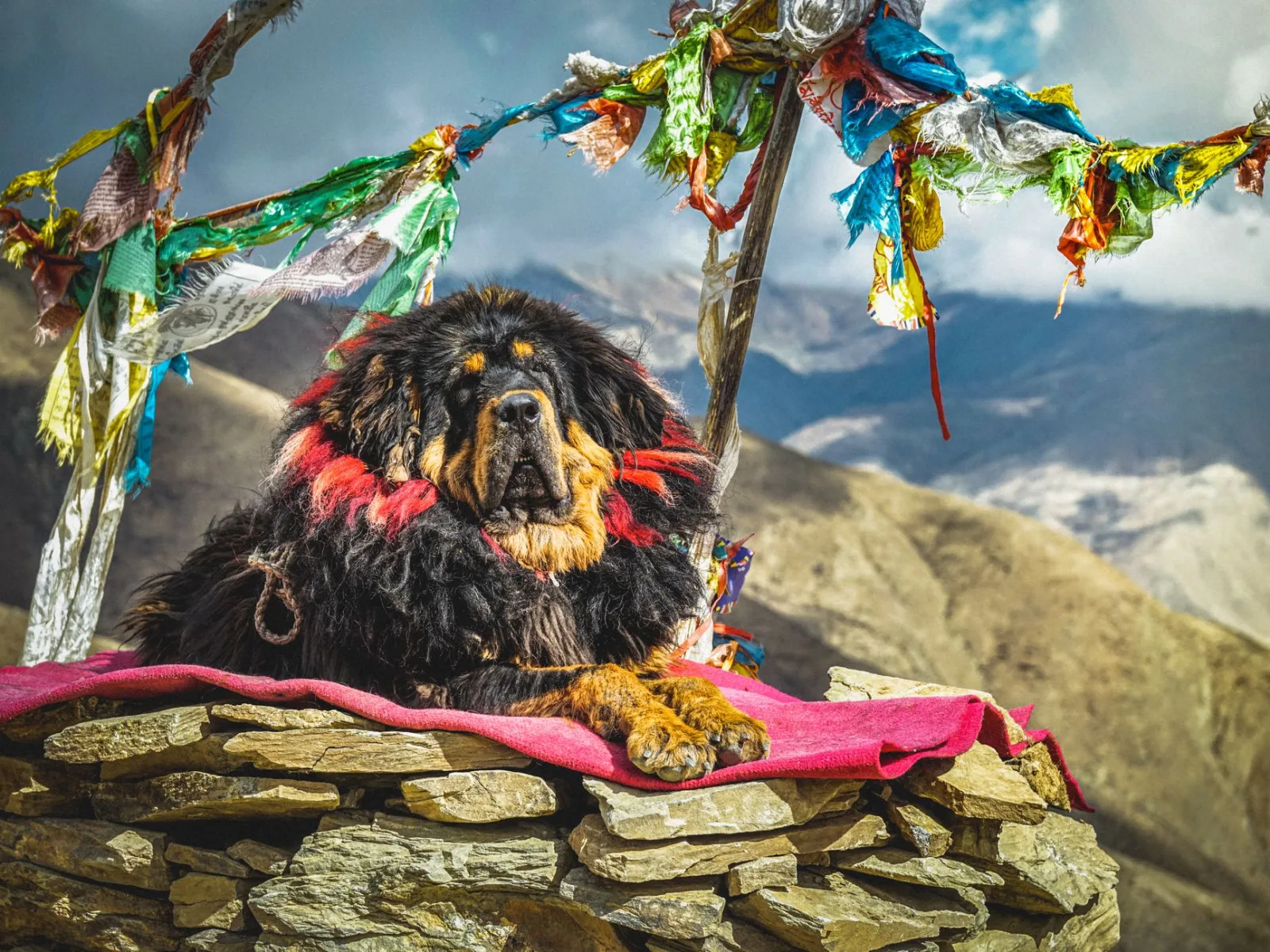

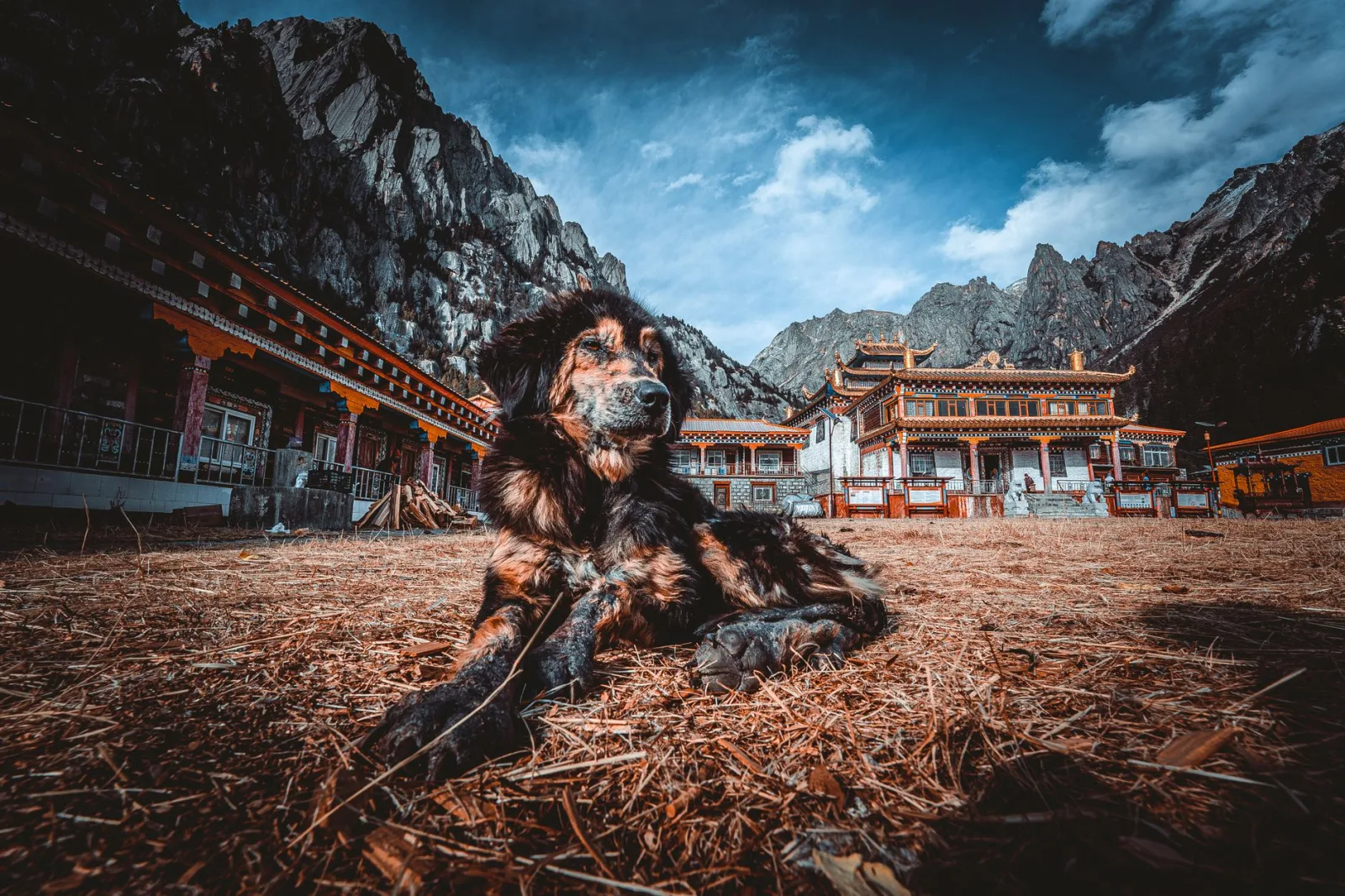
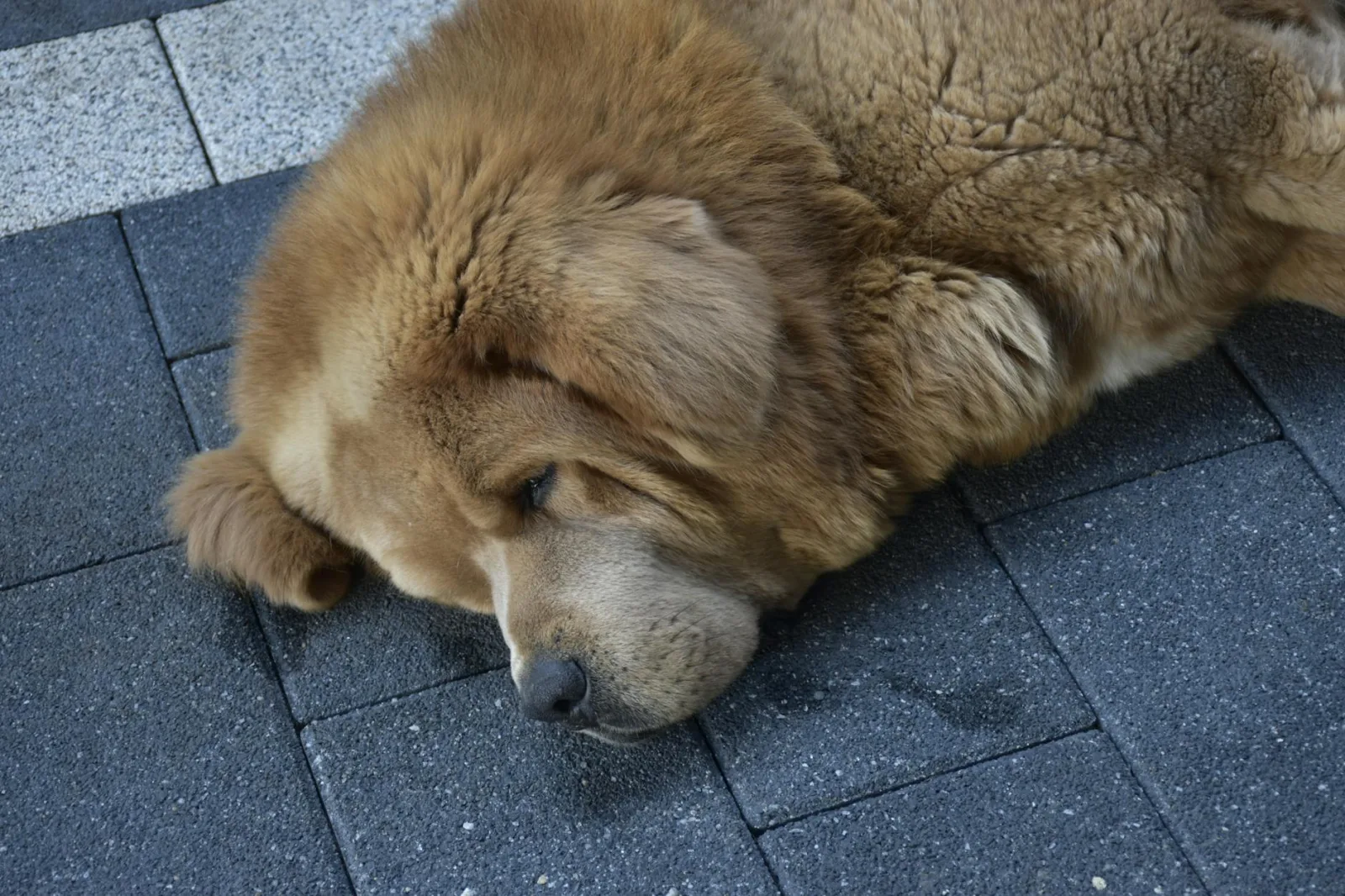
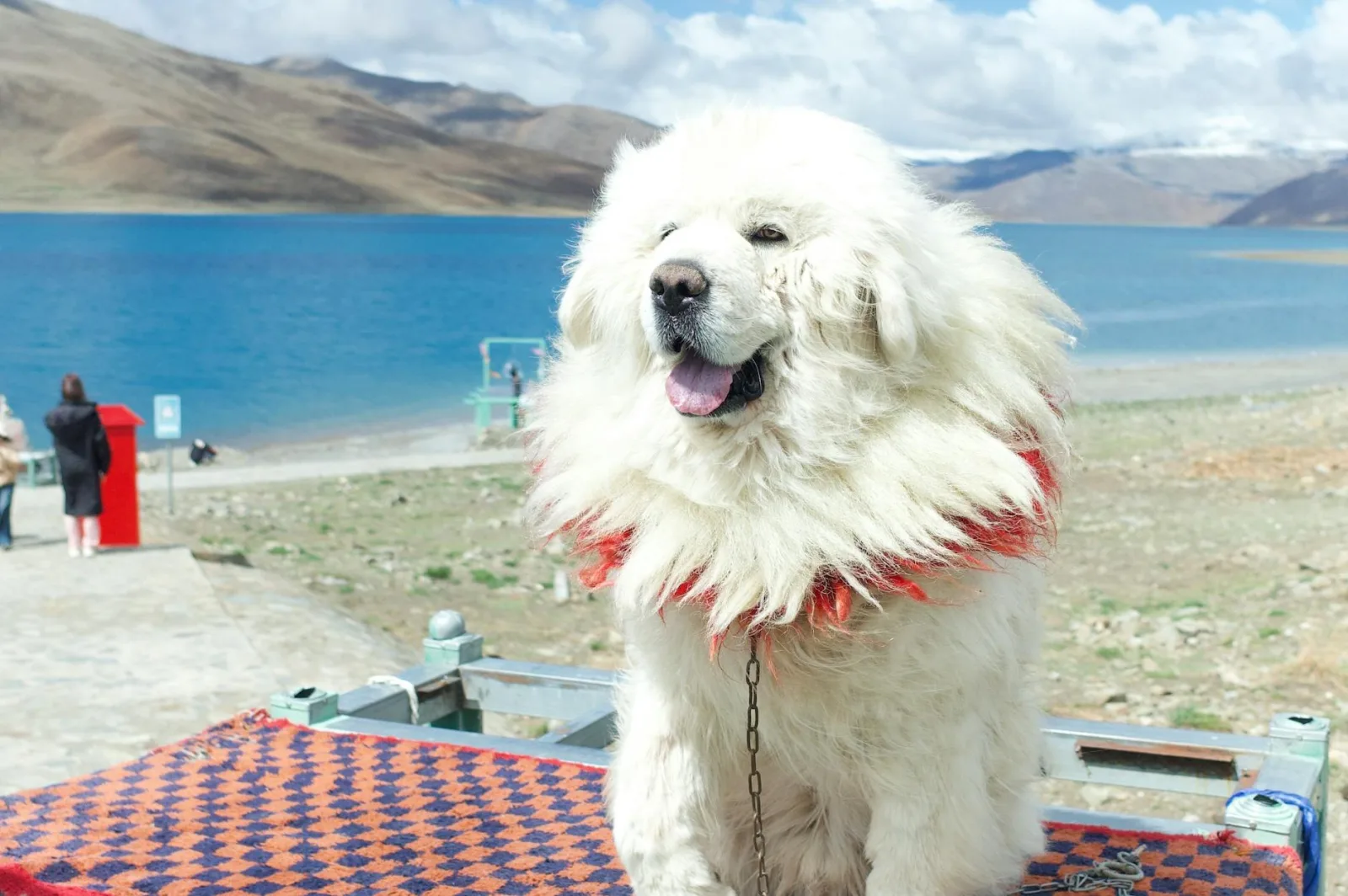
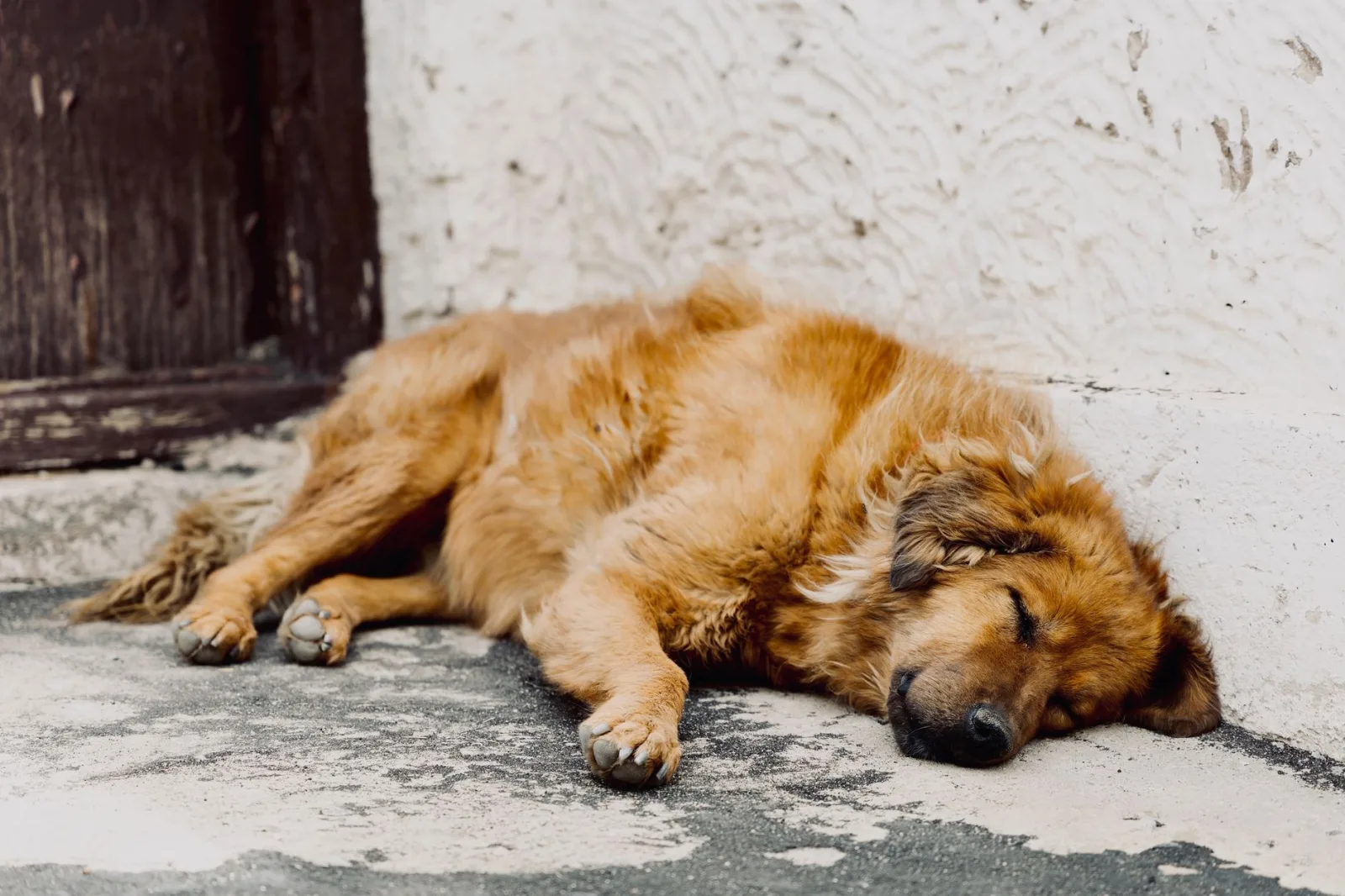
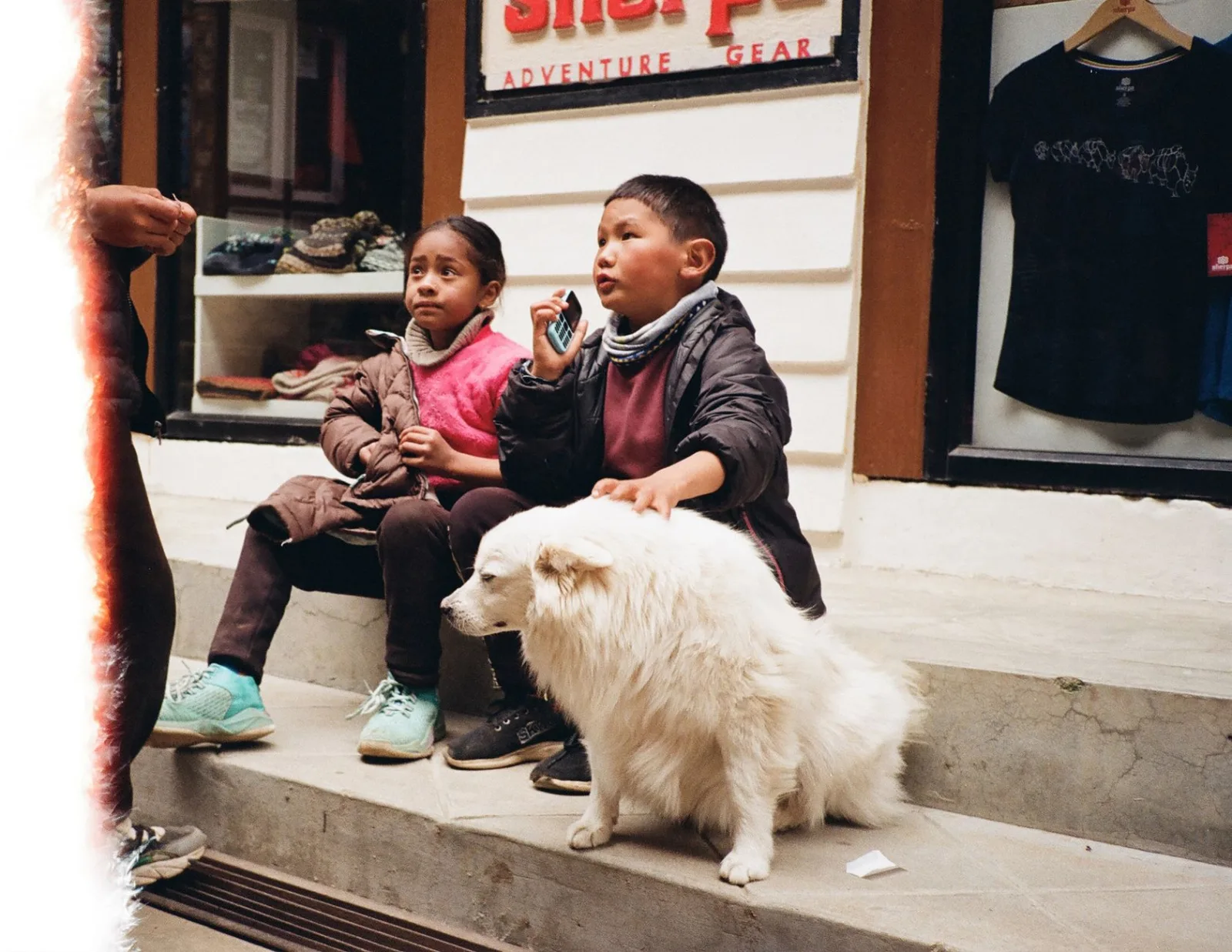
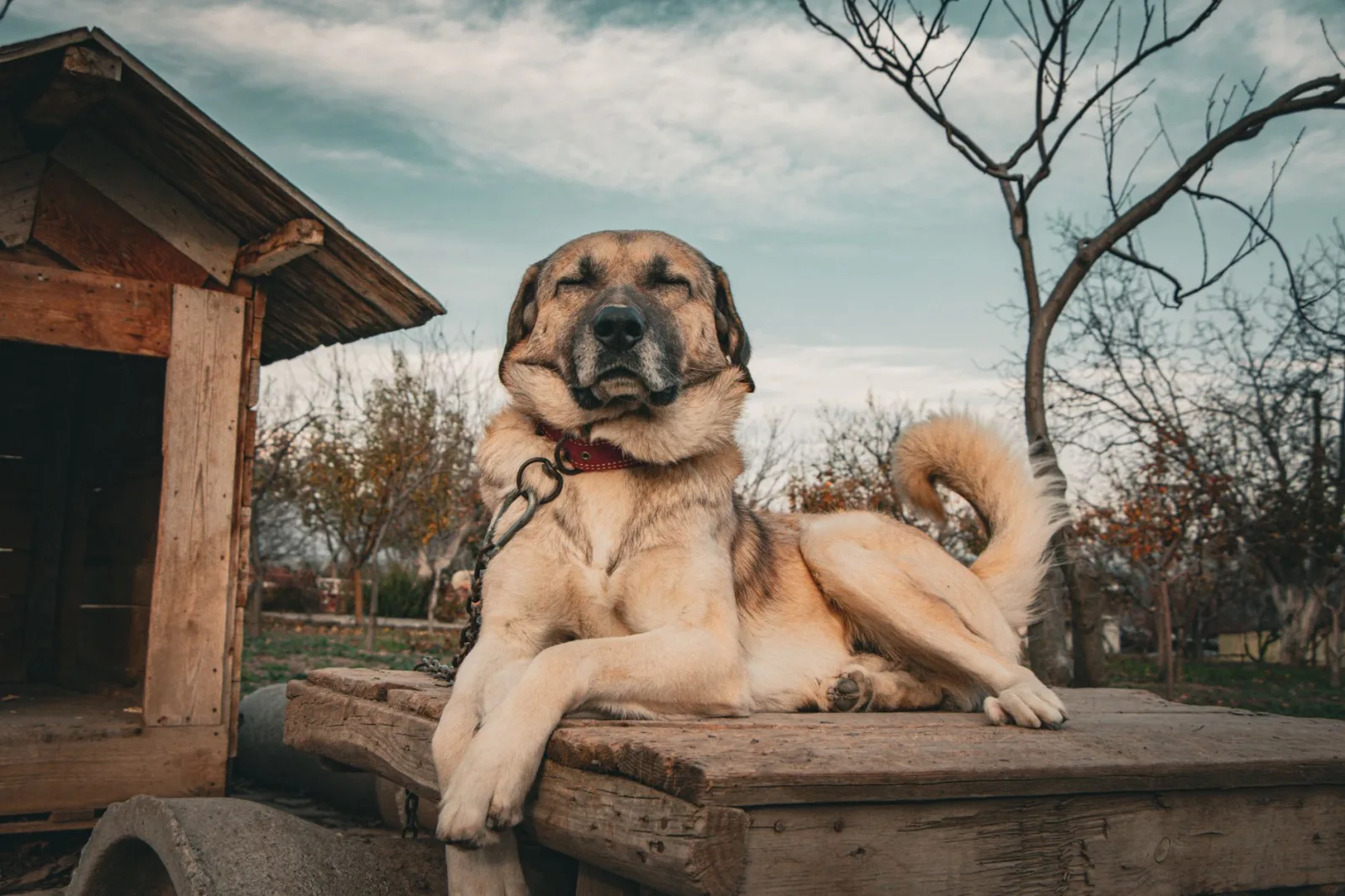
Every Tibetan Mastiff profile blends practical care notes, breed traits, and everyday living guidance.
Breed Levels
How well this breed aligns with lifestyle factors.
Characteristics
Key traits that define this breed.
Appearance
Physical traits and distinctive features of this breed.
Individual pets may vary in appearance, temperament and needs. Early training, proper care and socialization help bring out the best in every companion.
The Tibetan Mastiff: The Supreme Guardian
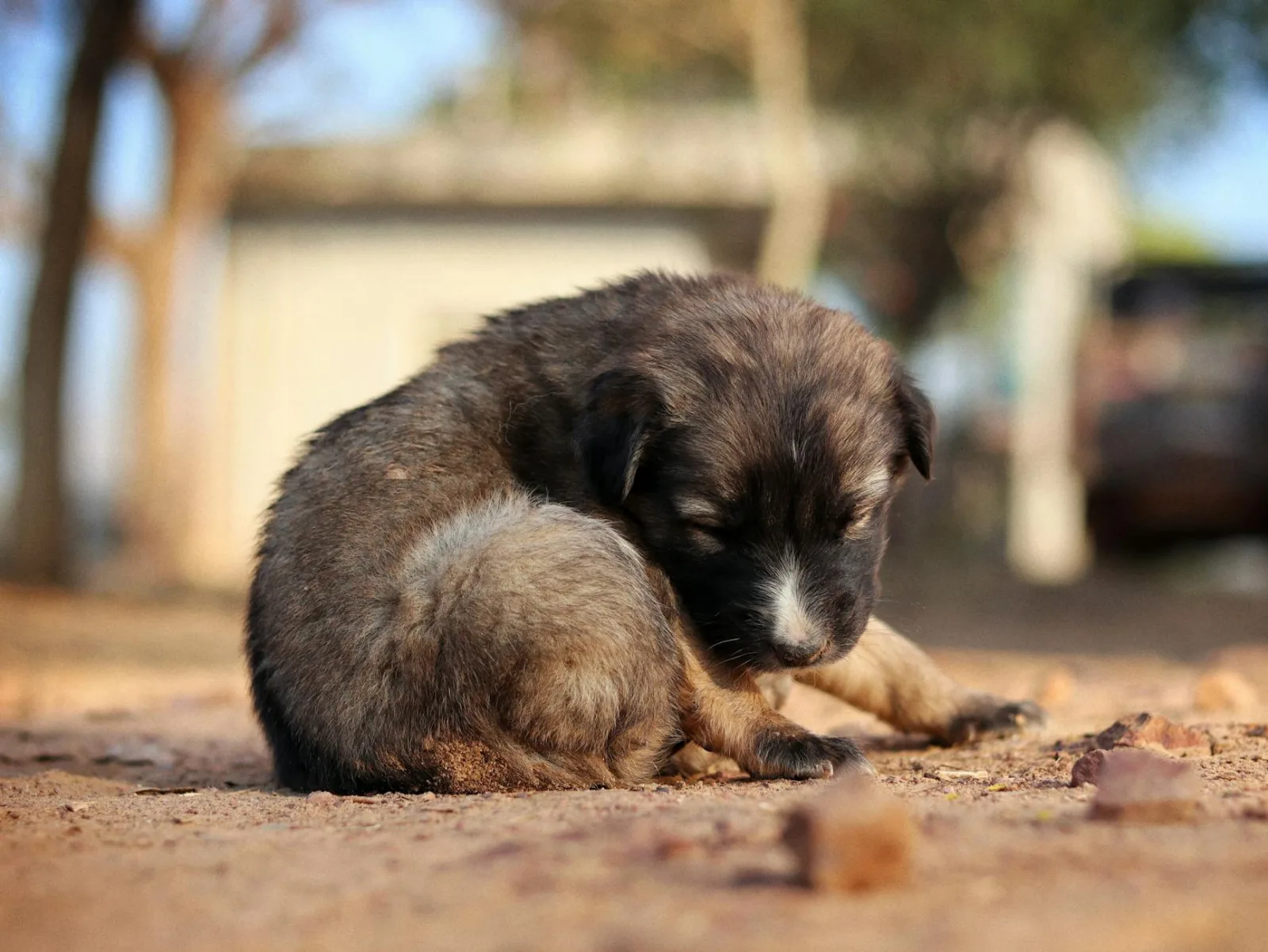
The Tibetan Mastiff is an ancient, awe-inspiring guardian breed, a densely coated giant that for millennia protected the homes, monasteries and flocks of the high Himalayas. Mellow and devoted at home yet aloof and territorial with strangers, it is the guardian dog supreme. Tibetan Mastiffs stand 61 to 76 cm tall, weigh 34 to 68 kg and typically live 10 to 12 years.
Guardian of the Roof of the World
The Tibetan Mastiff originates from Tibet, with written records dating back to 1100 BCE, making it one of the most ancient breeds in existence. Developed on the Chang Tang Plateau at altitudes around 16,000 feet, it evolved to withstand brutal cold, thin air and snow. In Tibet it is known as the Do-Kyi, or tied dog, a reference to its traditional role guarding the gates of homes and temples. The AKC welcomed this ancient guardian to its Working Group only in 2006.
Temperament
The Tibetan Mastiff is independent, protective, reserved and strong-willed. Around the house it is typically calm, mellow and sweetly devoted to its family, but it is naturally aloof and territorial with strangers, a true guardian shaped by thousands of years of protecting home and herd. Highly intelligent but far from easy to train, with a strong independent streak, it is not a good choice for most first-time owners and needs early, committed socialisation.
Exercise and Living Needs
Despite its size, the Tibetan Mastiff has moderate exercise needs, content with daily walks and time in a secure space. It is most active at night, in keeping with its guarding heritage, and benefits from a securely fenced area. This is a serious guardian that suits experienced owners with appropriate space rather than apartment life.
Grooming and Climate
The thick, double-layered coat needs regular brushing and does not cope well with heat. Once a year, usually in late spring or early summer, the breed blows its undercoat in a dramatic shed, best managed with an undercoat rake or de-shedding tool. Outside that period, grooming is relatively manageable.
Health Considerations
Generally hardy for a giant breed, the Tibetan Mastiff can be prone to eyelid conditions such as entropion and ectropion, along with hip and elbow dysplasia and thyroid issues. A reputable, health-testing breeder is important.
Who It Suits
The Tibetan Mastiff suits experienced owners with secure space who understand independent guardian breeds and want a devoted, dignified protector. It is not a breed for novices, but for the right knowledgeable home it is a calm, loyal and magnificent companion.