Weimaraner
A German sporting breed famous for its silver-gray coat and high energy.









Every Weimaraner profile blends practical care notes, breed traits, and everyday living guidance.
Breed Levels
How well this breed aligns with lifestyle factors.
Characteristics
Key traits that define this breed.
Appearance
Physical traits and distinctive features of this breed.
Individual pets may vary in appearance, temperament and needs. Early training, proper care and socialization help bring out the best in every companion.
The Weimaraner: The Grey Ghost
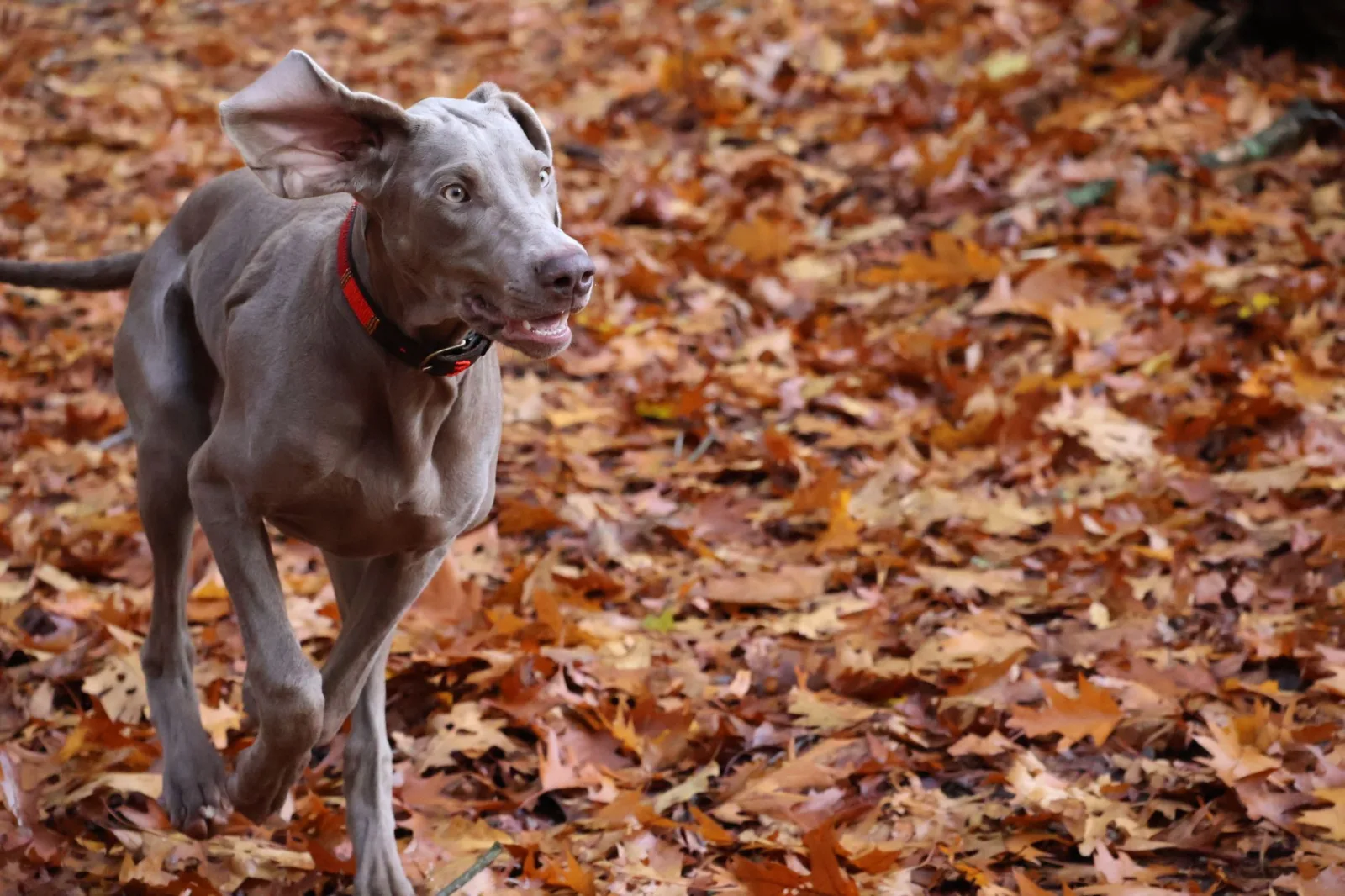
The Weimaraner is a sleek, silver-grey sporting dog famous for its striking coat, amber or blue-grey eyes and tireless energy. Friendly, fearless and devoted, this German gundog is a swift, athletic companion that thrives on activity and close human company. Weimaraners stand 58 to 69 cm tall, weigh 25 to 41 kg and typically live 10 to 13 years.
The Noble Hunter of Weimar
The Weimaraner was developed in 19th-century Germany by the hunt-loving nobles of the court at Weimar, which gave the breed its name. By crossing local hunting dogs, including German Shorthaired Pointer stock, they created a versatile dog originally meant to track and hold big game such as bear, wolf and boar, and later a refined bird dog. Its distinctive grey colour and stealthy, almost catlike hunting style earned it the evocative nickname the Grey Ghost.
Temperament
The Weimaraner is fearless, friendly, obedient and energetic. Loyal, inquisitive and people-oriented, it makes a devoted family dog that wants to be fully involved in daily life. That same devotion can become a weakness: Weimaraners are prone to separation anxiety and, if bored or lonely, may bark excessively or try to escape. They do best with consistent training, companionship and a real job to do.
High Exercise Needs
This is an active, athletic breed that needs a lot of exercise, at least a couple of hours of activity a day. Built to run all day, the Weimaraner makes an excellent running or hiking partner and craves both physical and mental work. It is generally not well suited to apartment living, doing far better with a large fenced yard and an active owner. Its strong hunting drive means small pets such as cats may be seen as prey.
Grooming
The short, smooth grey coat is very easy to care for, needing only a weekly brush and routine basic care, though the breed does shed.
Health Considerations
Generally a healthy breed, the Weimaraner can be prone to bloat (gastric dilatation-volvulus) as a deep-chested dog, along with eyelid conditions such as entropion and hypothyroidism. Sensible feeding practices and a reputable breeder help reduce risks.
Who It Suits
The Weimaraner suits active, committed owners with space who want an athletic, affectionate companion and can provide ample exercise, training and company. For an outdoorsy, engaged household it is a loyal, striking and tireless partner.