Diabetes mellitus in dogs is almost always the type that requires lifelong insulin. The diagnosis is alarming, but the disease is well understood and the prognosis with consistent care is genuinely good.
Catching it early
The early signs read like a checklist: drinking more, urinating more, eating well but losing weight, and a sudden enthusiasm for finishing the water bowl. Cataracts can develop within months — a previously bright eye turning bluish-white is often the symptom that finally brings owners in.
What the diagnosis involves
A fasting blood glucose test and a urine test for glucose are usually enough. Confirmed diabetes means insulin twice a day, every day, for the rest of the dog's life. Most vets start with one of two veterinary insulins; brand-name human insulins are sometimes used off-label and sometimes not.
The daily routine
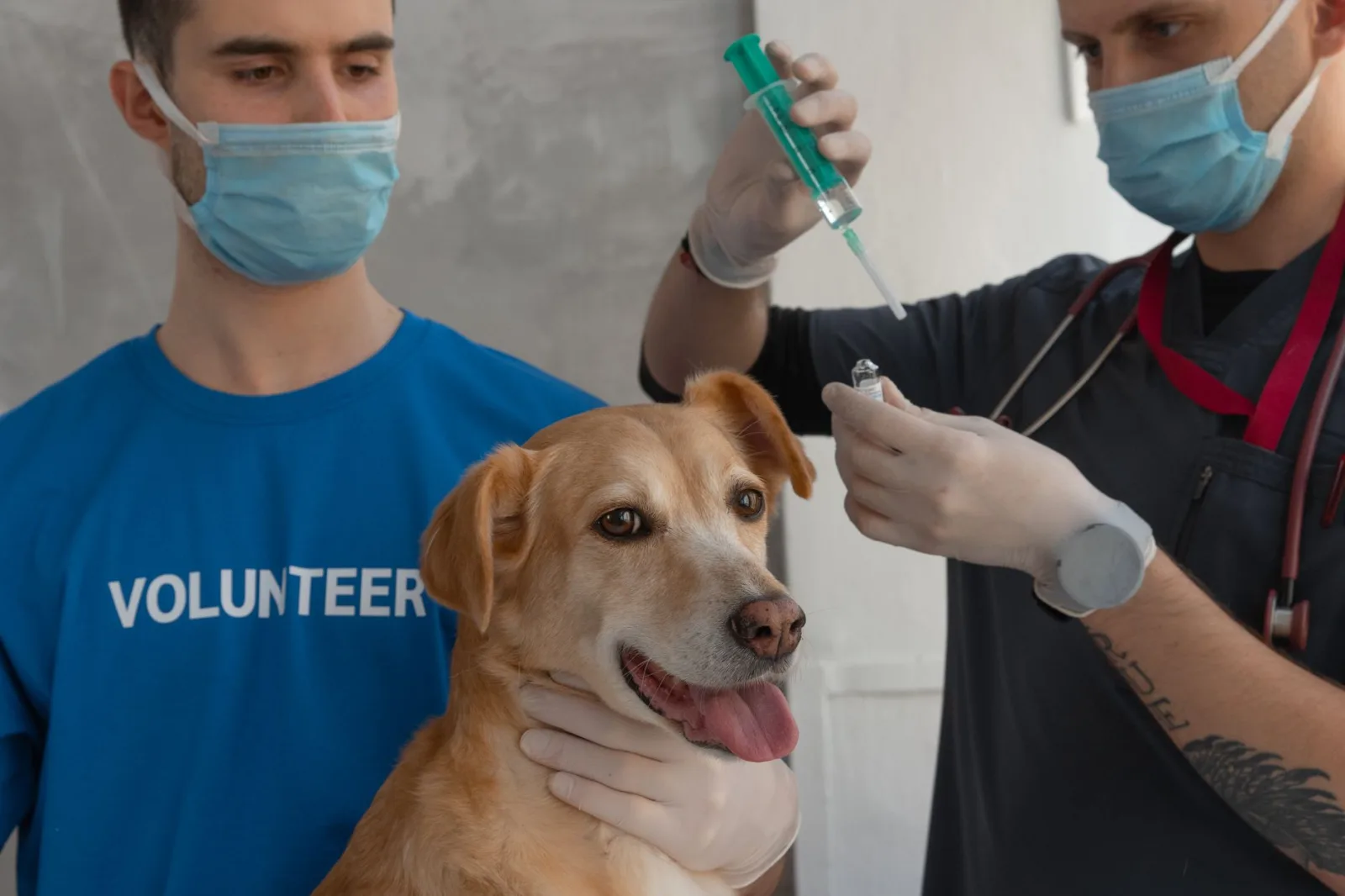
Two meals of the same food, at the same times each day, with insulin injections immediately after. The injection is subcutaneous — under the skin scruff — and uses a tiny needle most dogs barely feel after the first week. Consistency is everything: if you feed late, you inject late, and the whole rhythm shifts.
Monitoring at home
Continuous glucose monitors (FreeStyle Libre) are increasingly used in pets. A small sensor sits on the back of the neck for two weeks and reads out to your phone. It's a vast improvement on traumatic in-clinic blood-sugar curves and costs about ₹4,000–₹5,000 per sensor.
Hypoglycaemia is the real emergency
Too much insulin or a missed meal can drop blood sugar dangerously low. Signs: wobbling, weakness, confusion, seizures. Keep honey or corn syrup on hand. Rub a teaspoon onto the gums and go to the vet. Always.
Diet
Most diabetic dogs do well on a high-fibre, moderate-fat prescription diet. Treats matter — count the calories, avoid anything sugary, and keep treats consistent day to day. No fruit, no leftovers, no surprise biscuits from visiting relatives.