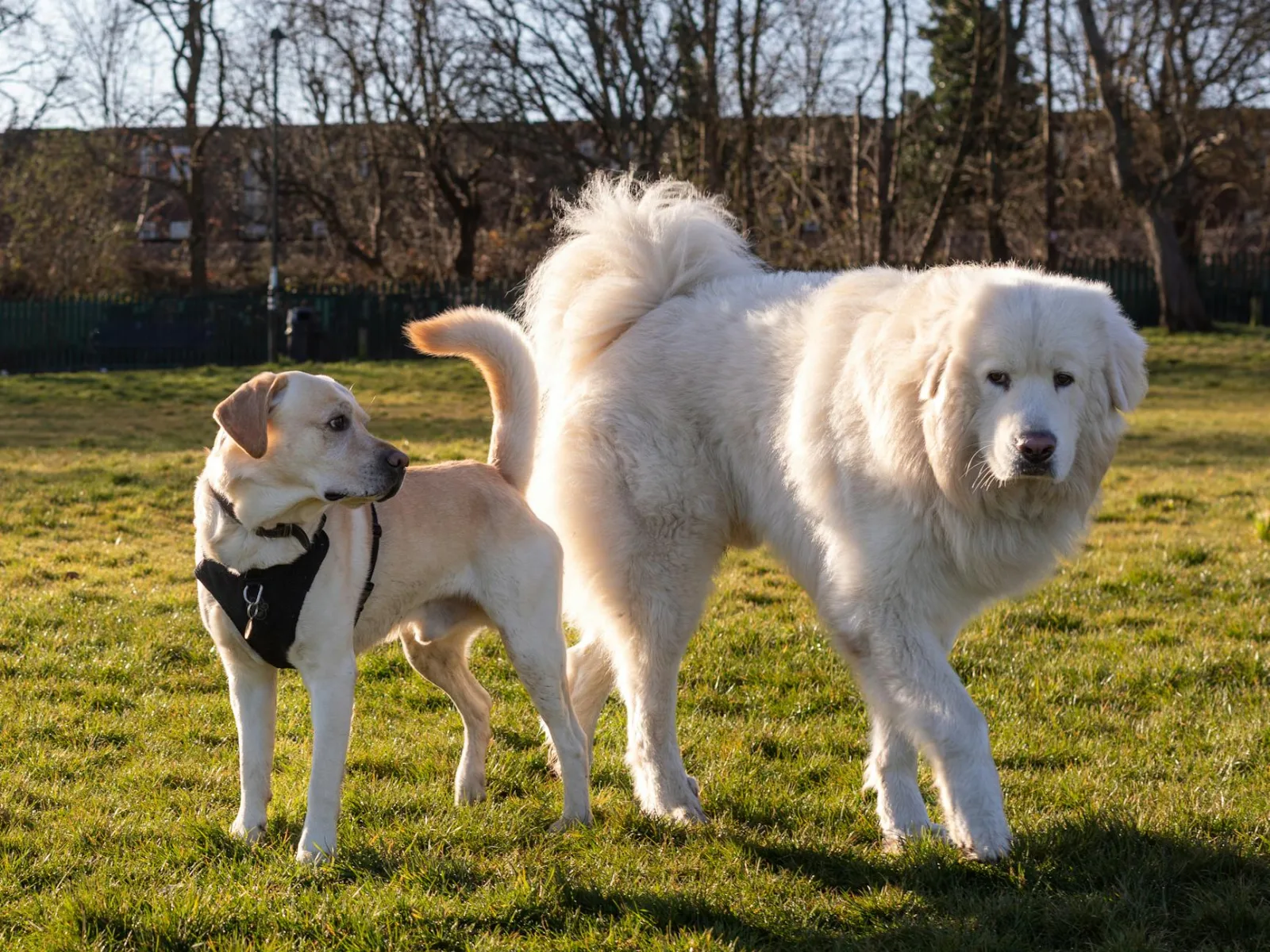
Hip dysplasia is a malformed hip joint. The ball doesn't sit cleanly in the socket. Over years, the abnormal mechanics wear away cartilage, leading to arthritis and chronic pain. German Shepherds, Labradors, Golden Retrievers, Rottweilers, and Great Danes are at highest risk in India.
Genetics first, environment second
You can't prevent hip dysplasia in a dog who is genetically prone to it. You can change how badly it progresses. Buy from breeders who screen breeding pairs (PennHIP or OFA scoring). For rescues, assume risk in any large breed and plan accordingly.
The growth window is everything
Large-breed puppies should not eat the same way small-breed puppies do. Rapid growth and excess calcium worsen joint development. Feed a large-breed-specific puppy food until age 18 months. Keep them lean — visible waist, ribs easy to feel. Overweight puppies grow faster and joint problems worsen.
Exercise: the right kind
Short, frequent, low-impact walks. Avoid forced exercise on hard surfaces, repetitive jumping, running on staircases, or being a "jogging buddy" before 18 months. Swimming is the gold standard — joints move through full range with zero impact.
Diagnosis
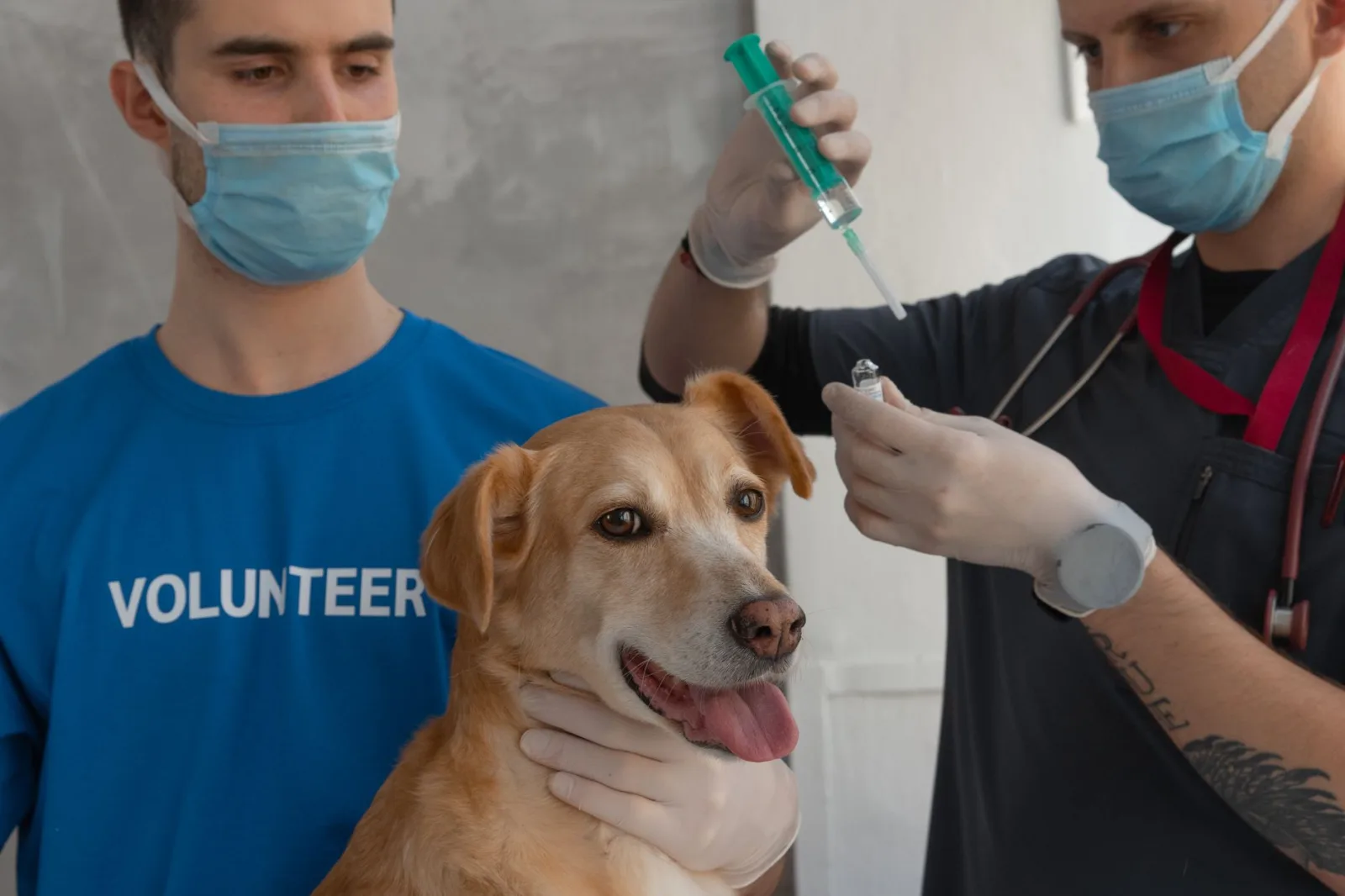
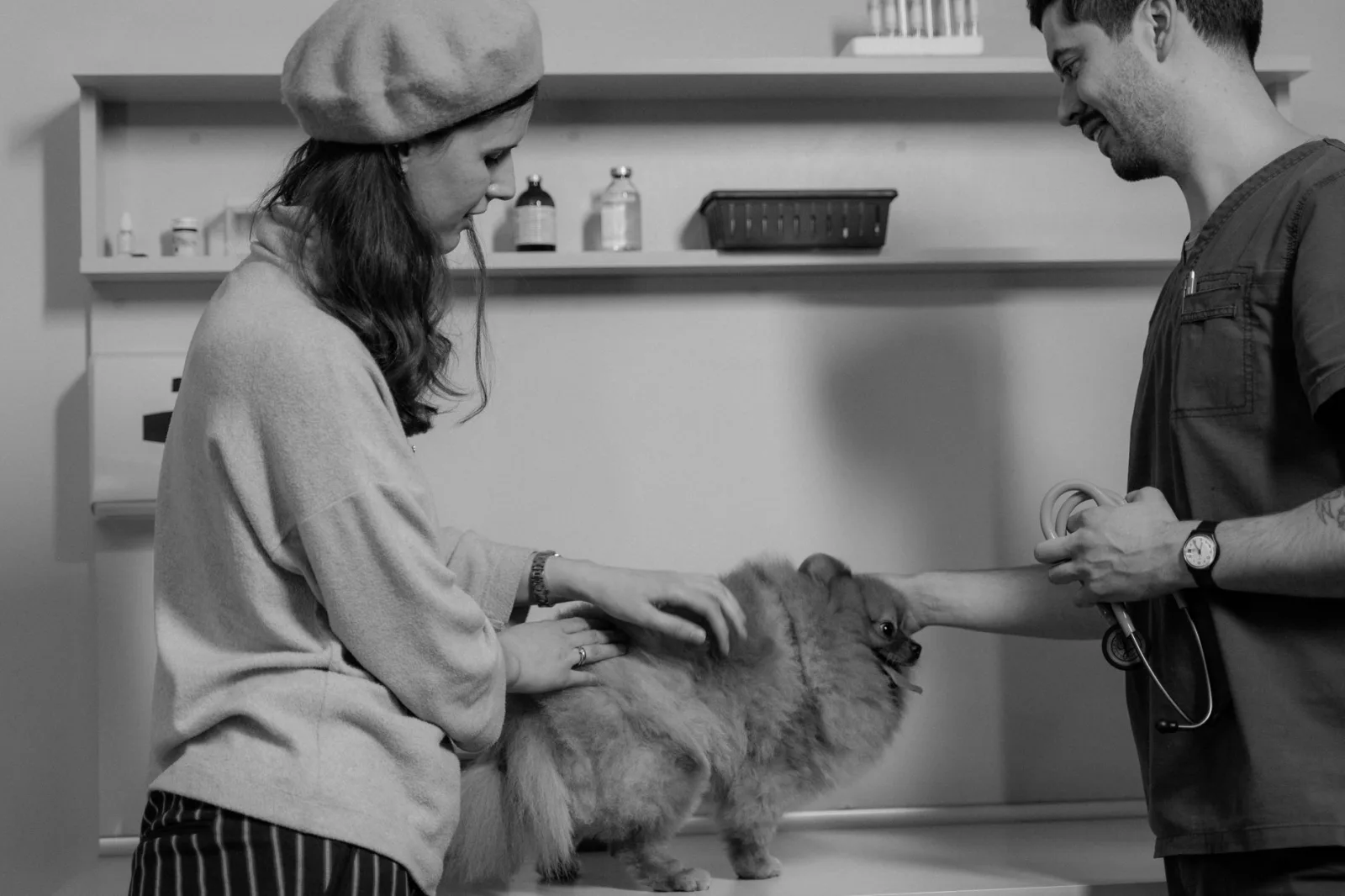
A vet performs an Ortolani sign test on a sedated puppy from four months. X-rays at two years give a definitive view. Symptoms often appear earlier — reluctance to climb stairs, bunny-hopping with both back legs together, a swaying gait, stiffness after rest that improves with movement.
Surgical options
Three main surgeries: Juvenile Pubic Symphysiodesis (JPS) before 20 weeks, Triple Pelvic Osteotomy (TPO) for young dogs, Total Hip Replacement (THR) for adults. THR costs ₹1.5–₹3 lakh in India per hip and gives near-normal function. Femoral head ostectomy (FHO) — removal of the femoral head — is a cheaper option (₹40,000–₹80,000) that works well for dogs under 25 kg.
Living with hip dysplasia long-term
Weight management is non-negotiable — every kilo of excess weight is several kilos of force across the hip with every step. Joint supplements (glucosamine, chondroitin, omega-3 fatty acids). Non-slip flooring at home. Ramps instead of stairs. Heated beds in winter help arthritic joints stay loose.