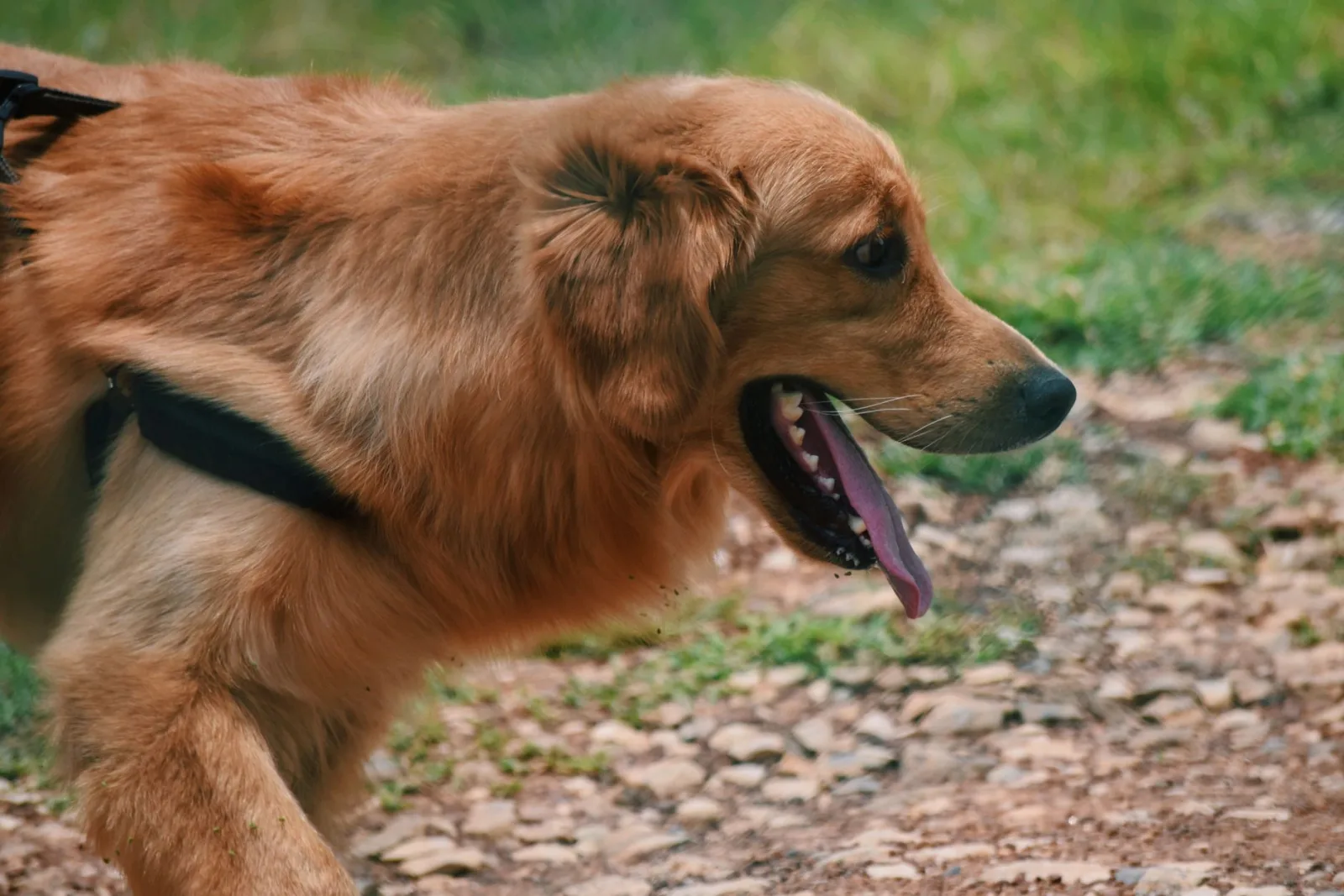
Heatstroke is one of the few pet emergencies where minutes genuinely matter. A dog's normal body temperature sits around 38.5°C. Once it crosses 40°C, organ damage begins. Above 42°C, survival rates drop sharply even with veterinary care.
Spot it early
Heavy, frantic panting is the first sign — but by the time you also see bright red gums, drooling thick ropy saliva, wobbly legs, or vomiting, the dog is already in trouble. Dogs left in cars, walked at midday, or playing hard in humid weather are the typical victims. Flat-faced breeds (Pugs, Bulldogs, Boxers, Shih Tzus) overheat far faster than long-nosed breeds and need extra caution.
First aid: cool the dog, then drive
The single goal in the first ten minutes is to lower body temperature — not to give water, not to call someone. Move the dog to shade or an air-conditioned room. Wet them down with cool tap water (not ice water — ice causes blood vessels to constrict and traps heat in). Focus on the belly, armpits, and groin where blood flow is closest to the surface. A fan blowing over the wet coat speeds evaporation dramatically.
Don't do these
Skip ice baths, frozen towels, or alcohol rubs. They cool the skin too quickly and shock the body. Don't force water down a panting dog — they can aspirate it. Don't assume the emergency is over once panting calms. Internal damage to kidneys, liver, and the clotting system can show up hours later.
When to drive to the vet
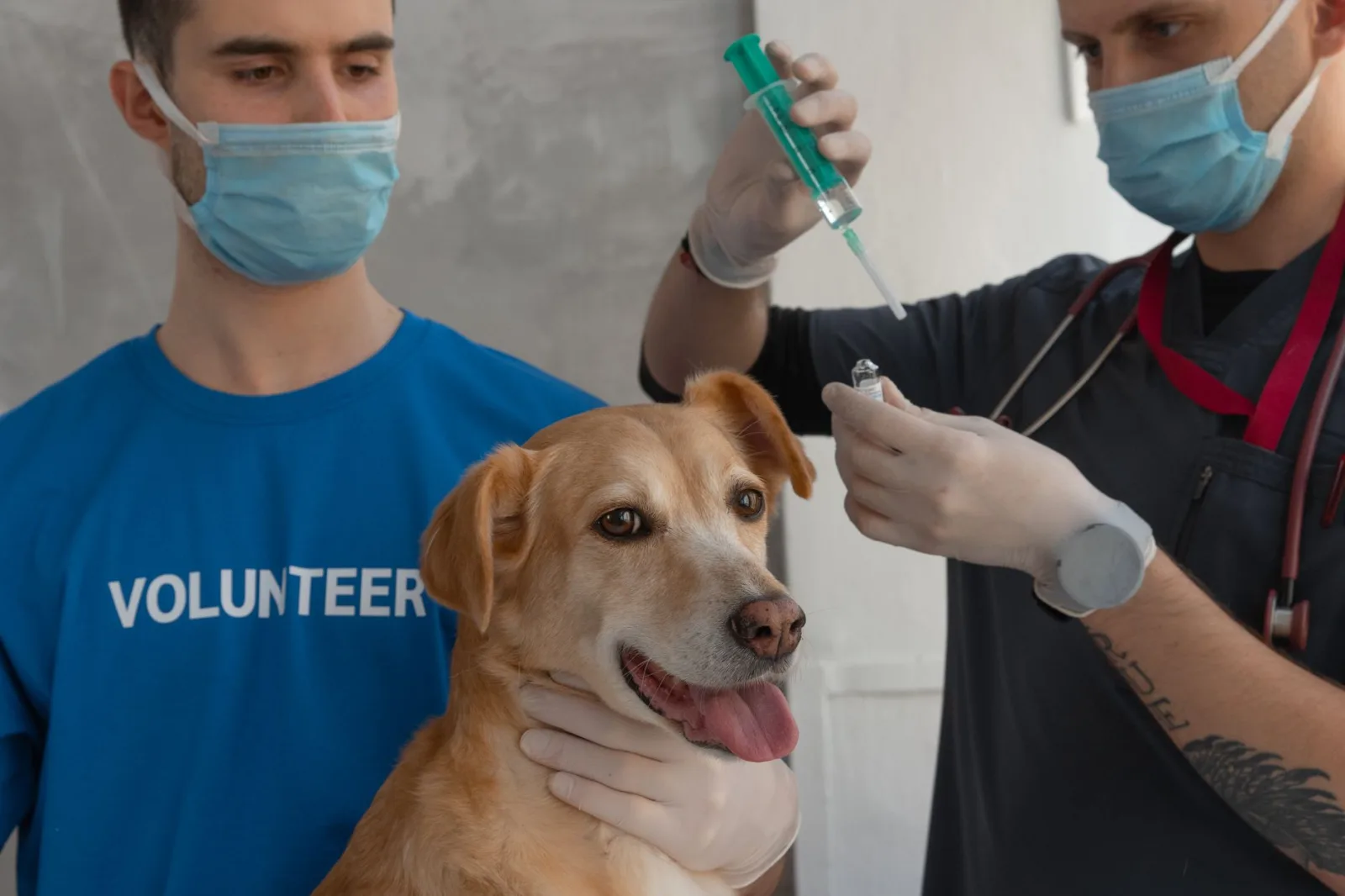
Always. Even if your dog seems to recover, get them seen the same day. Bloodwork and IV fluids can prevent the delayed organ damage that heatstroke is famous for. Call ahead so the clinic can prepare a cooling station.
Prevention is much easier
Walk before 7 a.m. and after 8 p.m. in Indian summers. Press the back of your hand to the pavement for seven seconds — if you can't hold it, the dog's paws can't either. Carry a collapsible bowl. Never leave a dog in a car, even with windows cracked — internal temperatures can hit 50°C within fifteen minutes.