India is home to the "Big Four" venomous snakes: cobra, common krait, Russell's viper, and saw-scaled viper. Together they cause the majority of envenomations in dogs. A bite from any of them is life-threatening within hours.
What a bite looks like
Two puncture wounds are not always visible — fur hides them. Swelling around the muzzle or paw, sudden collapse, drooling, dilated pupils, or weakness in the back legs are all signs. A non-venomous bite causes only local pain and minor swelling.
Keep them still
The single most important thing after a bite is to slow the venom's spread. Movement pumps it through the lymphatic system. Carry the dog if you can. Don't let them walk to the car if it can be avoided. Lay them on their side with the bite below heart level if possible.
What not to do
Do not cut the wound or try to suck venom out. Do not apply a tight tourniquet — modern snake-bite protocol uses pressure immobilisation, not tourniquets. Do not give aspirin or other painkillers. Do not waste time looking for the snake; the vet treats based on symptoms.
Get to a vet with anti-venom
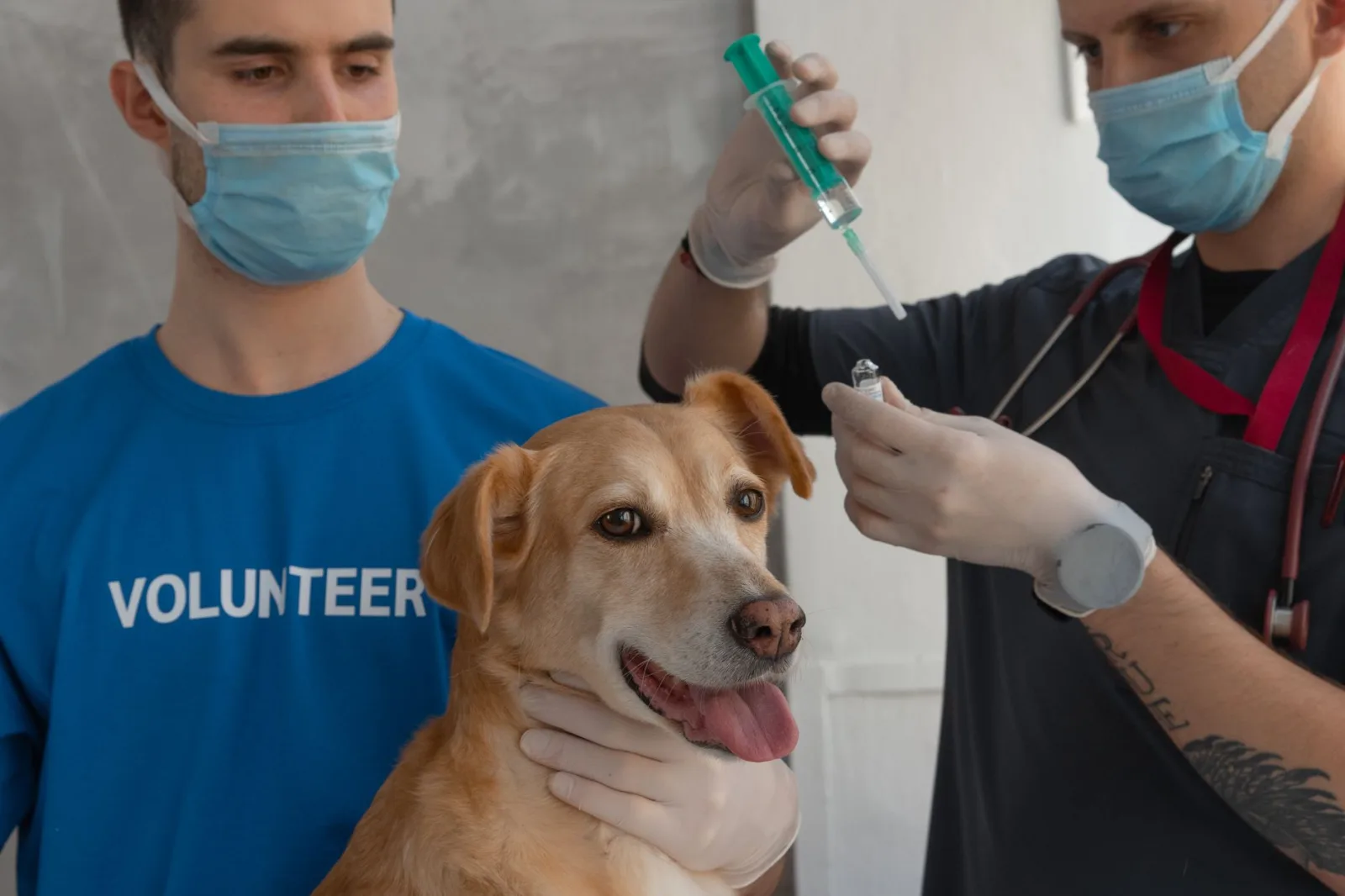
Not every clinic stocks polyvalent anti-venom. Before monsoon season, ring around and find which clinic nearest you keeps it. Save that number. Hospitals also keep human anti-venom, which is used off-label for dogs when veterinary stock isn't available — emergency hospitals are sometimes faster than the nearest pet clinic.
Reducing risk in the first place
Keep the lawn short. Clear piles of leaves, bricks, and firewood. Don't let dogs nose around in the dark monsoon evenings without a leash and a torch. Train a reliable recall so a dog who sees movement in the grass can be called away before they investigate.