Bengal
An athletic hybrid-origin domestic cat breed known for a wild-looking coat, high intelligence, and energetic play.
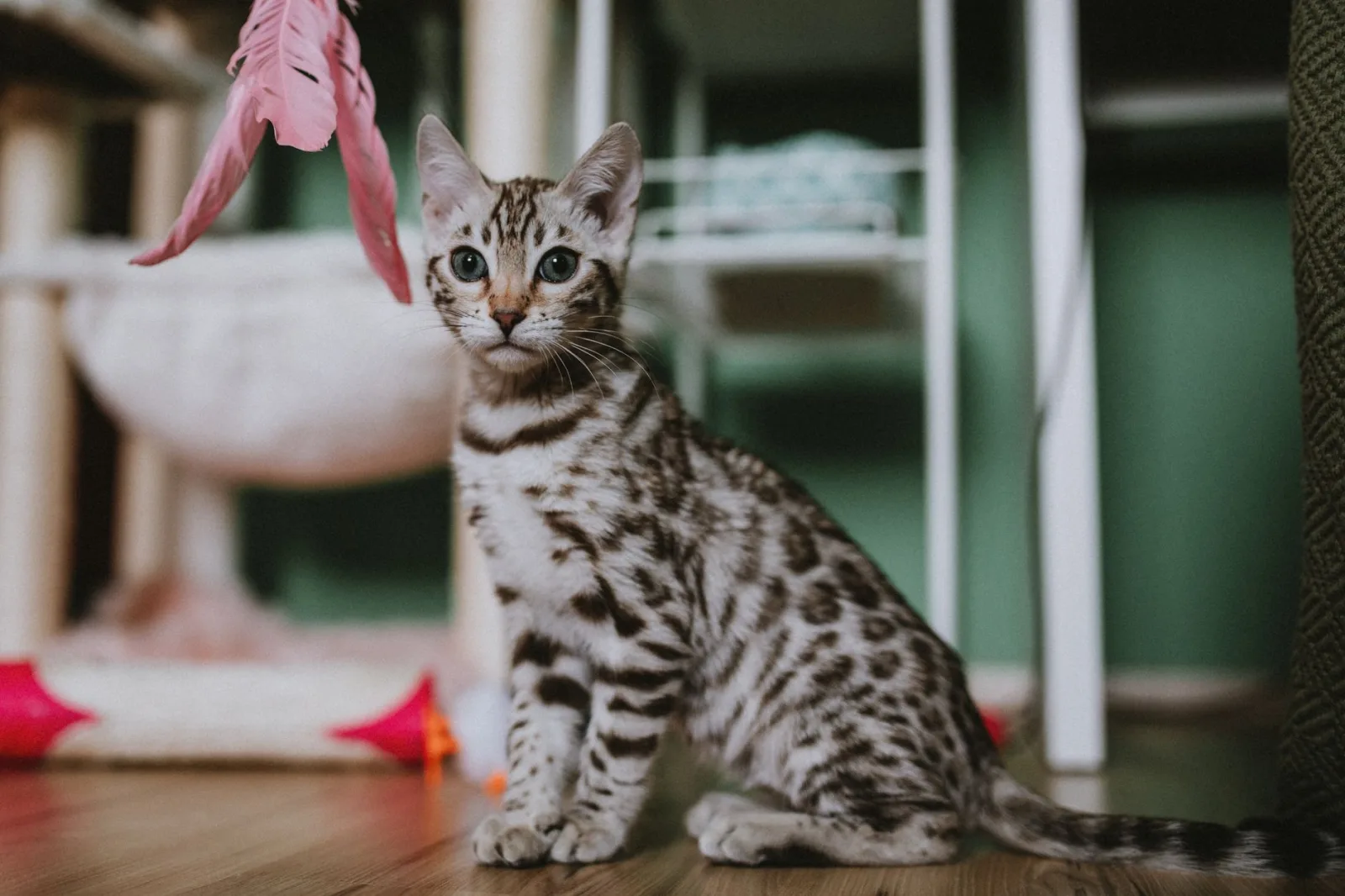
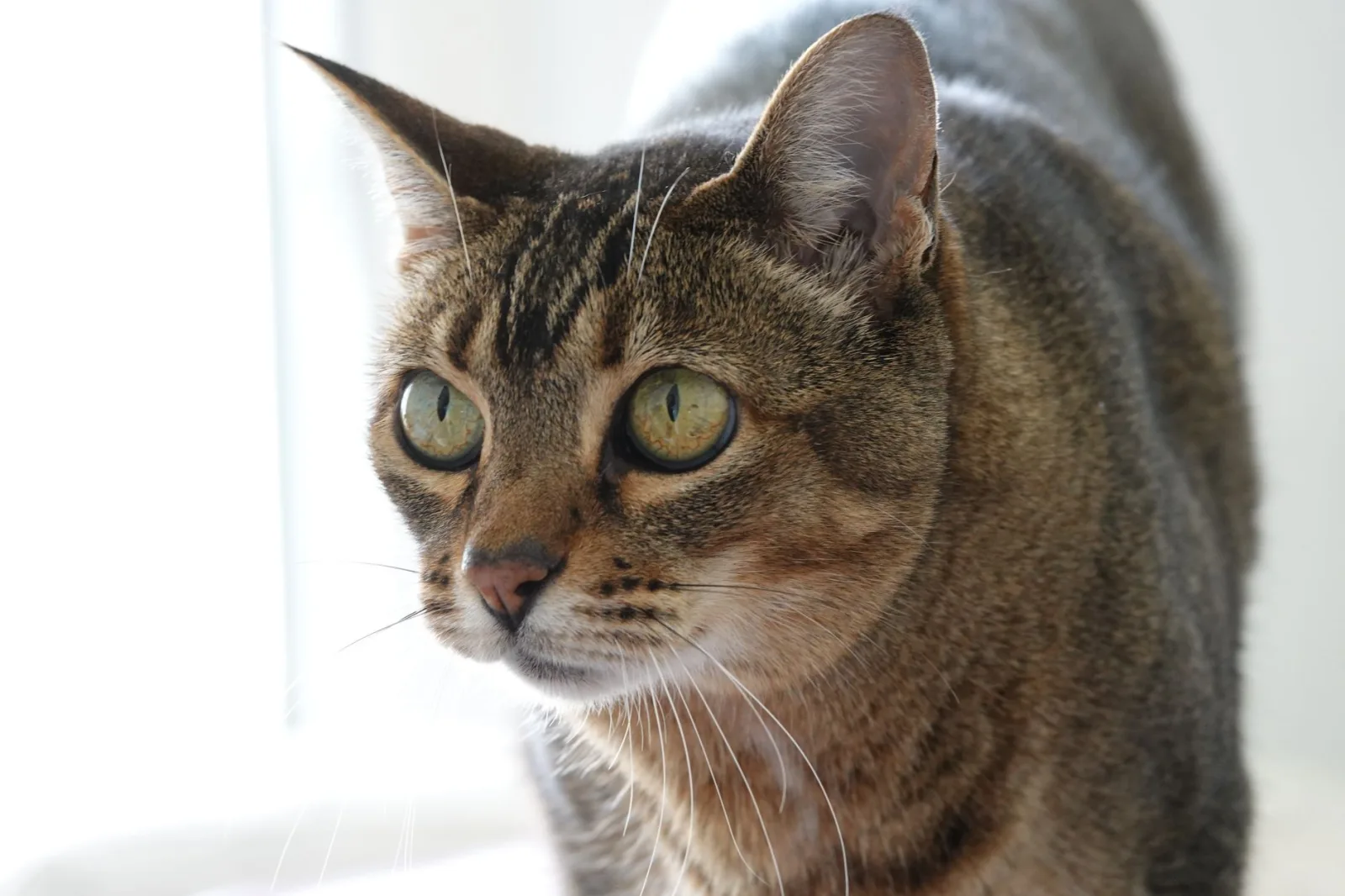
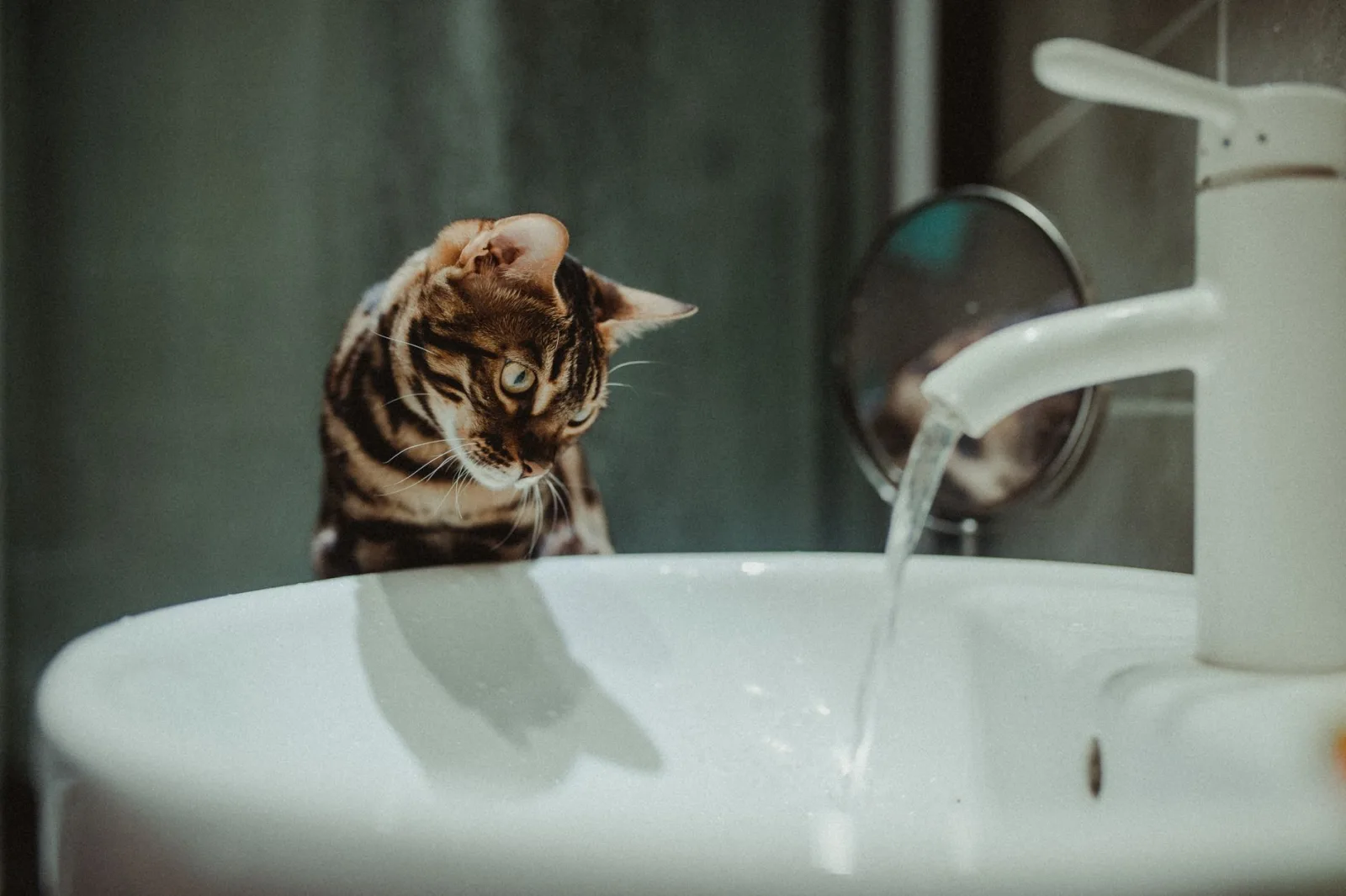
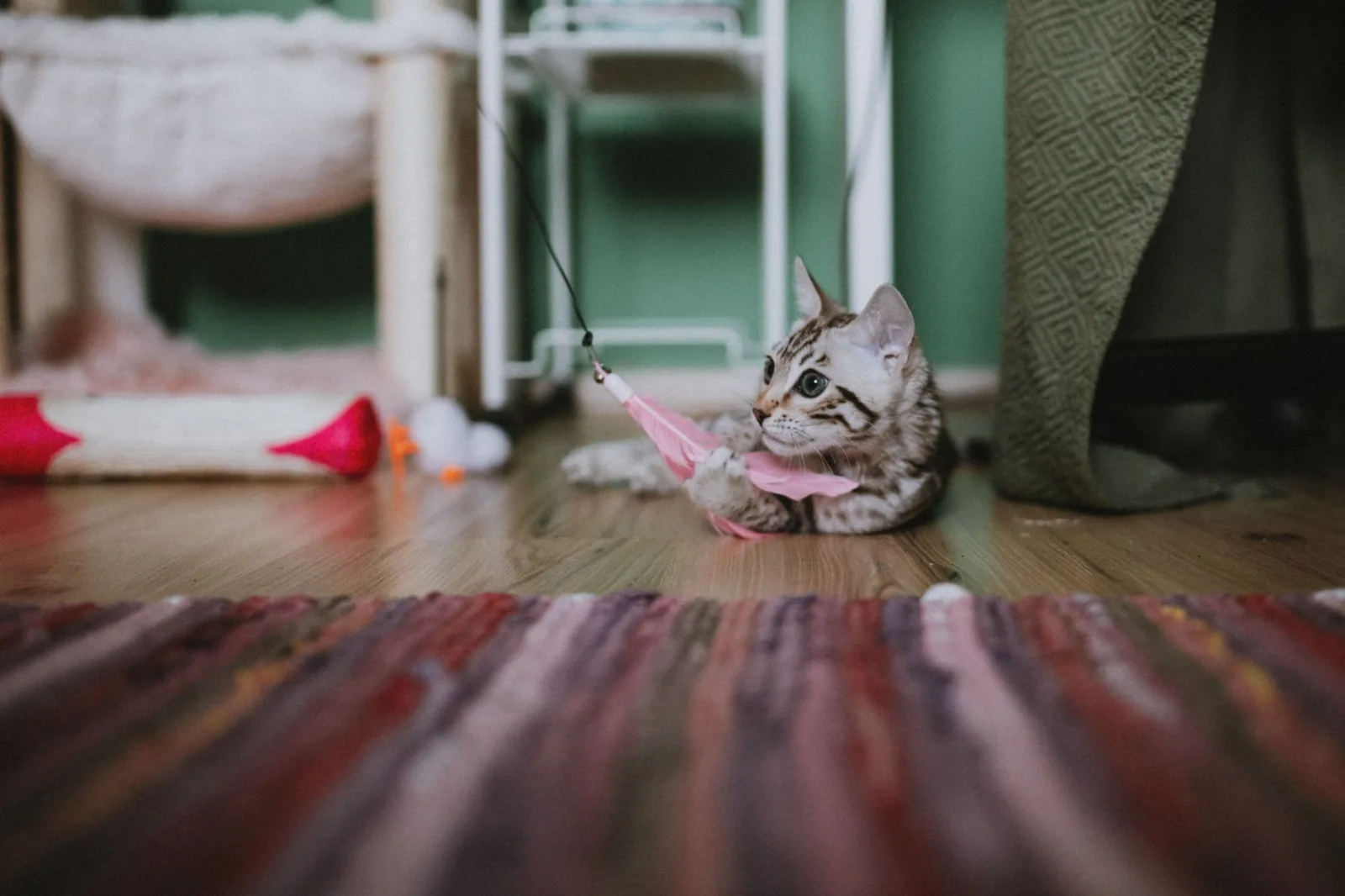
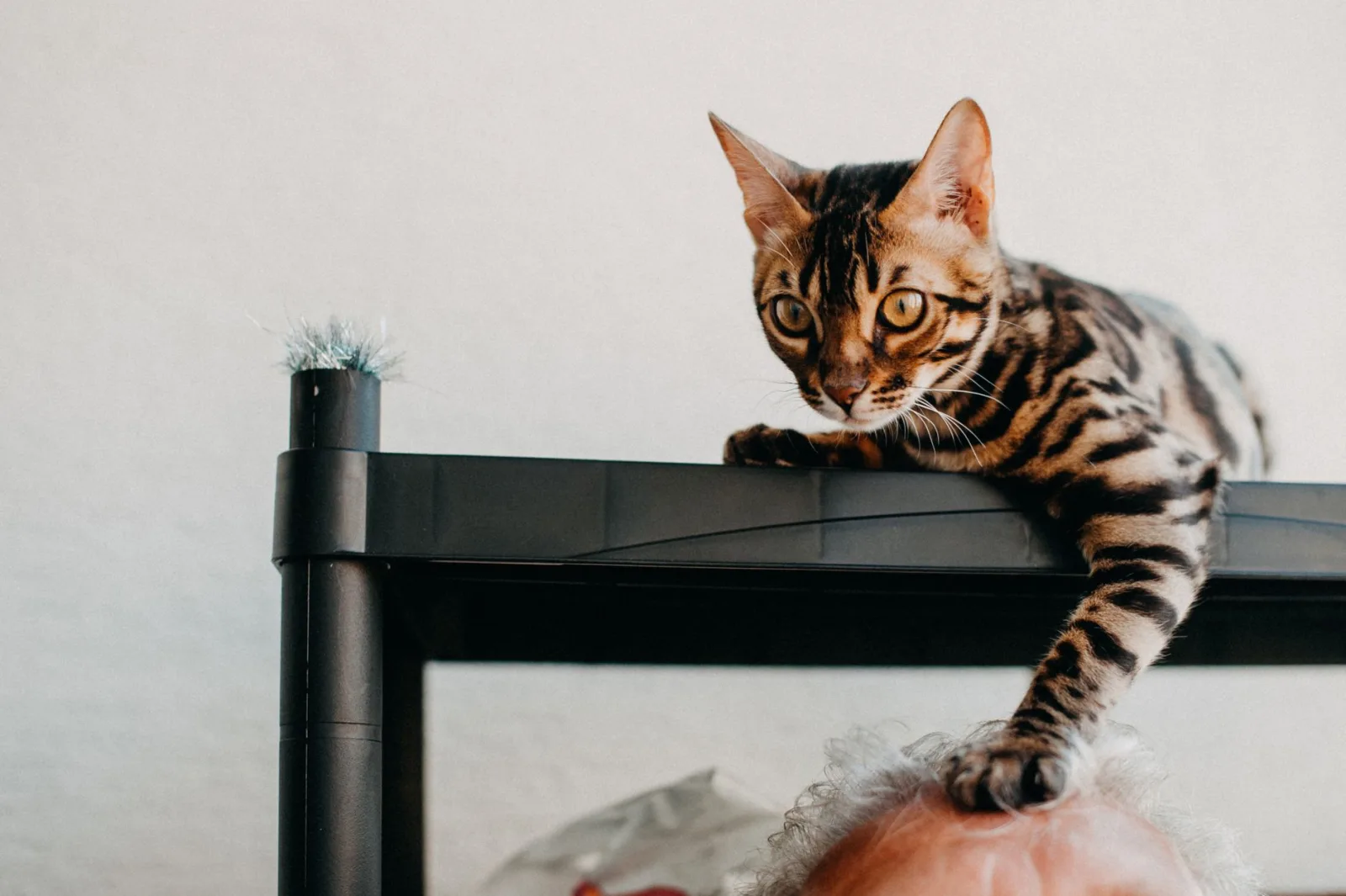
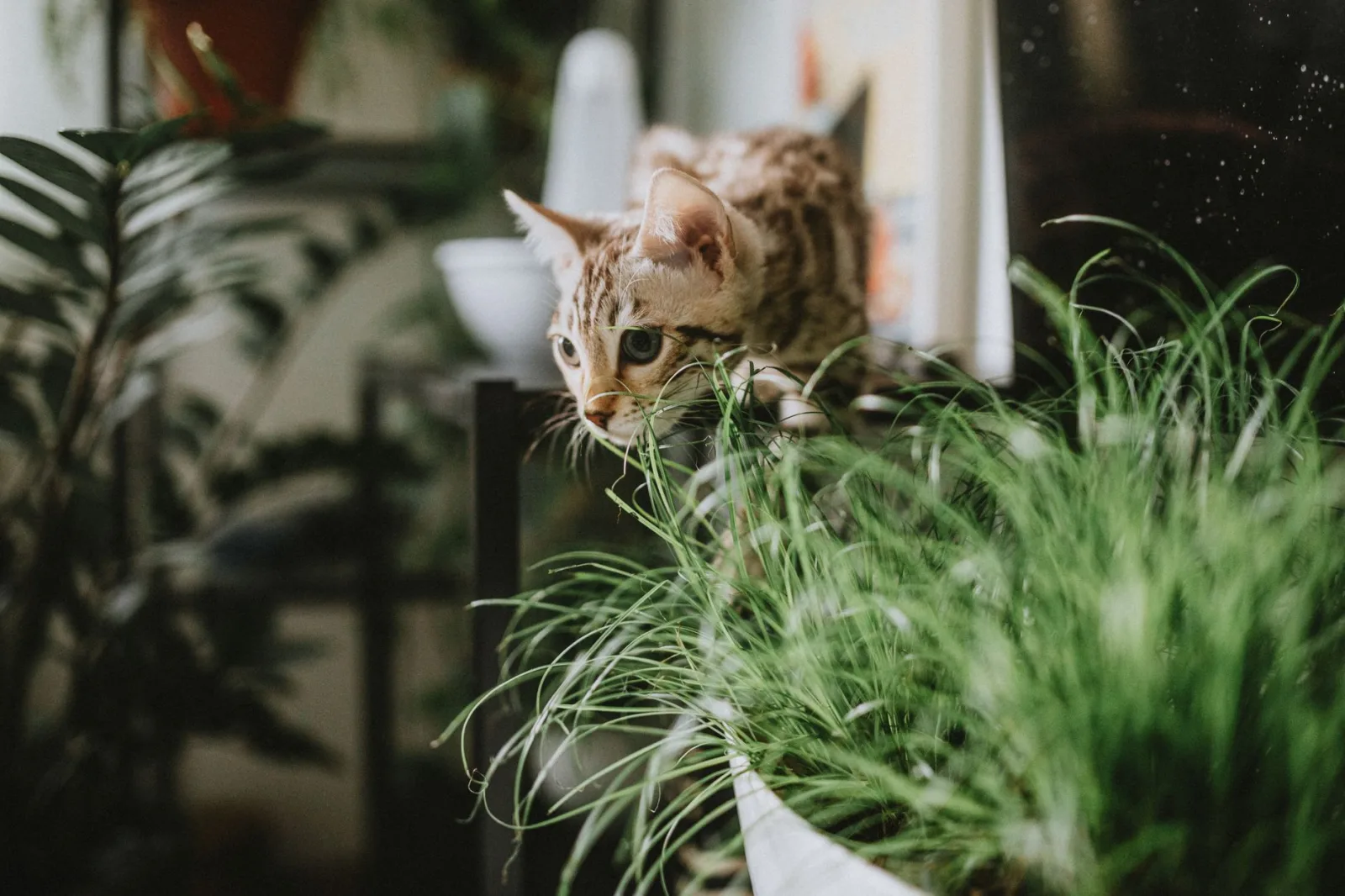
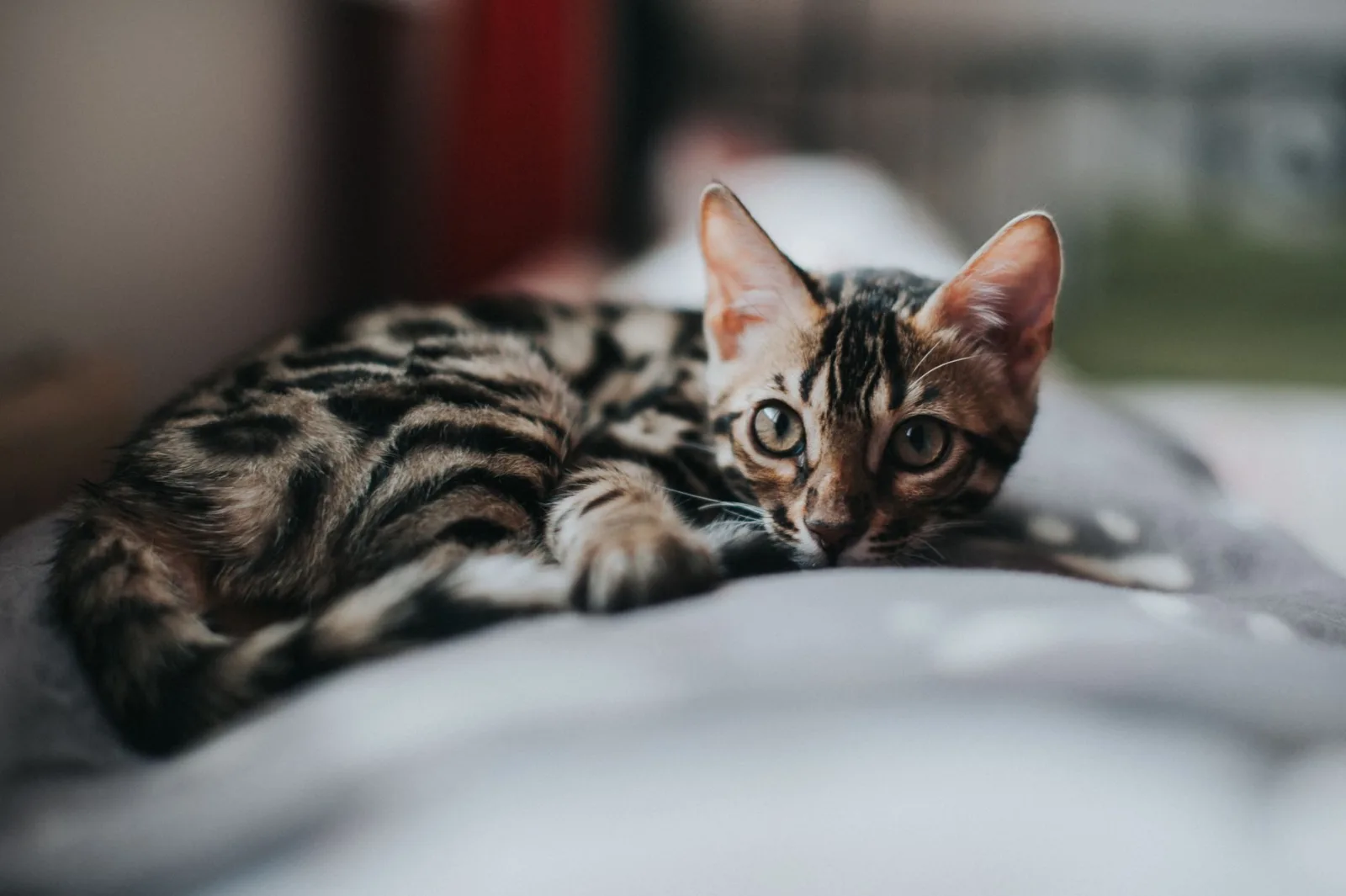
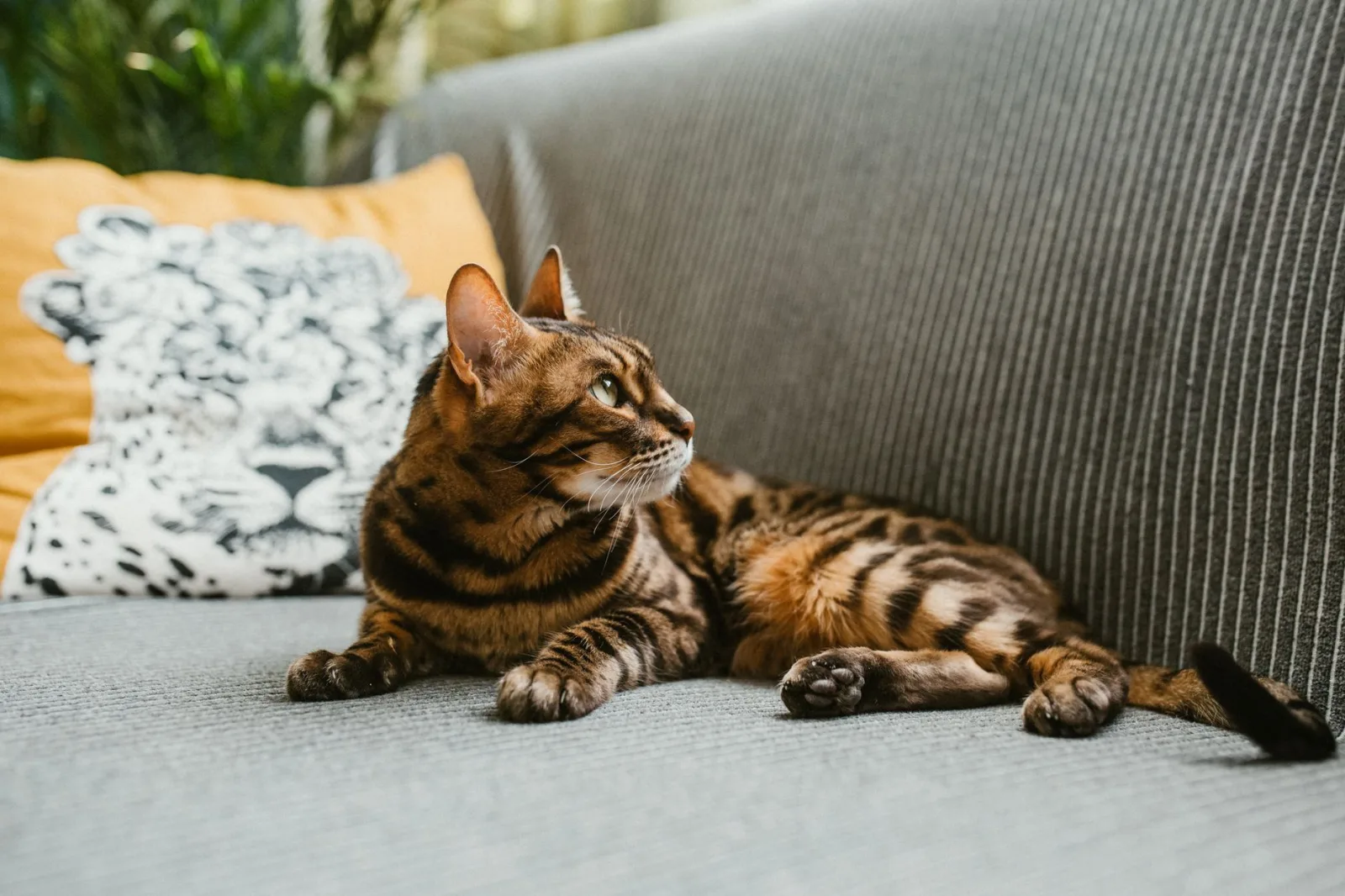
Every Bengal profile blends practical care notes, breed traits, and everyday living guidance.
Breed Levels
How well this breed aligns with lifestyle factors.
Characteristics
Key traits that define this breed.
Appearance
Physical traits and distinctive features of this breed.
Individual pets may vary in appearance, temperament and needs. Early training, proper care and socialization help bring out the best in every companion.
Bengal Cat Breed Overview
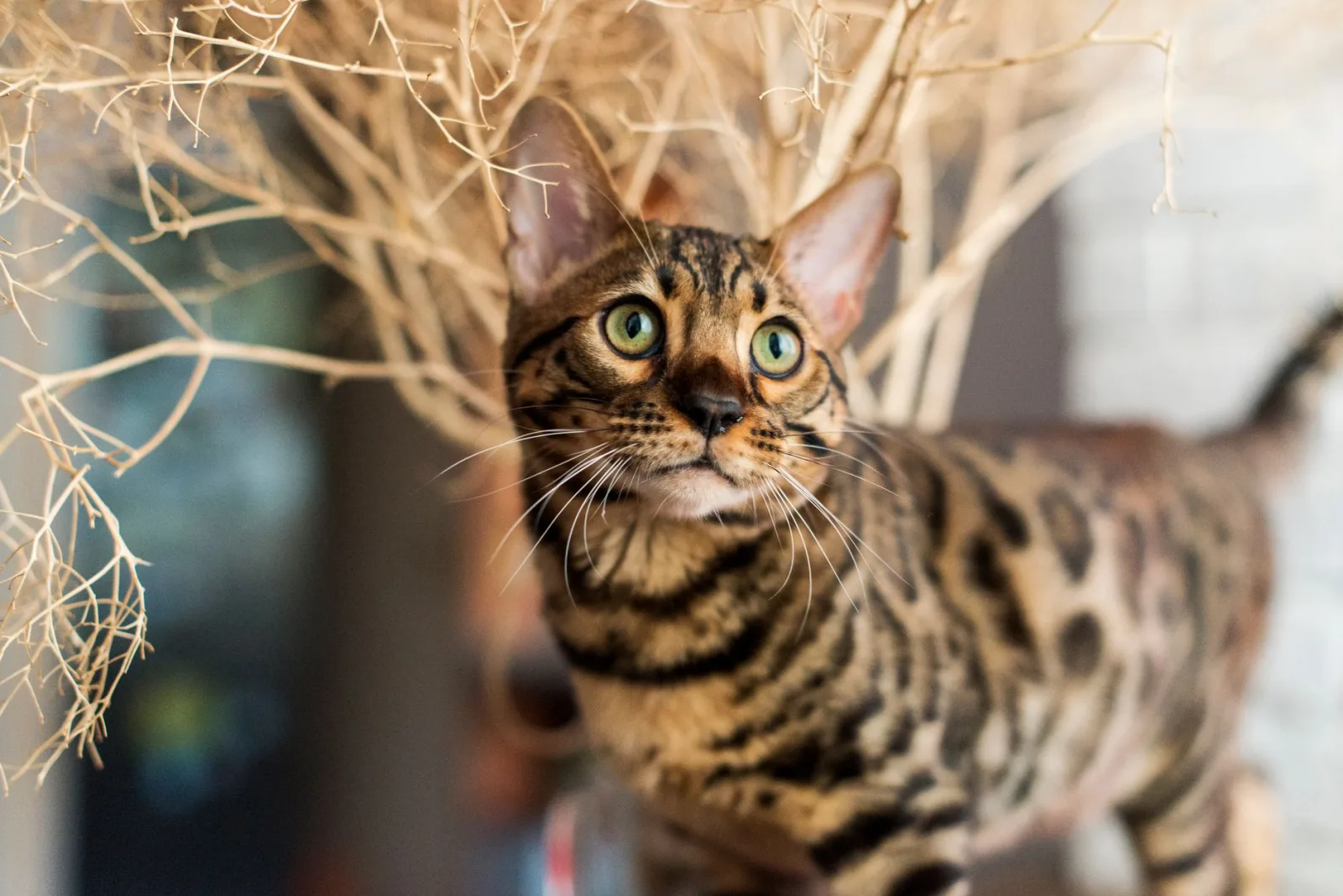
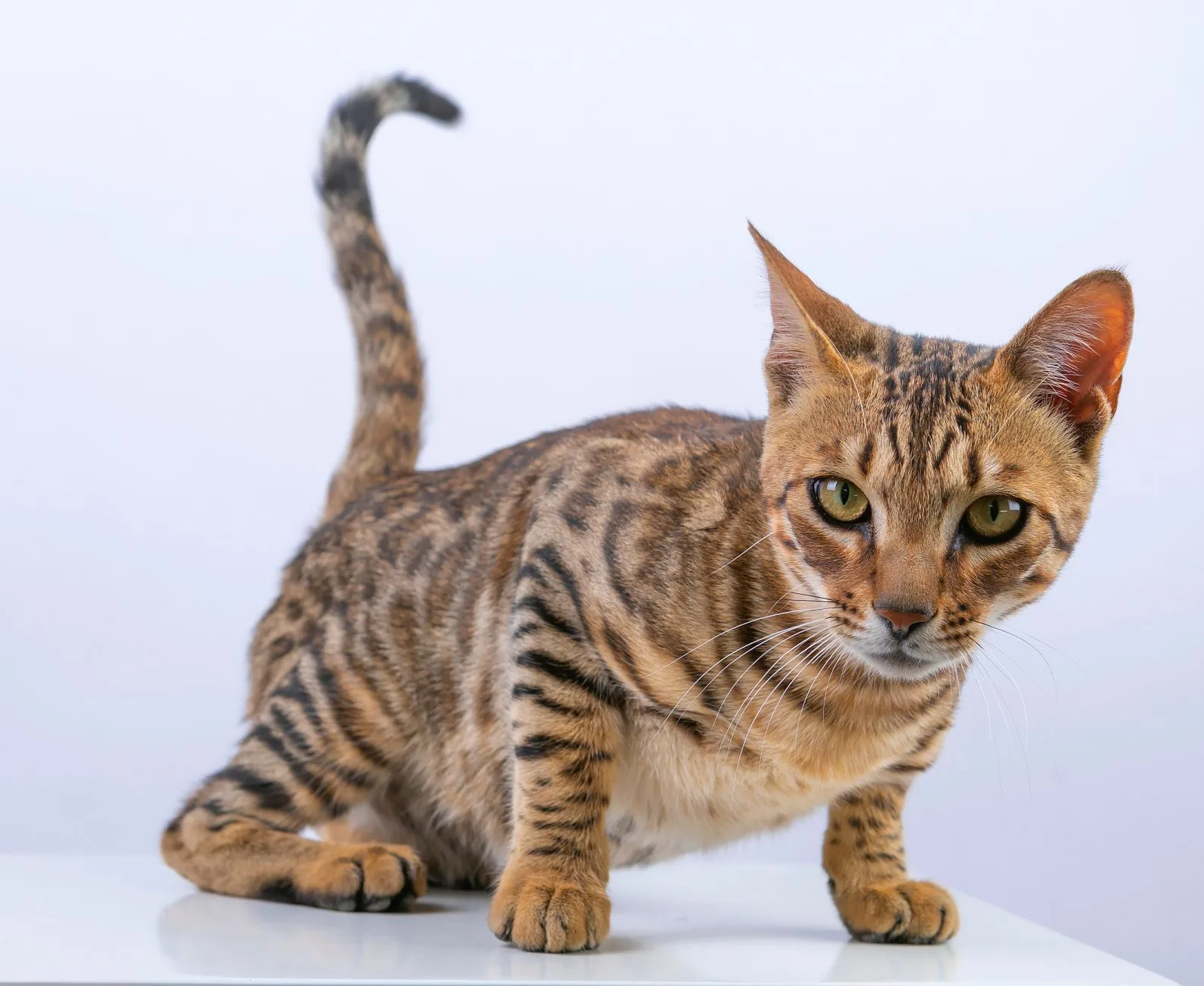
The Bengal is a striking domestic cat developed in the United States that wears the look of a miniature jungle dweller while behaving like a devoted household companion. Prized for a glittering, wildly patterned coat and an almost relentless zest for life, the breed pairs exotic good looks with the affection of a true family pet. Owners can expect a typical lifespan of 10 to 16 years, an adult weight ranging from 3.6 to 7.7 kg, and a lean, muscular frame standing roughly 33 to 41 cm tall. The temperament is best summed up in four words: inquisitive, spirited, loving, and athletic.
Wild Roots and a Pioneering Breeder
Few breeds carry such a literal connection to the wild. The Bengal traces back to deliberate crosses between domestic cats and the small spotted Asian leopard cat, a project championed in the 1960s and refined through the 1980s by breeder Jean Mill, whose vision was to capture the beauty of a wild feline in a gentle pet. Today fanciers use generational labels to track that heritage: an F1 is the first offspring of a wild-to-domestic pairing, with F2, F3, and F4 marking each step further removed. Cats from the F4 generation onward are widely regarded as fully domestic, and that distinction matters legally - some regions restrict or ban ownership of early generation hybrids, so prospective owners should always confirm local rules before bringing one home.
That Unmistakable Glittered Coat
The Bengal's pelt is its signature feature. Markings appear in two main expressions:
- Spotted or rosetted, where dark spots open into ring-like rosettes reminiscent of a leopard
- Marbled, a swirling horizontal pattern unlike the bullseye of an ordinary tabby
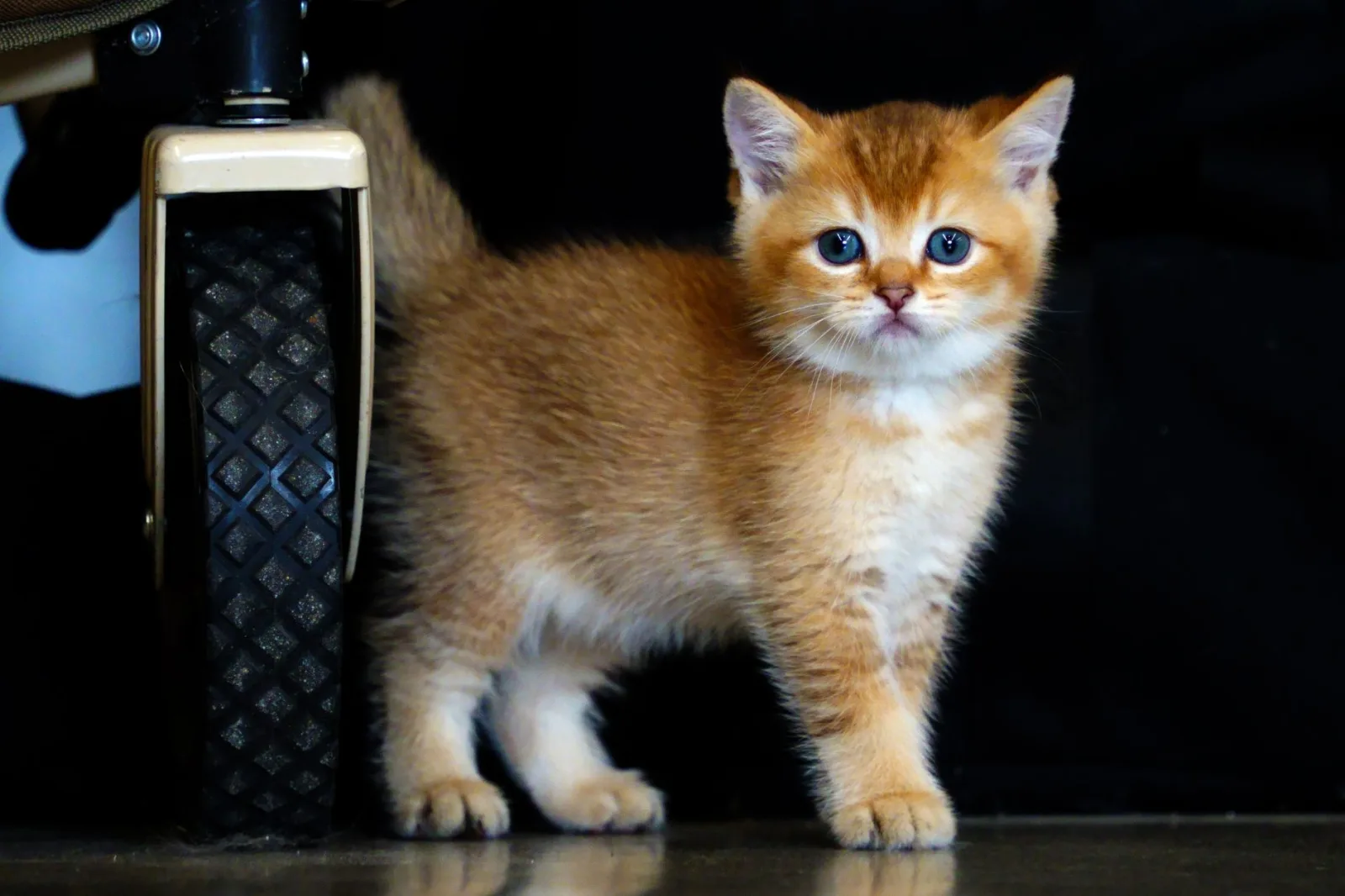
Many individuals also carry a remarkable trait called glitter, a translucent shimmer in the hair shaft that makes the coat appear dusted with gold in sunlight. The fur is short, dense, and pleasingly soft to the touch.
High Energy, Sharp Mind, and a Love of Water
This is not a cat content to nap the day away. Bengals are intensely curious and physically driven, and they thrive when given puzzles, fetch sessions, tall climbing trees, and plenty of vertical territory to patrol. A bored Bengal will invent its own entertainment, often by opening cupboards or dabbling paws in any available water - many genuinely enjoy splashing in sinks, fountains, or even the shower. They take readily to harness and leash training, making supervised outdoor walks a rewarding outlet for their energy.
Care and Grooming
Maintenance is refreshingly simple. The short coat needs only occasional brushing to stay sleek, and the breed sheds modestly. The real commitment is mental and physical stimulation rather than coat care, so budget time for daily interactive play.
Health Considerations
Bengals are generally robust, but responsible buyers should be aware of a few inherited concerns:
- Hypertrophic cardiomyopathy (HCM), a thickening of the heart muscle
- Progressive retinal atrophy, a degenerative eye condition that can lead to vision loss
Choosing a breeder who screens their lines and scheduling regular veterinary checkups gives a Bengal the best chance at a long, vigorous life.