Cornish Rex
A playful, active cat breed from Cornwall known for its soft wavy coat and athletic build.
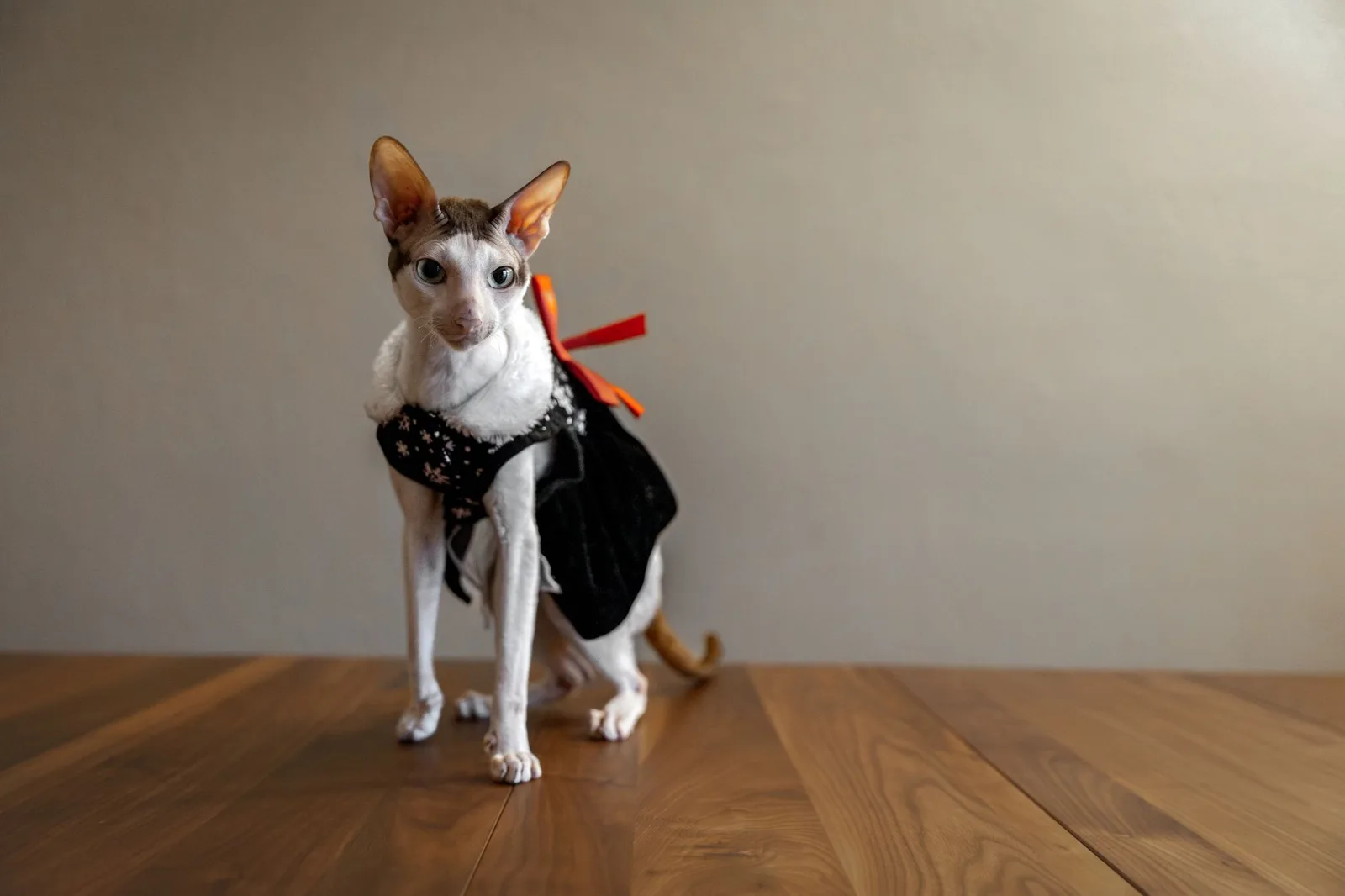
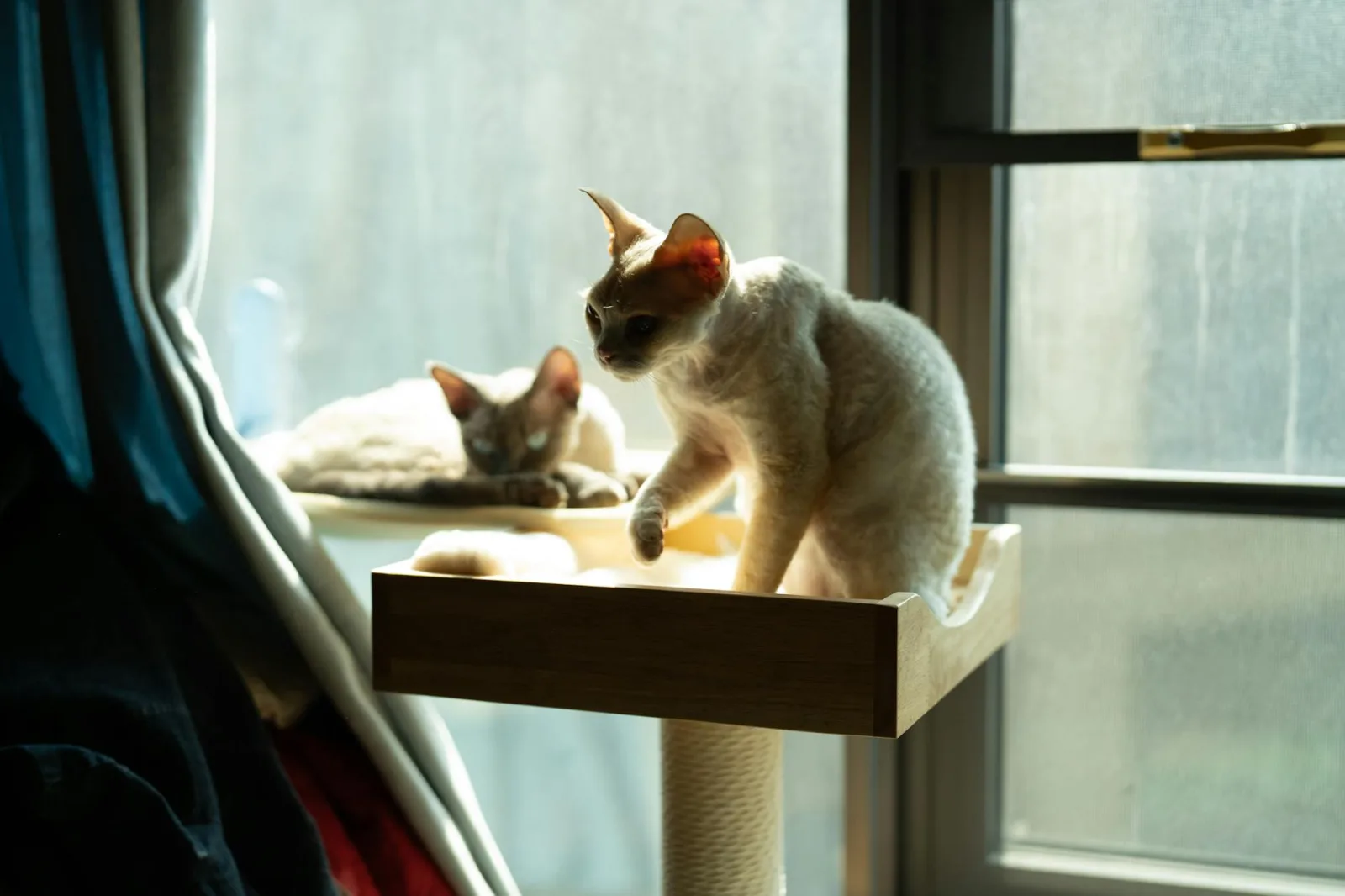
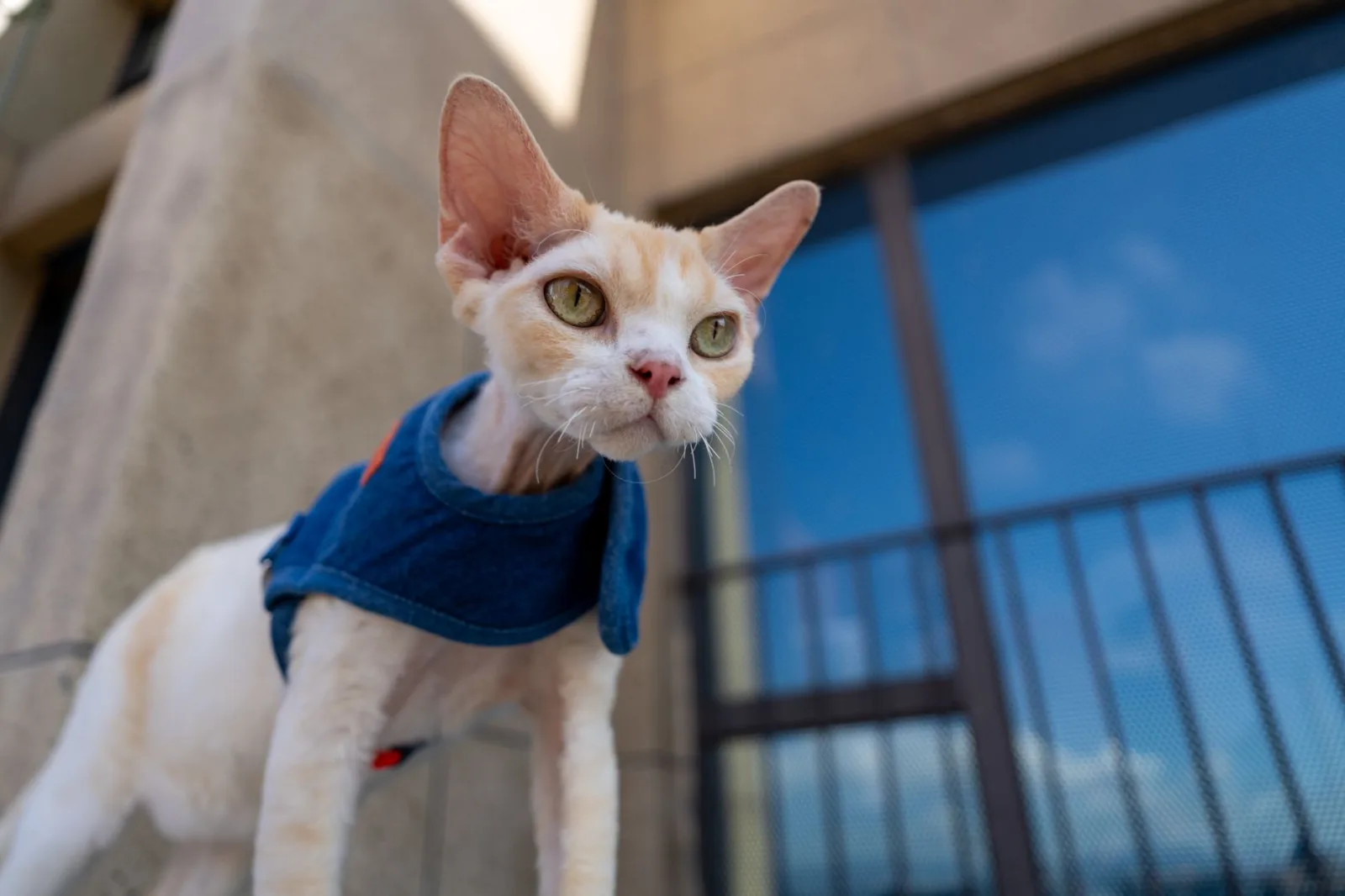
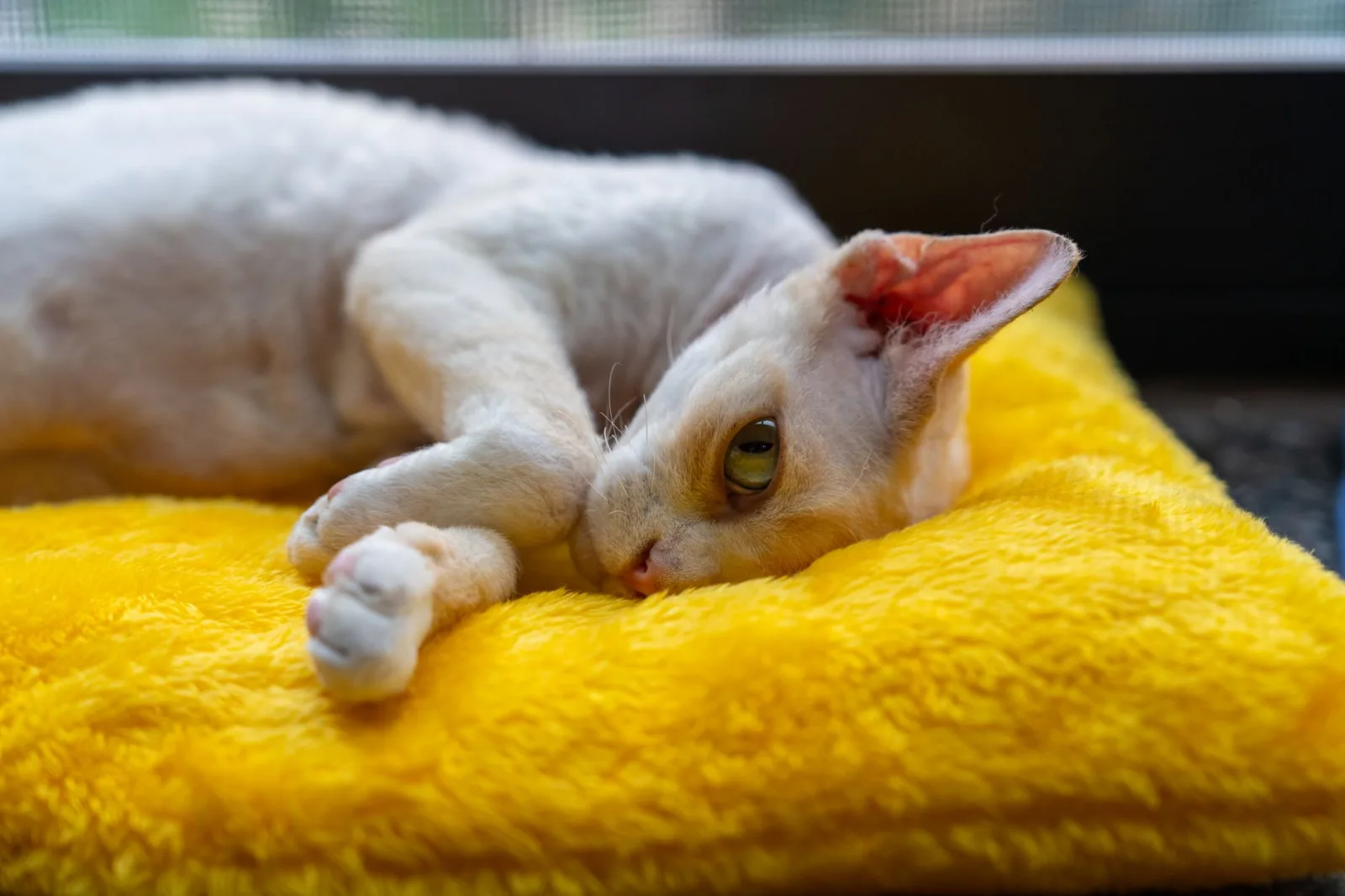
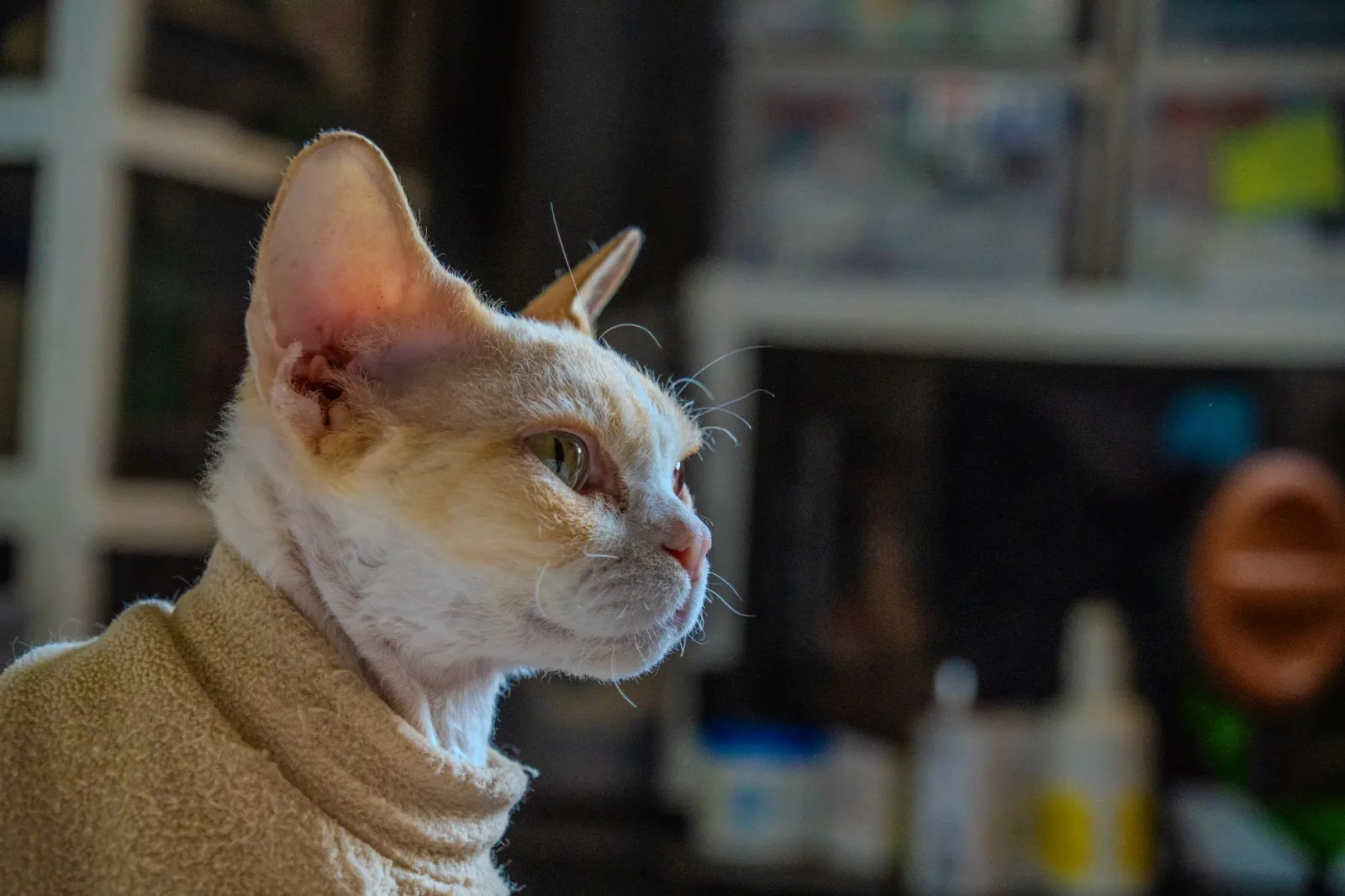
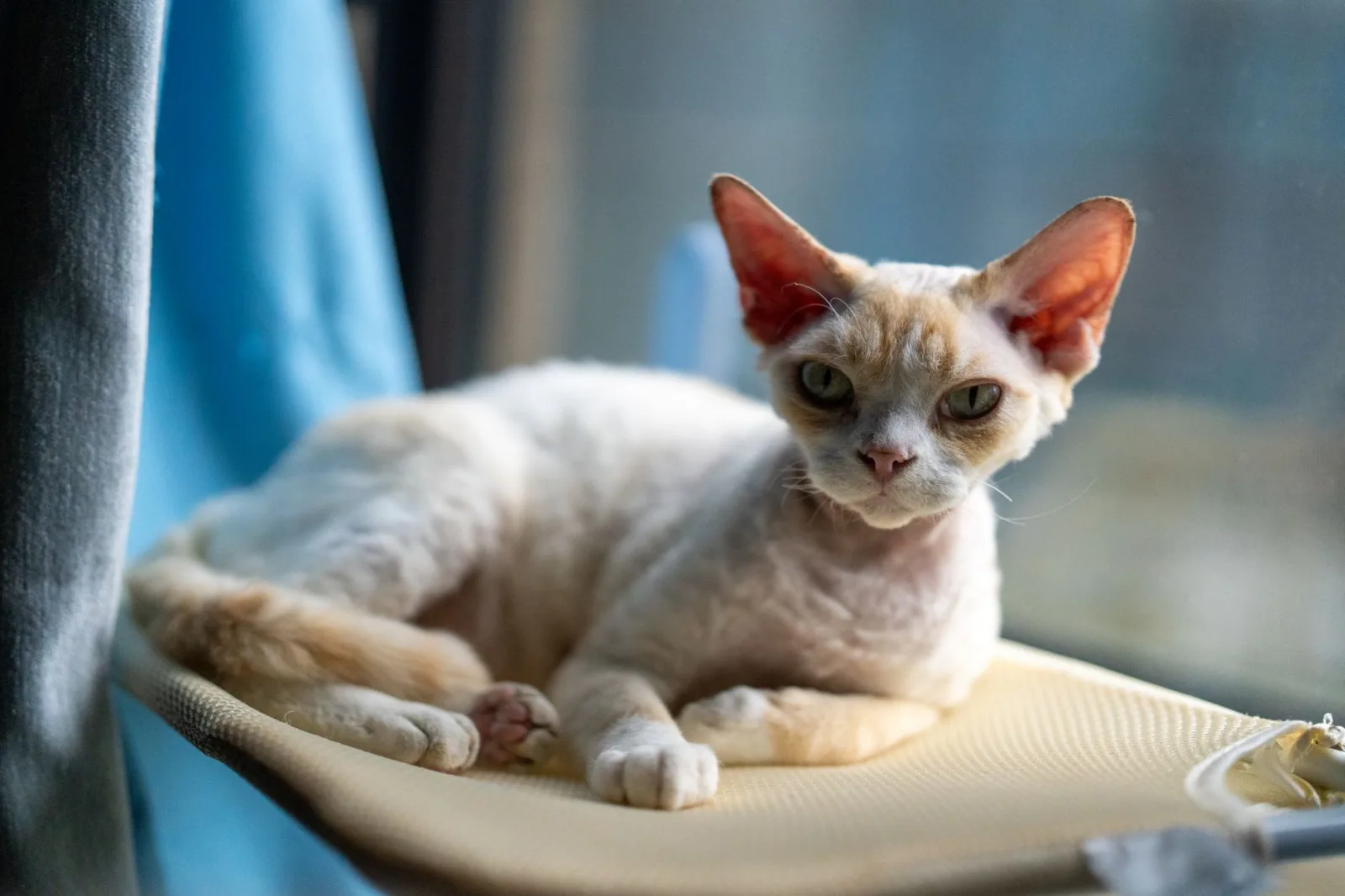
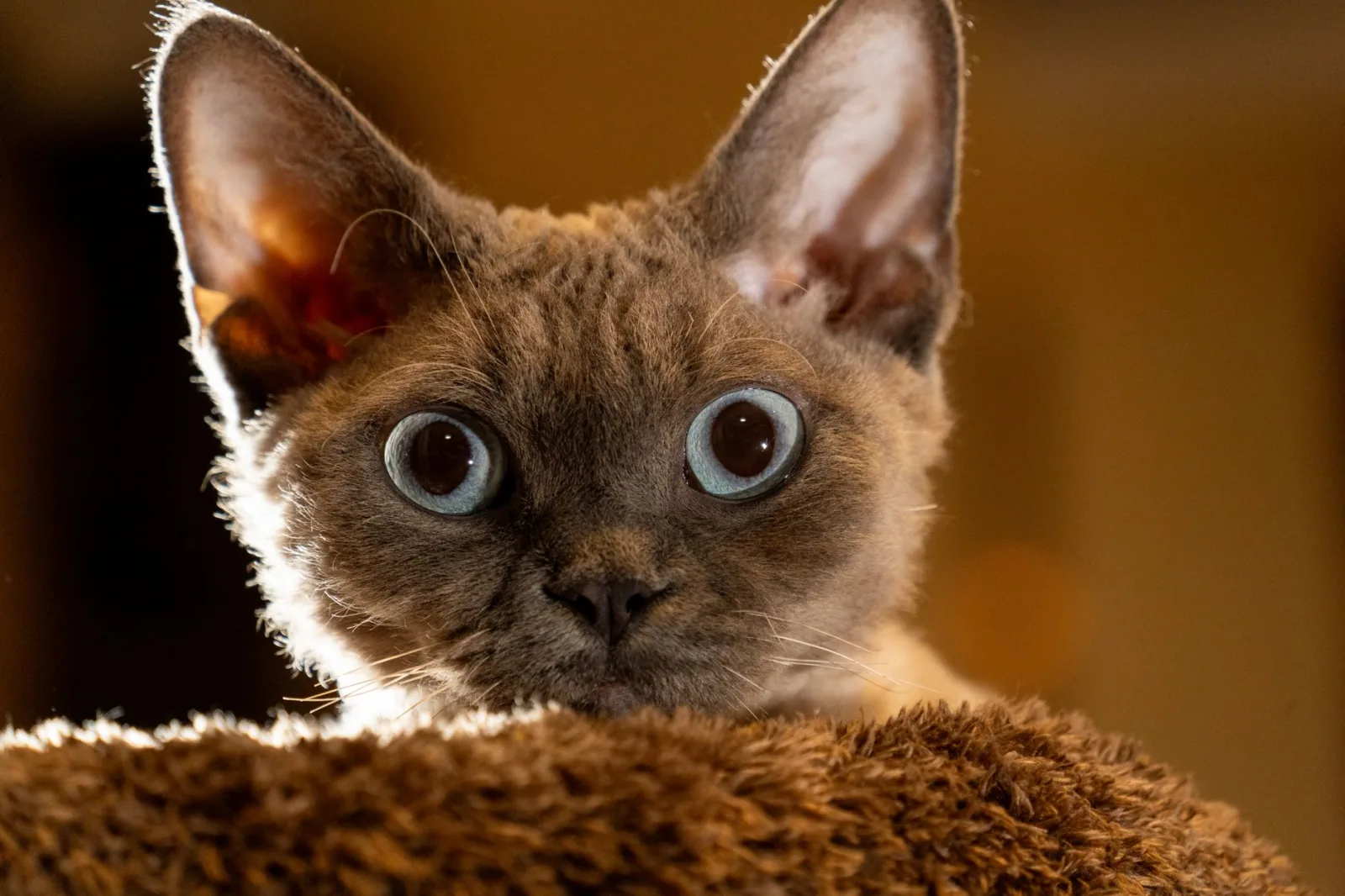
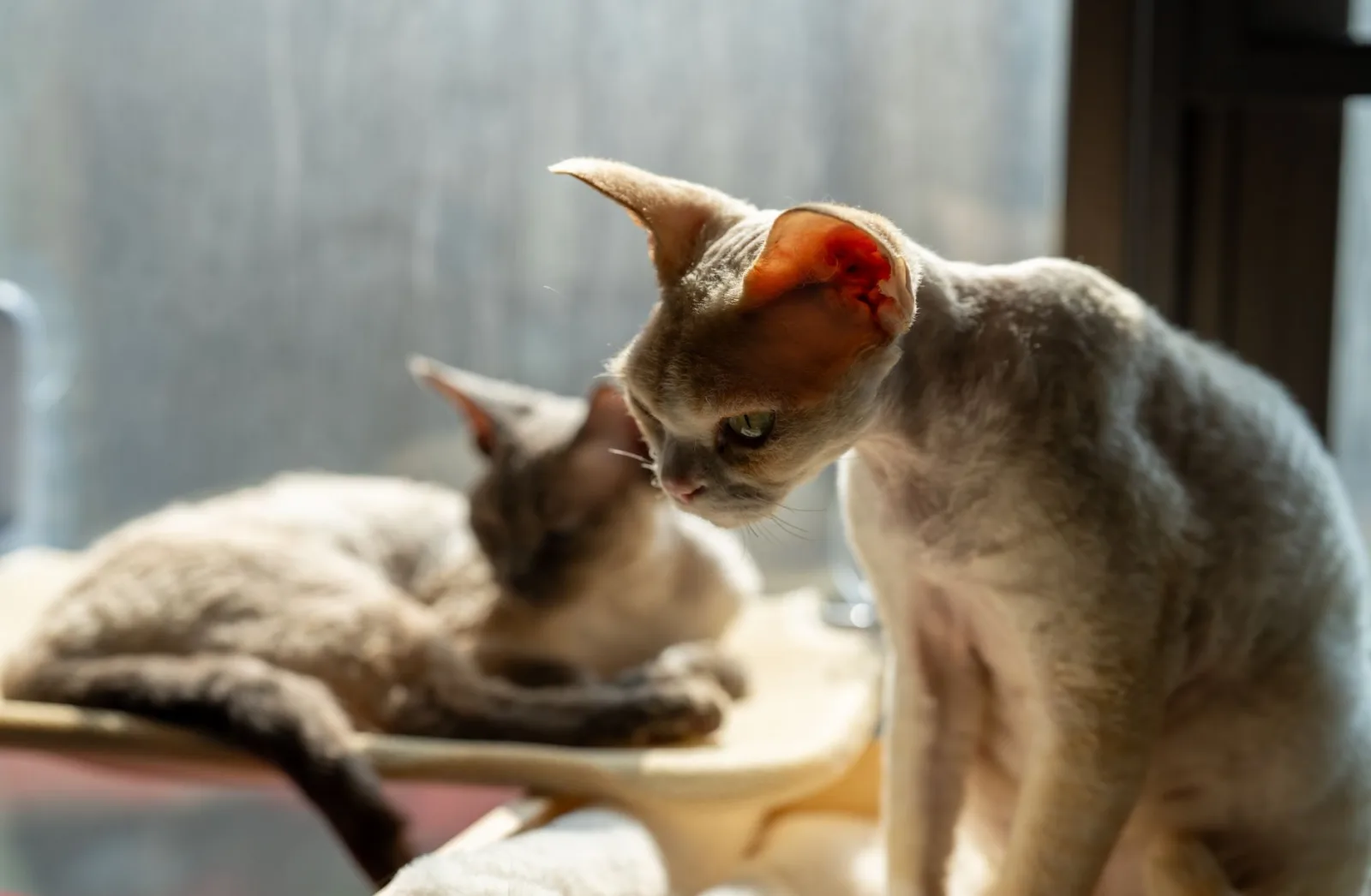
Every Cornish Rex profile blends practical care notes, breed traits, and everyday living guidance.
Breed Levels
How well this breed aligns with lifestyle factors.
Characteristics
Key traits that define this breed.
Appearance
Physical traits and distinctive features of this breed.
Individual pets may vary in appearance, temperament and needs. Early training, proper care and socialization help bring out the best in every companion.
Cornish Rex Overview
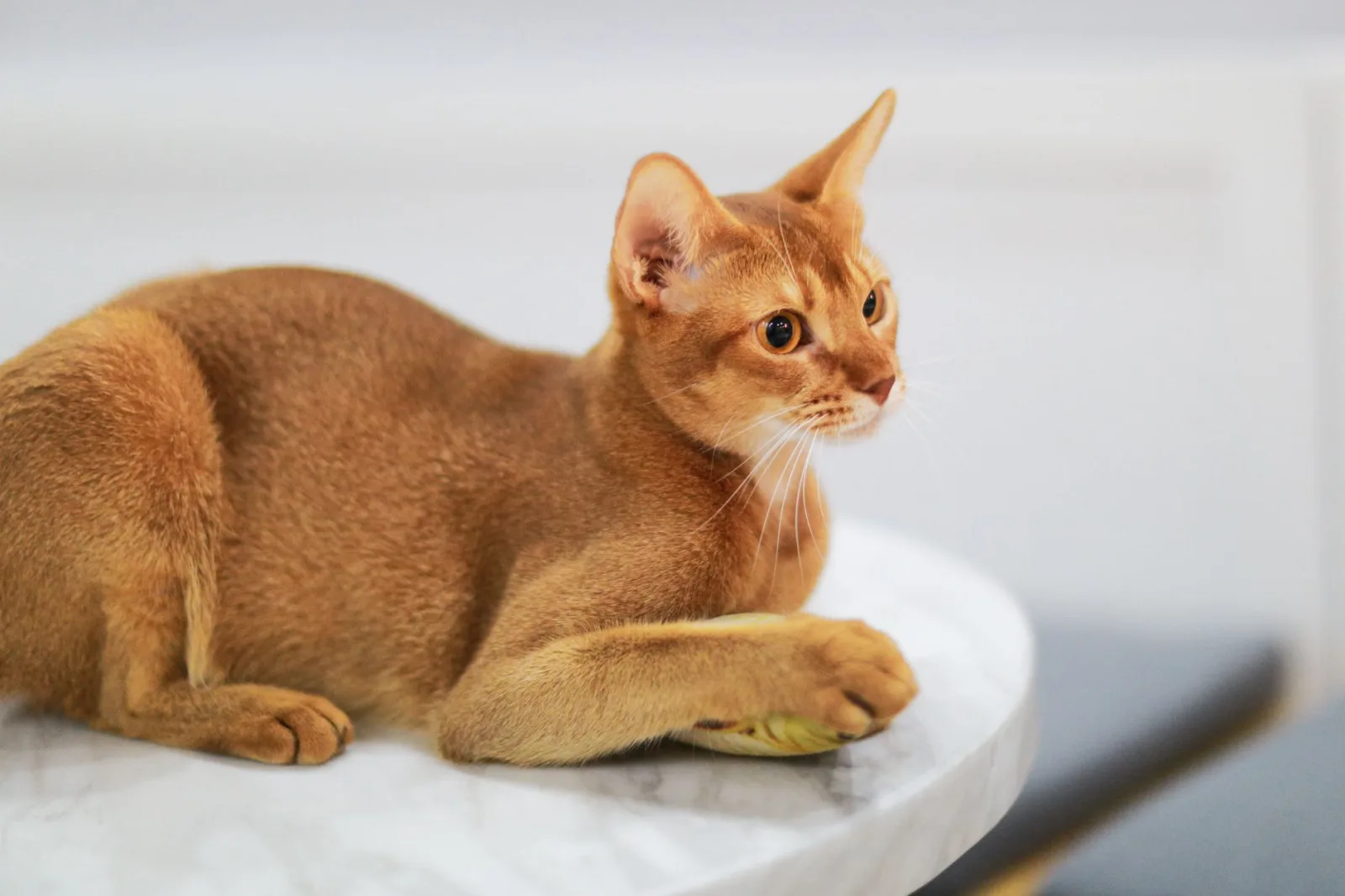
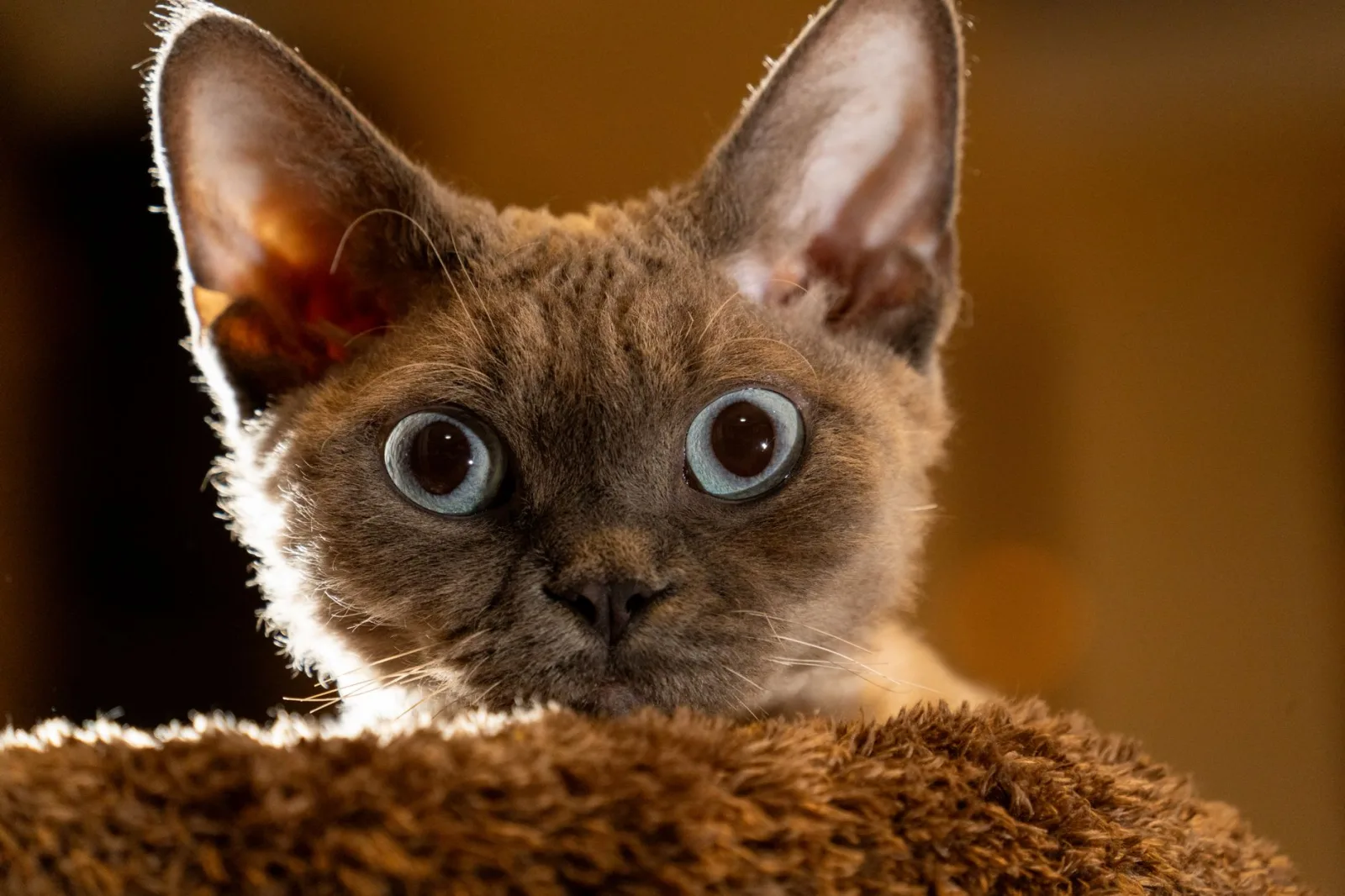
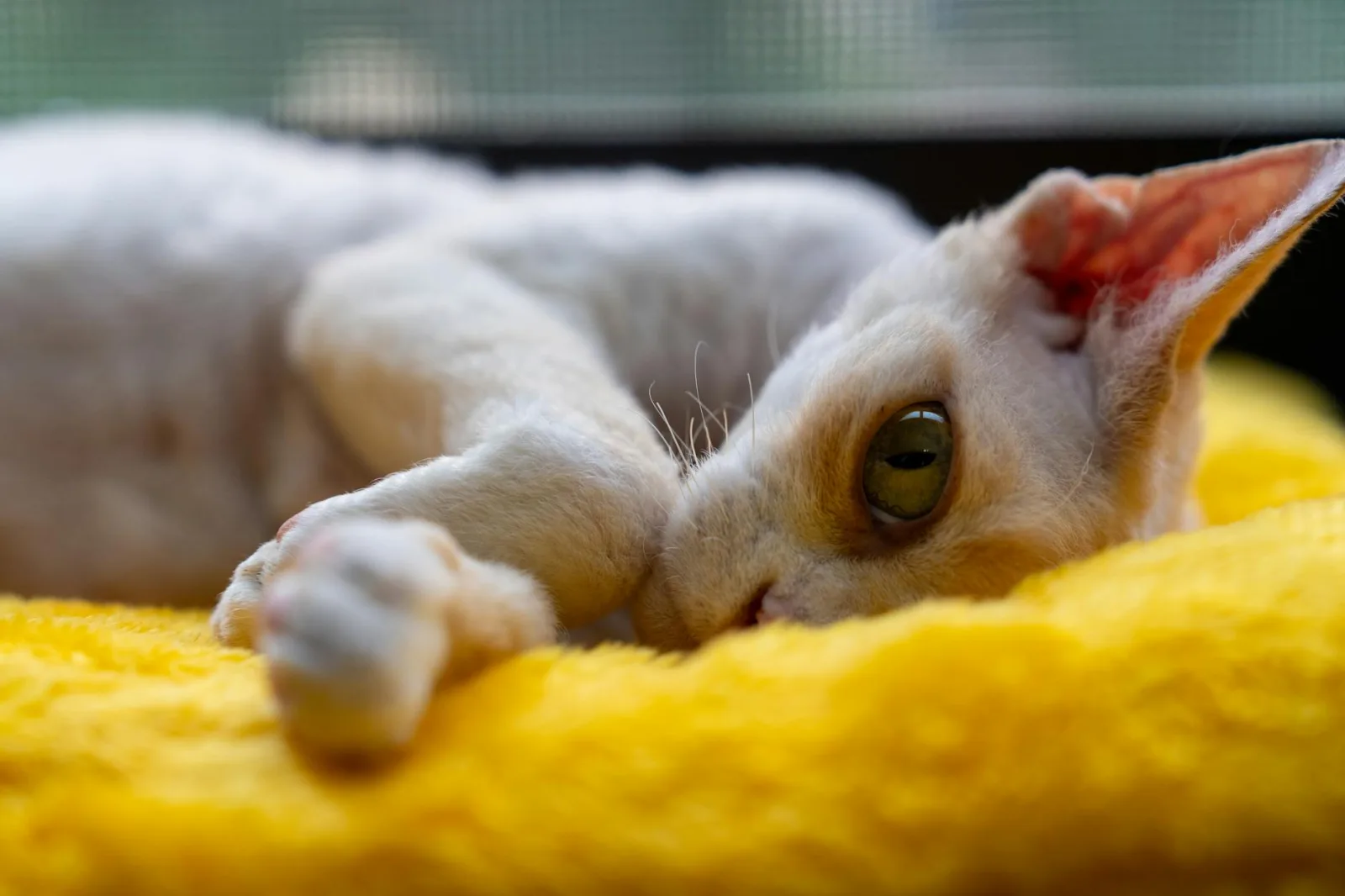
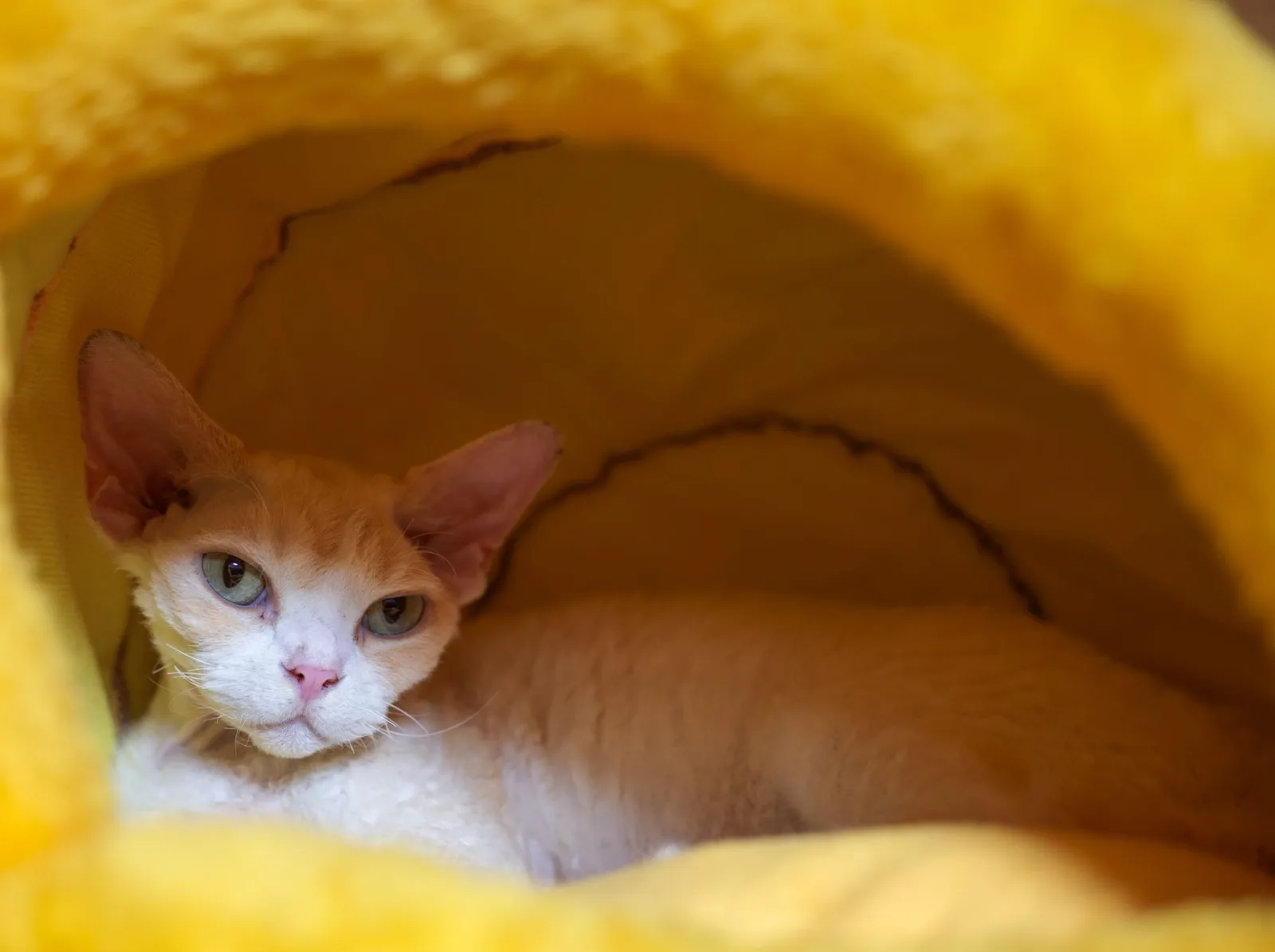
Few cats turn heads quite like the Cornish Rex. With a coat that feels like crushed velvet, a slender greyhound-style silhouette, and oversized ears that give it a perpetually curious expression, this is a breed built for both elegance and mischief. The Cornish Rex hails from the United Kingdom, originating on a farm in Cornwall, and typically shares 11 to 15 years of devoted companionship. Adults are petite and light, usually weighing between 2.5 and 4.5 kg and standing roughly 30 to 35 cm tall, yet they pack remarkable energy into that compact frame. Known for being active, social, playful, and genuinely clever, the Cornish Rex bonds tightly with its people and rarely outgrows its kittenish charm.
A Happy Accident in 1950s Cornwall
The story of this breed begins in 1950, when a barn cat in Cornwall, England gave birth to a litter that included one unusually curly-coated cream kitten. His owner, Nina Ennismore, noticed his rippled fur right away and named him Kallibunker. Rather than letting the quirk vanish, she bred him back to his mother, and the wavy coat reappeared in the next generation, confirming it as an inherited genetic mutation. Because the soft curls reminded her of the Rex rabbits she once raised, the name stuck. Every Cornish Rex alive today traces its lineage back to that single farm kitten.
The Down-Only Wavy Coat
What makes this breed so distinctive is what its coat lacks. Most cats grow three hair types, but the Cornish Rex carries only the soft down undercoat, with no coarse guard hairs at all. The result is a short, close-lying coat arranged in tidy ripples often described as marcel waves, and a texture closer to silk or cashmere than to ordinary fur. The coat sheds very little, which many allergy-conscious households appreciate, though no cat is truly hypoallergenic.
Built Like a Little Athlete
Beneath that plush coat is a body designed for speed. The Cornish Rex has a deeply arched back, a tucked waist, and long slender legs that echo the lines of a greyhound. Add a small egg-shaped head, an aristocratic Roman nose, and strikingly large high-set ears, and you get a cat that looks ready to sprint at any moment. They often do exactly that, racing through the home and leaping to high perches well into their senior years.
An Endlessly Playful, Dog-Like Companion
This is not a cat content to nap the day away. The Cornish Rex is famously sociable, affectionate, and trainable, frequently earning the label of a dog-like cat. Many learn to fetch, master puzzle toys, and respond to clicker training. They crave company, greet visitors with genuine interest, and insist on being part of whatever you are doing. Plan on one or two interactive play sessions each day to keep that lively mind satisfied.
Care, Warmth, and Health
Because the coat is so thin, a Cornish Rex loses body heat quickly and naturally seeks out laps, radiators, sunny windows, and spots under the blankets. Keep your home comfortably warm and protect that delicate skin from sunburn near windows or outdoors. Although low-shedding, the skin can turn a little oily, so an occasional gentle bath with a cat-safe shampoo helps, along with routine ear cleaning to clear excess wax. The breed is generally robust, but responsible owners should watch for hypertrophic cardiomyopathy and progressive retinal atrophy, supported by good nutrition and regular veterinary checkups.