British Shorthair
A calm and sturdy British cat breed known for its plush coat, round face, and loyal companionship.


Every British Shorthair profile blends practical care notes, breed traits, and everyday living guidance.
Breed Levels
How well this breed aligns with lifestyle factors.
Characteristics
Key traits that define this breed.
Appearance
Physical traits and distinctive features of this breed.
Individual pets may vary in appearance, temperament and needs. Early training, proper care and socialization help bring out the best in every companion.
British Shorthair
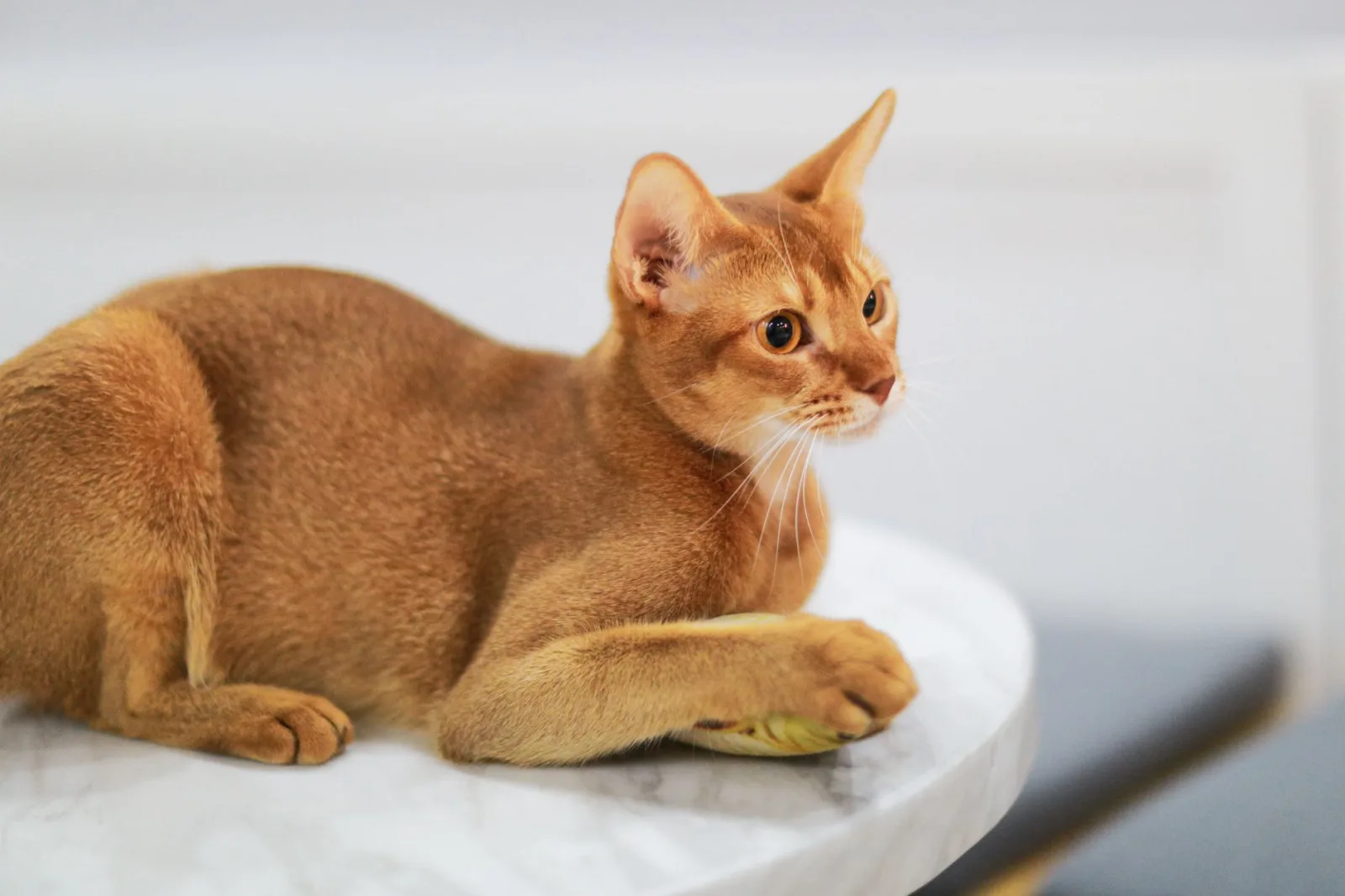
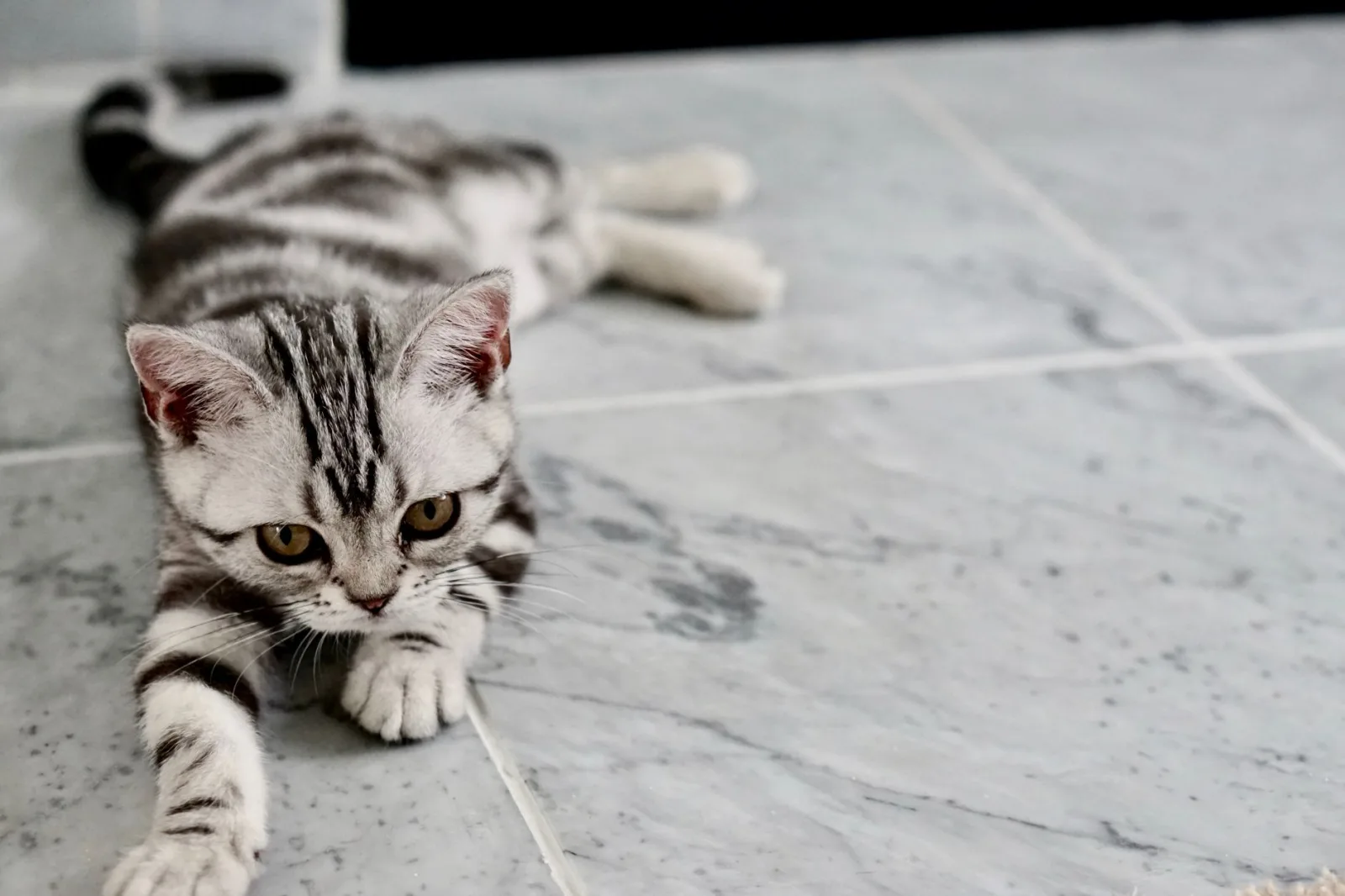
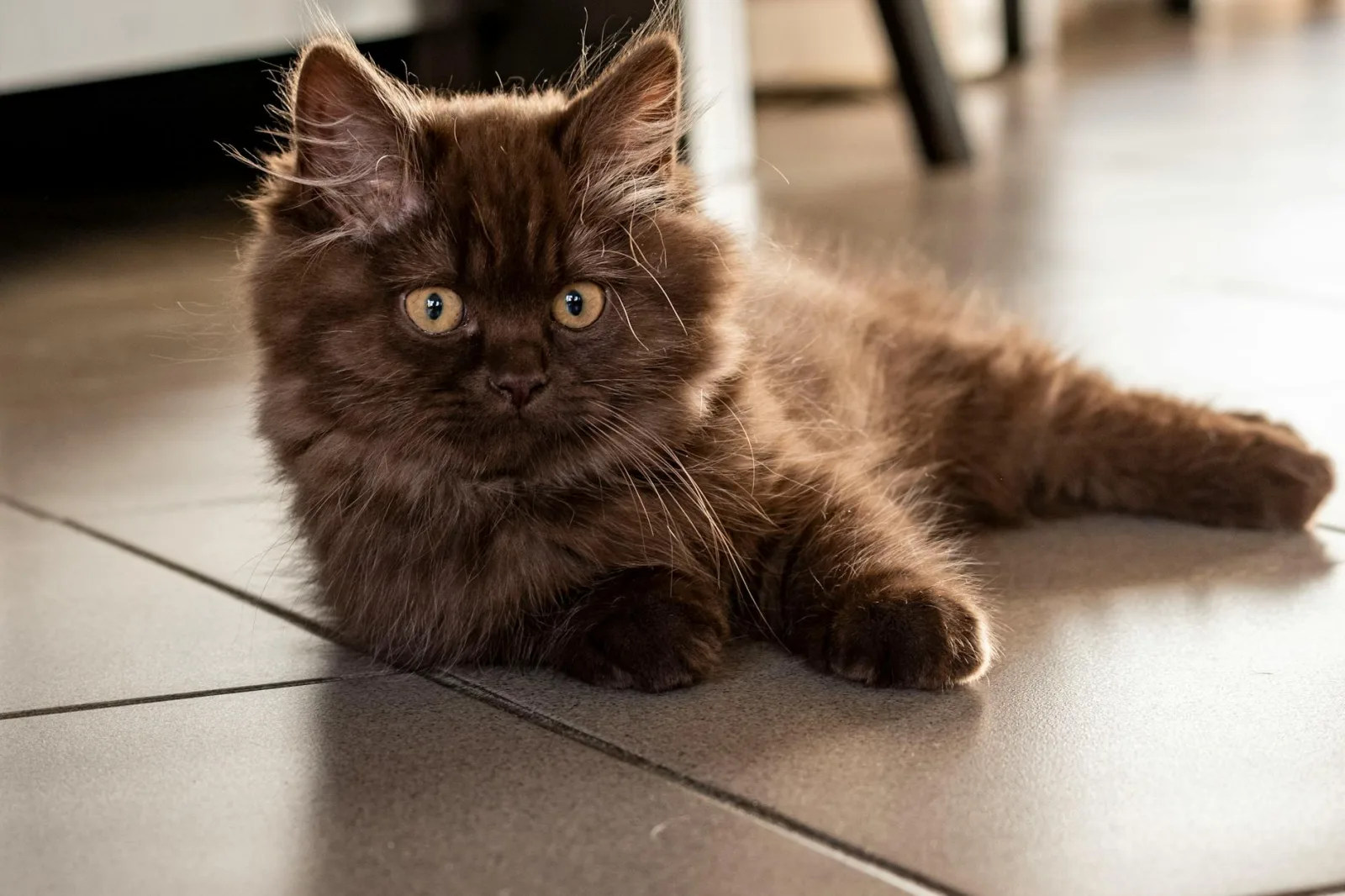
The British Shorthair is the teddy bear of the cat world - a sturdy, round-faced companion known for its plush coat, copper eyes and famously composed manner. Native to the United Kingdom, this is one of the oldest recognised pedigree breeds, prized for being calm, affectionate, loyal and wonderfully easygoing. With a typical lifespan of 12 to 17 years, a weight range of 3 to 8 kg and a height of around 30 to 36 cm, it is a solid, substantial cat that brings quiet, undemanding devotion to a household.
From Roman Mousers to Victorian Show Cats
The breed traces its roots to working cats said to have arrived in Britain in Roman times, which interbred with local felines and grew into hardy, weatherproof animals. Its journey from common street cat to refined pedigree began in the nineteenth century, when the artist and pioneering cat enthusiast Harrison Weir set out to standardise the best examples of the native shorthair. These cats took pride of place at the very first organised cat show, staged at London's Crystal Palace in 1871, which launched their lasting popularity.
The British Blue, a Plush Coat and a Cheshire Smile
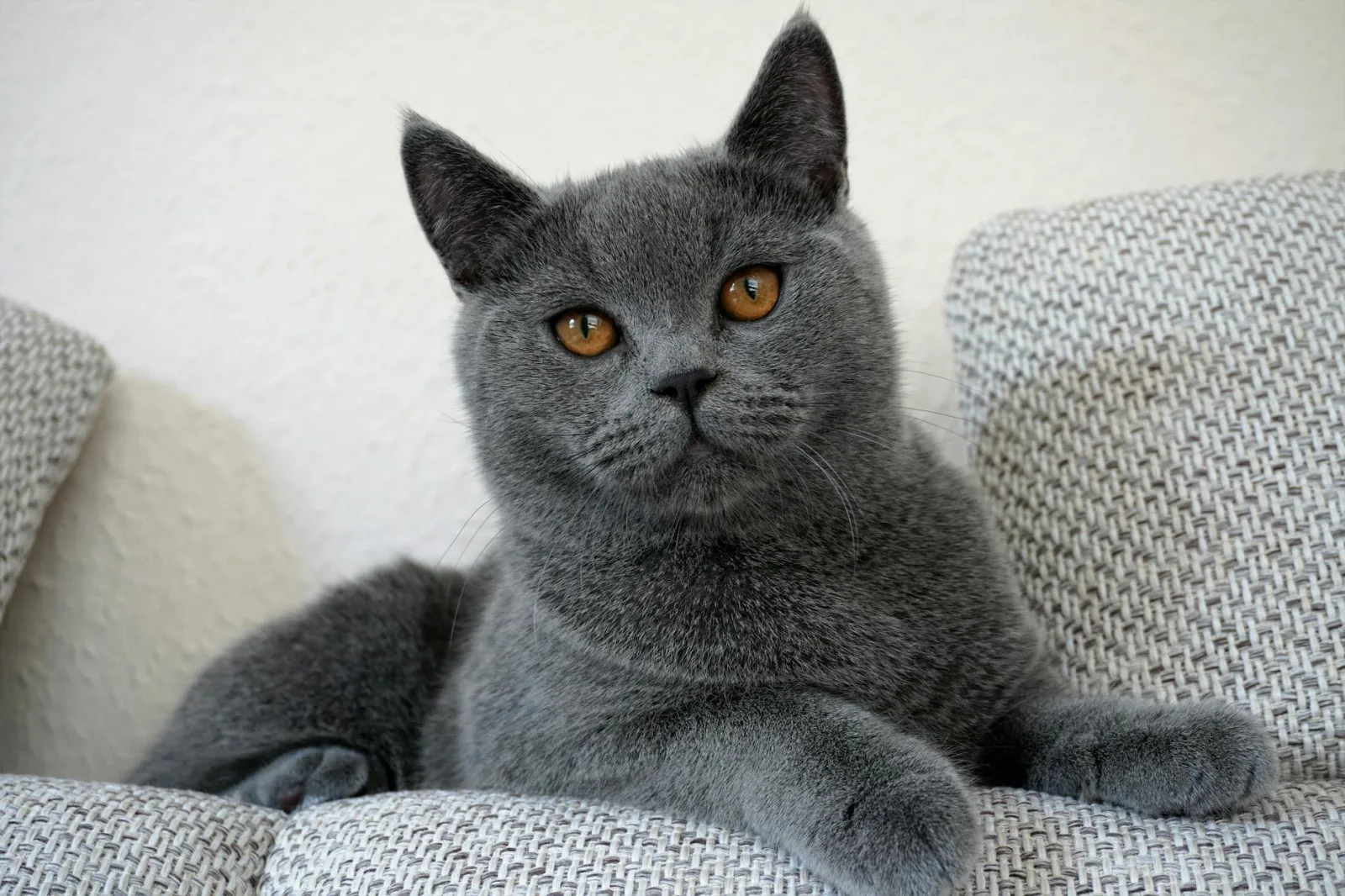
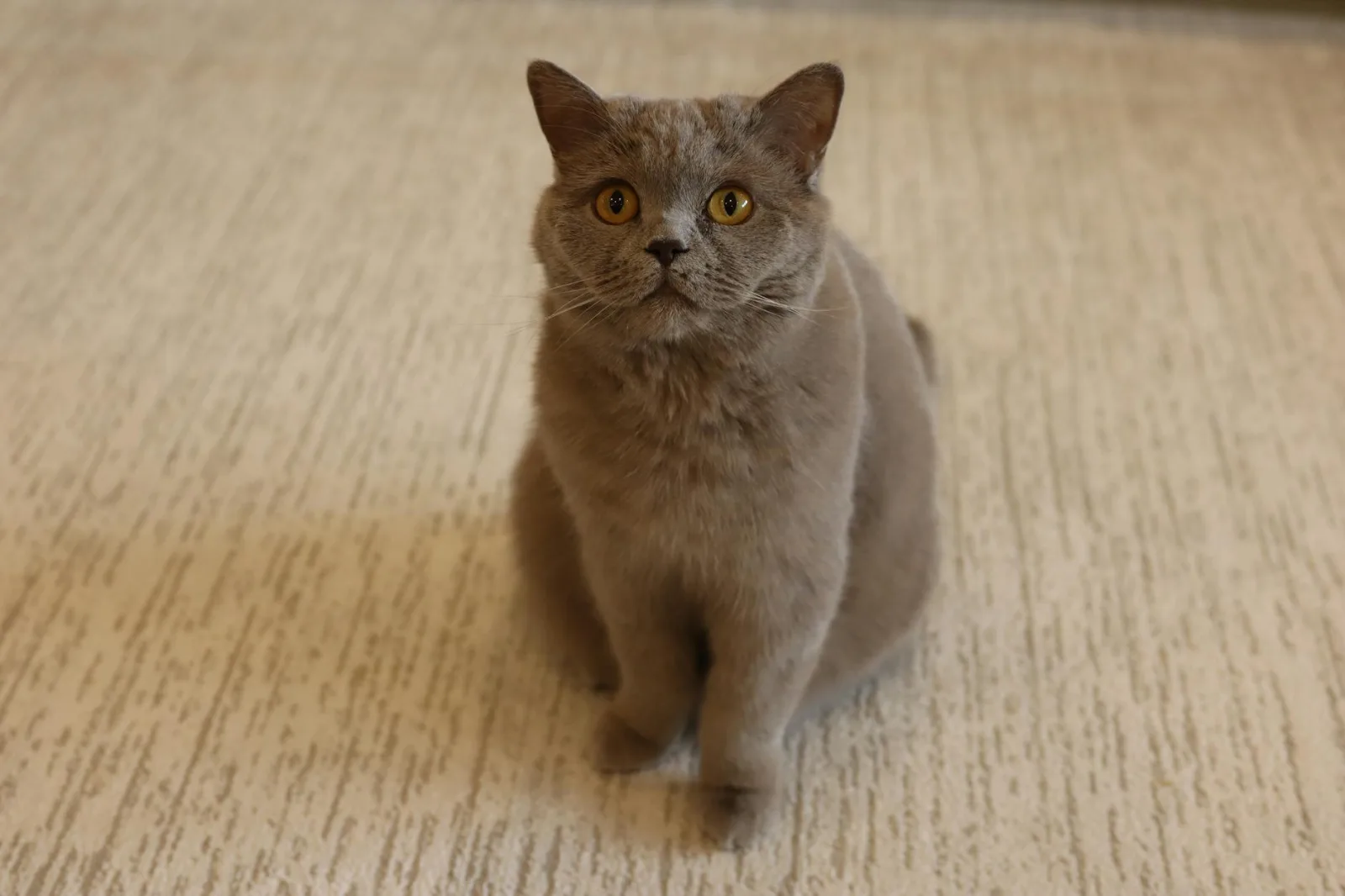
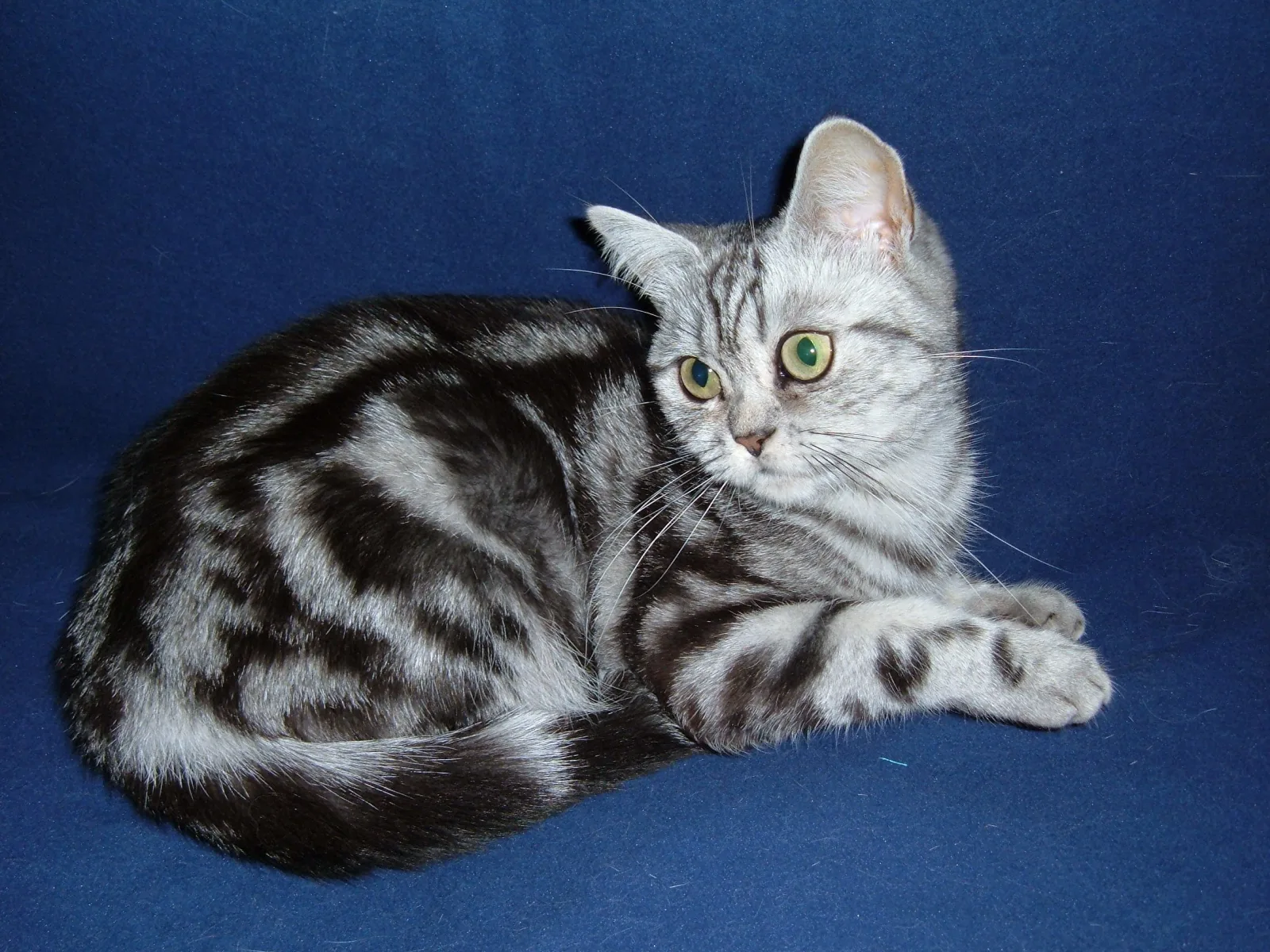
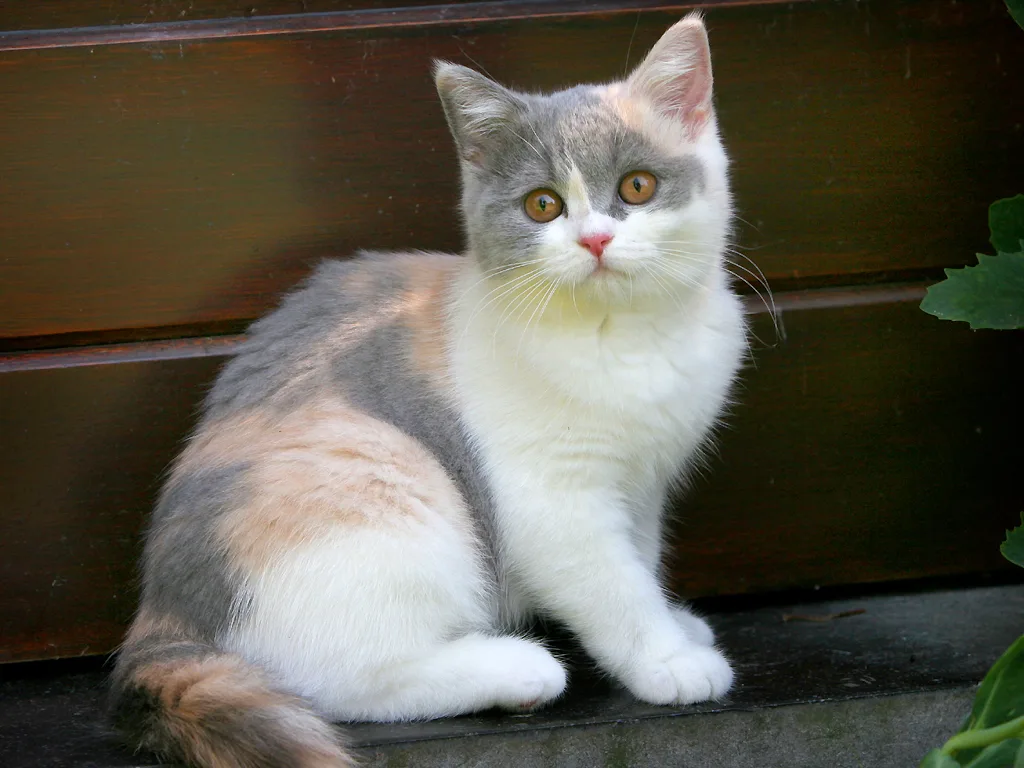
While the breed now comes in many colours and patterns, the solid blue-grey known as the British Blue remains its signature look. The coat is short but remarkably dense, with a firm, crisp pile that gives a plush, padded feel rather than a soft woolly one. Paired with a broad round head, full cheeks and large round eyes that glow deep copper or orange, the result is the chubby-cheeked, ever-content expression that is widely believed to have inspired the grinning Cheshire Cat of Alice in Wonderland.
A Dignified, Easygoing Companion
British Shorthairs are calm and good-natured, content to keep you company without constant fuss. They tend to be loyal followers who supervise the home from a comfortable nearby spot rather than insisting on your lap, and many dislike being picked up or carried. This relaxed, dignified temperament makes them excellent with families, gentle with children and tolerant of other pets, while remaining independent enough to handle quiet hours alone.
Slow to Grow Up
One distinctive trait is how gradually this breed matures. Where many cats are fully grown within a year, the British Shorthair fills out its broad frame slowly, often not reaching full physical development until around three to five years of age. Owners should keep this extended growth period in mind when planning nutrition for a young cat.
Grooming and Healthy Weight
The dense coat is fairly low maintenance, needing only weekly brushing to lift loose hair, though a heavier seasonal shed in spring and autumn calls for more frequent grooming. Because the breed is naturally laid-back and food-motivated, weight management is important - measured portions and regular play help prevent obesity, which strains the joints and heart.
Health Considerations
British Shorthairs are generally robust, but responsible owners should be aware of a few breed-linked concerns:
- Hypertrophic cardiomyopathy (HCM) - a thickening of the heart muscle that occurs at notably higher rates in this breed, particularly in males.
- Polycystic kidney disease (PKD) - some lines carry the gene through historical Persian outcrossing, so reputable breeders screen and test their cats.
Choosing a breeder who screens for these conditions, alongside routine veterinary checks and a healthy weight, helps a British Shorthair enjoy a long and comfortable life.