Devon Rex
A playful, affectionate curly-coated cat with a distinctive pixie-like face and large ears.
Every Devon Rex profile blends practical care notes, breed traits, and everyday living guidance.
Breed Levels
How well this breed aligns with lifestyle factors.
Characteristics
Key traits that define this breed.
Appearance
Physical traits and distinctive features of this breed.
Individual pets may vary in appearance, temperament and needs. Early training, proper care and socialization help bring out the best in every companion.
Devon Rex: The Affectionate Pixie of the Cat World
Few cats turn heads quite like the Devon Rex, a breed whose elfin features and wavy coat make it instantly recognisable. Originating in the county of Devon in the United Kingdom during the early 1960s, this small-to-medium cat has become a favourite for people who want a feline companion with the curiosity of a kitten and the devotion of a lapdog. Devon Rex cats typically live between 9 and 15 years, weigh roughly 2.5 to 4.5 kg, and stand around 25 to 30 cm tall, making them a compact yet sturdy bundle of personality.
A Surprise Mutation in 1960s Devon
The story of the breed begins with a curly-coated stray and her kitten, a male named Kirlee, discovered near a disused tin mine in Devon around 1960. Breeders initially assumed Kirlee carried the same gene as the recently established Cornish Rex, but test matings produced only straight-coated kittens. This revealed that the Devon wave arose from an entirely separate recessive mutation, earning the breed its own distinct line. What started as one unusual cat became a globally cherished pedigree.
The Unmistakable Pixie Look
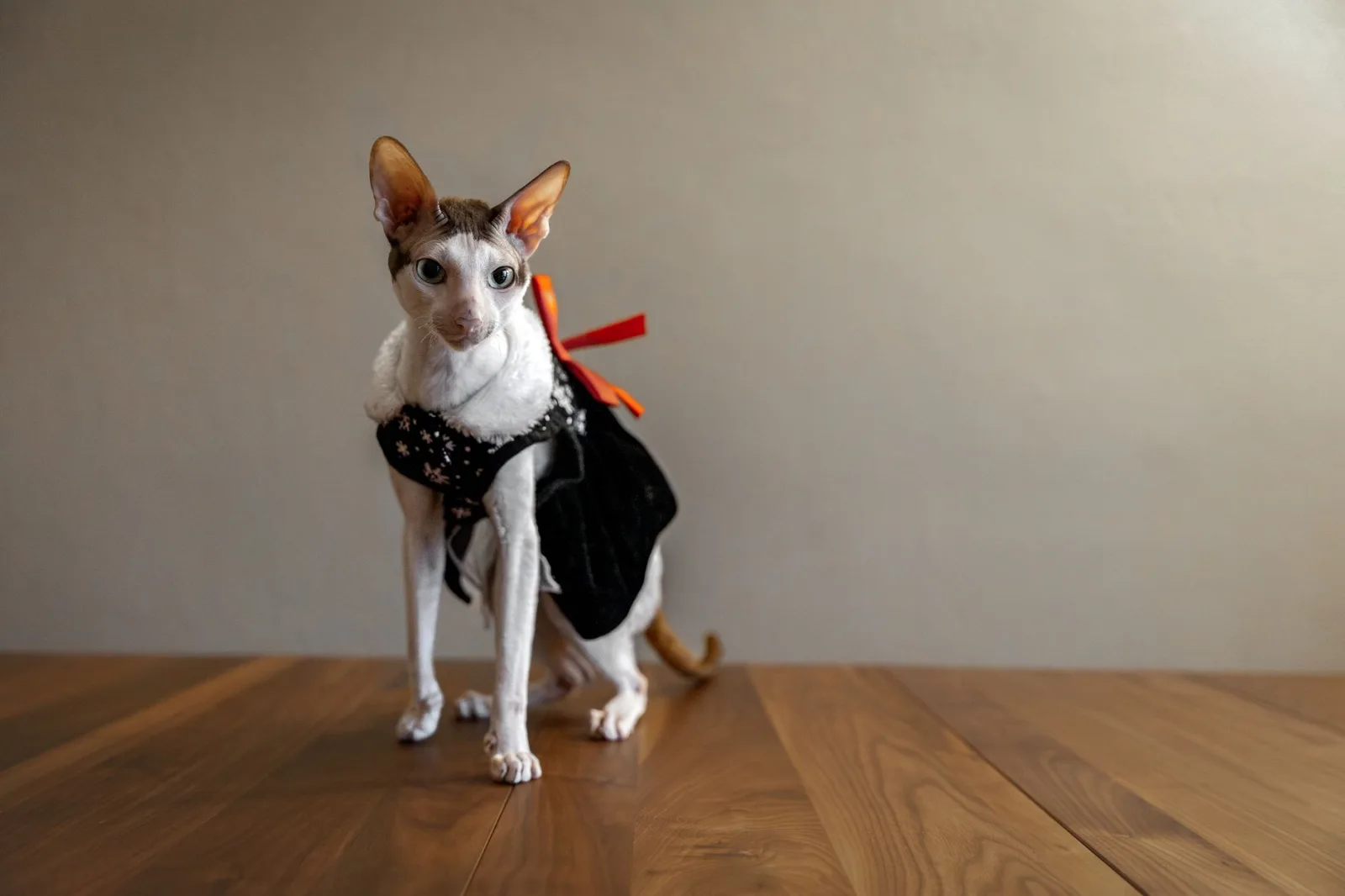
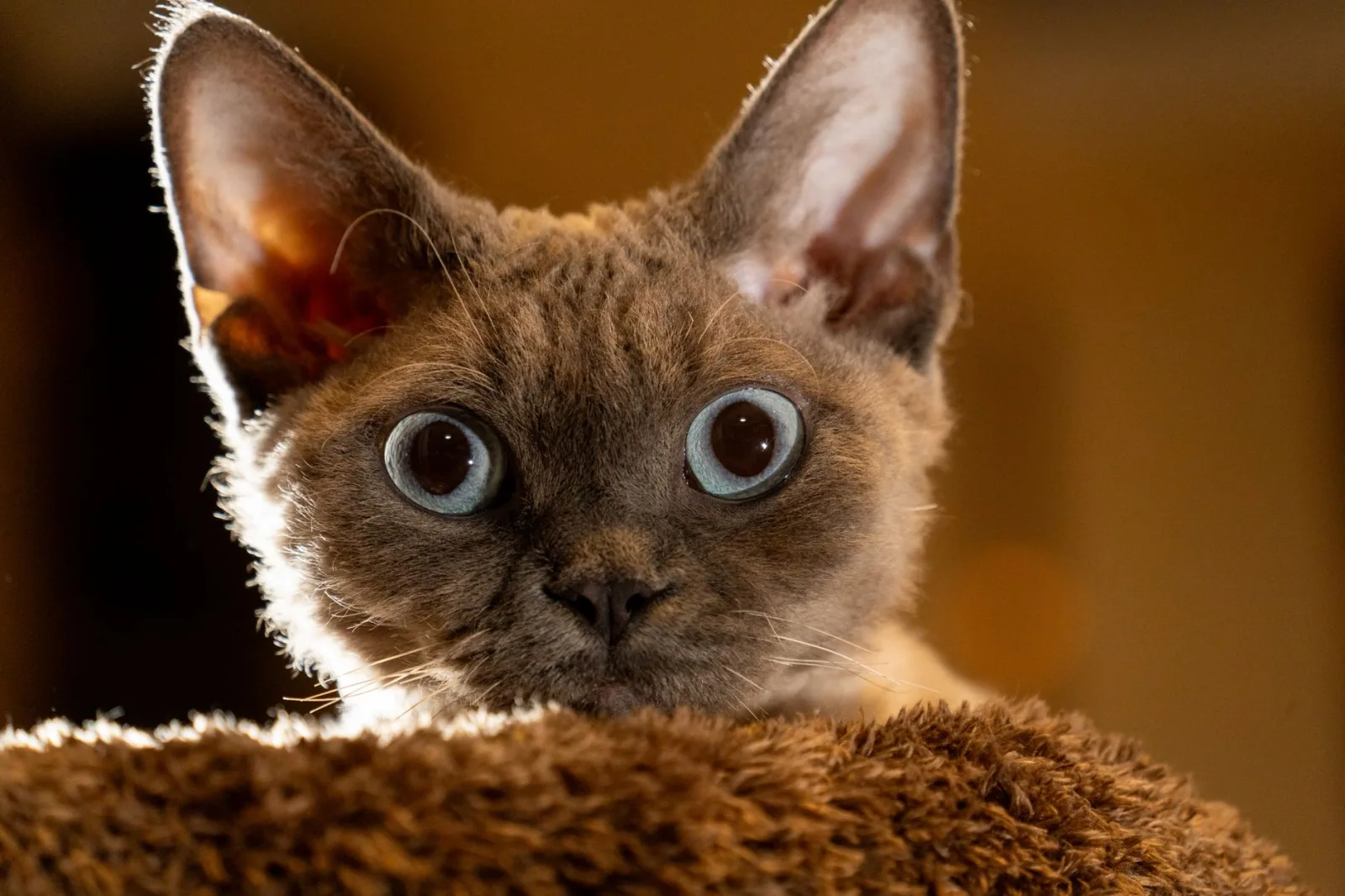
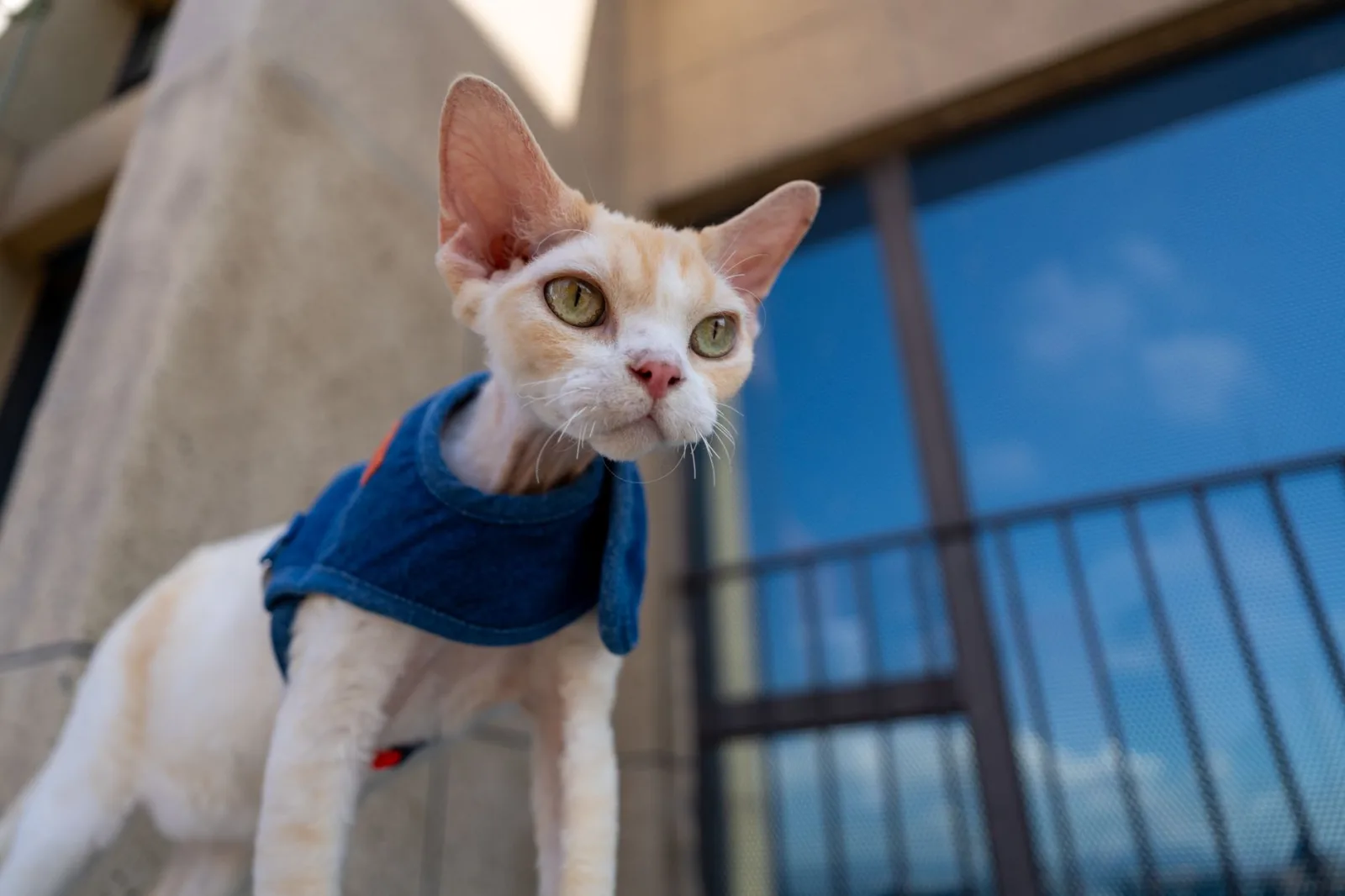
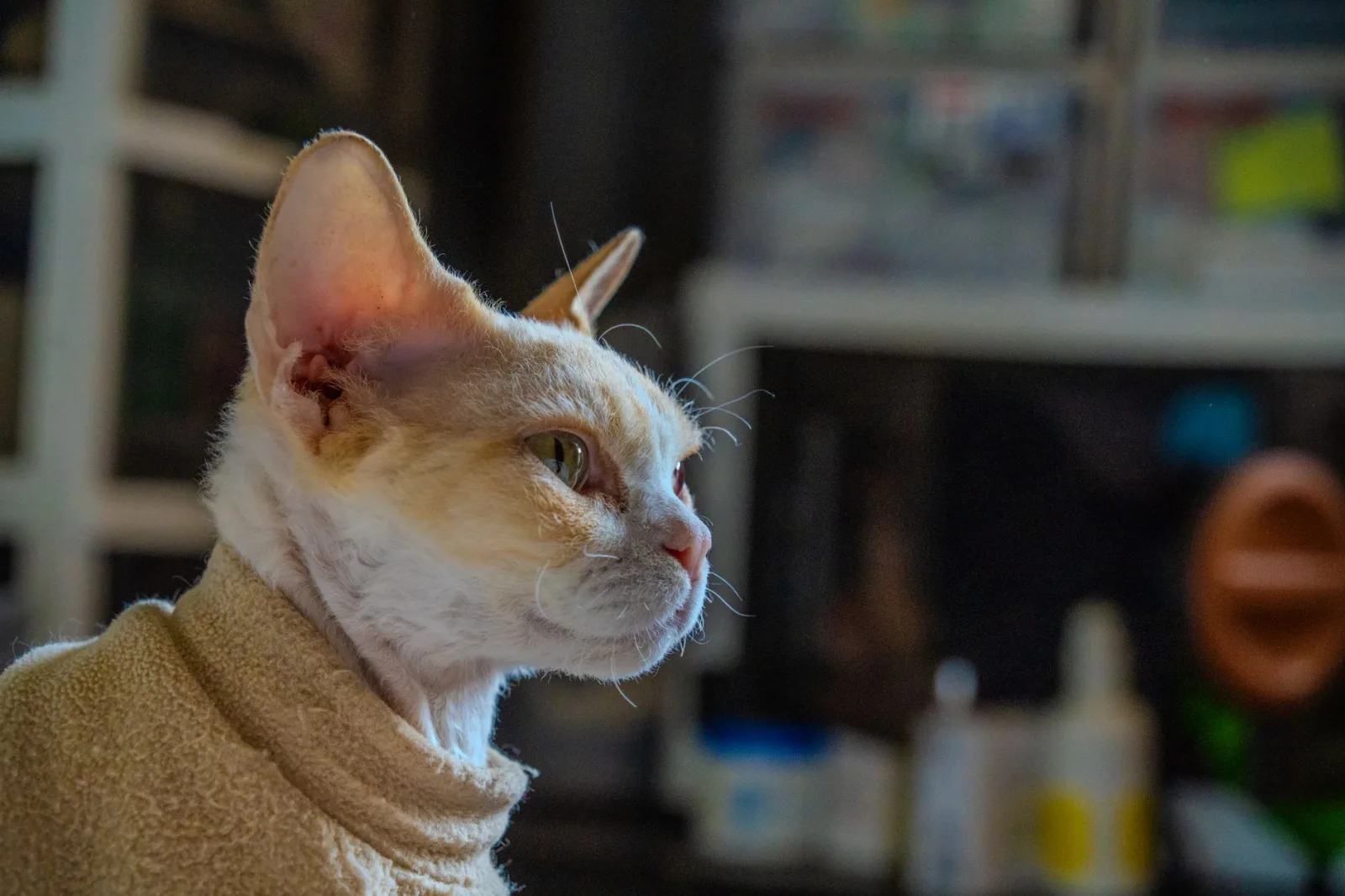
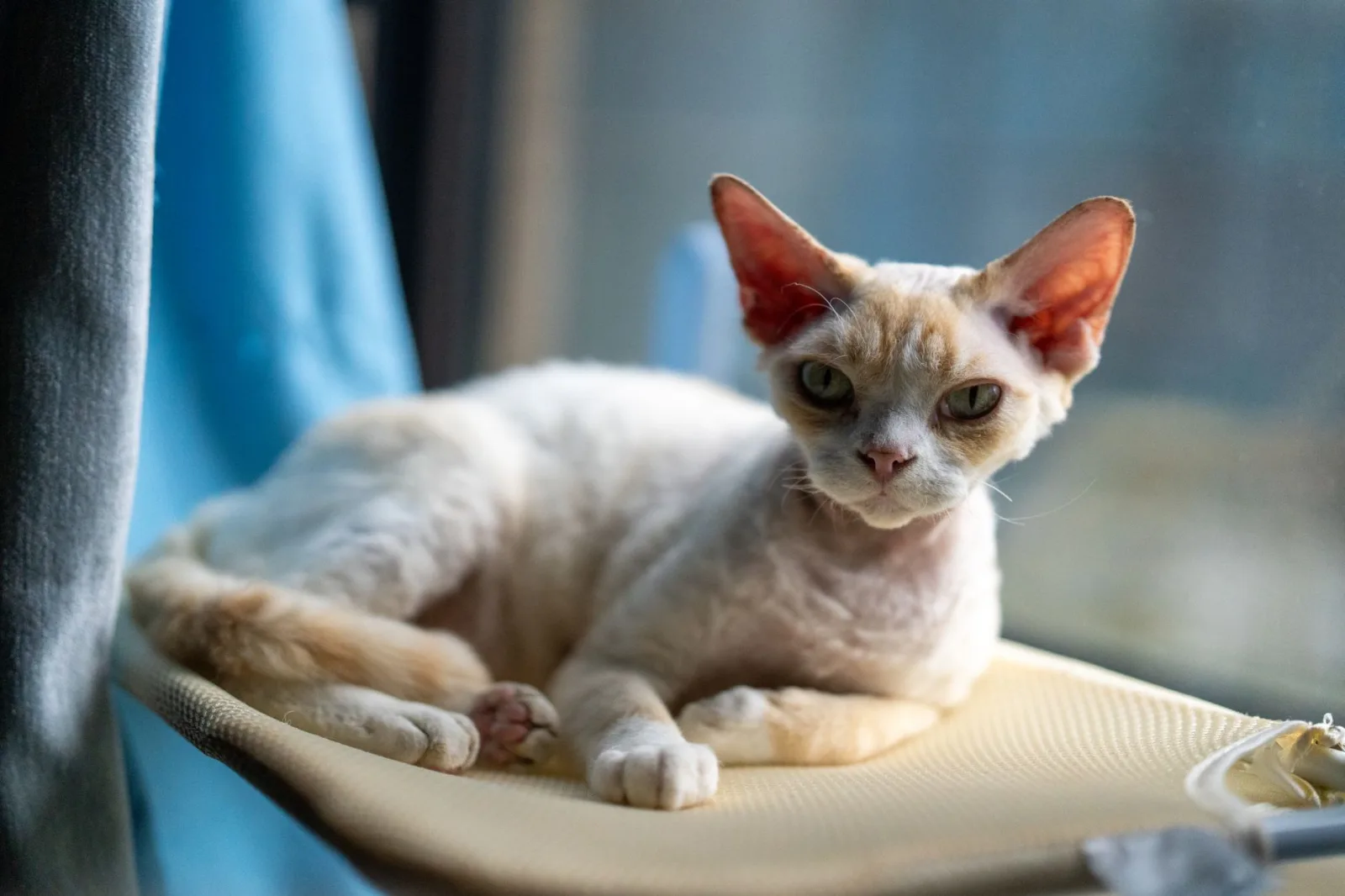
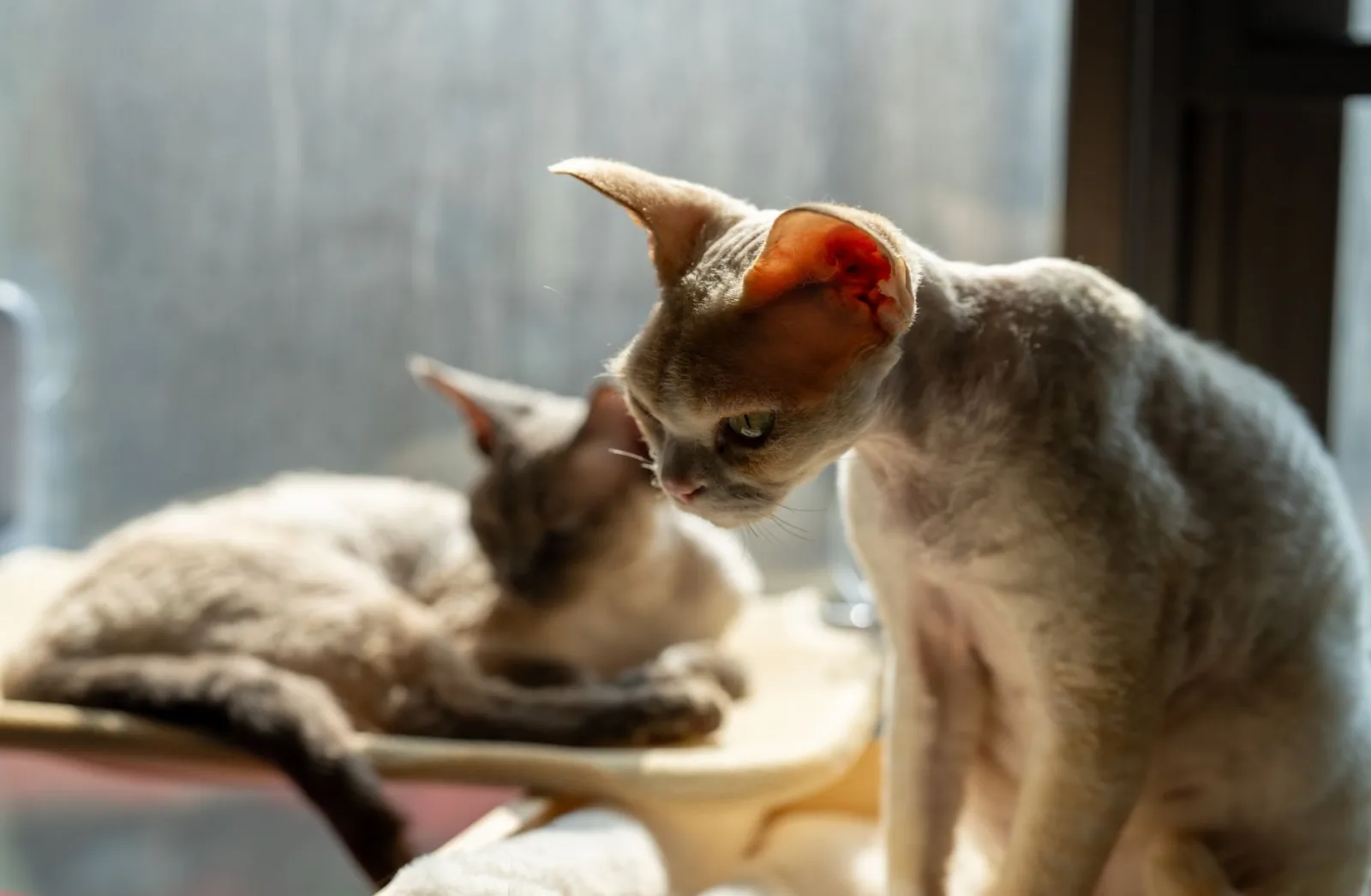
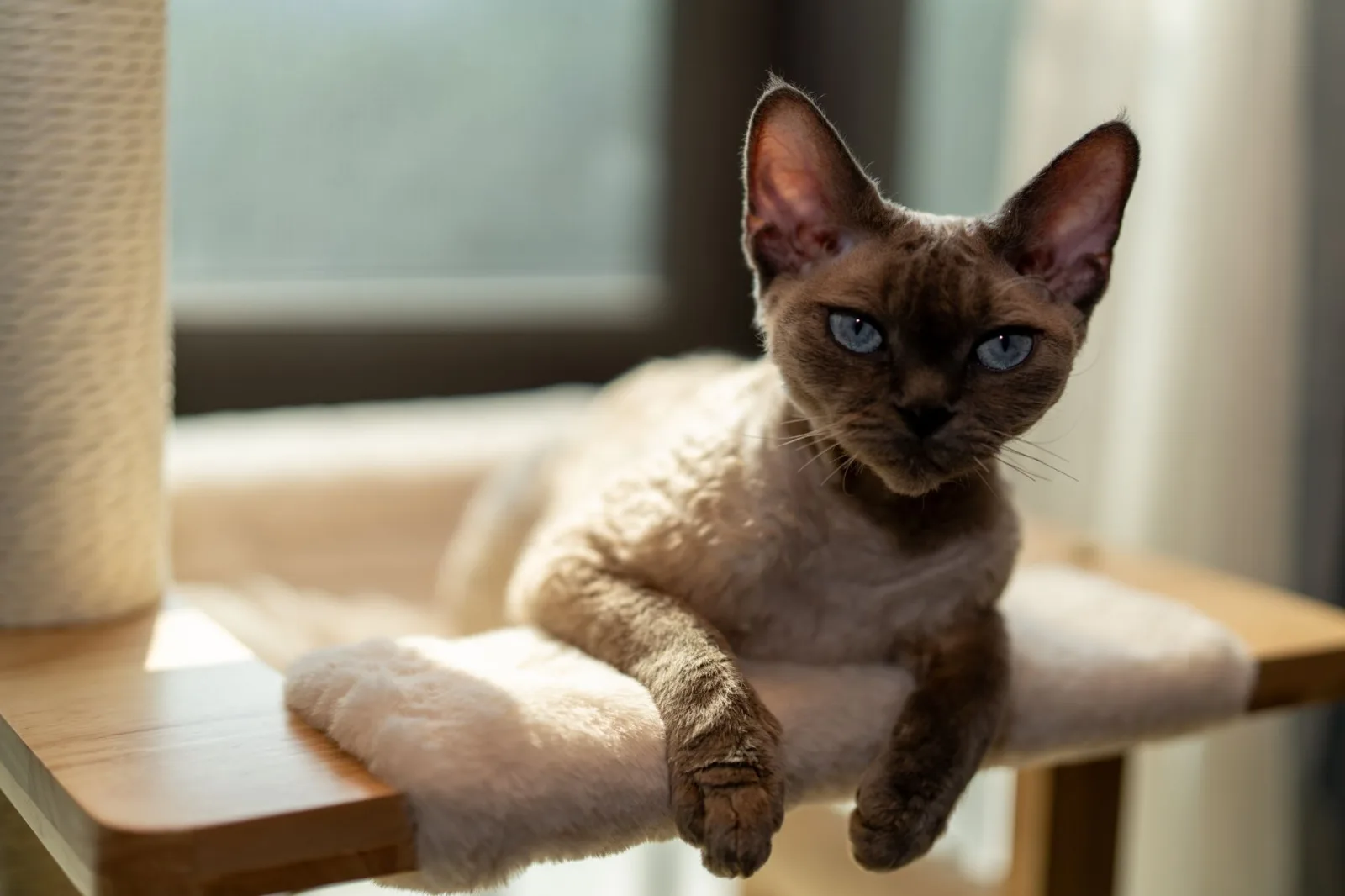
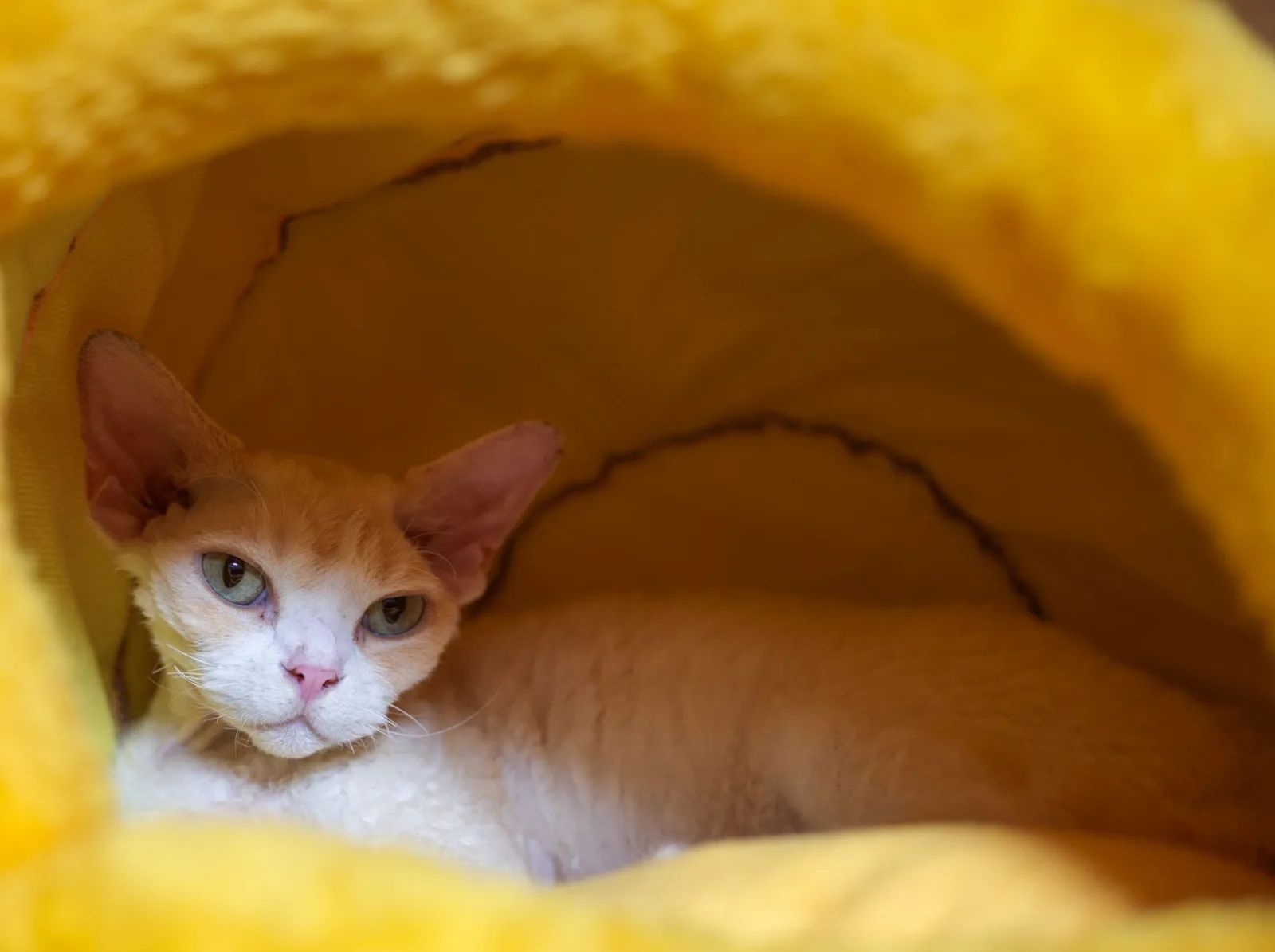
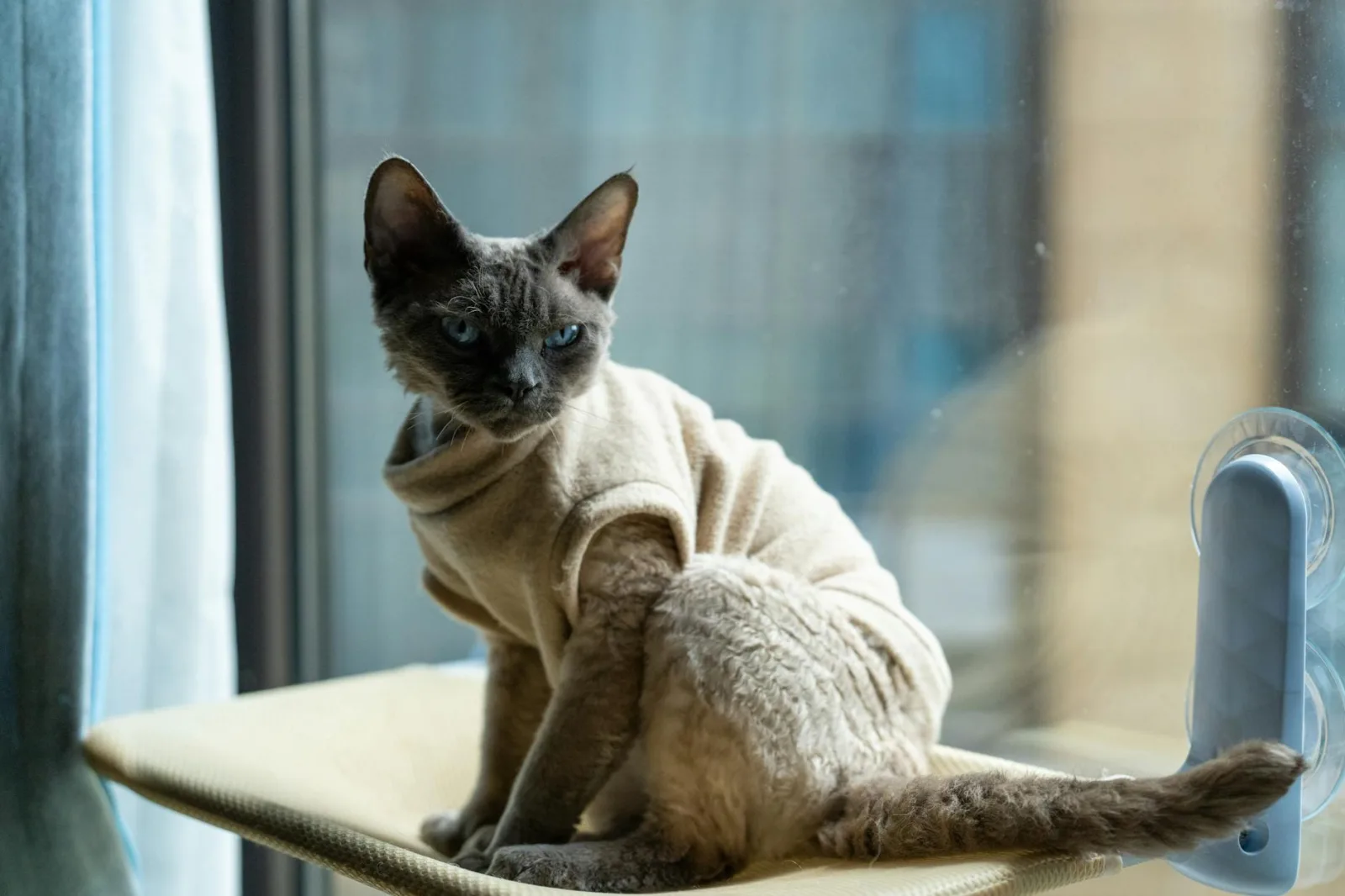
The Devon Rex wears its heritage on its face. Large, low-set ears flare outward like satellite dishes, set above wide cheekbones and big expressive eyes, creating the famous pixie or elf appearance some compare to a tiny bat or even a creature from folklore. The coat is the other signature feature: short, fine, and arranged in soft ripples rather than tight curls, with the same delicate waviness extending to the whiskers, which are often so fragile they break off. The overall impression is of a cat sculpted to look perpetually playful.
A Mischievous Monkey in a Catsuit
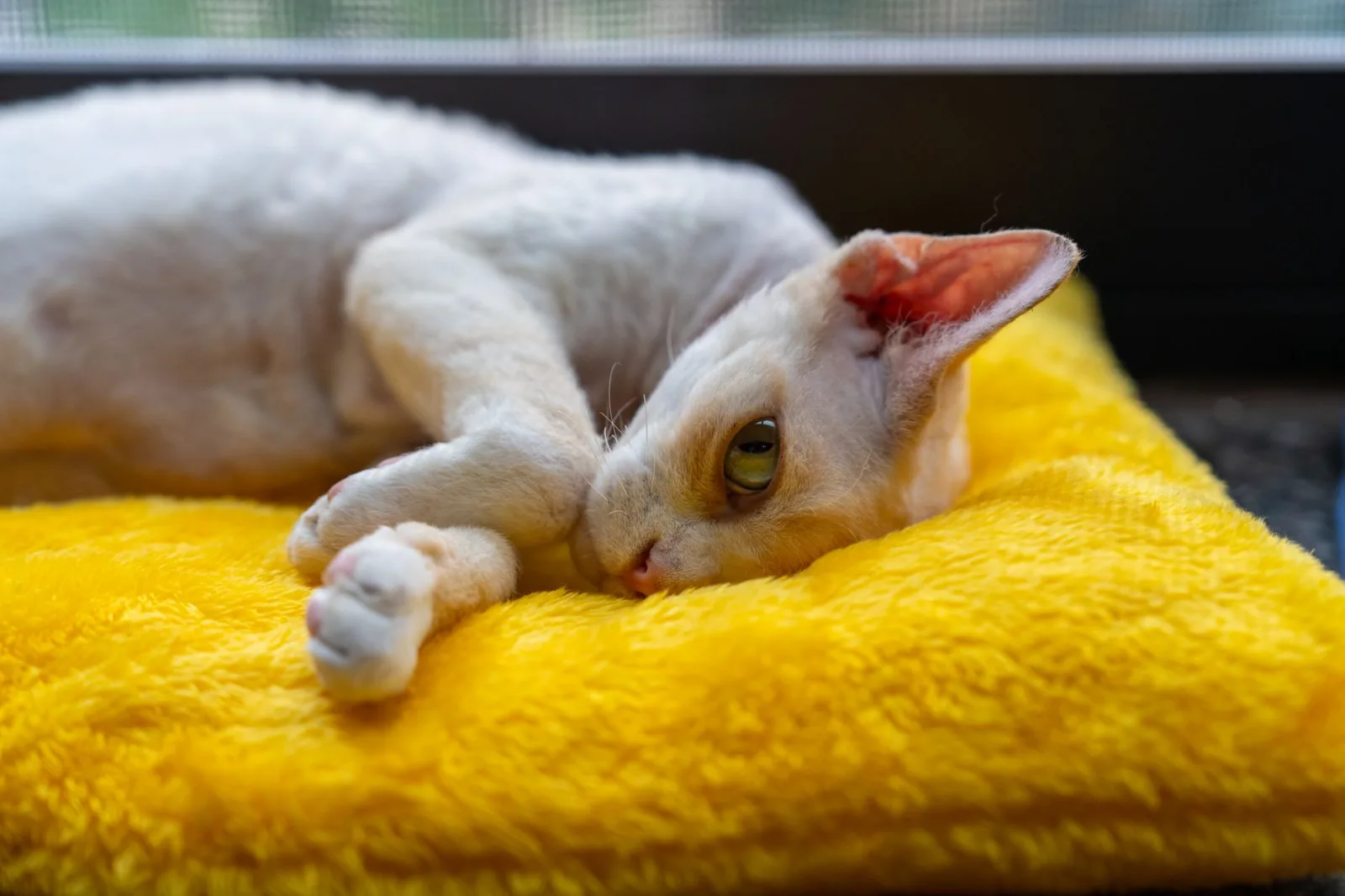
Owners often describe the Devon Rex as a monkey in a catsuit, and the nickname is well earned. These cats are loving, playful, mischievous, and social to an extraordinary degree. They follow their humans from room to room, perch on shoulders, burrow under blankets, and seek out the warmest spot available - frequently a lap, a laptop, or the curve of a neck. Highly intelligent and food-motivated, many learn to fetch, open cupboards, and perform tricks. Their clownish antics rarely stop, and they thrive on being the centre of attention.
Companionship and Enrichment Needs
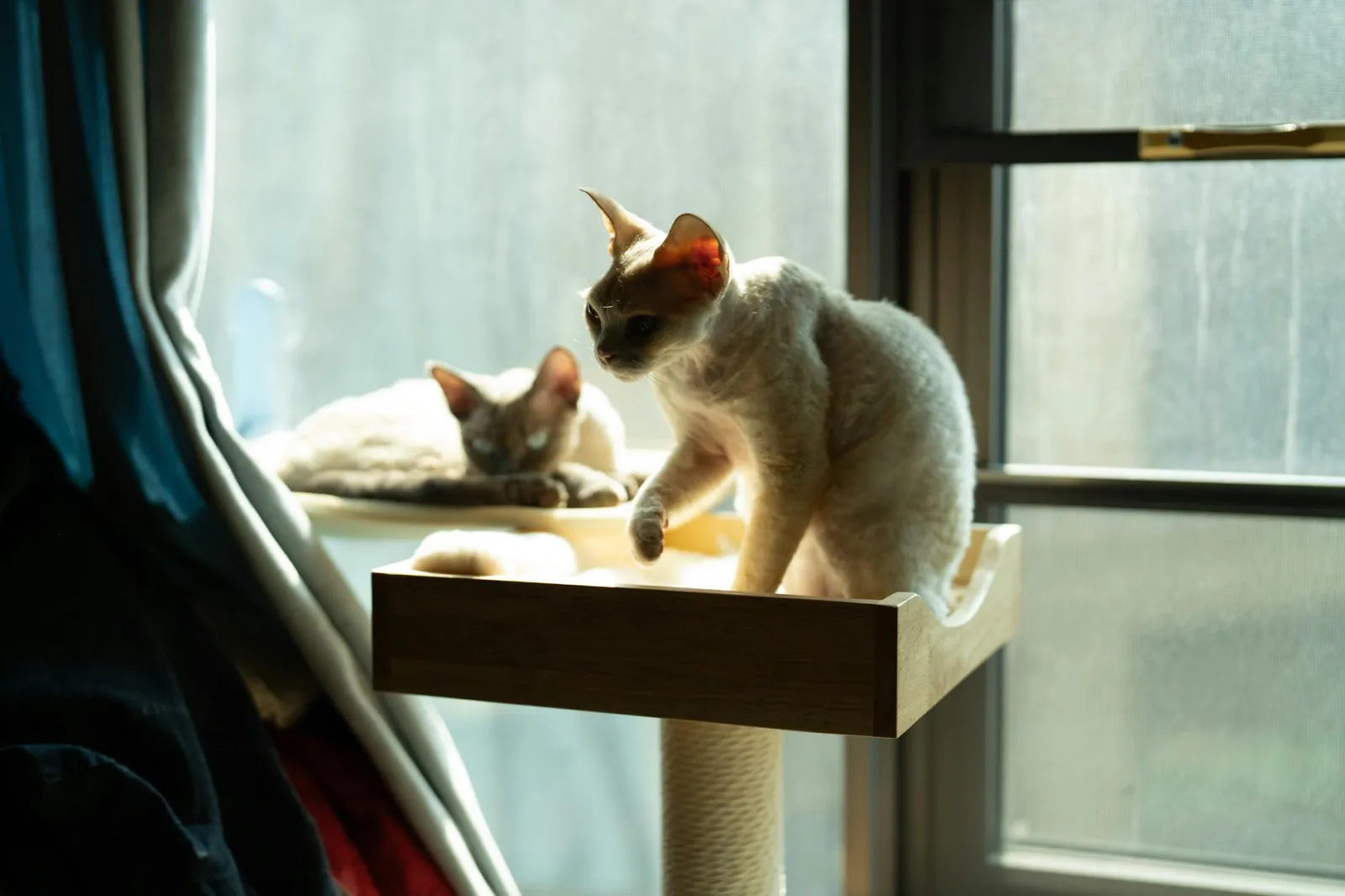
Because the Devon Rex craves company, it is one of the worst breeds to leave alone for long stretches. Boredom and isolation can lead to stress and unwanted behaviour, so these cats do best in busy households or with a feline or canine friend for company. Provide plenty of interactive play, climbing space, puzzle feeders, and cosy heated nooks to satisfy their need for warmth and stimulation.
Grooming and Health Considerations
The fine coat sheds little but can become greasy, so occasional gentle bathing and soft handling are wise rather than vigorous brushing, which the delicate hair will not tolerate. Regular ear cleaning helps manage the waxy buildup their large ears tend to accumulate.
- Hypertrophic cardiomyopathy: a thickening of the heart muscle that warrants periodic veterinary screening.
- Devon Rex myopathy: an inherited muscle weakness sometimes called spasticity.
- Patellar luxation: a kneecap that can slip out of place.
With attentive care, warmth, and constant companionship, the Devon Rex rewards its family with years of affectionate, comical, and endlessly engaging company.