Ragdoll
A large affectionate breed known for its relaxed temperament and blue eyes.
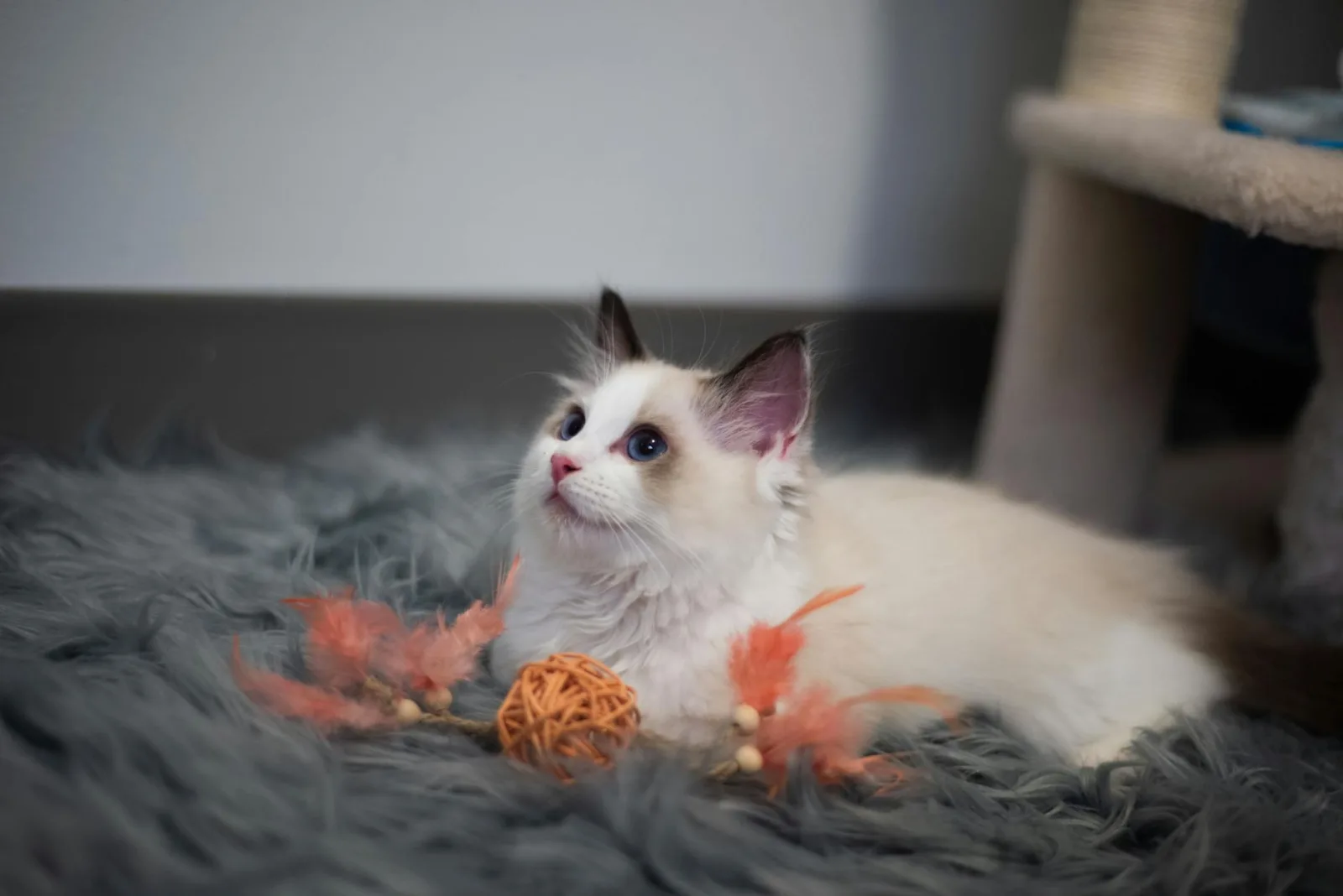
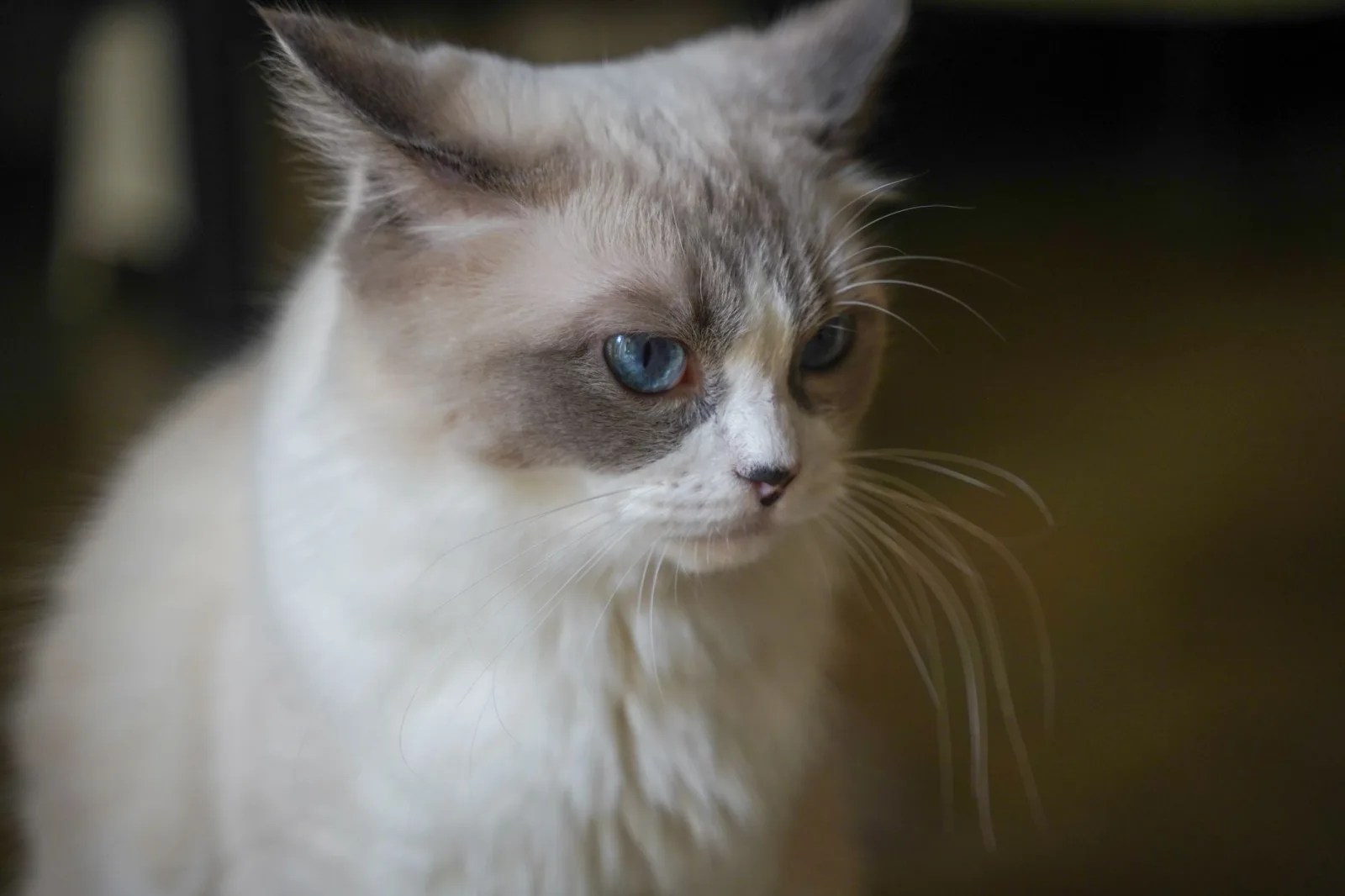
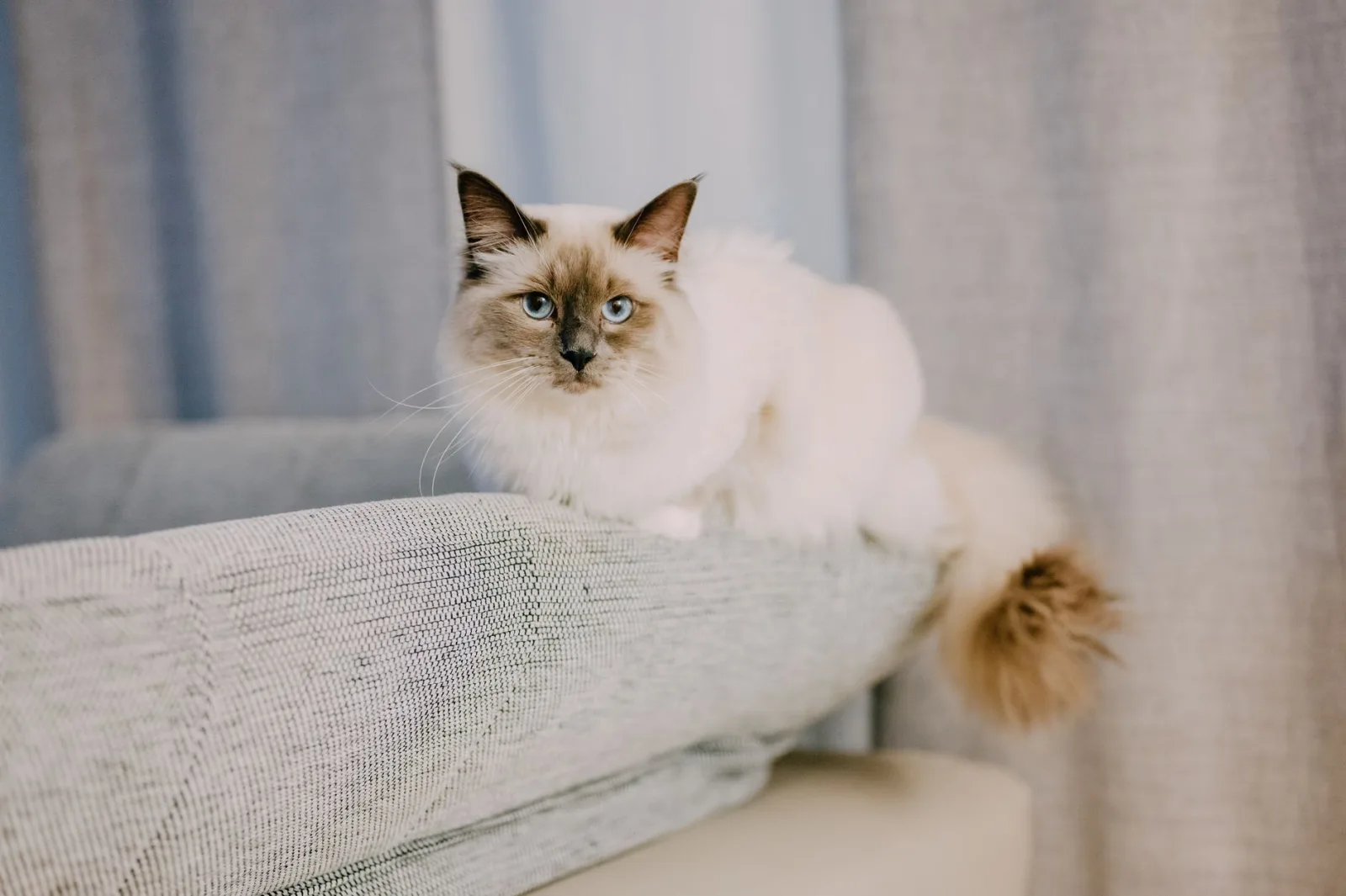
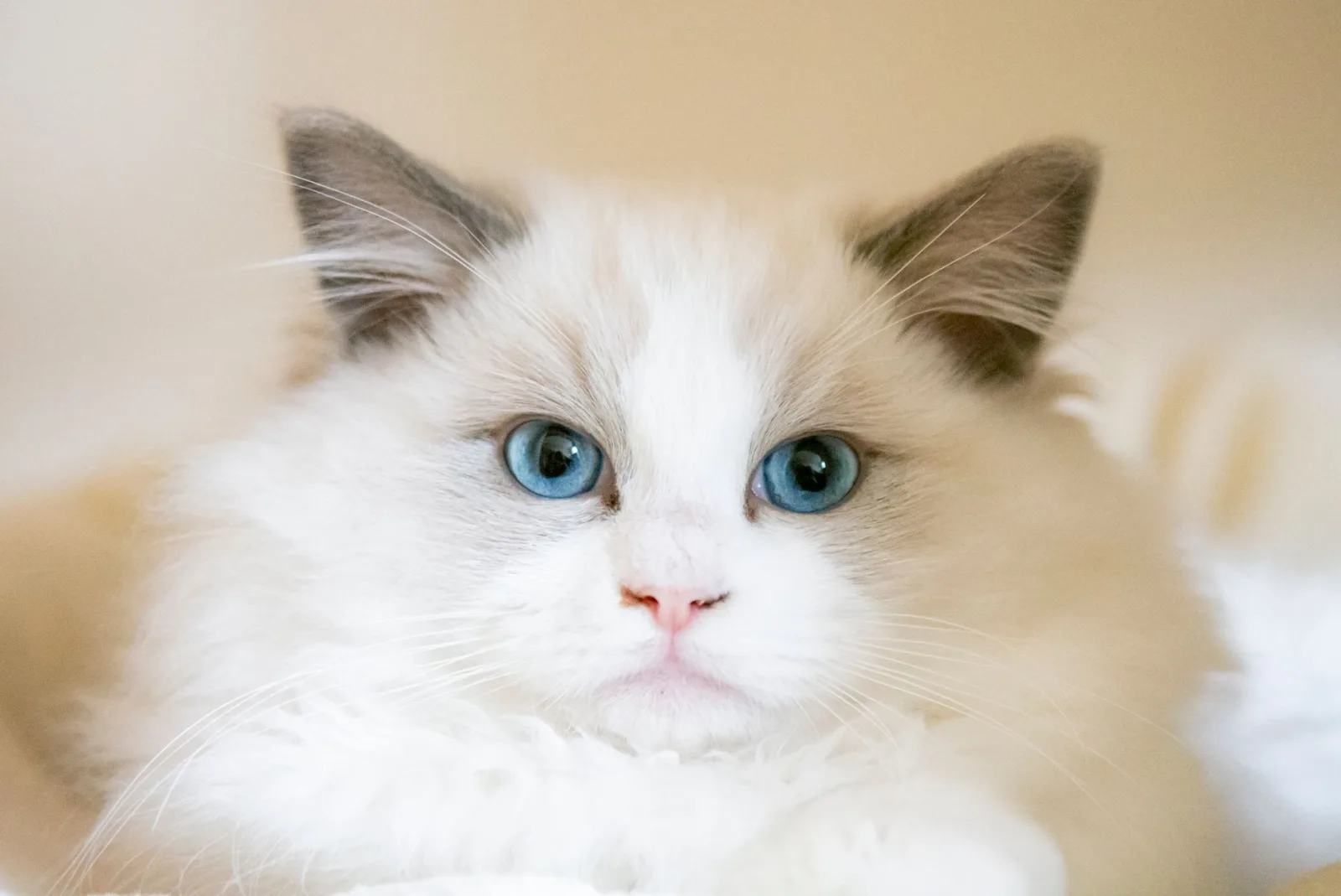
Every Ragdoll profile blends practical care notes, breed traits, and everyday living guidance.
Breed Levels
How well this breed aligns with lifestyle factors.
Characteristics
Key traits that define this breed.
Appearance
Physical traits and distinctive features of this breed.
Individual pets may vary in appearance, temperament and needs. Early training, proper care and socialization help bring out the best in every companion.
The Ragdoll: The Cat That Goes Limp With Love
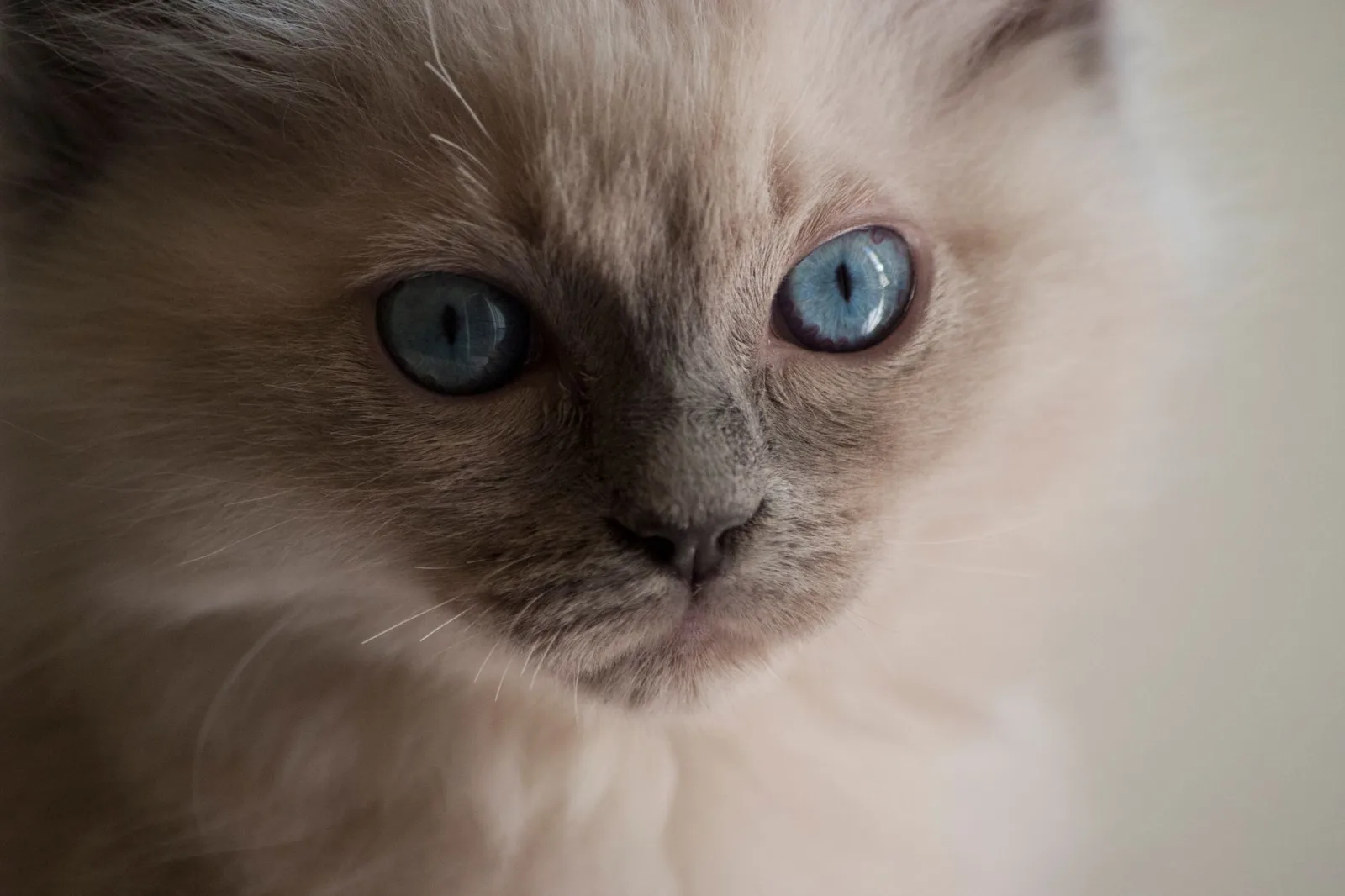
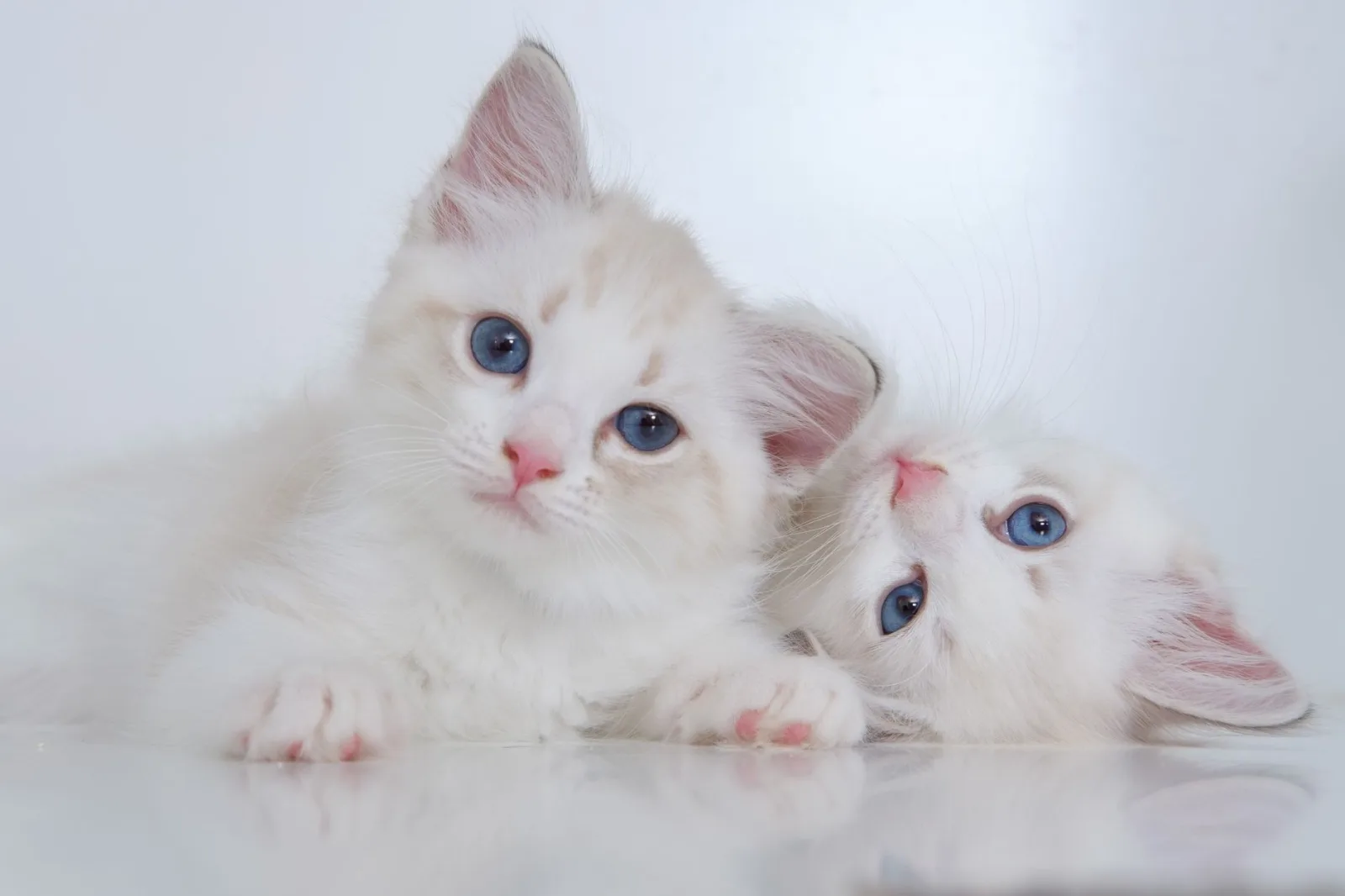
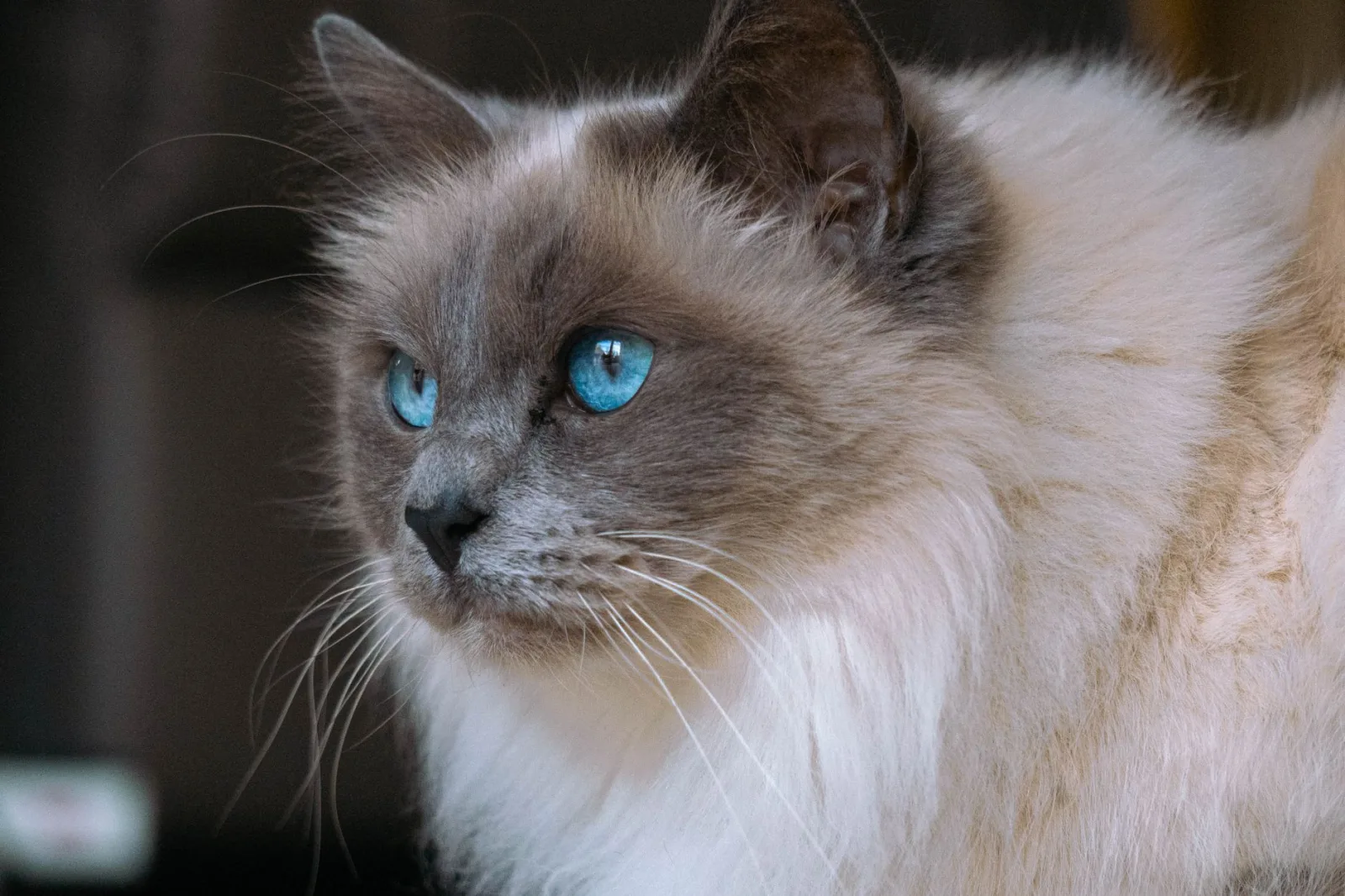
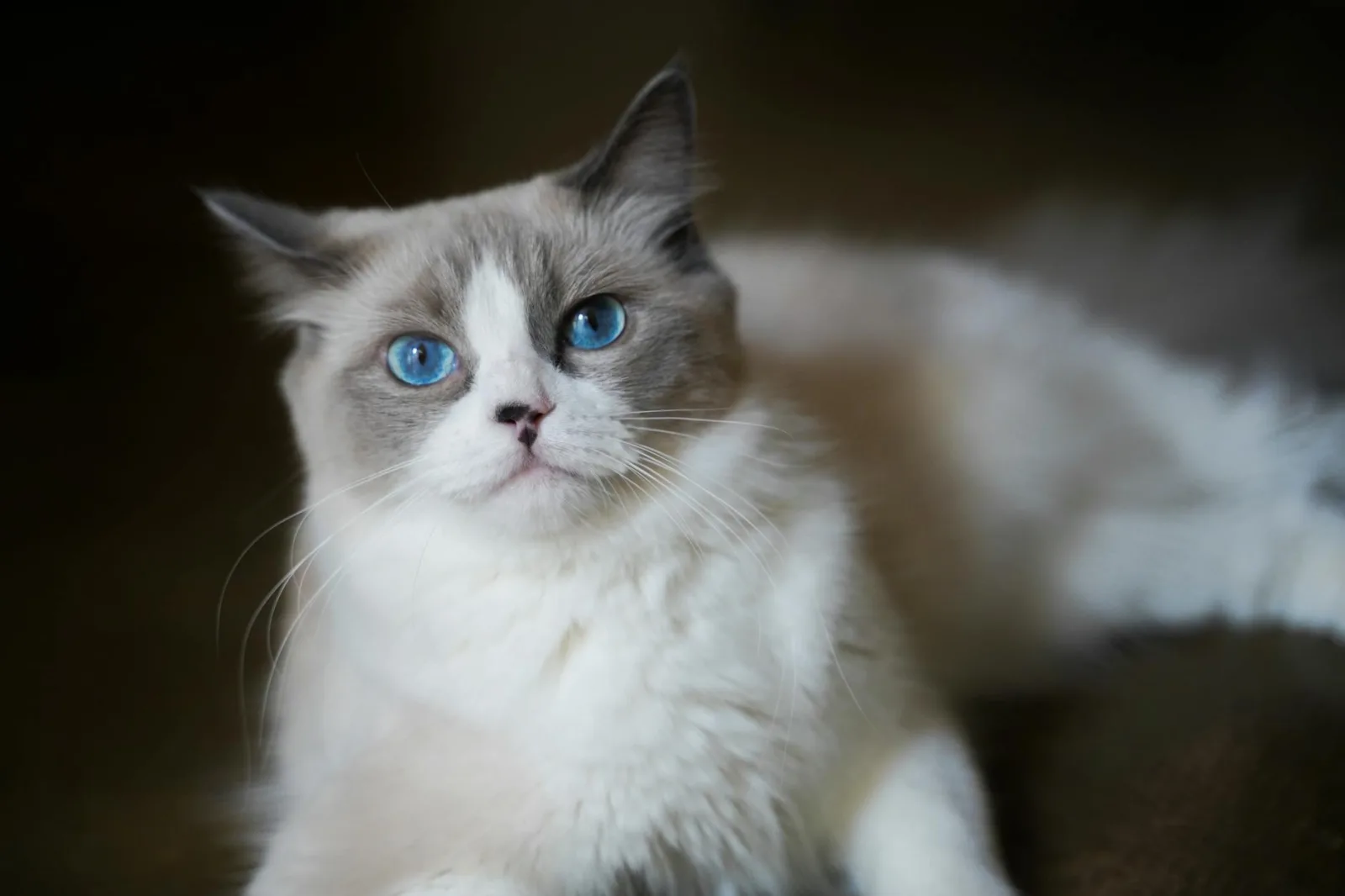
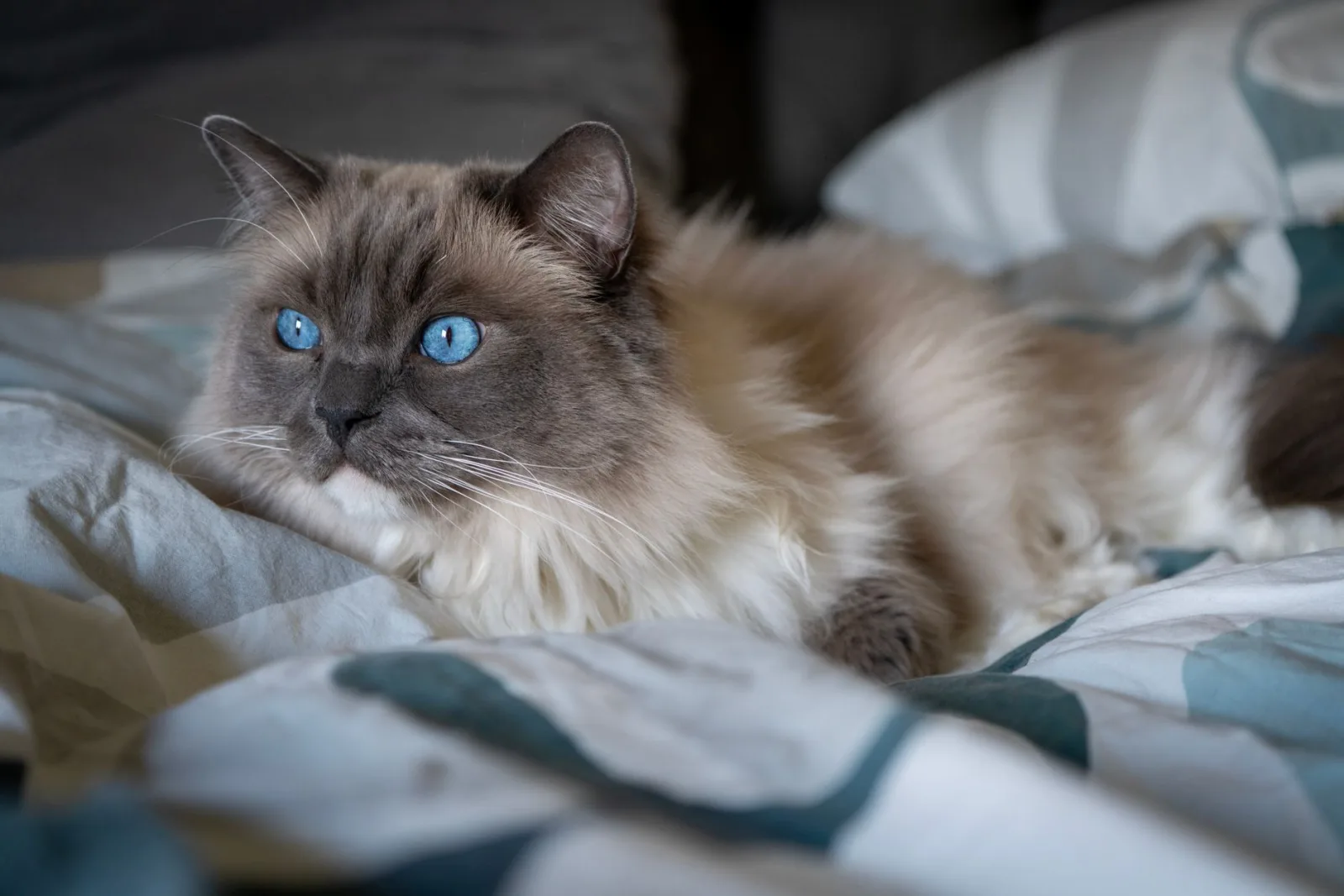
Large, plush and famously easygoing, the Ragdoll earned its name from an endearing quirk: many individuals relax and go completely limp when picked up, melting into the arms of whoever is holding them. Combine that with striking blue eyes, a silky colourpoint coat and a placid, people-loving temperament, and it is easy to see why the Ragdoll has become one of the most sought-after companion cats in the world.
A Modern California Original
The Ragdoll is a relatively young breed, developed in Riverside, California during the 1960s by breeder Ann Baker. Working from a gentle, longhaired white cat named Josephine and her offspring, Baker selected for large size, docility and the breed's signature relaxed nature. From those first litters the Ragdoll grew into an internationally recognised breed prized above all for its temperament.
Gentle, Docile and Devoted
The Ragdoll is the very definition of a laid-back lap cat. Gentle, relaxed, affectionate and docile, it tends to greet its owners at the door, follow them around the house and settle happily beside them for hours. These cats are typically soft-voiced and tolerant, often getting along beautifully with children and other pets. Because they are so trusting and non-confrontational, Ragdolls should be kept as indoor cats, where they are safe from traffic and predators.
A Big, Beautiful Colourpoint Coat
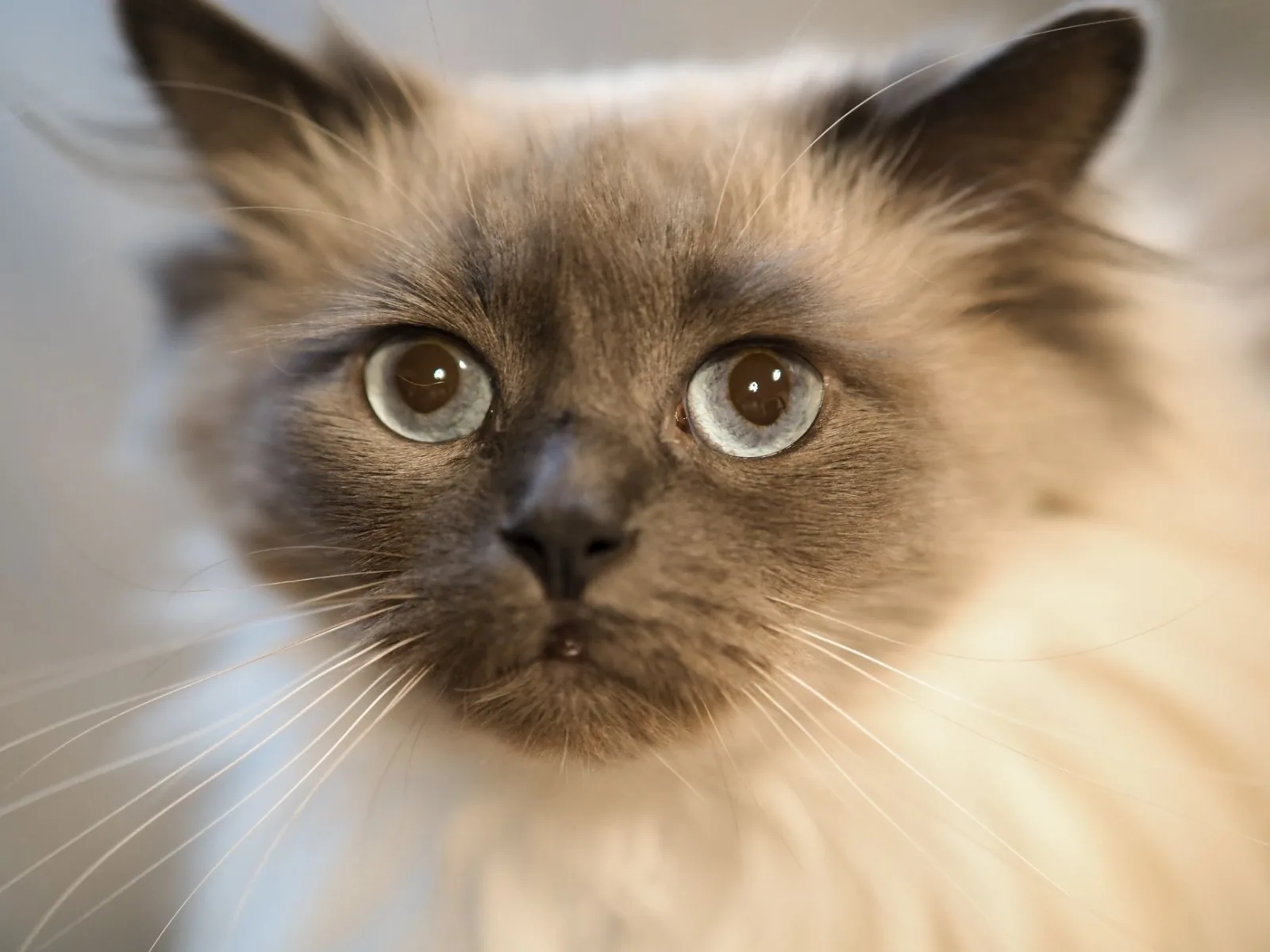
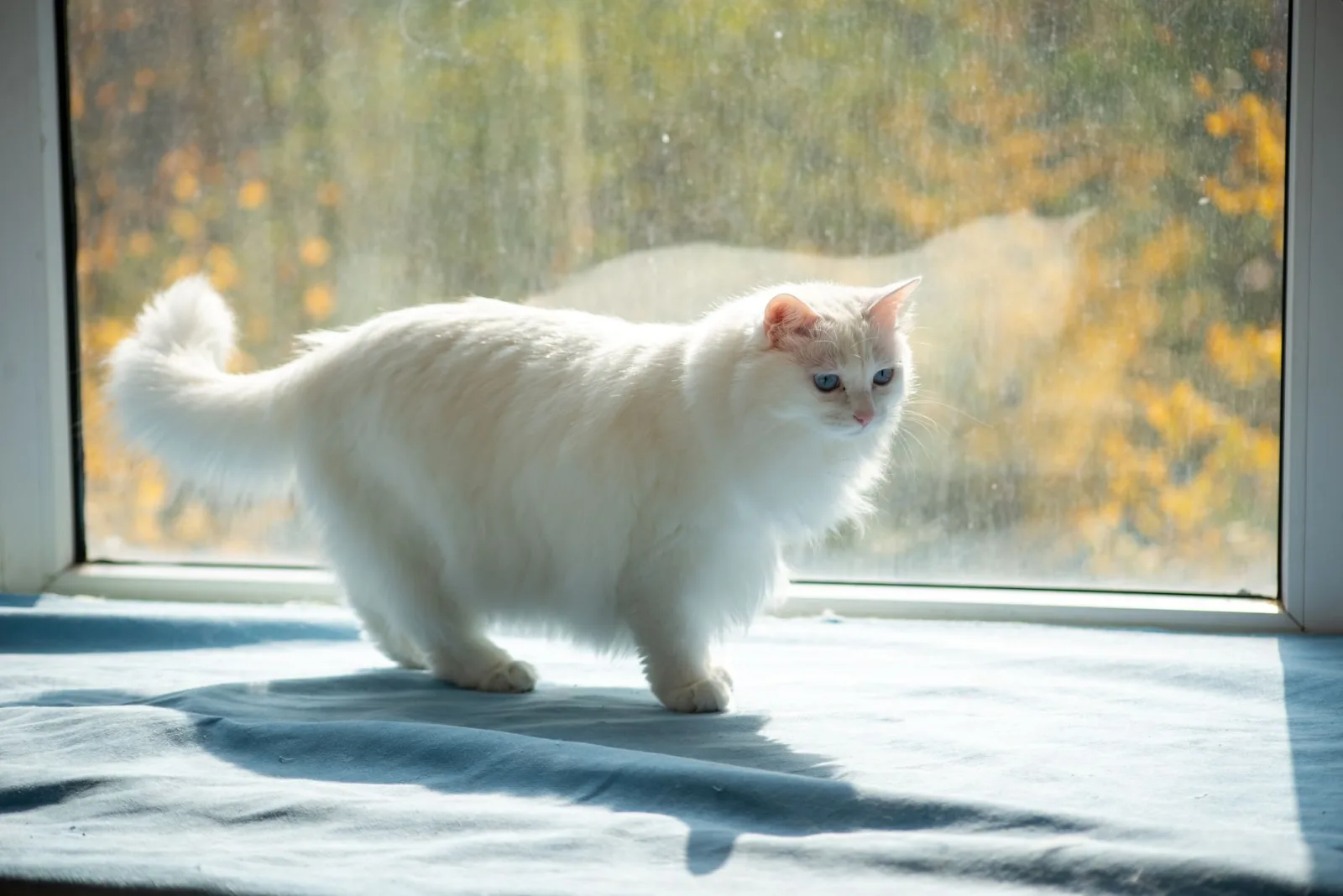
Ragdolls are among the largest domestic breeds, with males often reaching the upper end of the 4.5 to 9 kg range and maturing slowly over three to four years. The semi-long coat is soft and silky, carried in colourpoint, mitted and bicolour patterns set against that unmistakable deep-blue gaze.
Grooming and Health
Happily, the Ragdoll coat lacks a dense undercoat, so it resists matting more than many longhairs and needs only a thorough brushing a couple of times a week to stay sleek. Beyond that, the usual nail trims, ear checks and dental care apply. The most important health concern to be aware of is hypertrophic cardiomyopathy, an inherited heart condition for which responsible breeders test their cats. With good care and regular veterinary visits, a Ragdoll typically enjoys a contented life of 12 to 17 years.