Scottish Fold
A distinctive cat breed known for its folded ears and sweet temperament.
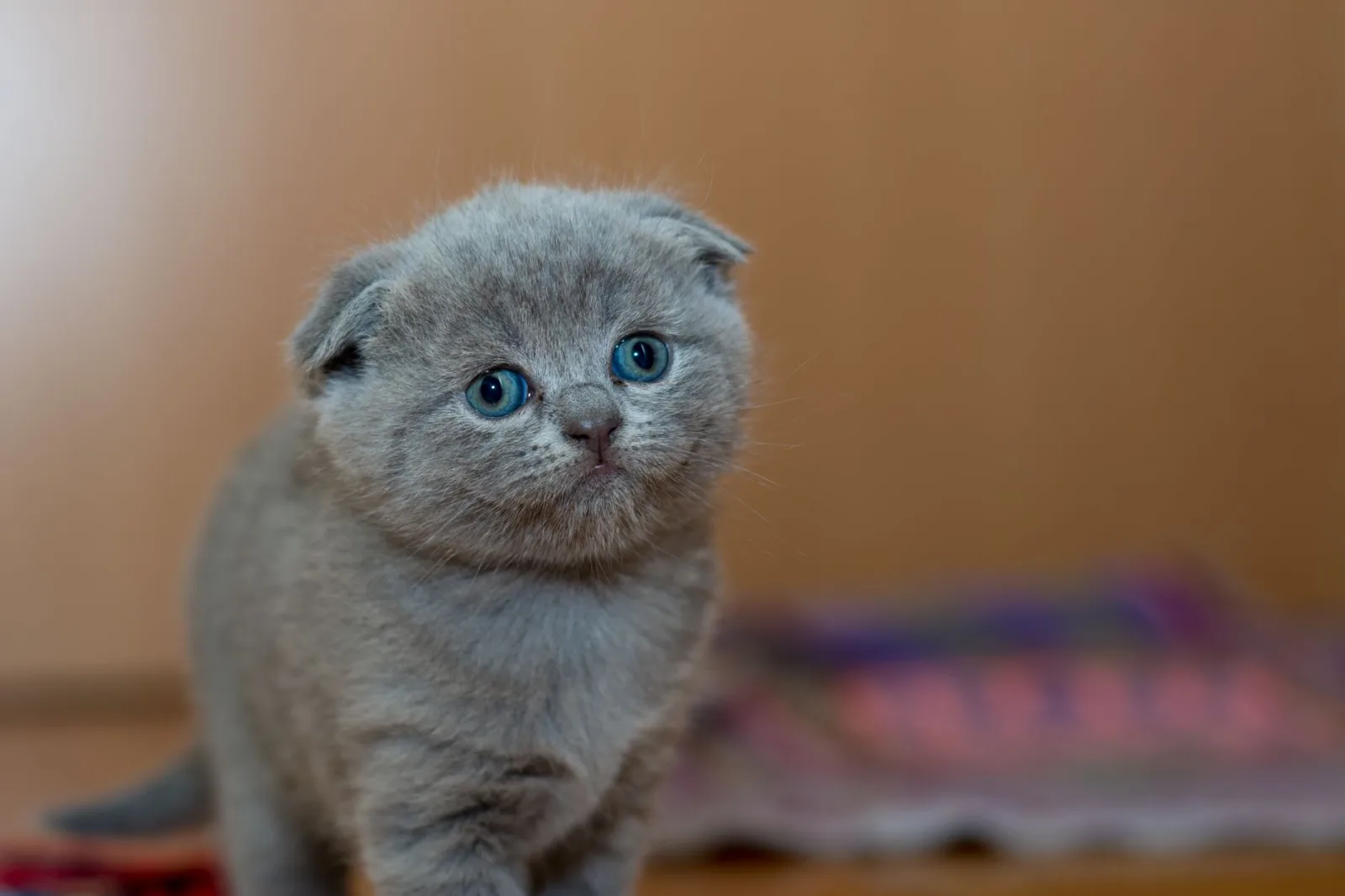
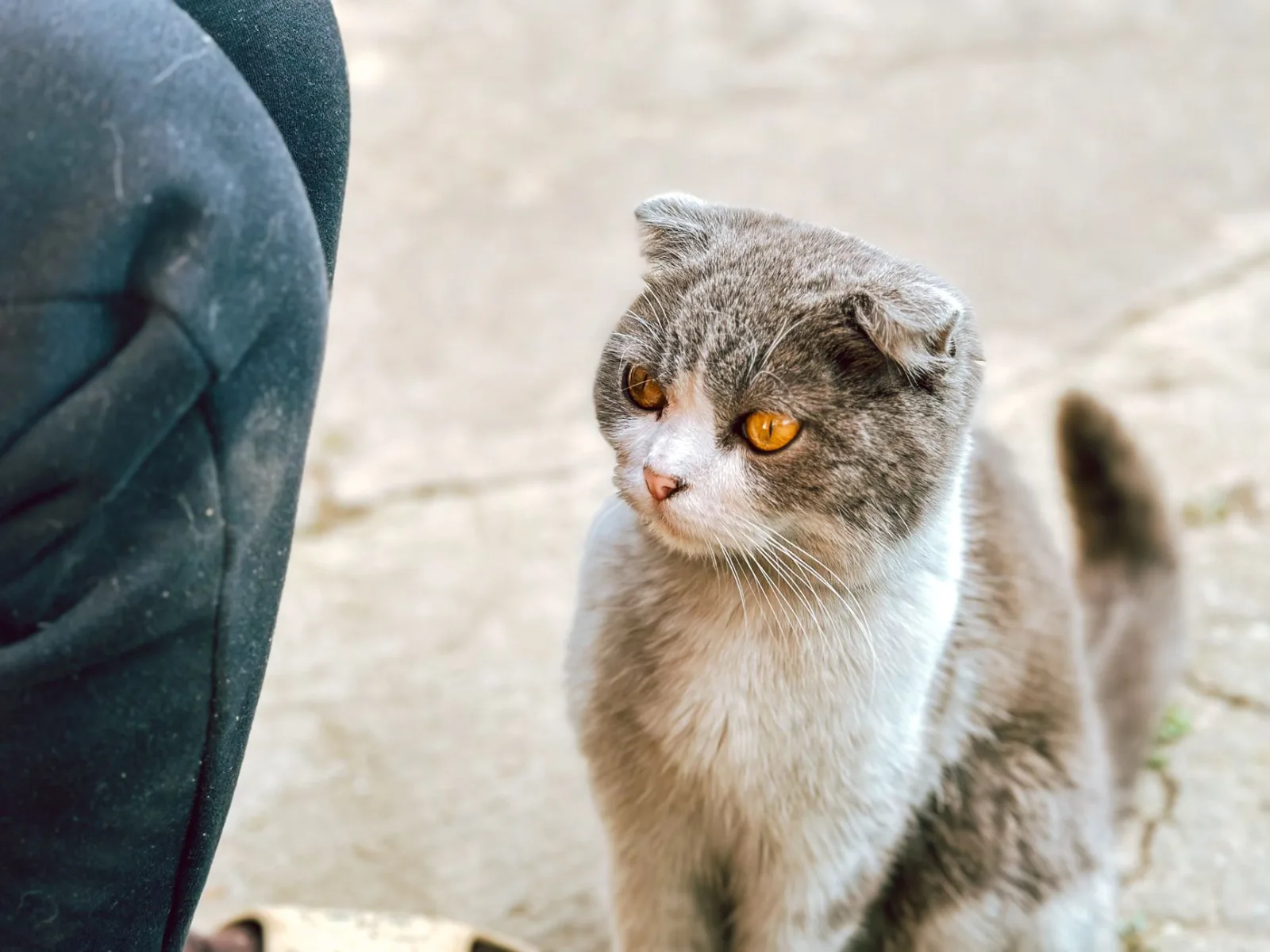
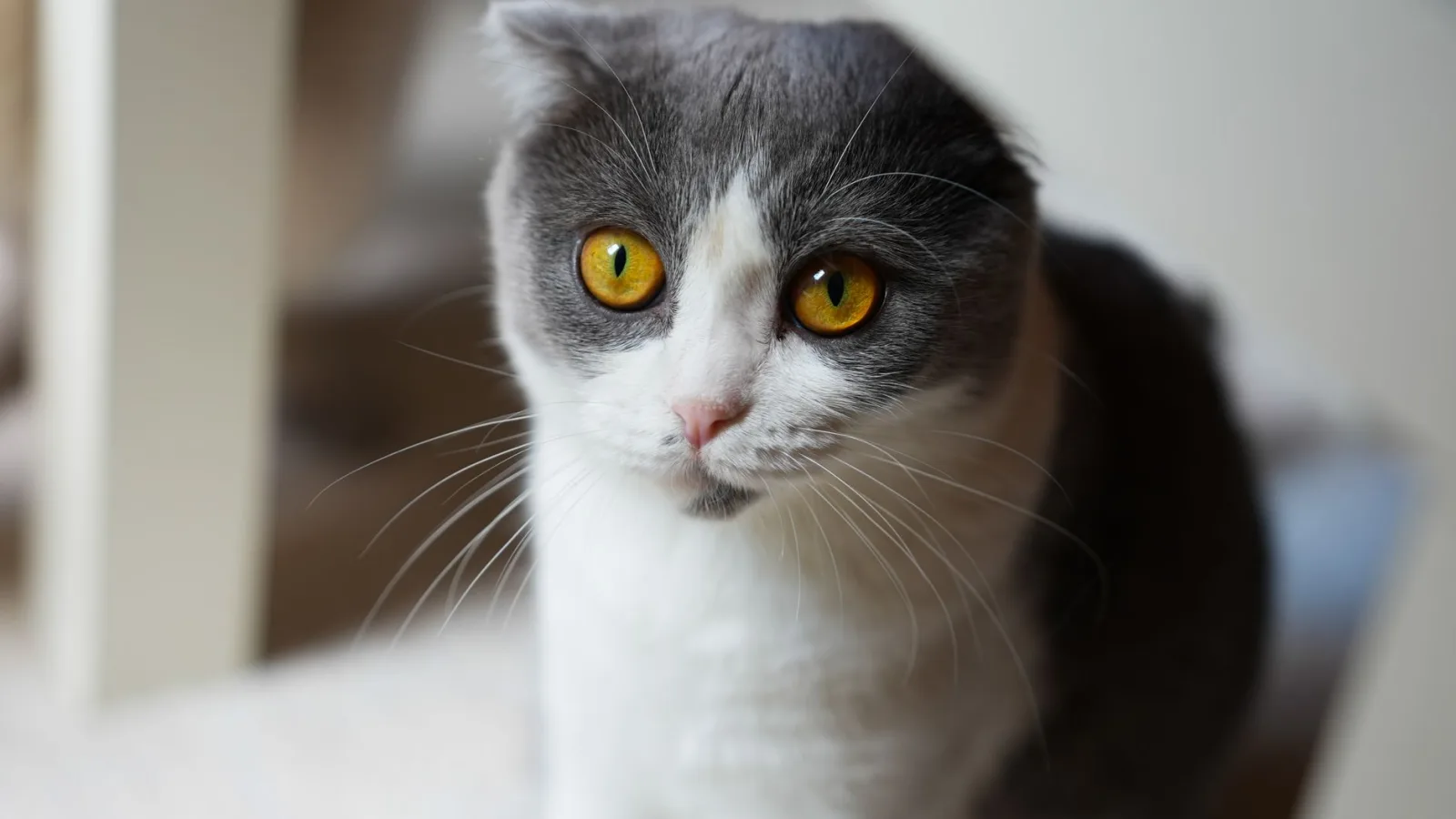
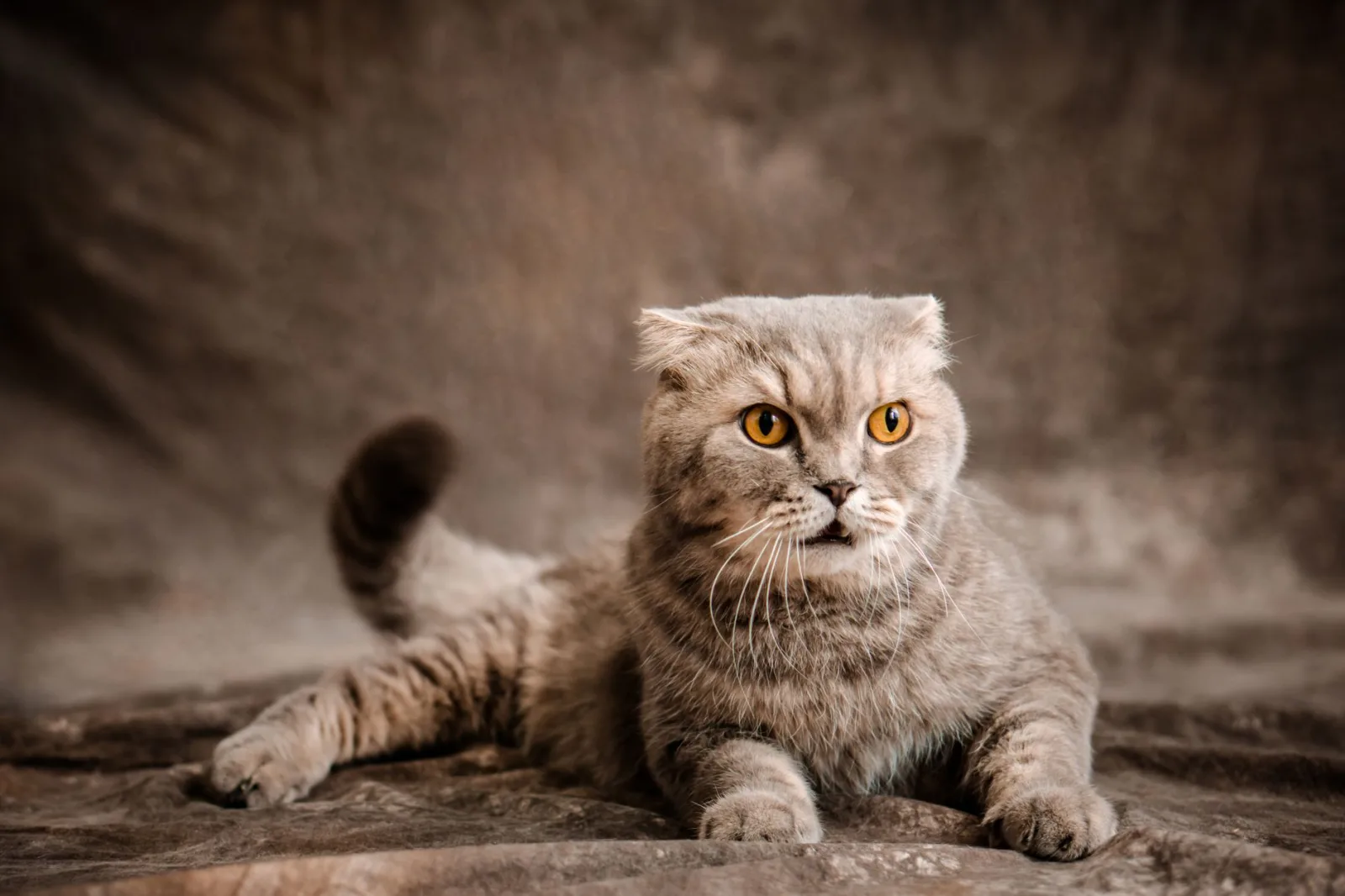
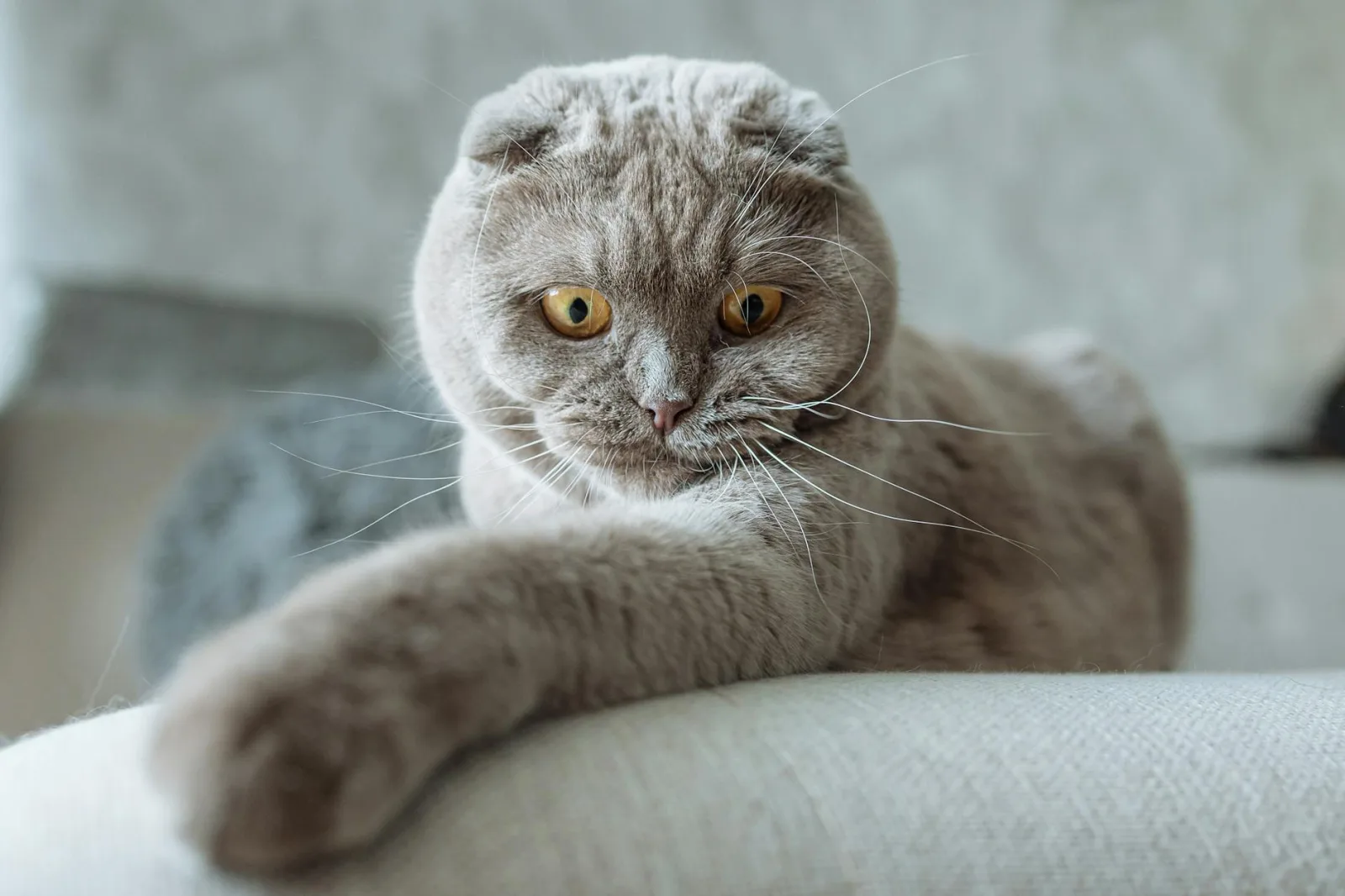
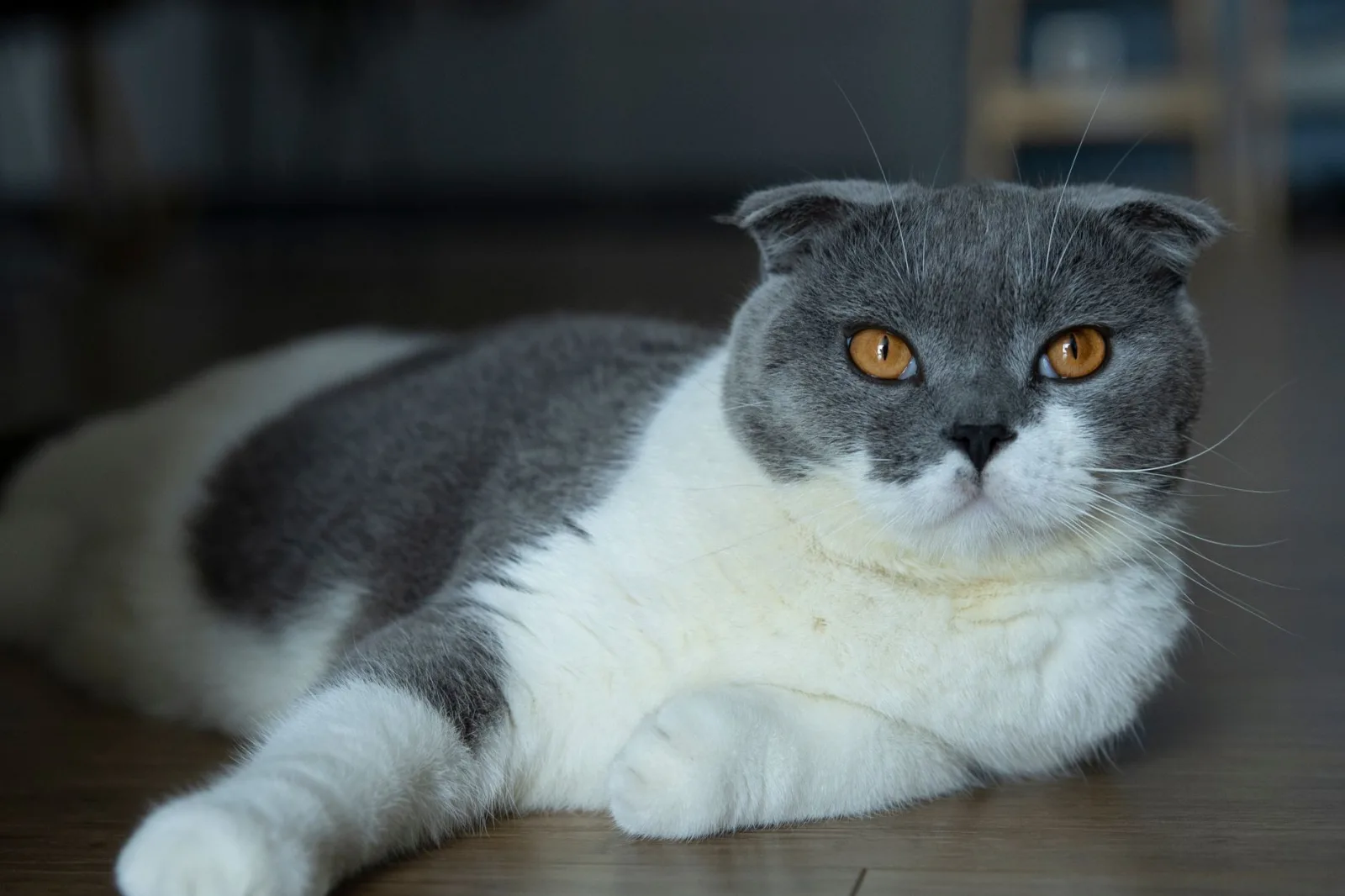
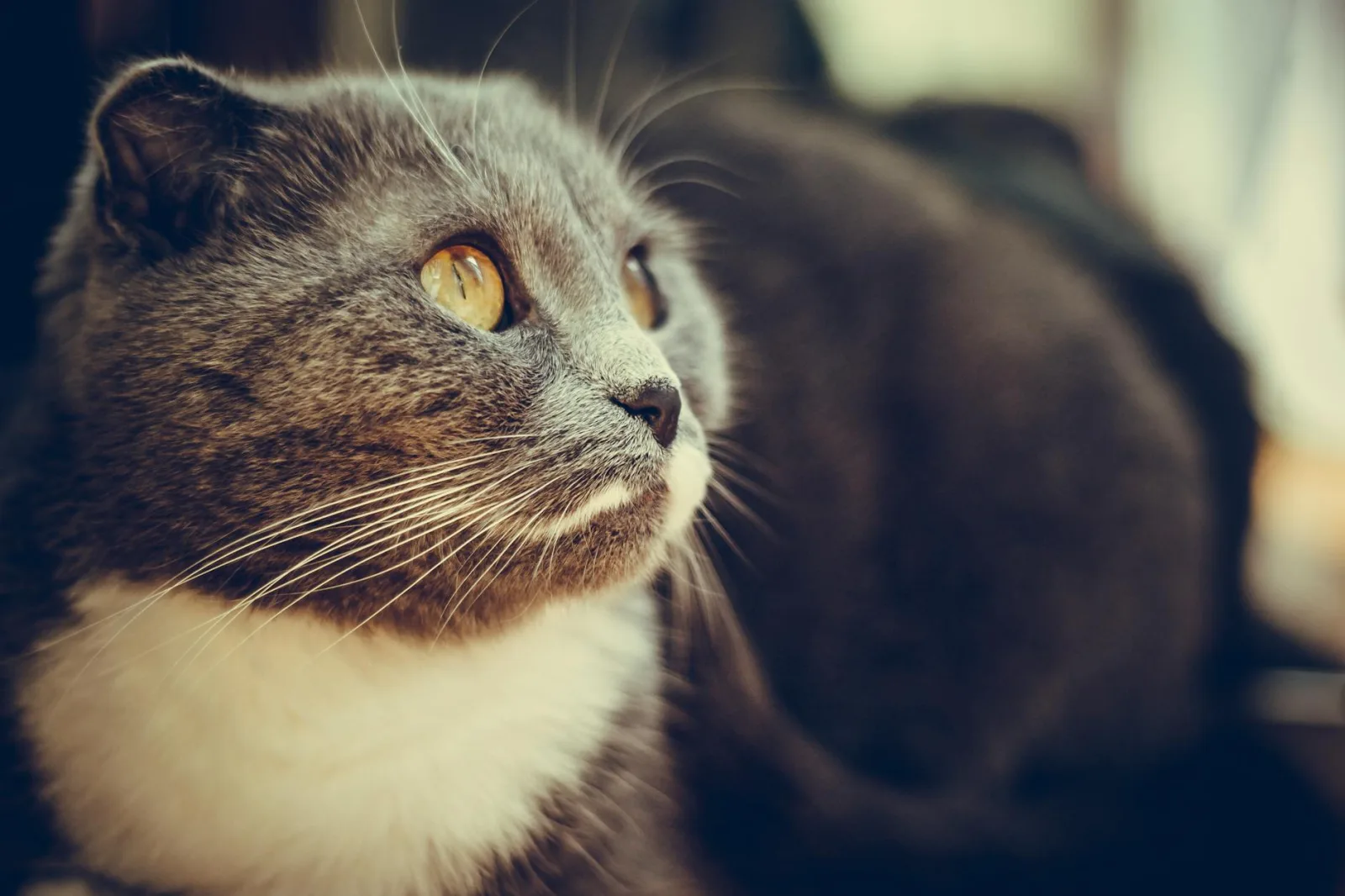
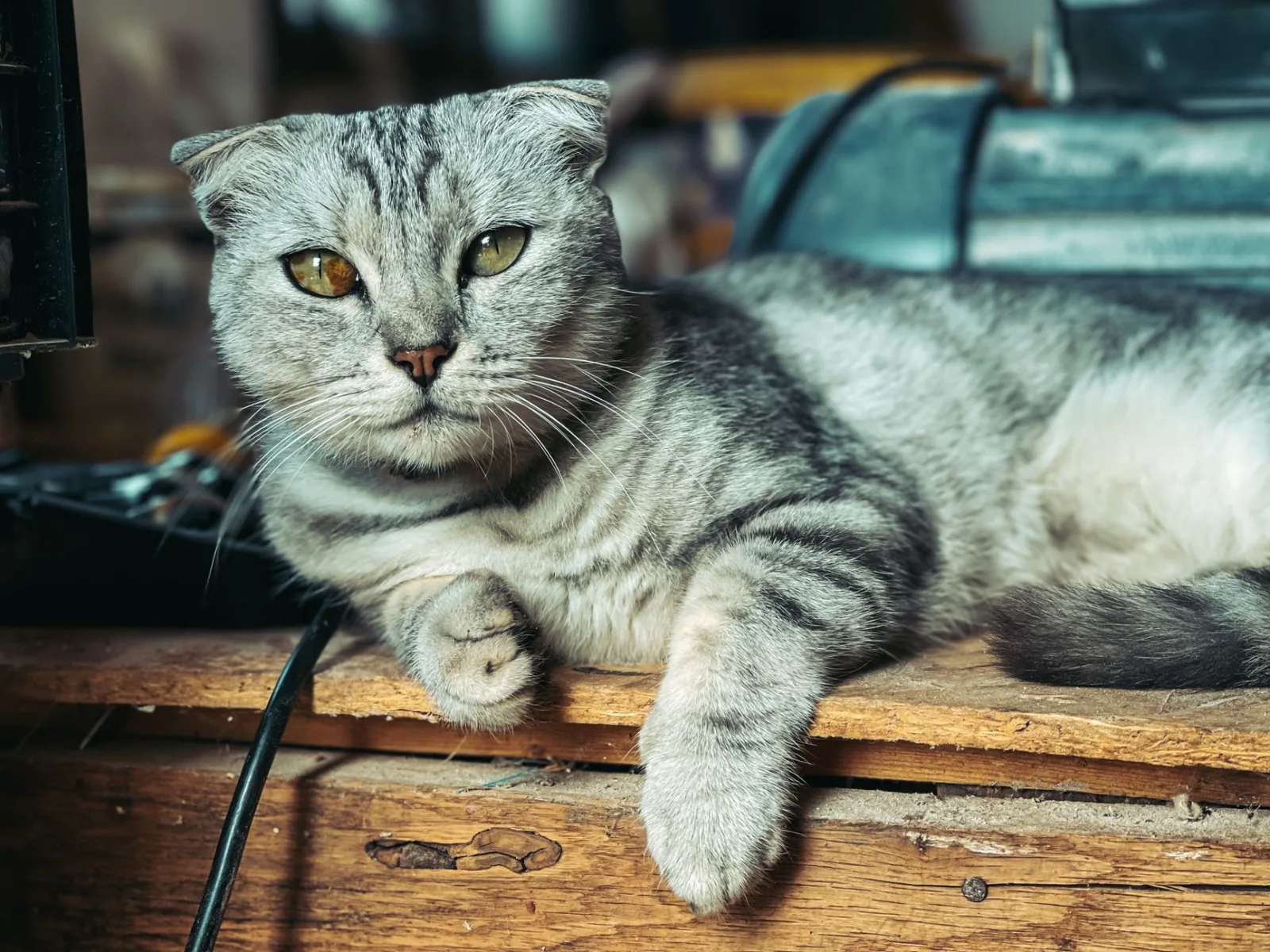
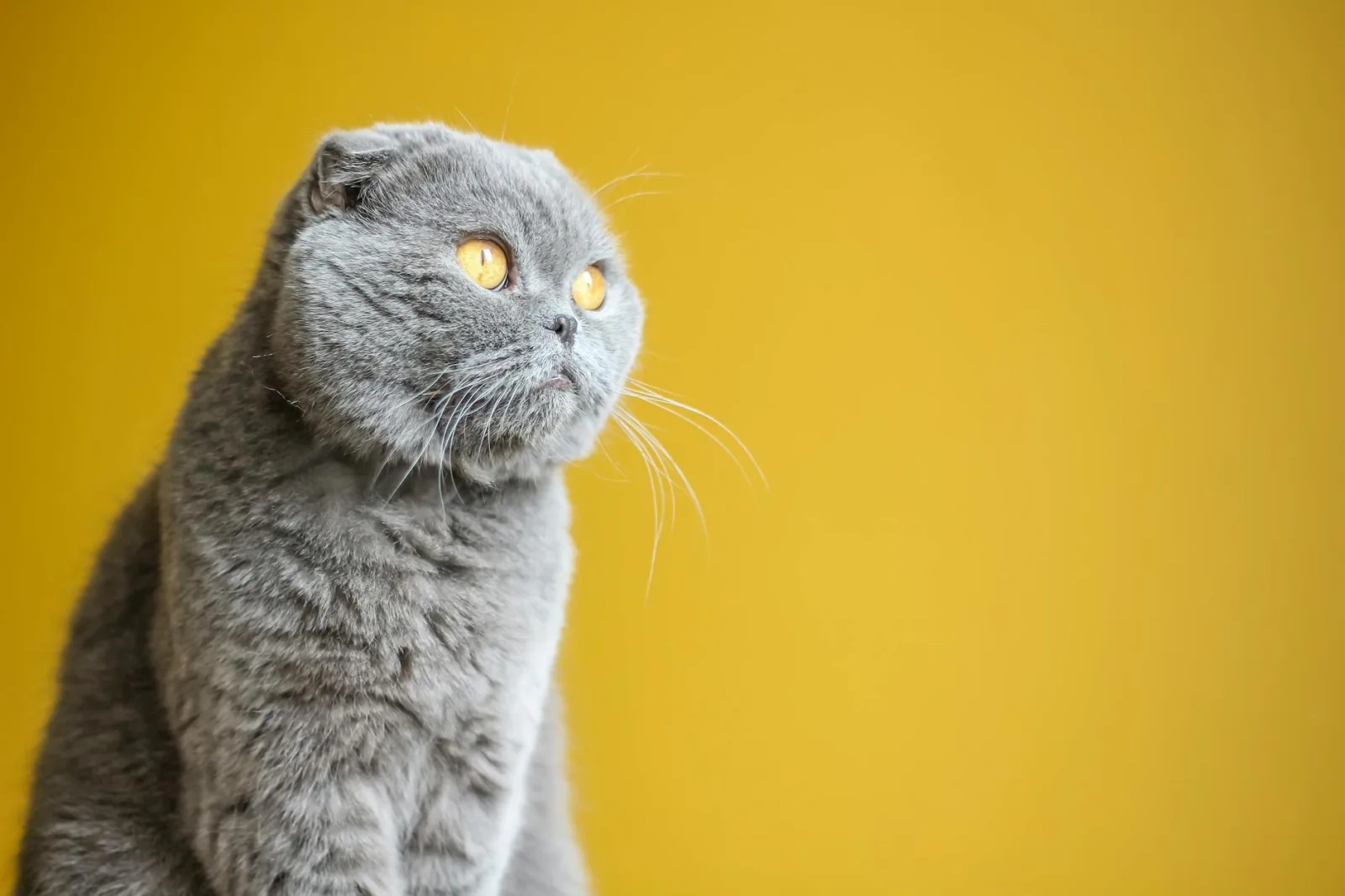
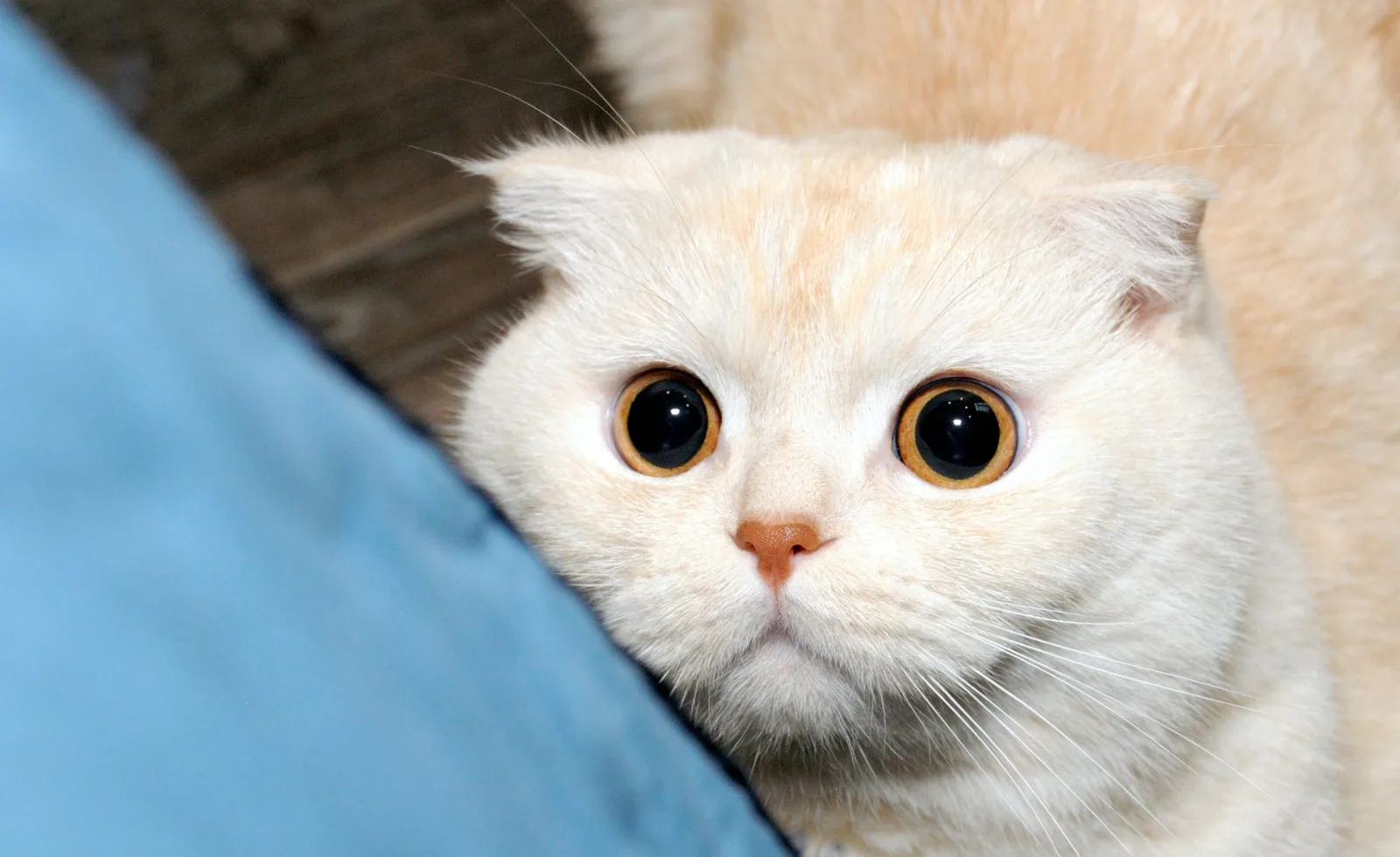
Every Scottish Fold profile blends practical care notes, breed traits, and everyday living guidance.
Breed Levels
How well this breed aligns with lifestyle factors.
Characteristics
Key traits that define this breed.
Appearance
Physical traits and distinctive features of this breed.
Individual pets may vary in appearance, temperament and needs. Early training, proper care and socialization help bring out the best in every companion.
Scottish Fold: The Sweet-Natured Cat With Owl-Like Charm
Few cats are as instantly recognisable as the Scottish Fold, whose forward-folding ears give the face a rounded, almost owl-like appearance. Originating in Scotland, this is a medium-sized, gentle companion that bonds quietly and closely with its people. Adults typically weigh between 2.7 and 6 kg, stand around 20 to 25 cm at the shoulder, and share a calm, easygoing outlook on life. With attentive care, most live 11 to 15 years. Prospective owners should understand both the breed's appeal and the serious genetic health questions tied to its signature look.
A Farm Cat Named Susie
The breed traces back to a single white barn cat called Susie, discovered on a farm near Coupar Angus in Perthshire in 1961. Susie's unusual folded ears caught the eye of a local shepherd, and her kittens carried the same trait. Selective breeding from her line established the Scottish Fold we know today. The fold is produced by a dominant gene that affects how cartilage develops throughout the body, bending the ear forward rather than letting it stand upright. Kittens are actually born with straight ears; the fold, when it appears, emerges in the first few weeks. Cats that never develop the fold are usually called Scottish Straights.
Appearance
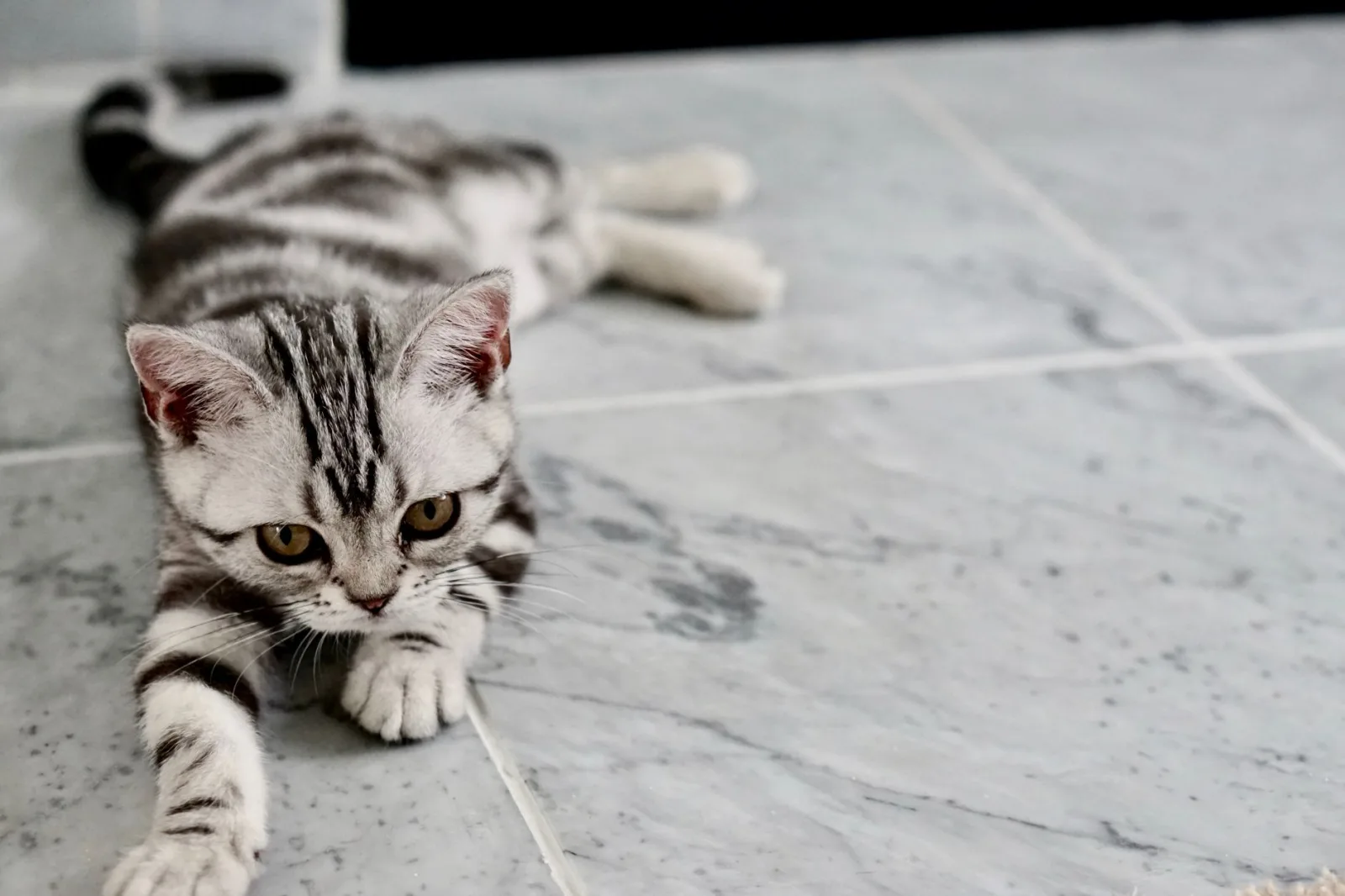
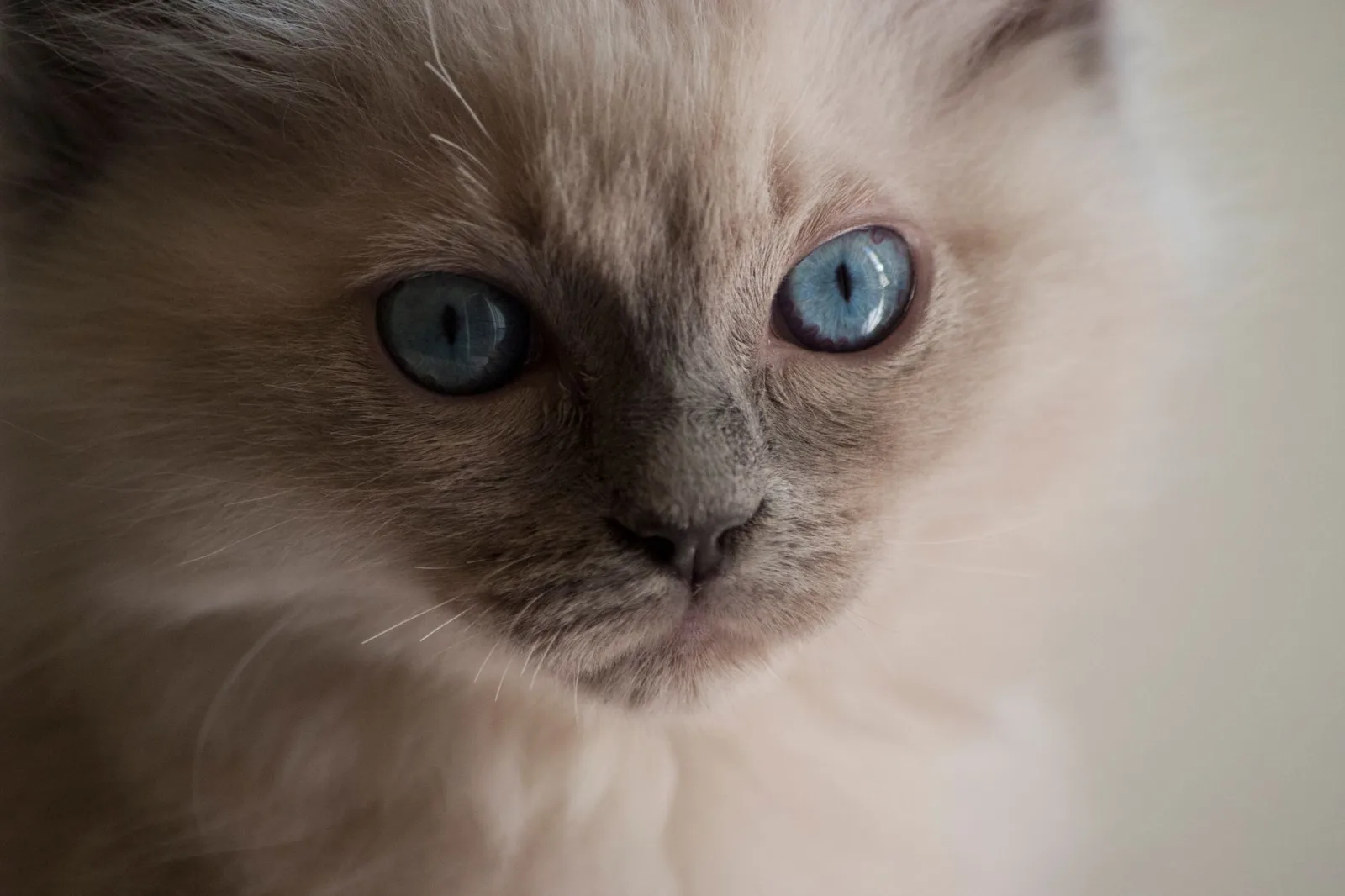
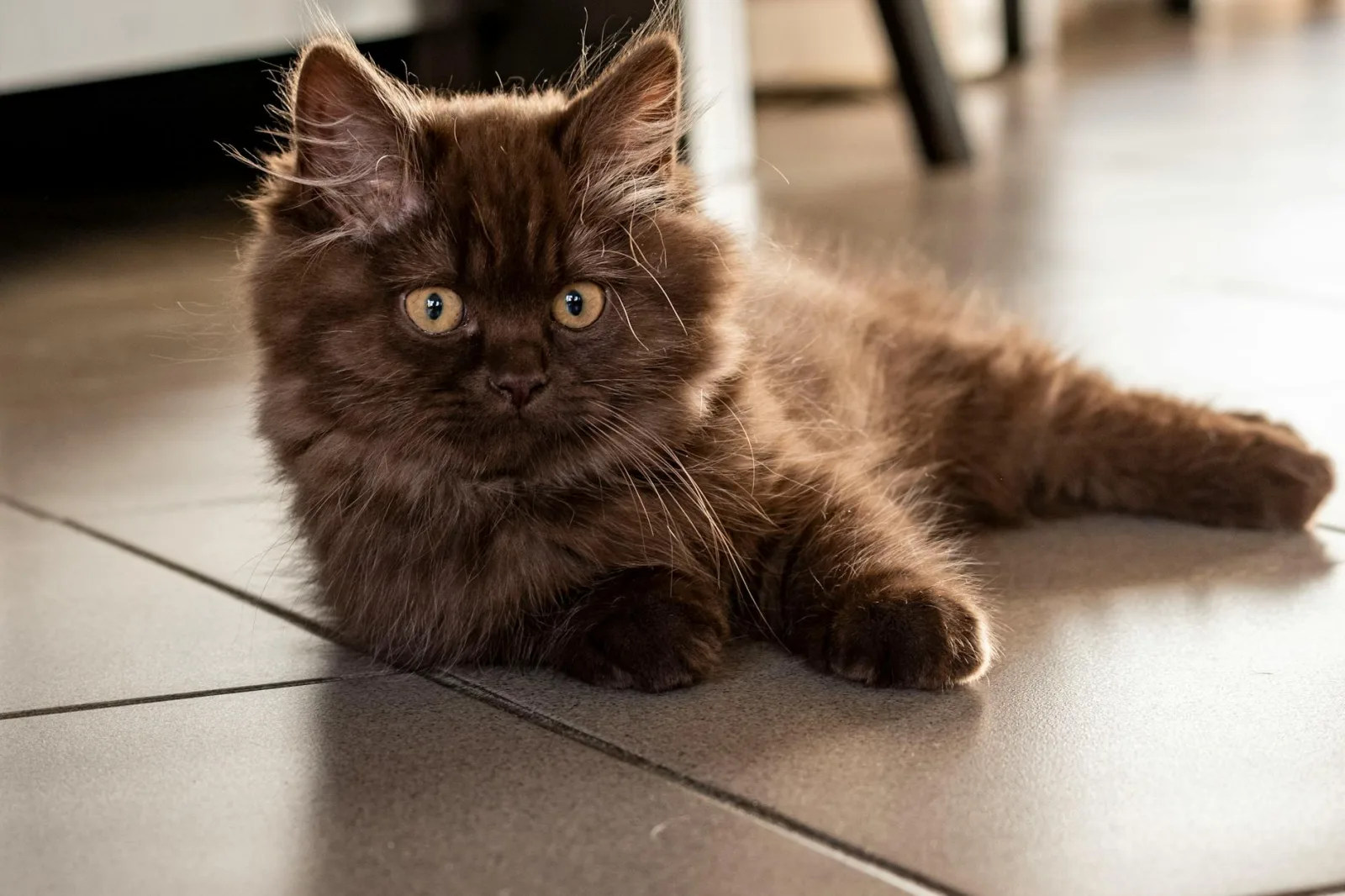
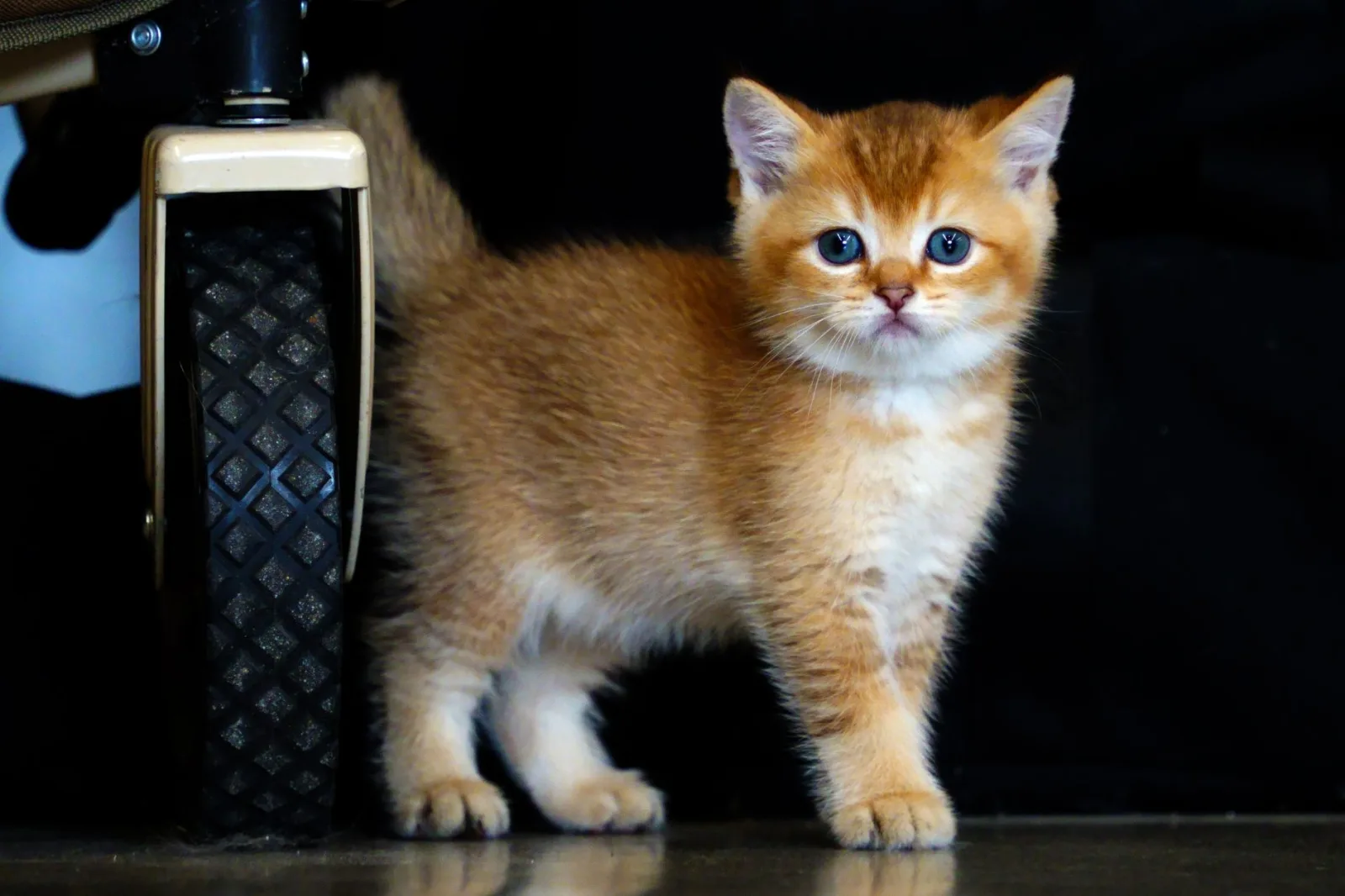
Beyond the ears, the Scottish Fold has a sweetly rounded head, large open eyes, and a compact, well-padded body that adds to its soft, cuddly impression. Coats come in both shorthair and longhair varieties and span a wide range of colours and patterns. The combination of round face and folded ears creates the characteristic owl-like or teddy-bear look that draws so many admirers.
Temperament
This is a famously sweet, affectionate, calm and adaptable cat. Scottish Folds tend to be devoted but undemanding, happy to follow a favourite person from room to room and settle nearby rather than constantly seeking the spotlight. They generally cope well with children, other pets, and changes in routine, which makes them a good fit for many households. Many owners note a quiet, chirping voice and a fondness for sitting in relaxed, upright poses.
The Serious Health Concern
The same gene that folds the ears also causes osteochondrodysplasia, a degenerative disorder of cartilage and bone. To some degree it affects every folded cat, not only obvious cases, and it can lead to painful, progressive changes in the joints, tail, and limbs. Because of this, the breed is controversial: several welfare organisations and registries do not recognise it or have discouraged or banned its breeding on animal-welfare grounds. Owners should watch for warning signs such as stiffness, reluctance to jump, an abnormal or stiff gait, lameness, or a thickened, inflexible tail, and seek veterinary advice promptly. Anyone considering this breed should think carefully about these welfare issues and, if proceeding, prioritise responsible, welfare-conscious breeding and avoid pairings known to intensify the condition.
Grooming and Everyday Care
General care is straightforward. Shorthaired Folds need brushing about once a week, while longhaired cats benefit from more frequent grooming to prevent mats. The folded ears should be checked regularly and gently cleaned, as the shape can trap wax and debris. Routine nail trims, dental care, a balanced diet to avoid excess weight, and regular veterinary check-ups round out a sensible care plan, with extra attention to joint comfort and mobility as the cat ages.