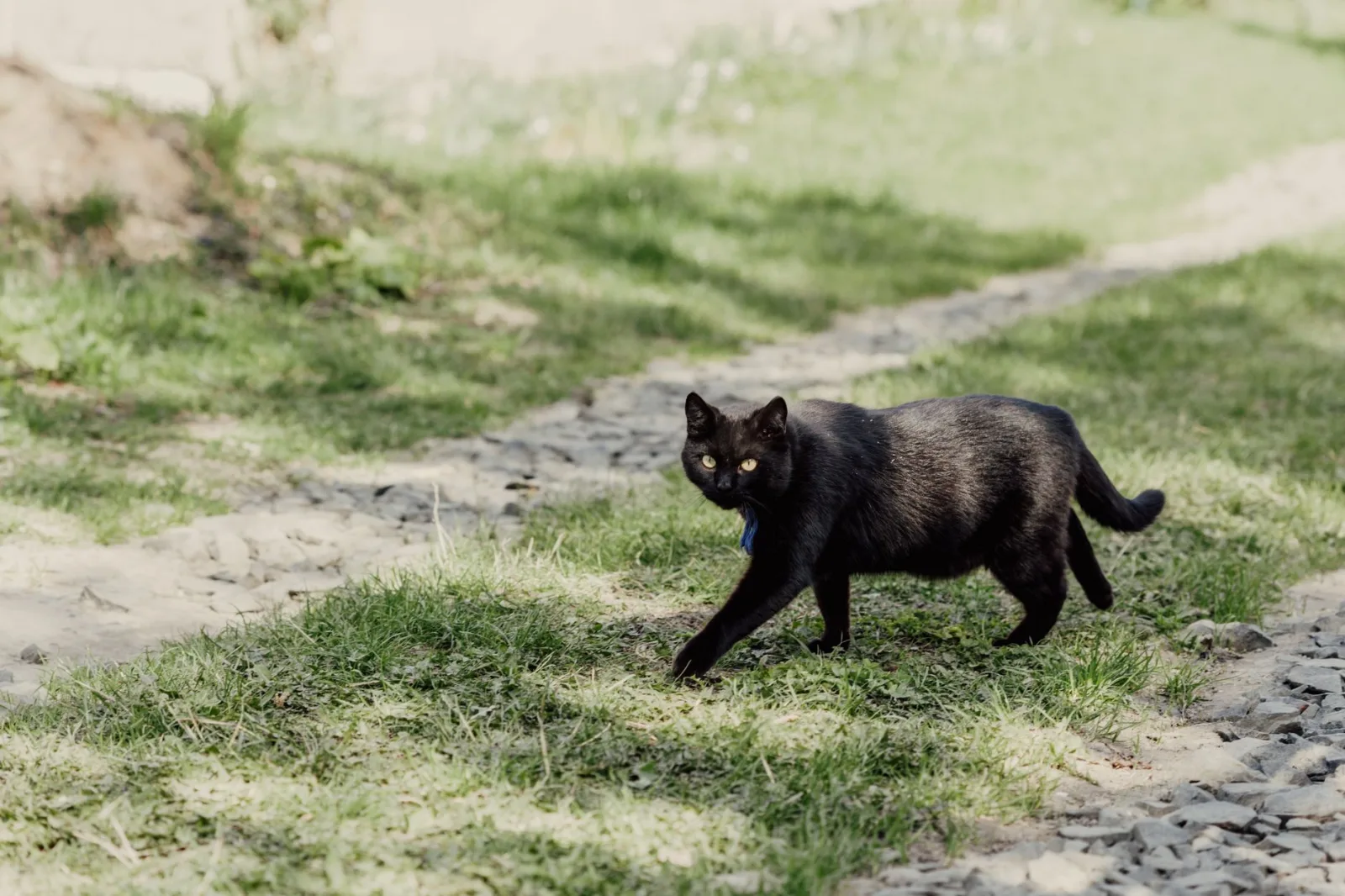
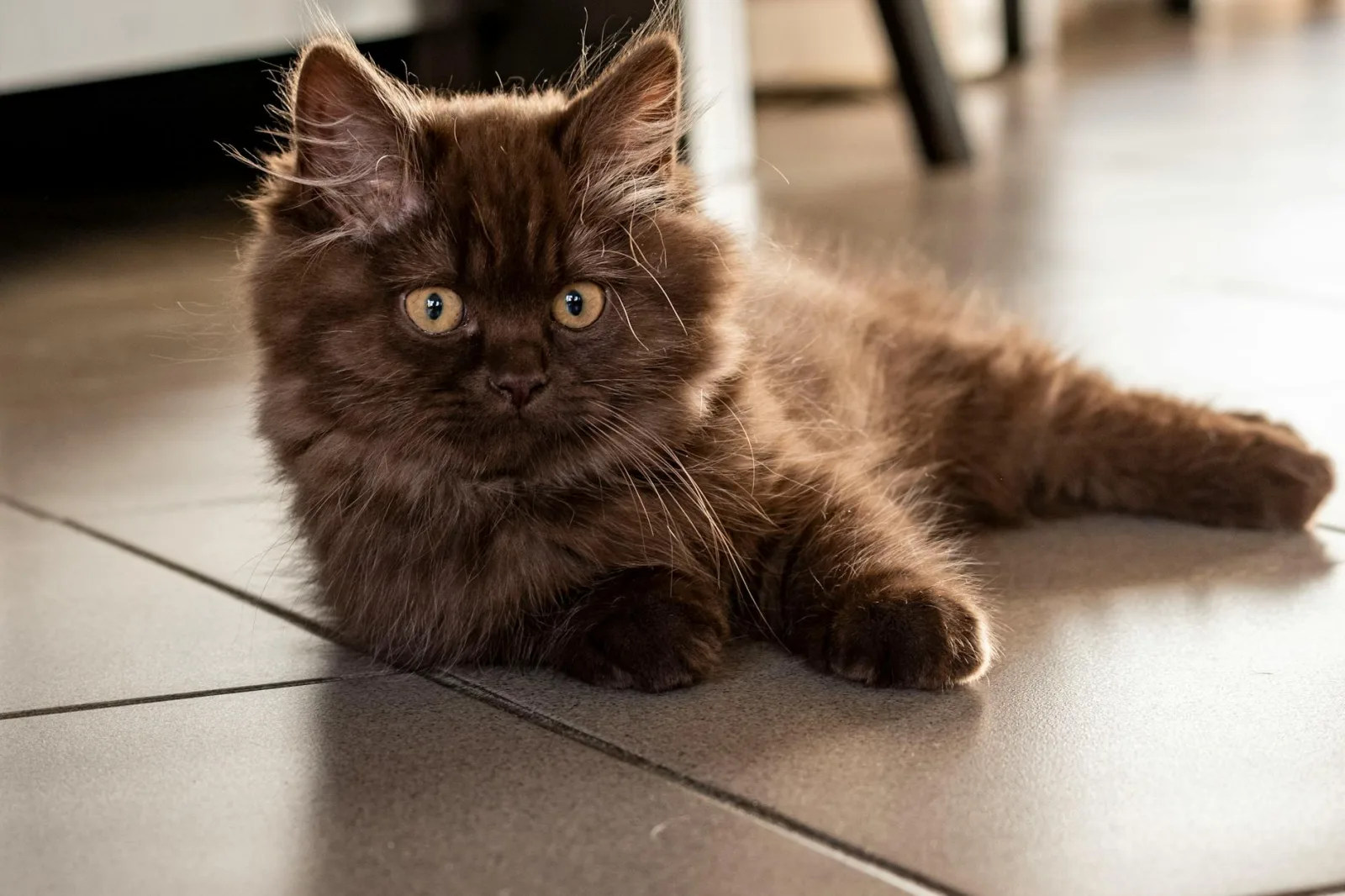
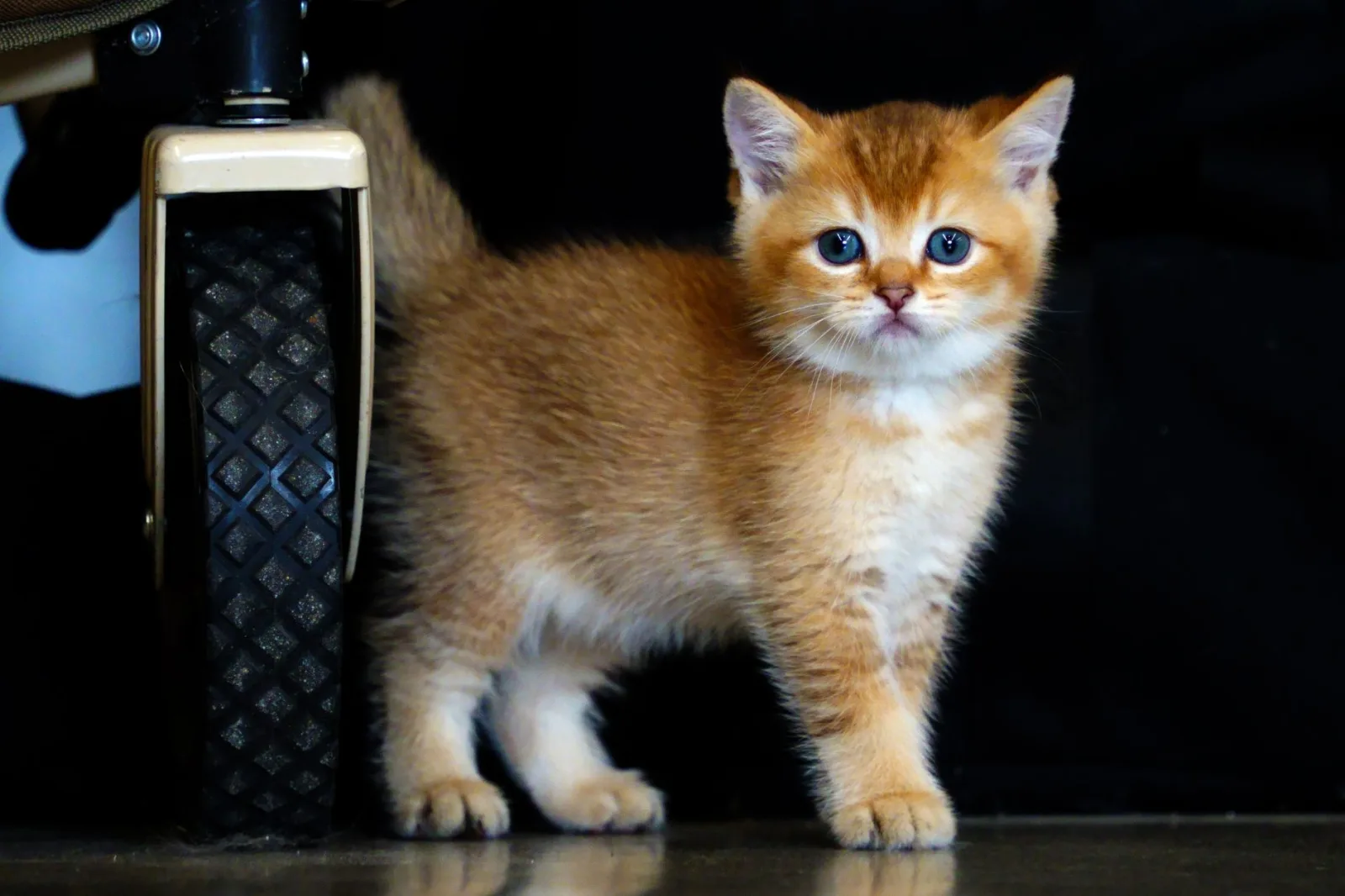
Siberian
A powerful Russian forest cat with a dense weather-resistant coat.
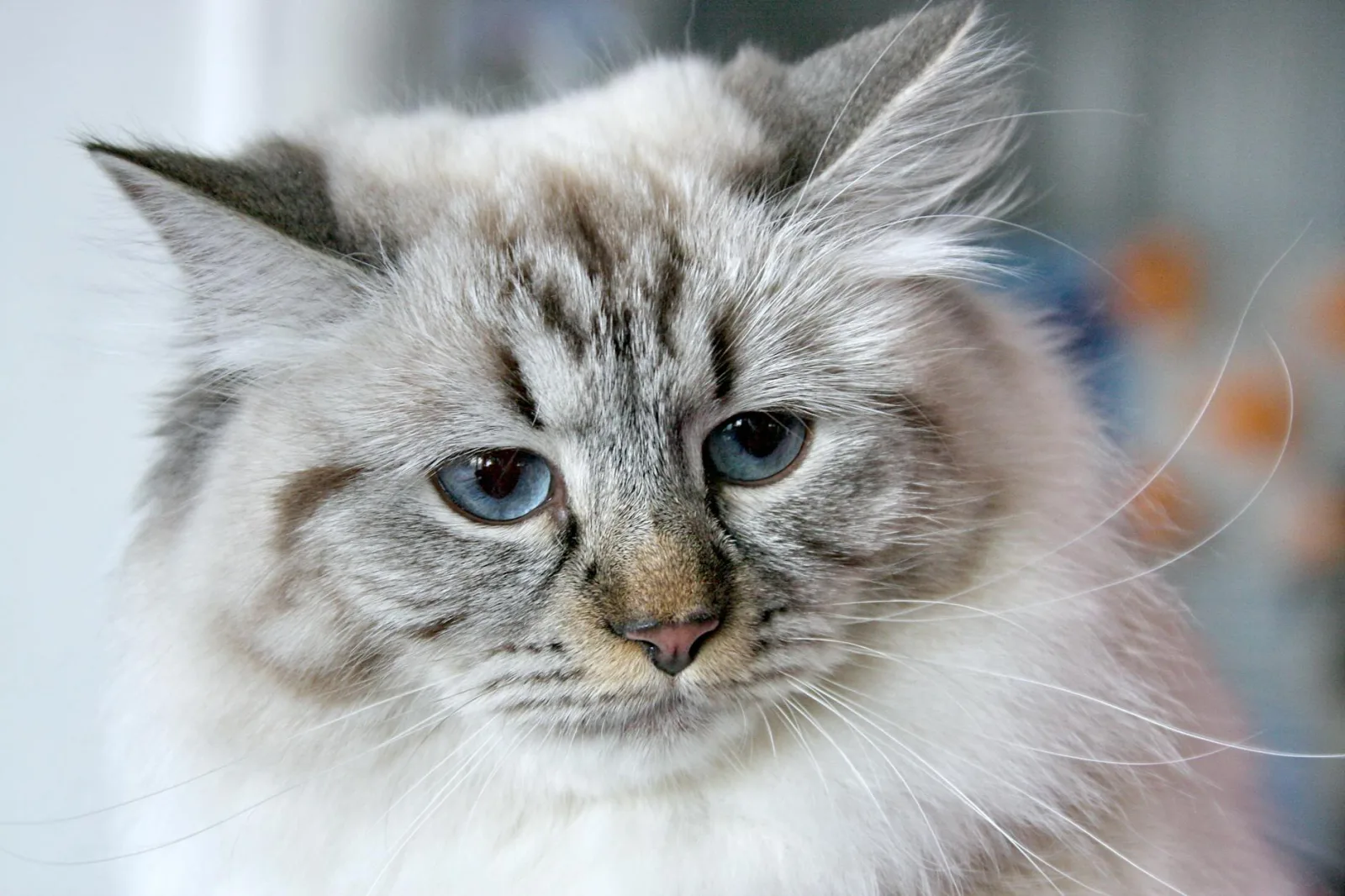
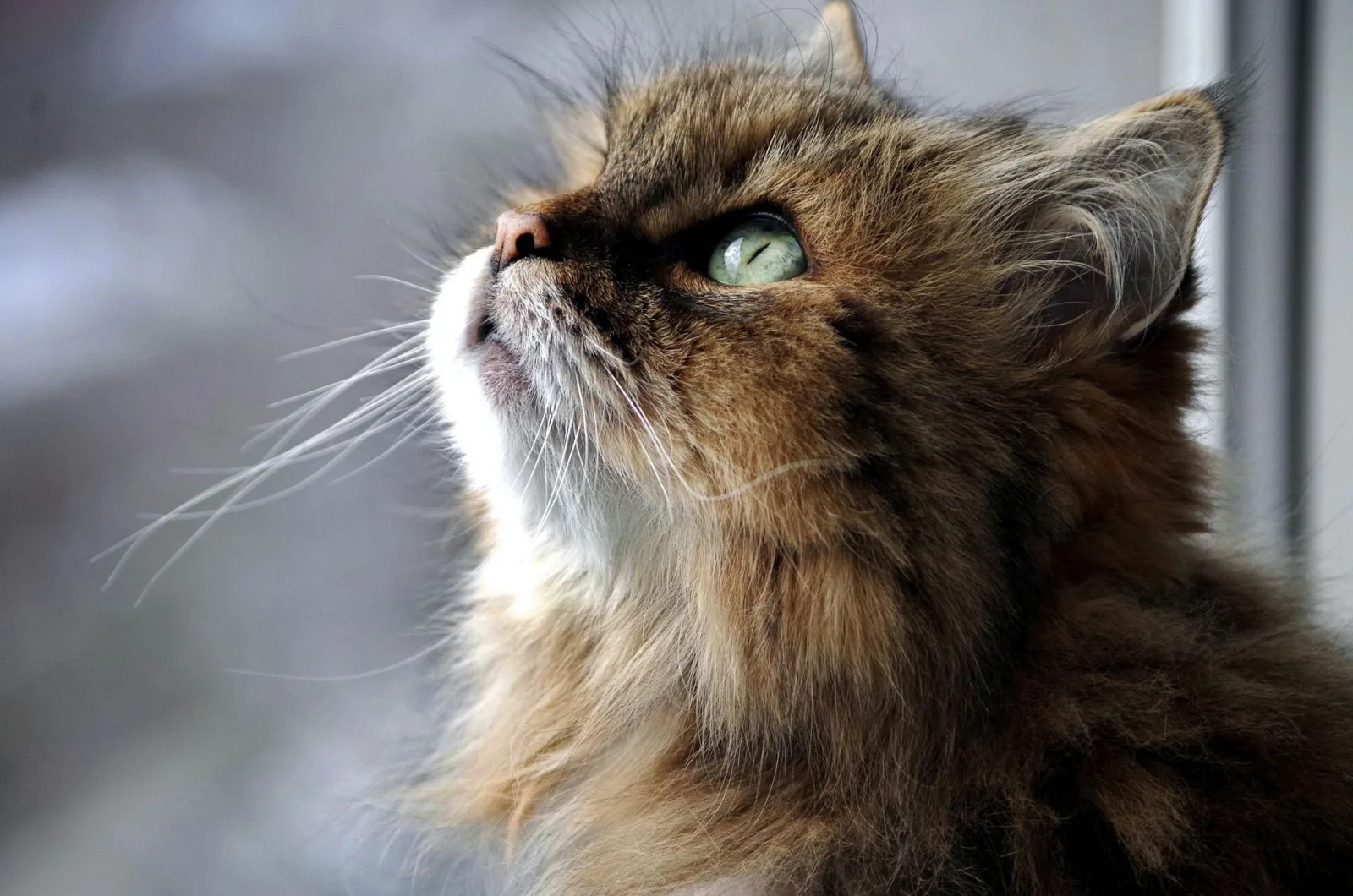
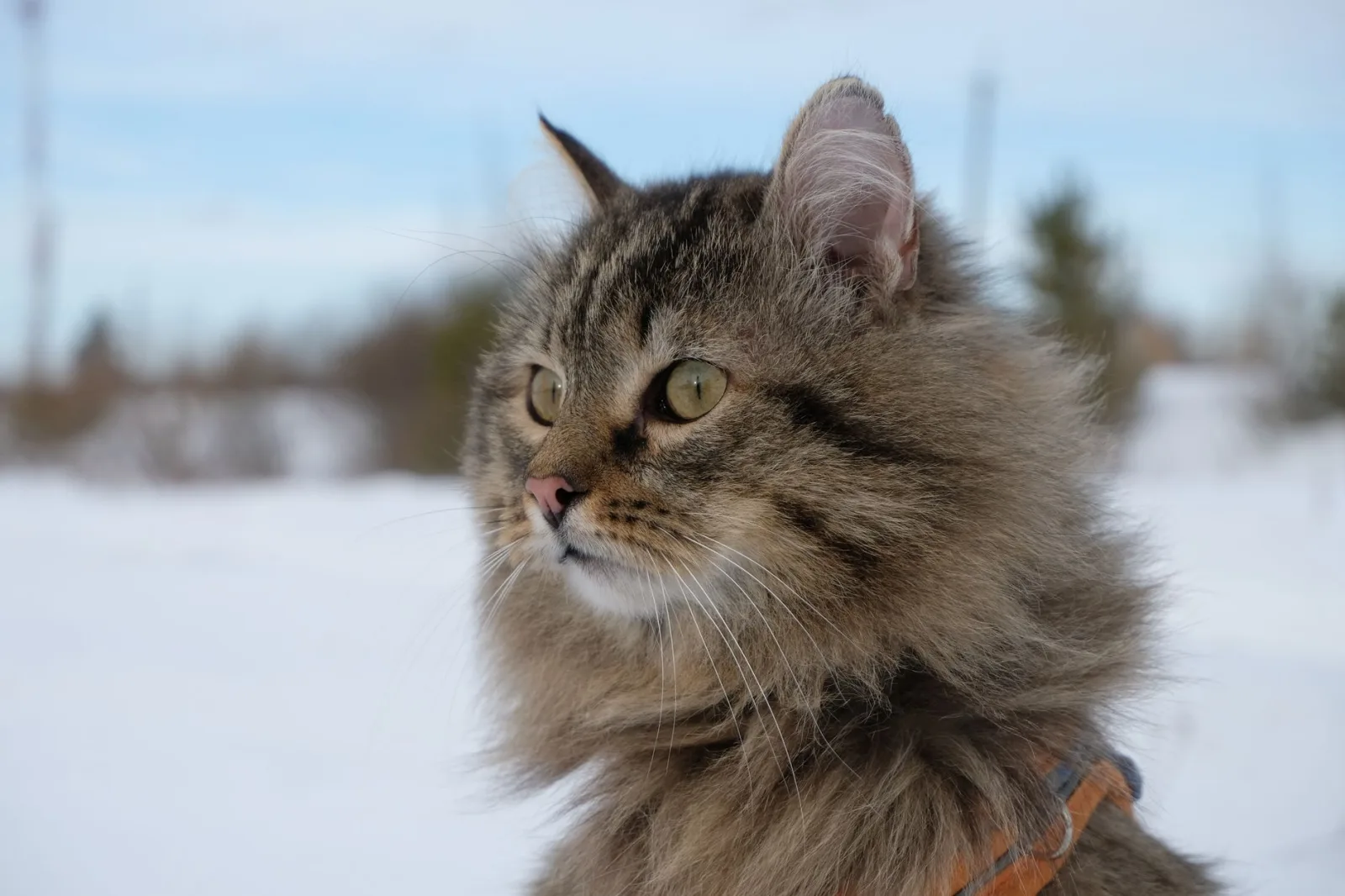
Every Siberian profile blends practical care notes, breed traits, and everyday living guidance.
Breed Levels
How well this breed aligns with lifestyle factors.
Characteristics
Key traits that define this breed.
Appearance
Physical traits and distinctive features of this breed.
Individual pets may vary in appearance, temperament and needs. Early training, proper care and socialization help bring out the best in every companion.
The Siberian Cat: Russia's Forest-Dwelling National Treasure
The Siberian, also called the Siberian Forest Cat, is a robust and strikingly beautiful breed that emerged naturally across the cold expanses of Russia. Far from being a product of selective breeding programmes, this cat developed over centuries in the harsh taiga forests, where only the hardiest and most resourceful felines endured. Often regarded as the national cat of Russia, the Siberian appears in folklore, fairy tales, and old records dating back hundreds of years, long before it reached Western breeders in the late twentieth century. Today it is a beloved companion that combines rugged origins with an exceptionally warm and engaging character.
A Powerful Build Shaped by the Wild
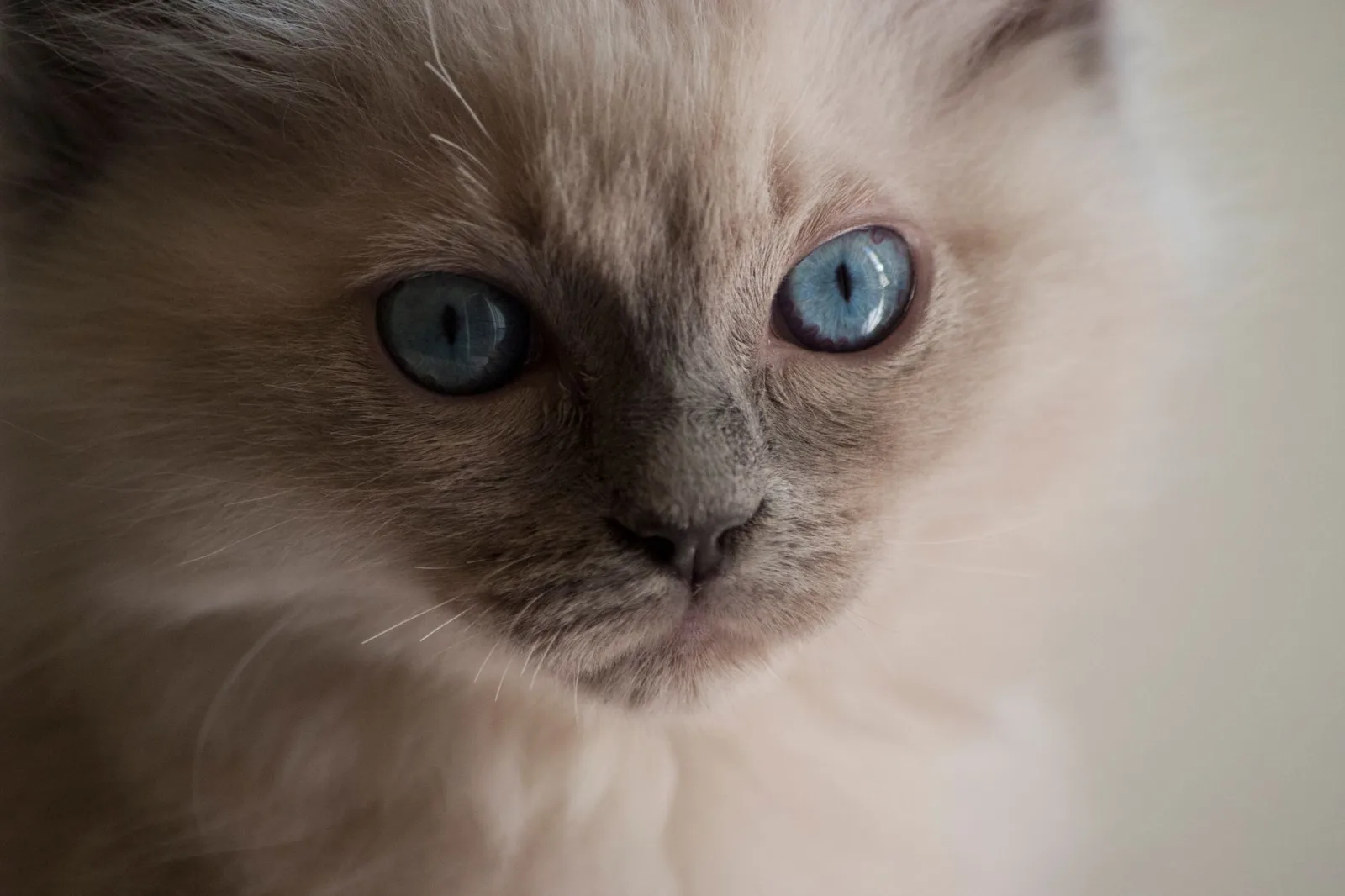
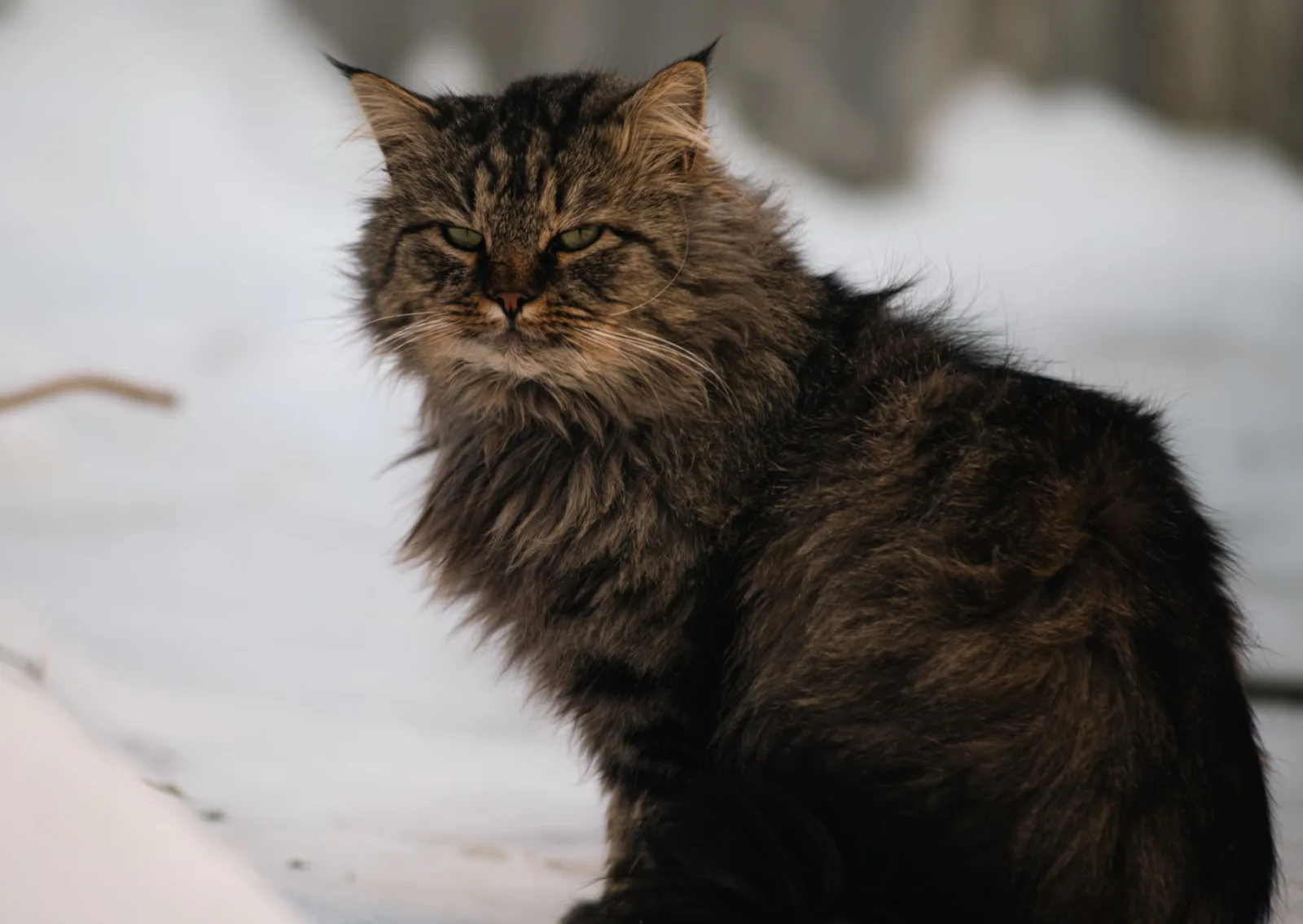
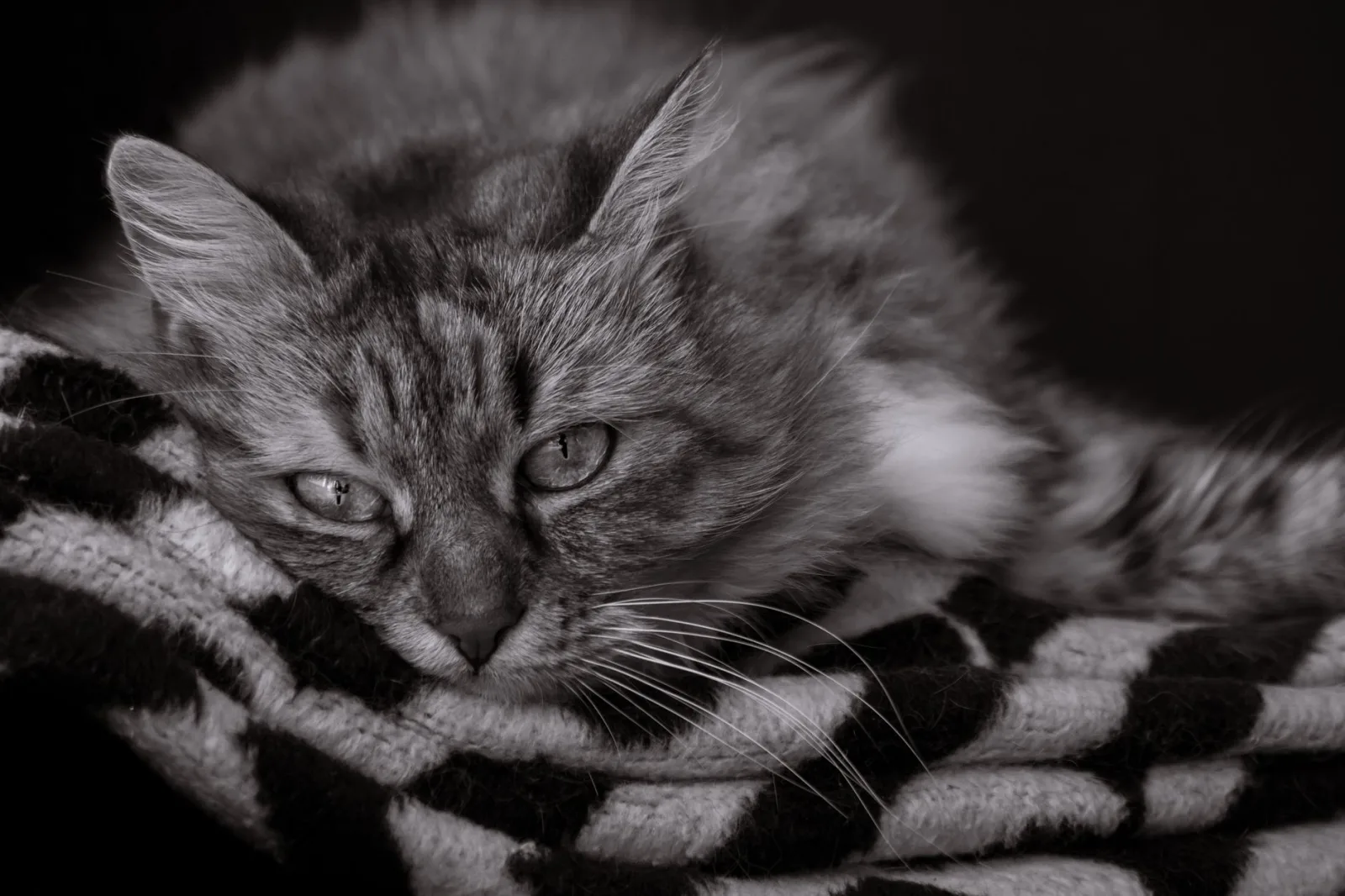
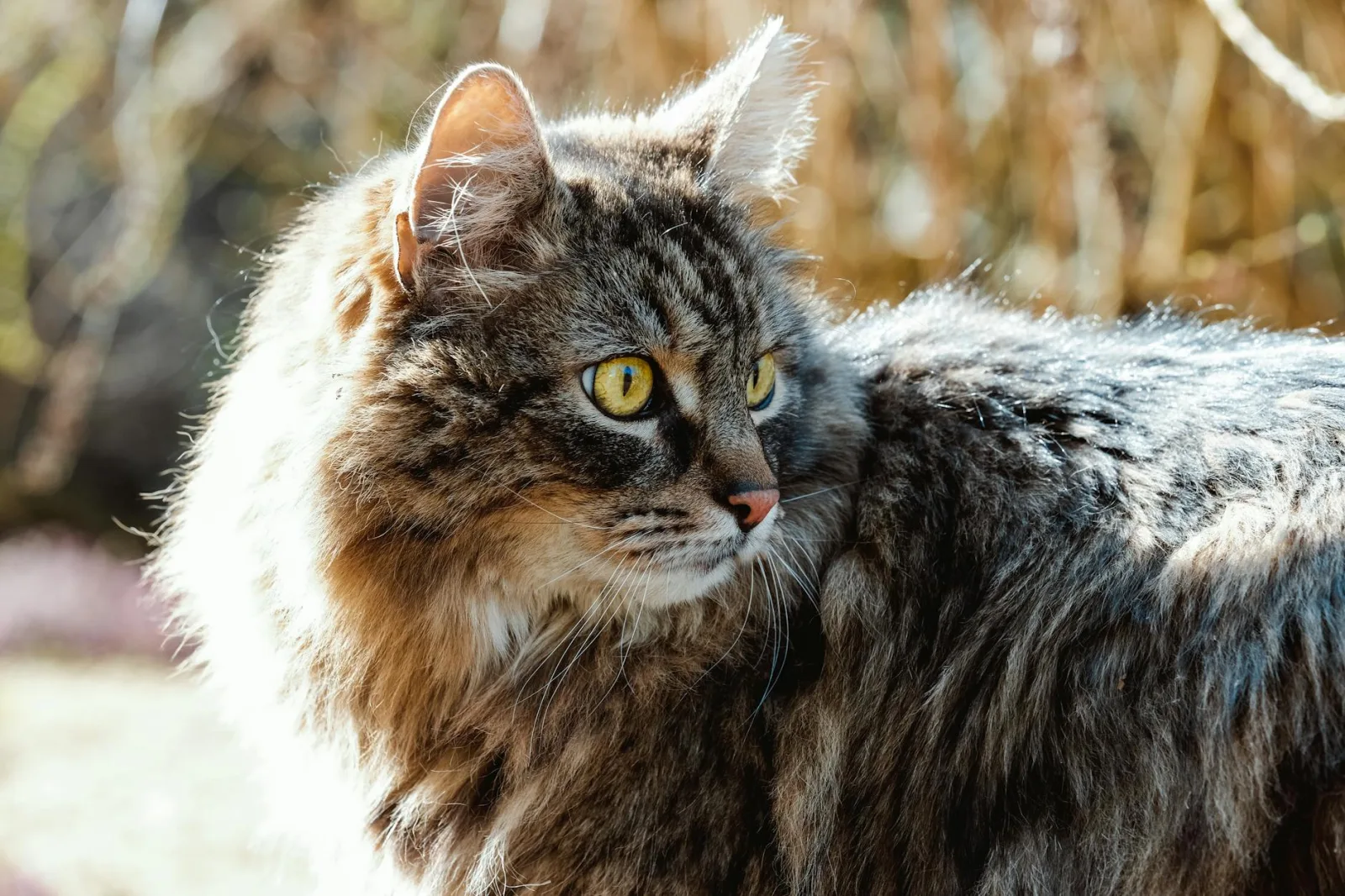
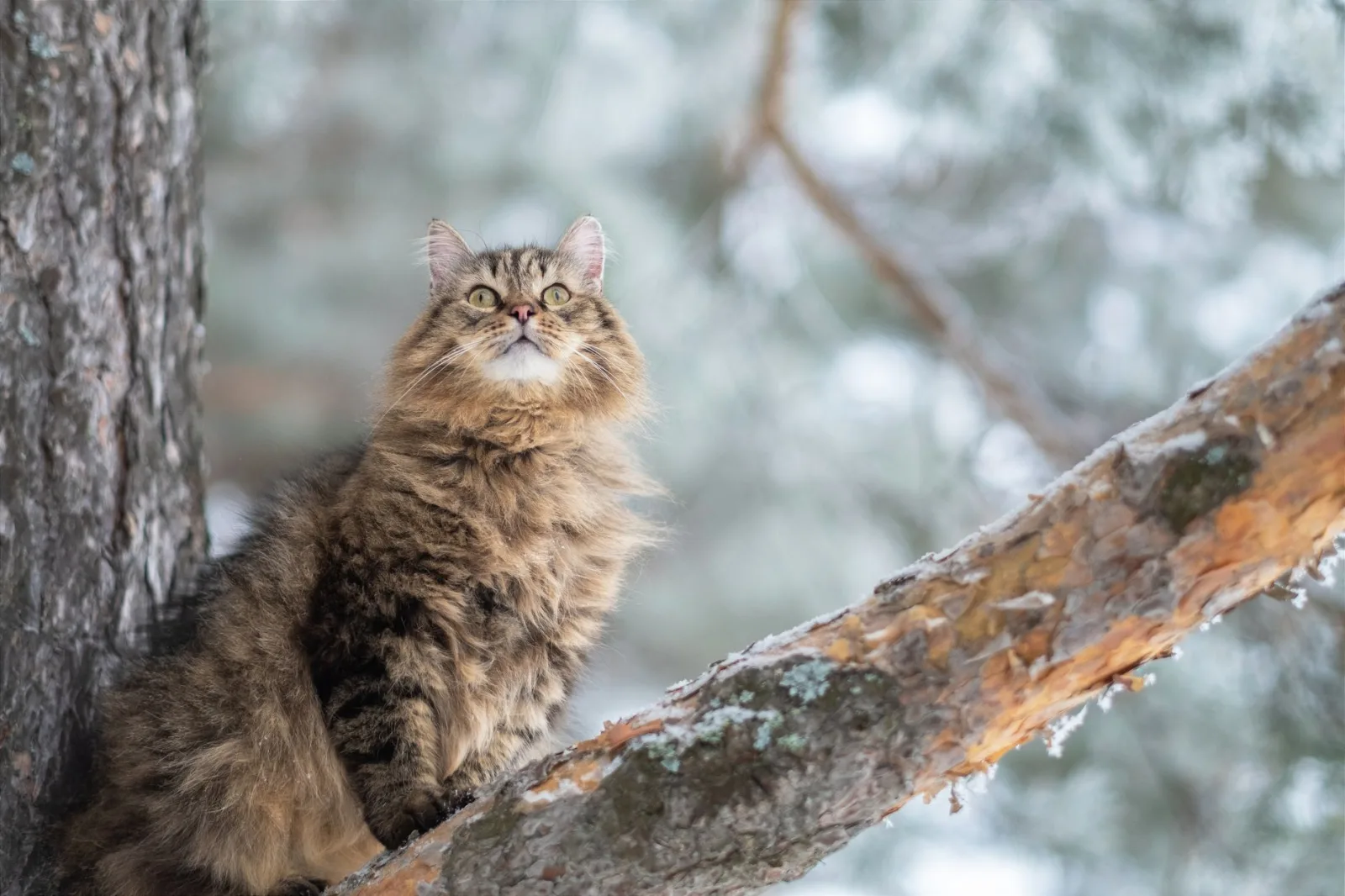
Everything about the Siberian speaks of strength and survival. This is a medium-to-large cat with a muscular, barrel-shaped body, a broad chest, and sturdy legs that end in large, well-tufted paws designed to act like natural snowshoes. Adults typically weigh between 4 and 9 kg and stand roughly 23 to 30 cm at the shoulder, with males noticeably heavier than females. The crowning feature is the dense triple coat: a coarse, water-resistant outer layer over two softer undercoats that together fend off snow and freezing temperatures. A ruff frames the neck, the ears carry lynx-like tufts, and the long, bushy tail wraps around the body for warmth, completing the wild, woodland silhouette.
An Affectionate, Dog-Like Personality
Beneath that imposing coat lives one of the most sociable cats you can welcome home. The Siberian is affectionate, playful, confident, and adaptable, frequently following its people from room to room and greeting visitors at the door rather than hiding away. Many owners describe distinctly dog-like habits, including fetching toys, coming when called, and a fascination with running water. These are agile, athletic jumpers that reach high perches with ease and stay kittenish well into adulthood. Calm yet engaged, they generally settle in beautifully with children, dogs, and fellow cats, making them a natural fit for busy, multi-pet households.
Reputation for Being More Allergy-Friendly
The Siberian has earned a reputation as a potentially more allergy-friendly choice, since studies suggest many individuals produce lower levels of the Fel d1 protein that triggers most cat allergies. It is important to be realistic, however: no cat is truly hypoallergenic, and Fel d1 output varies from one animal to the next. Prospective owners who are sensitive should spend time with a specific cat before committing, rather than assuming the breed alone guarantees comfort.
Grooming and Slow Maturation
The luxurious triple coat is surprisingly manageable, but it does demand attention. Brushing several times a week keeps the fur from matting and helps control loose hair, with far heavier effort needed during the dramatic seasonal moults in spring and autumn. Another quirk worth knowing is that the Siberian matures slowly, often taking up to five years to reach full physical and coat development.
Health and Lifespan
Generally a hardy, long-lived breed, the Siberian commonly enjoys a lifespan of 11 to 18 years. The main concern is hypertrophic cardiomyopathy, a hereditary heart condition, so responsible breeders screen their cats and buyers should request HCM testing history. With good nutrition, routine veterinary care, and plenty of interactive play, this forest cat thrives as a devoted lifelong friend.