Turkish Angora
An elegant Turkish breed known for intelligence and a silky coat.
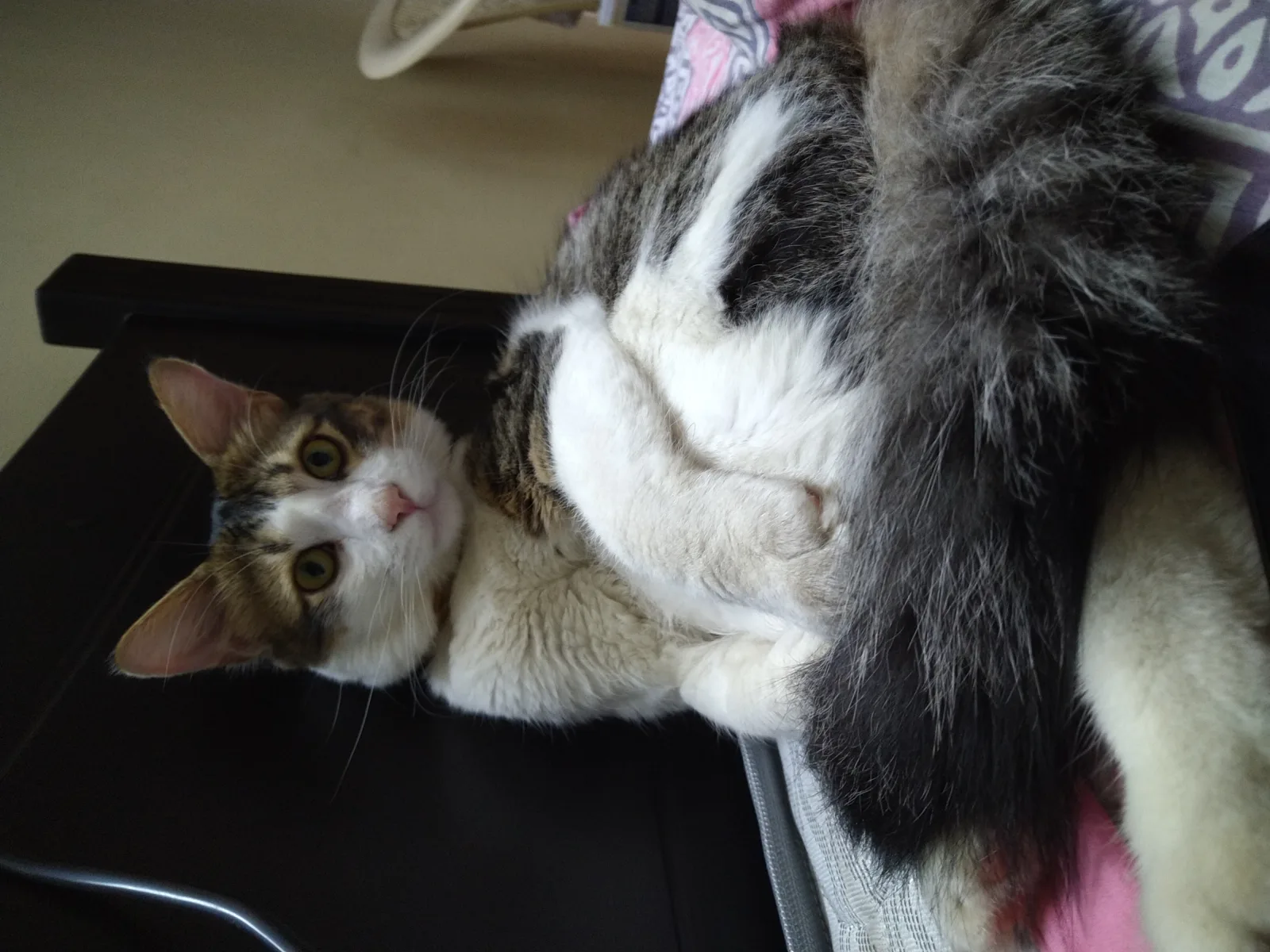
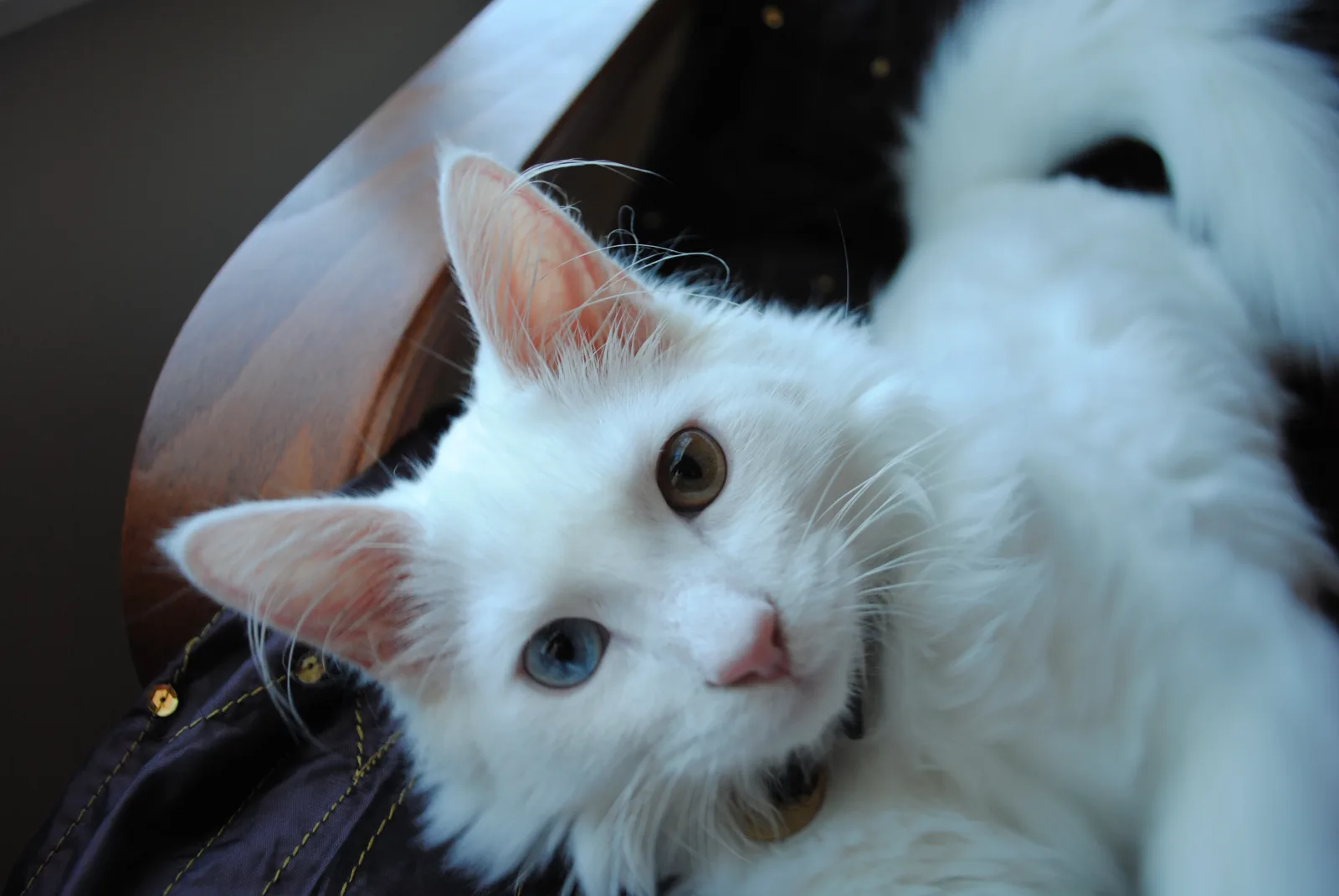
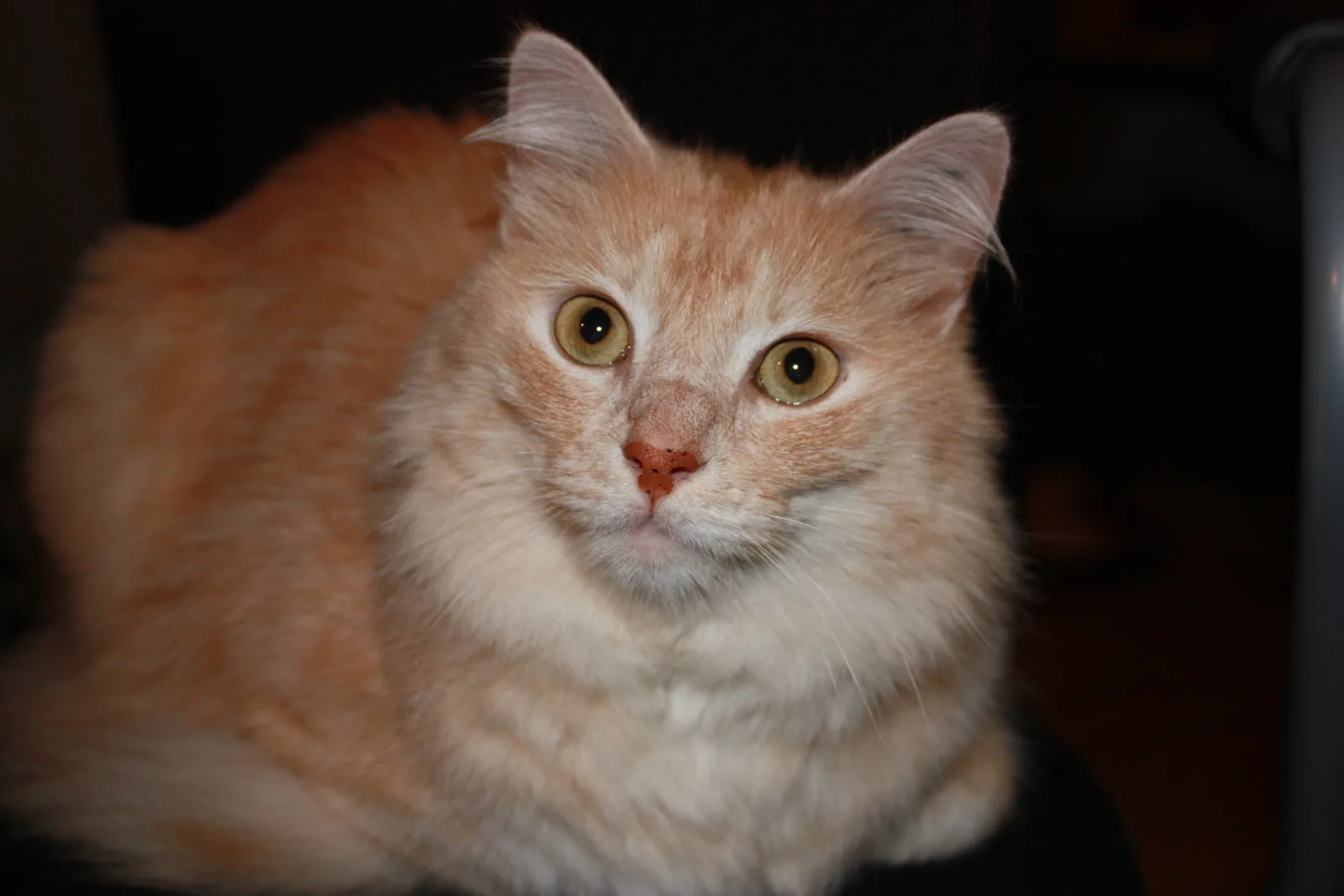
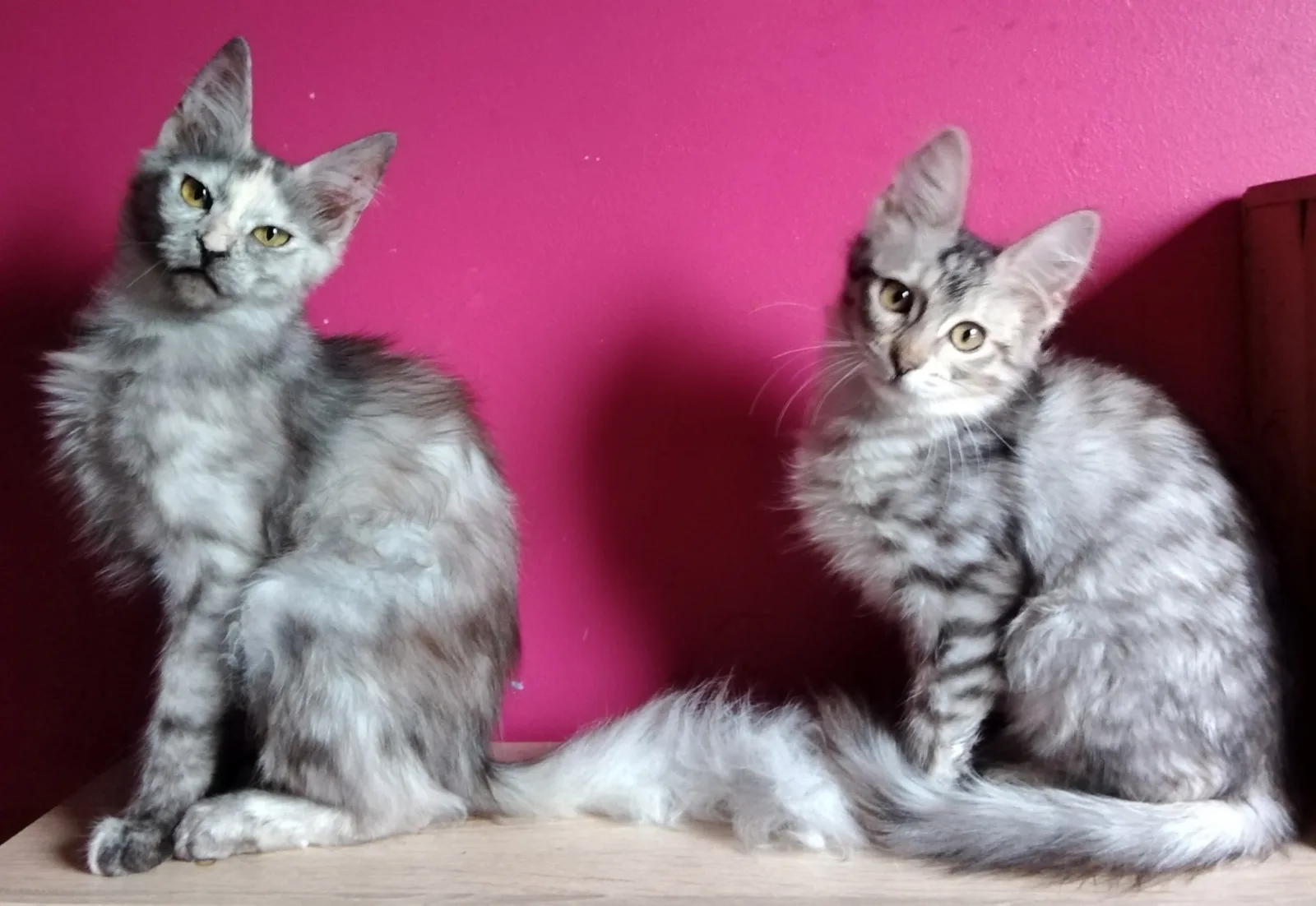
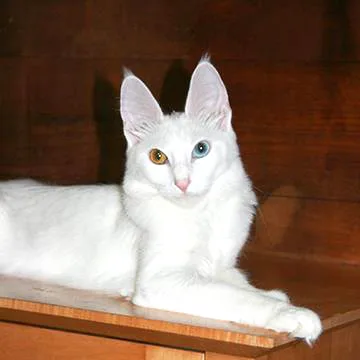
Every Turkish Angora profile blends practical care notes, breed traits, and everyday living guidance.
Breed Levels
How well this breed aligns with lifestyle factors.
Characteristics
Key traits that define this breed.
Appearance
Physical traits and distinctive features of this breed.
Individual pets may vary in appearance, temperament and needs. Early training, proper care and socialization help bring out the best in every companion.
Turkish Angora: An Elegant and Ancient Cat from the Heart of Anatolia
The Turkish Angora is one of the oldest naturally occurring cat breeds in the world, prized for its graceful build, flowing silky coat, and spirited, people-focused personality. Hailing from the highlands of central Turkey, this breed combines striking beauty with a lively intelligence that keeps its devoted families entertained for years. With a typical lifespan of 12 to 18 years, the Turkish Angora is a long-term companion that thrives on interaction and play.
Ancient Roots in Ankara
This breed takes its name from Ankara, the Turkish capital historically known as Angora. Cats of this type have lived in the region for centuries, developing their long coats naturally rather than through deliberate breeding. By the early twentieth century the breed had become rare in the West, and Turkey took remarkable steps to protect its heritage. The Ankara Zoo established a dedicated preservation program, carefully maintaining a colony of pure white Angoras and keeping detailed pedigrees. Cats from this program later helped re-establish the breed internationally, which is why the Turkish Angora is regarded as a living piece of feline history.
A Fine-Boned, Silky Beauty
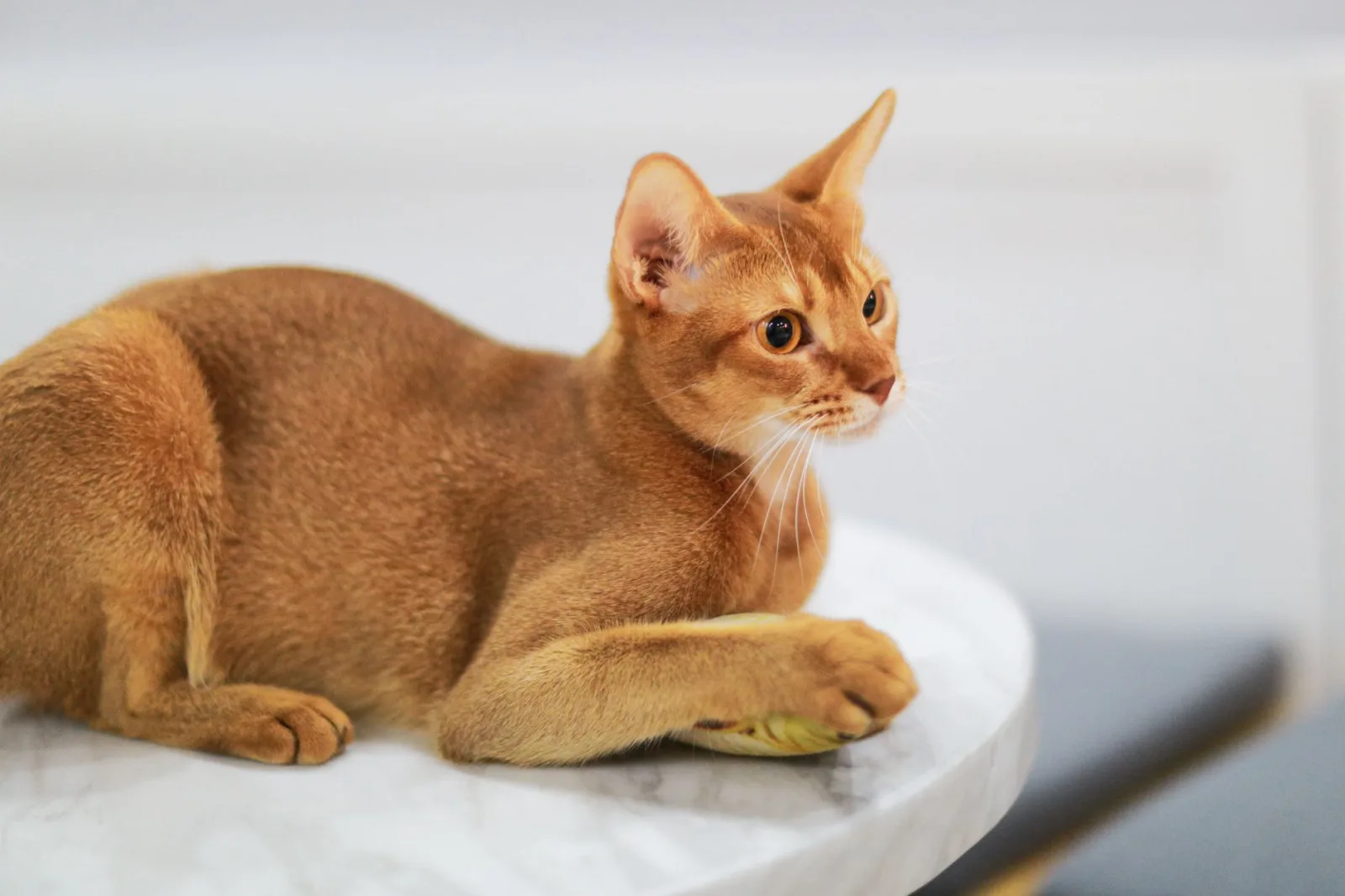
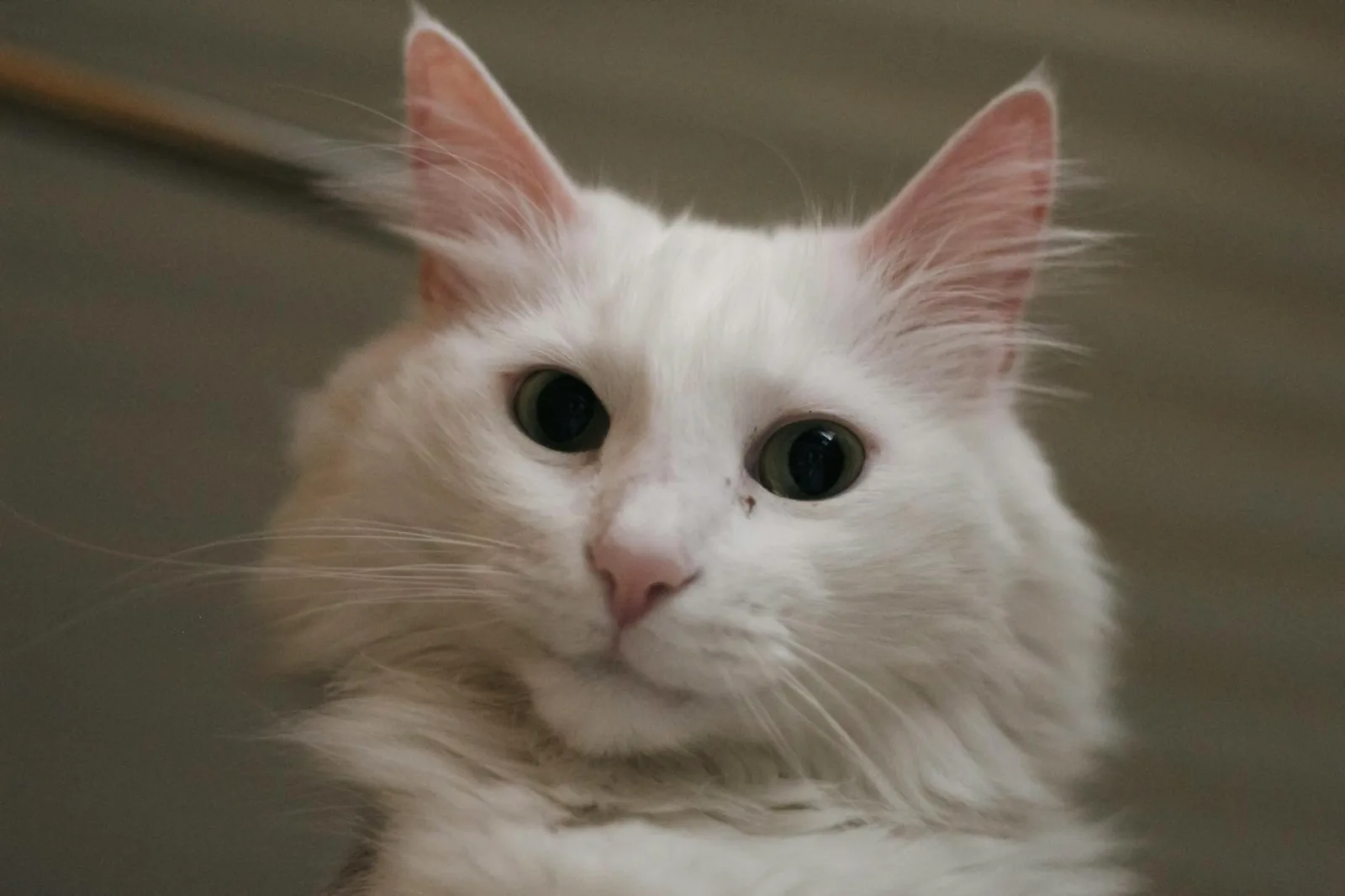
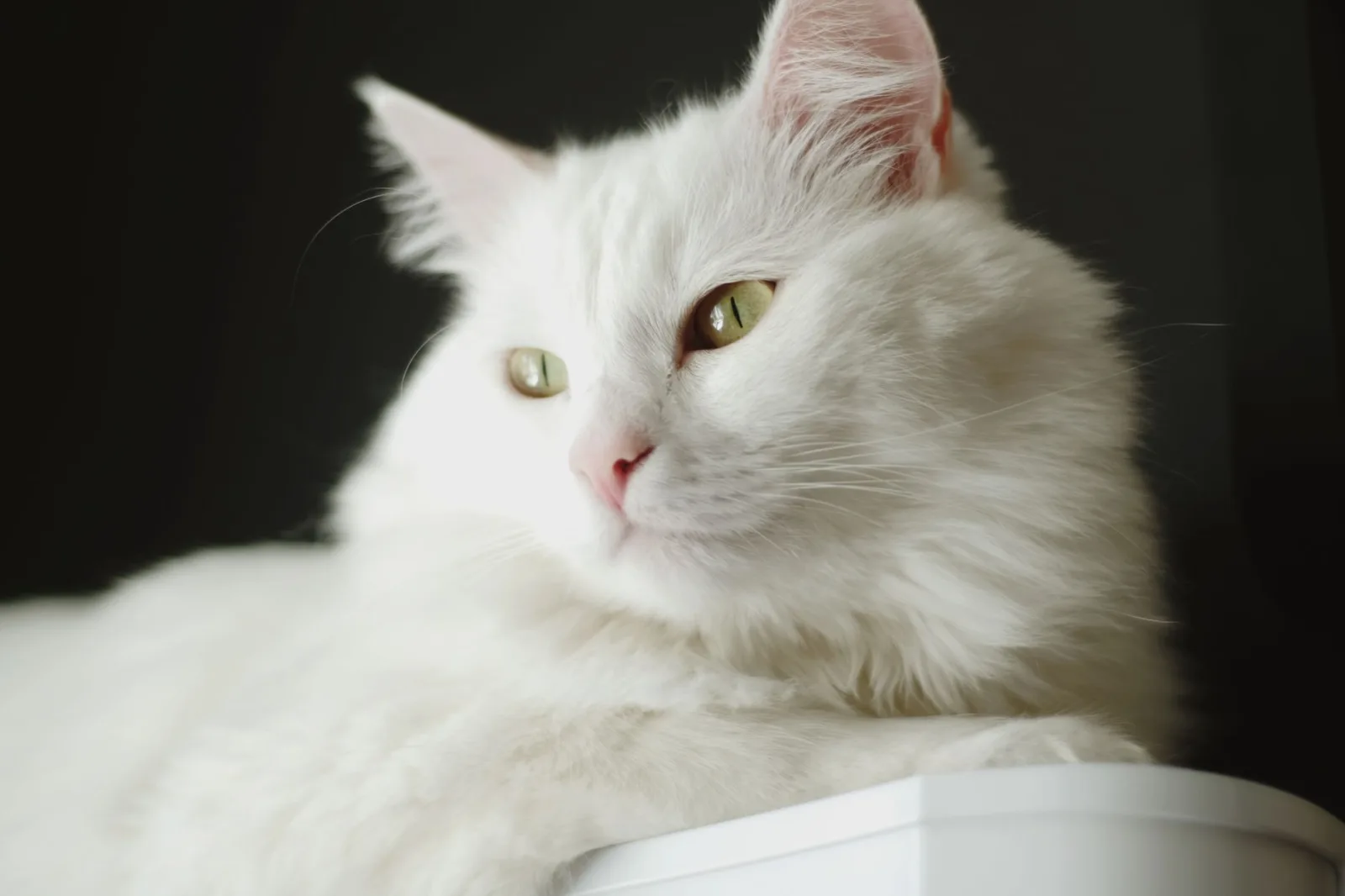
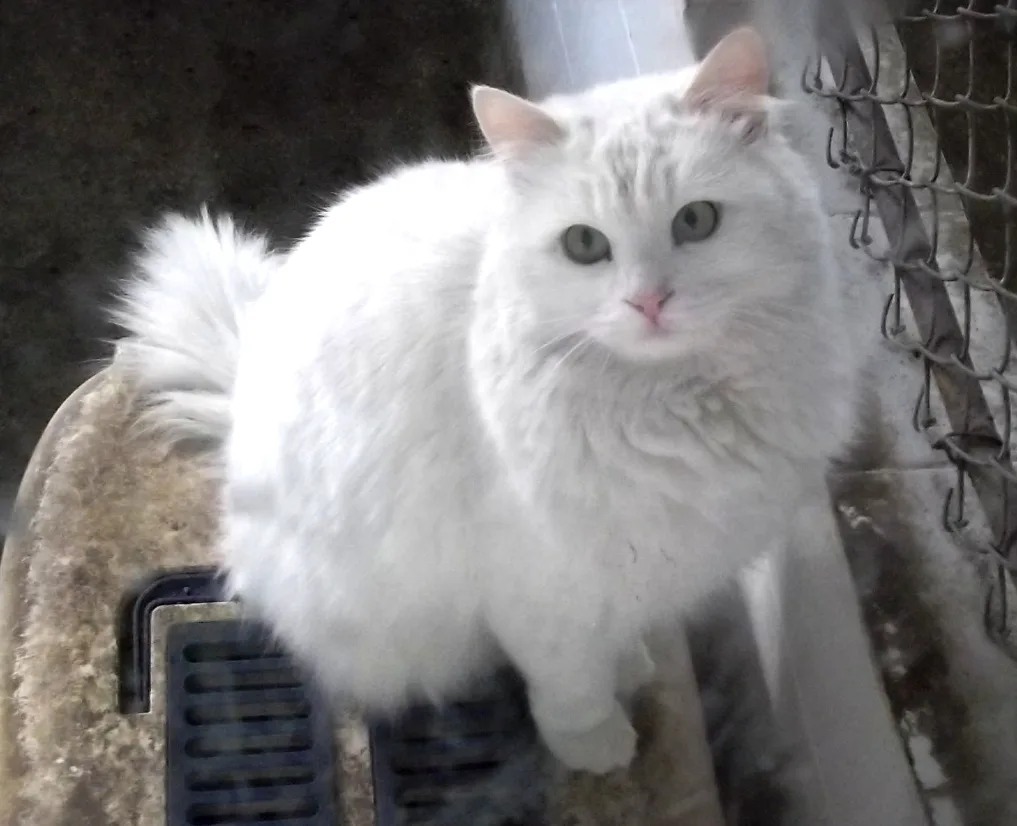
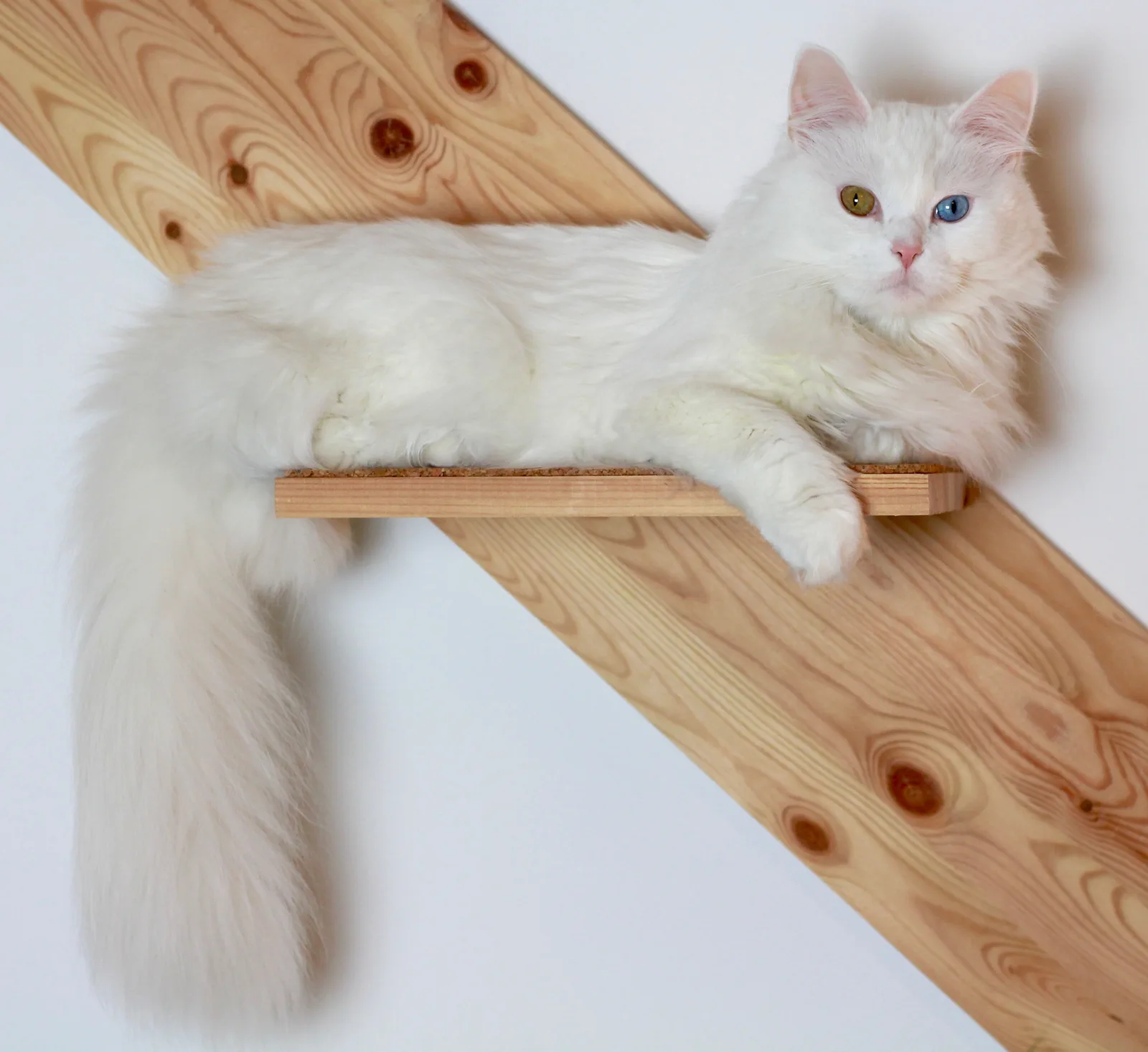
Everything about the Turkish Angora speaks of elegance. The body is slender, long, and fine-boned, balanced on dainty legs and finishing in a long, plumed tail that the cat often carries proudly over its back. Adults are modest in size, generally weighing between 2.5 and 5 kg and standing roughly 20 to 25 cm tall. The defining feature is the coat itself: medium-long, fine, and remarkably soft, with a single-layered texture and no heavy undercoat. This gives the fur a shimmering, almost satin-like quality and lets it drape close to that athletic frame.
The Classic White Coat and Eye Colour
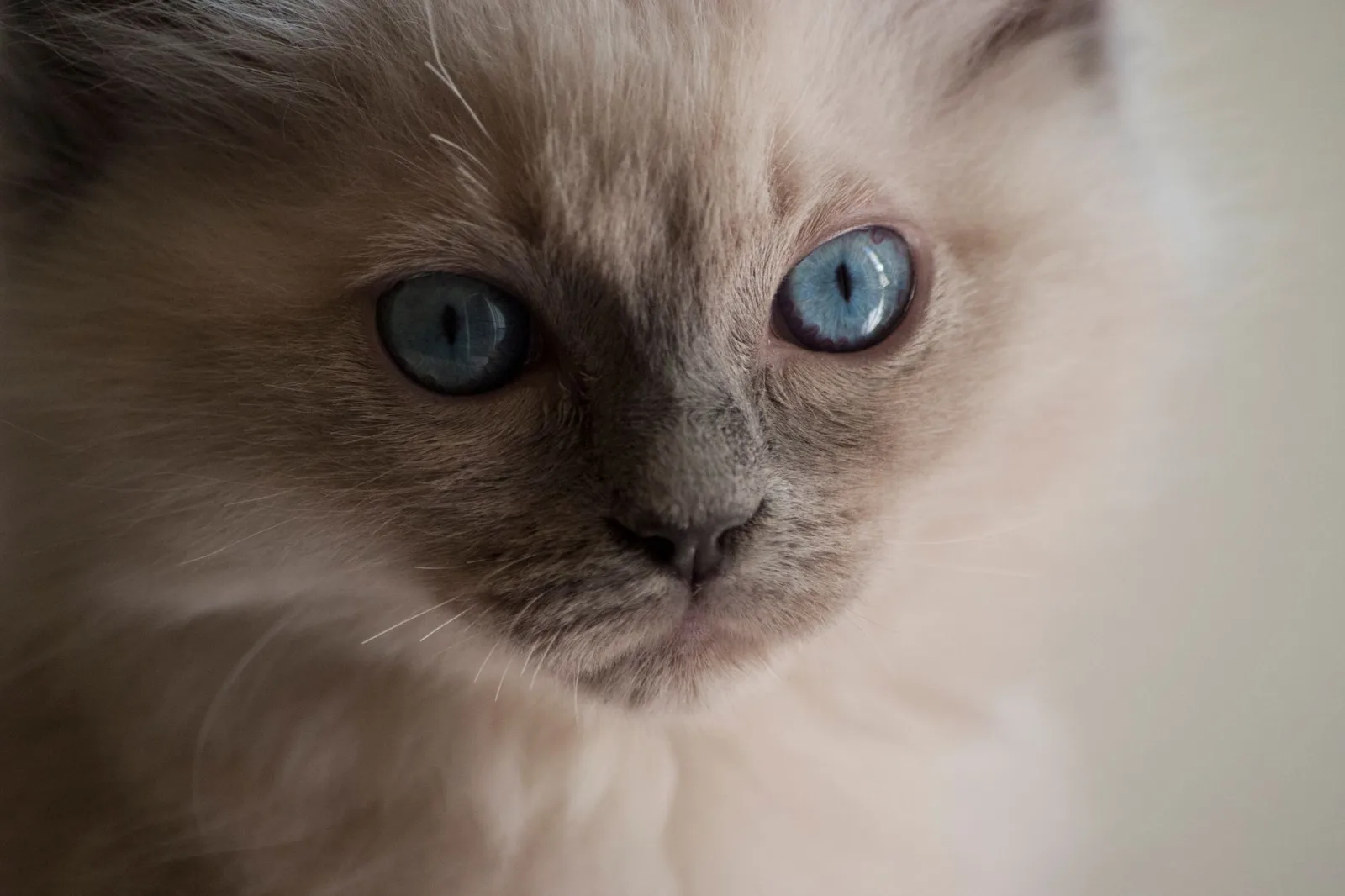
While Turkish Angoras now come in many colours and patterns, the shimmering all-white coat remains the breed icon. White Angoras can display a range of eye colours, and some have the captivating odd-eyed look - one blue eye paired with one amber, green, or gold eye. Prospective owners should understand an important genetic point here: the gene linked to a white coat and blue eyes is also associated with congenital deafness. Odd-eyed white cats may be deaf only on the side of the blue eye. Deaf Angoras live full, happy lives indoors, but it is a trait responsible breeders monitor and discuss openly.
A Playful, Take-Charge Companion
If you want a quiet lap ornament, this is not your cat. Turkish Angoras are energetic, clever, and endlessly curious, often appointing themselves supervisor of the entire household. They form deep bonds with their people, enjoy interactive games and puzzle toys, and frequently learn to fetch or open cupboards. Affectionate and chatty, they like to be involved in whatever you are doing while keeping a confident, independent streak.
Easy Care and General Health
Grooming is refreshingly simple thanks to the single coat. A gentle brushing once a week is usually enough to keep the fur sleek and tangle-free, with a little extra attention during seasonal shedding. The Turkish Angora is generally a hardy, healthy breed, though responsible breeders screen their lines for hereditary ataxia, a neurological condition affecting some kittens, and for hypertrophic cardiomyopathy (HCM), the most common feline heart disease. Routine veterinary care, good nutrition, and plenty of enrichment help these cats enjoy their long, lively years to the fullest.