Feline Lower Urinary Tract Disease (FLUTD) is an umbrella term covering several causes of painful urination in cats. Most of them — stress cystitis, crystals, infection — are uncomfortable but treatable. One of them, urethral obstruction, is a true emergency.
The signs to learn by heart
Frequent trips to the litter box. Straining and crying while in it. Producing only drops or nothing at all. Urinating in unusual places — sinks, bathtubs, on rugs. Excessive licking of the genital area. Blood in the urine.
Male cats and the 24-hour rule
The male cat's urethra is long and narrow. Crystals or a mucus plug can block it completely. Within 24 hours, the bladder distends to dangerous levels. Within 48 to 72 hours, kidney failure begins and cardiac arrest from potassium imbalance follows. A male cat who is straining without urinating for more than four hours needs an emergency clinic now, not in the morning.
What treatment looks like
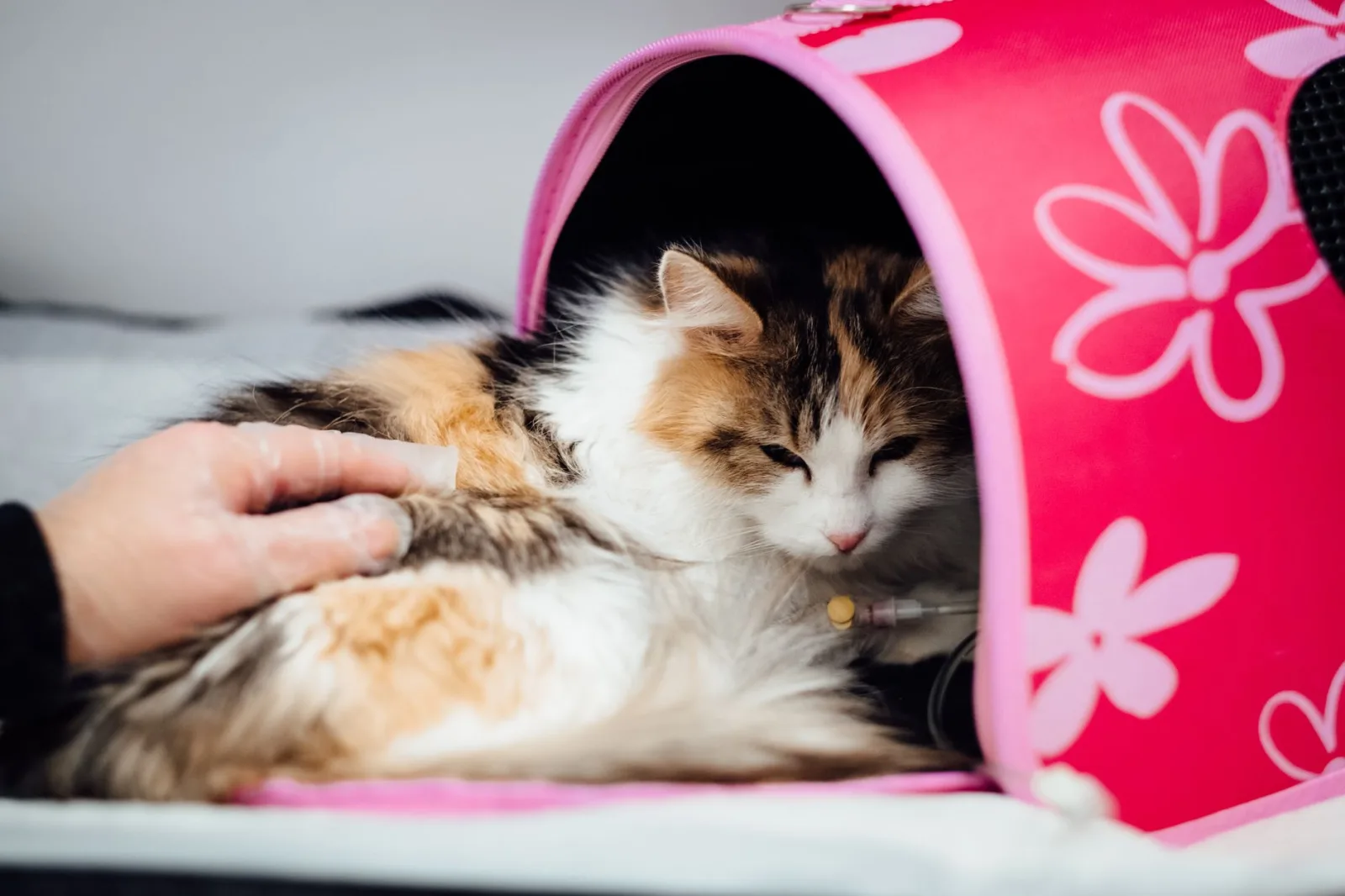
Sedation, a urinary catheter to relieve the blockage, IV fluids to flush out the kidneys, and 48 to 72 hours of hospitalisation. After the first obstruction, recurrence is common — up to 35 per cent within a year — and a perineal urethrostomy surgery may be recommended for repeat offenders.
Stress is the unsung trigger
Stress cystitis is the most common FLUTD cause, especially in multi-cat households. New furniture, a new pet, a new baby, a litter box moved, or a change in food can all trigger an episode. The bladder lining becomes inflamed without infection, and the symptoms look identical to a UTI.
Prevention at home
One litter box per cat plus one extra, all kept impeccably clean. Multiple water bowls in different rooms — moving water (fountains) encourages drinking. Wet food makes up 70 per cent or more of the diet for predisposed cats. Avoid sudden household changes; if they're unavoidable, introduce a Feliway diffuser two weeks ahead and keep meal and play schedules predictable through the change.