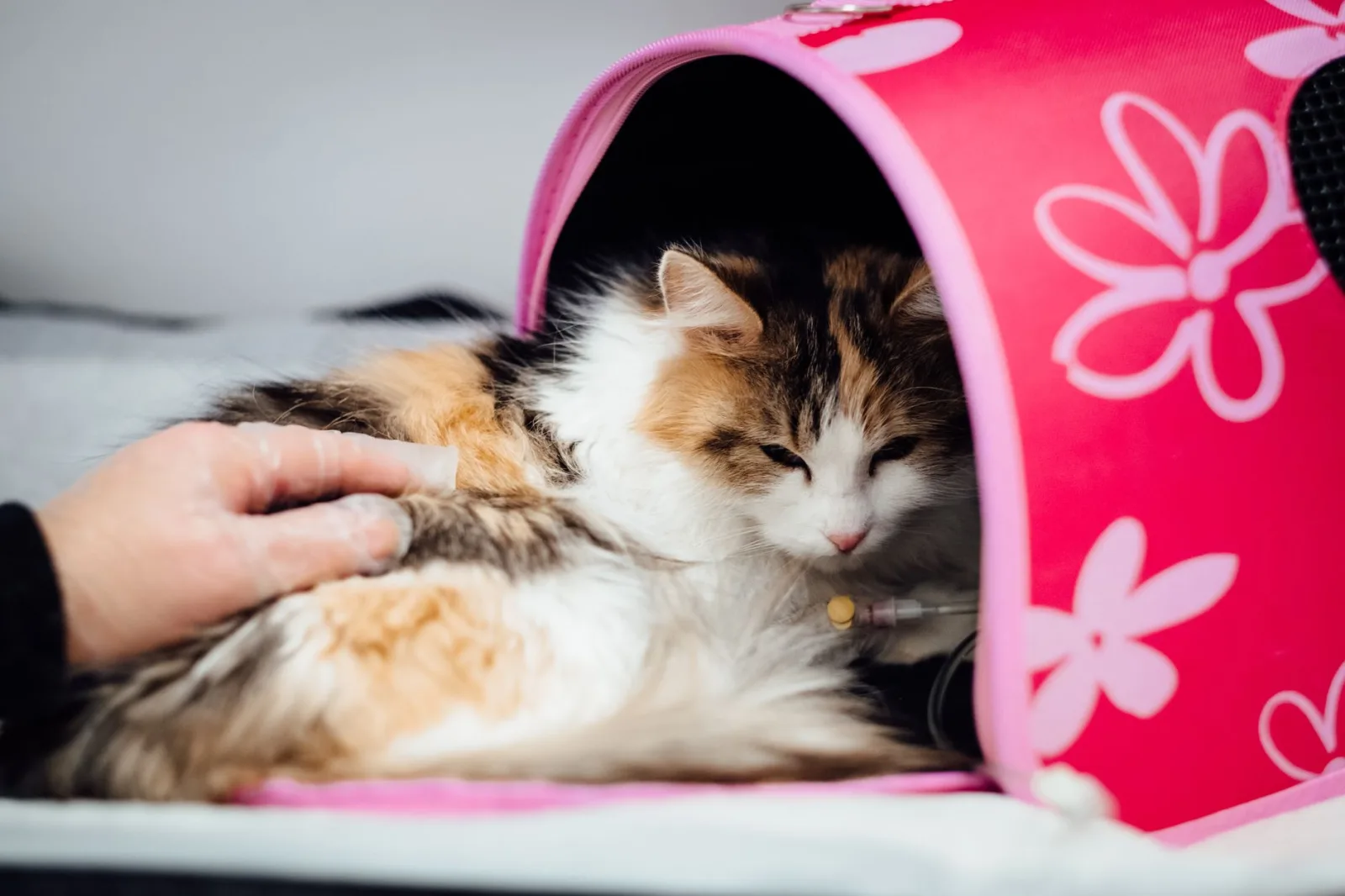
Chronic kidney disease (CKD) is the slow loss of kidney function. By the time a cat shows symptoms, two-thirds of kidney tissue is already gone. The good news: cats compensate well, and a four-stage staging system means we can target treatment to where things are now and slow what comes next.
What the first signs look like
Drinking more water, peeing larger clumps in the litter box, gradual weight loss despite a normal appetite, a dull coat. Owners often dismiss the increased water consumption as "she just likes water." Track it: a cat drinking more than 60 ml per kg per day is drinking too much.
Getting diagnosed
An annual senior check after age ten should include bloodwork (BUN, creatinine, and the newer SDMA) plus a urine specific gravity test. SDMA flags kidney trouble months earlier than creatinine, which is why it's now standard.
Stage 1 and 2: extend the runway
Switch to a prescription kidney diet — they're lower in phosphorus and protein quality is calibrated for impaired kidneys. Add water everywhere: multiple bowls, a fountain, broth toppers, wet food as the main meal. Phosphorus binders may be added at stage 2 if blood phosphorus rises.
Stage 3 and 4: comfort and quality of life
Sub-cutaneous fluids at home, given by the owner every other day, become the centrepiece of care. Anti-nausea medication for inappetence. Appetite stimulants. Some cats are on six or seven daily medications; others tolerate only two. Medicate for the cat in front of you, not the textbook.
What "quality of life" really means
A cat who is purring, grooming, jumping up to a favourite spot, and asking for food is still enjoying life — even with bad bloodwork. A cat who has stopped grooming, hides, and turns down everything is telling you something. Vets use scoring sheets to keep the assessment objective. Use one. It removes guilt later.