One of the hardest parts of caring for a cat is that they instinctively hide pain — a survival trait from their wild ancestors. A cat in genuine discomfort may simply seem ‘a bit off’, which is why owners often only realise something was wrong in hindsight. Learning the subtle signs helps you act sooner.
Behavioural signs
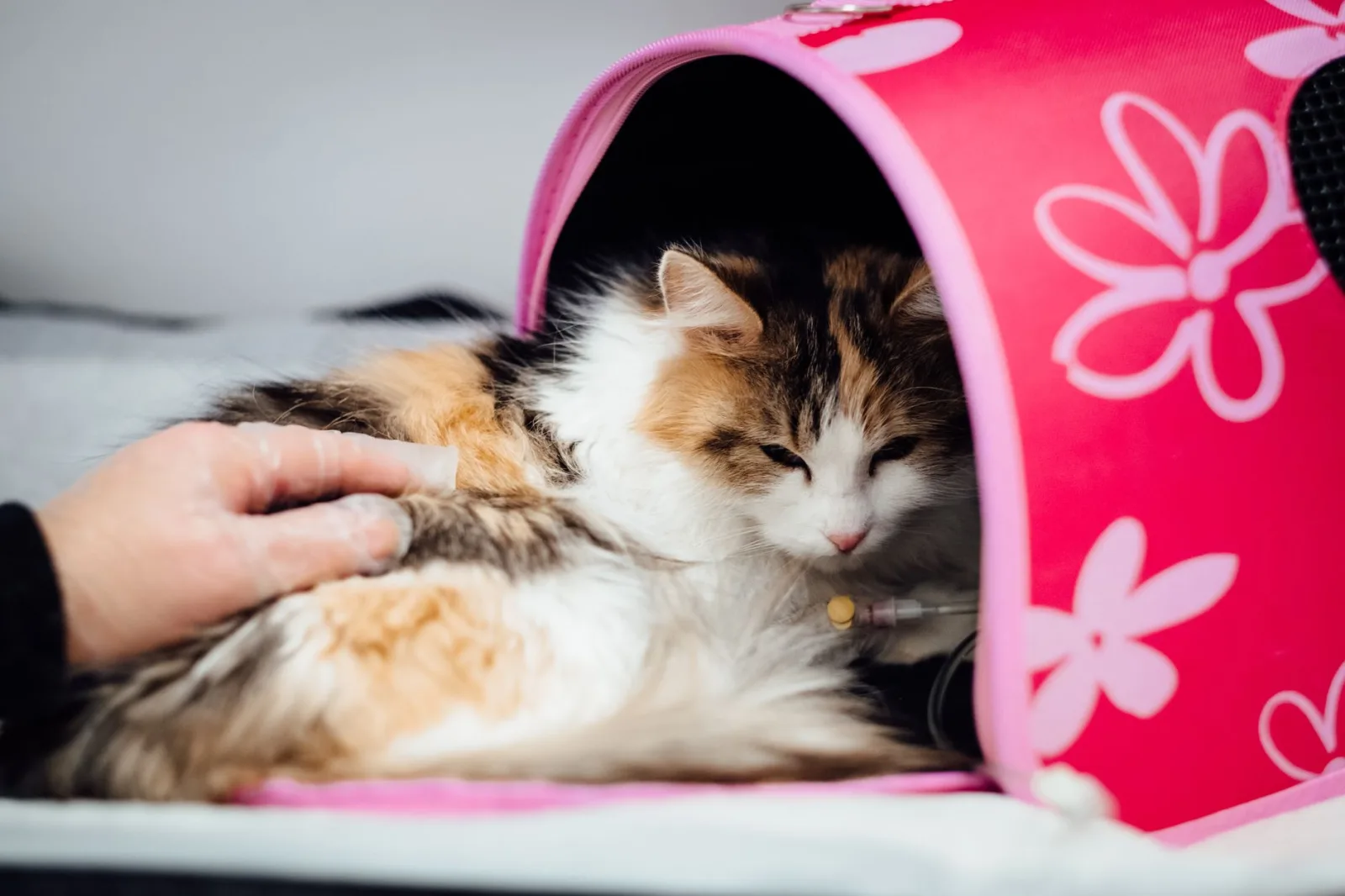
- Hiding more, withdrawing from the family, or sleeping in unusual places
- Reduced grooming, leading to a dull or unkempt coat — or over-grooming one painful spot
- Reluctance to jump up to favourite perches
- Irritability, or reacting when a particular area is touched
- Changes in appetite, litter habits or sleep
Physical signs
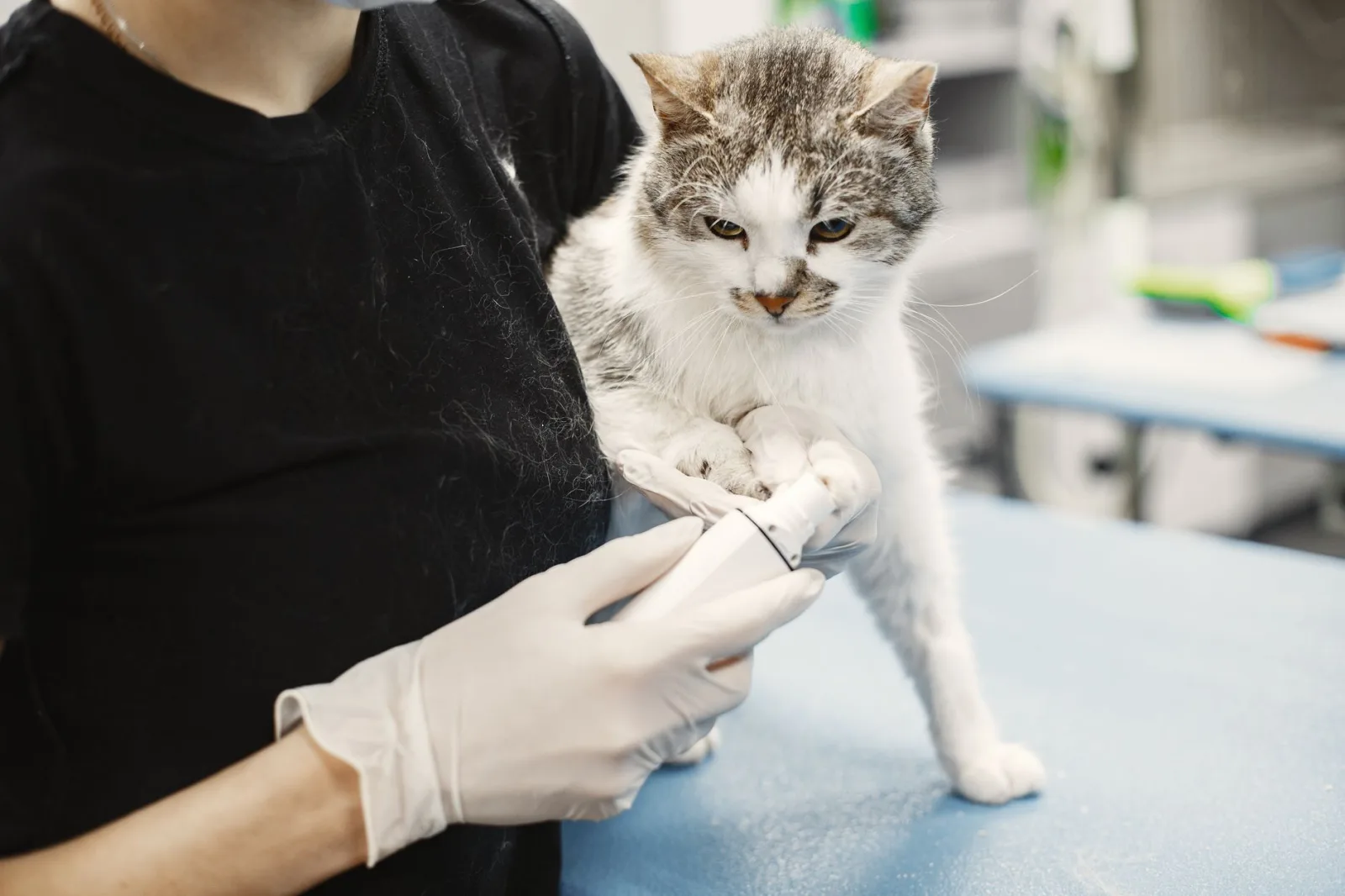
A hunched posture, squinted eyes, tense face, limping or stiffness, and rapid or shallow breathing at rest can all indicate pain. Many cats become quieter rather than vocal when they hurt, so do not wait for crying.
Act on the change
Trust shifts from your cat's normal behaviour — you know them best. Never give human painkillers, which are toxic to cats. Instead, see your vet, who can find the source and prescribe safe, effective pain relief. Catching pain early often means catching the underlying problem early too.